





Today we’d like to introduce you to Hanna Jarsocrak.
Hi Hanna, so excited to have you with us today. What can you tell us about your story?
My story starts with failing. Over and over again.
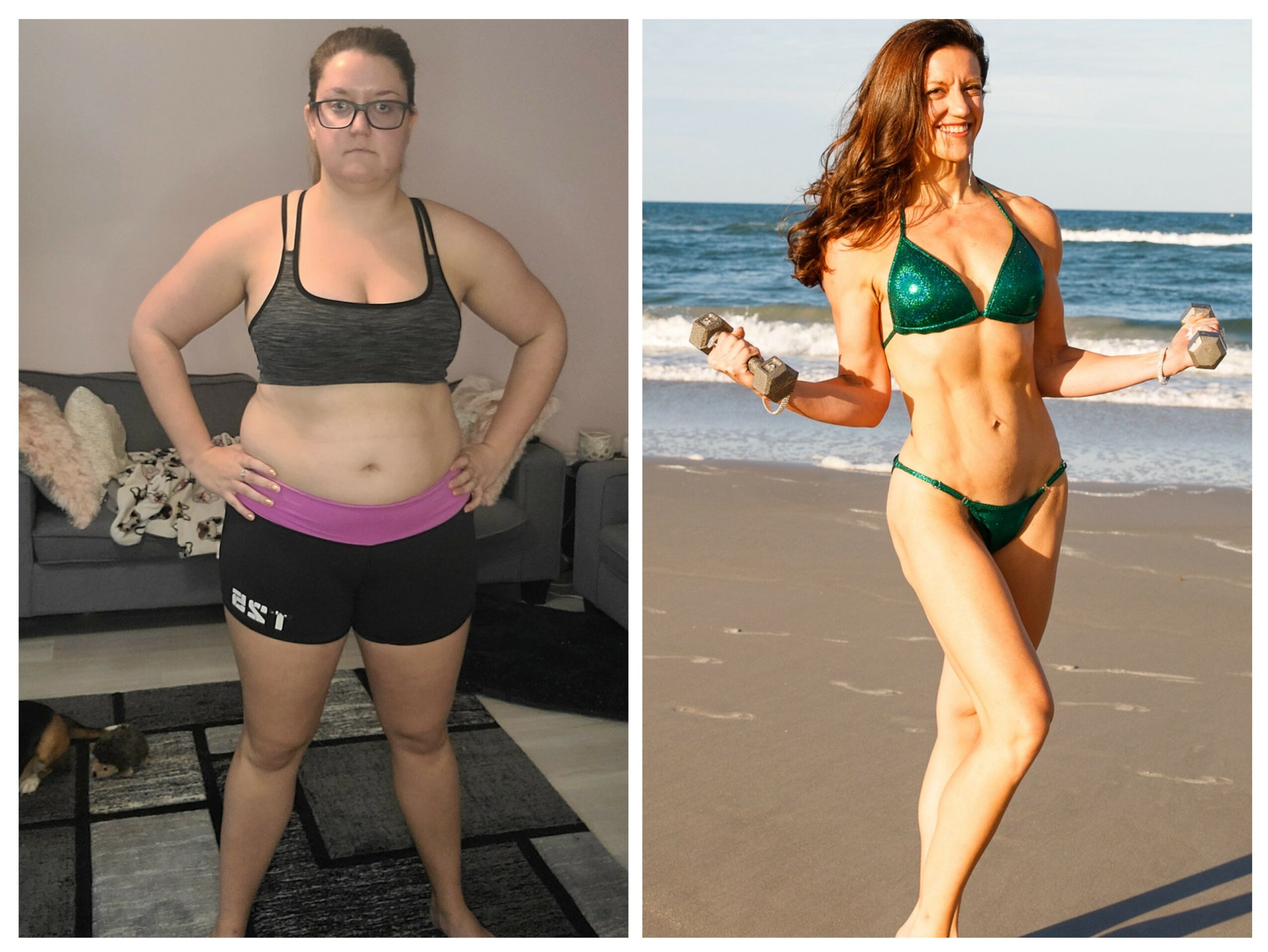
I tried everything the fitness industry sells – every program, every fad diet promising extreme results, every shake and supplement that claimed to curb my cravings. Nothing worked. So I did what you’re supposed to do: I hired a personal trainer to hold me accountable, showed up, put in the work. I graduated to group training. And for a while, it worked – I lost about 60 pounds.
Then it stalled. I was still carrying an extra 20 pounds, still puffy, still nowhere near a healthy range. And my thyroid was quietly deteriorating the whole time. So I did the thing that feels logical when you’re desperate: I doubled down. More workouts. More cardio. Burn it off.
It didn’t work either.
What finally changed everything was seeing a doctor about my thyroid. Her advice was the opposite of everything I’d been doing – cut the cardio immediately, get back to real strength training, and look hard at my nutrition and gut health. That was the turning point. I lost those last 20 pounds, hit my goal weight, and eventually walked on an amateur bodybuilding stage – something I never would have imagined for the person I used to be.
The lesson underneath all of it: the “extreme” approach that fitness culture sells had been working against me for years. All-or-nothing plans, endless supplements, punishing cardio – none of it was the answer. The answer was consistency. Building habits that actually fit my body and my life, and then trusting them.
That’s the part nobody wants to hear, because it doesn’t sell. Extreme transformations are exciting. But consistent habits are what keep the weight off. They’re the easy part and the hard part all at once – easy because once the good habits take hold they start to feel natural, and hard because you have to trust the process long before you see the payoff. You stay the course through the boring stretch where nothing seems to be happening, and then one day you look up a year later and barely recognize yourself.
That’s what led me to start Fit-Hack’d in 2025. I began with one-on-one coaching and training, and I’ve since been building out online programs so that good coaching doesn’t have to come with a high price tag, a supplement upsell, or a subscription you can’t escape. I wanted to take the actual science I’ve learned – and keep learning, since I still work with my amazing coach, Steve Mousharbash at Flawless Physique, as I fine-tune for the stage myself – and distill it into methods built around consistency instead of extremes.
I live in Ponte Vedra Beach, where I teach fitness classes at Titanium Yoga and work 1-on-1 with private clients. In class, I try to teach the “why,” not just the “what,” so people can take those skills home with them instead of leaving them on the mat.
If there’s one thing I want people to know, it’s this: you don’t need an all-or-nothing plan. You don’t need a million supplements. You don’t need extremes. You need to trust the process – and give it enough time to become who you are.
Would you say it’s been a smooth road, and if not what are some of the biggest challenges you’ve faced along the way?
No, it hasn’t been smooth – and honestly, the roughest part wasn’t the weight or the number on the scale. It was energy, motivation, and time.
For years I operated on the assumption that more was better. More workouts, more cardio, more restriction. What that actually got me was empty – no energy, no bandwidth, running on fumes and wondering why I couldn’t sustain any of it. Turns out you can’t white-knuckle your way through exhaustion forever. The thing that finally broke the cycle wasn’t a burst of willpower. It was the opposite: small, consistent changes that I could actually keep up with, layered in over time until they freed up energy instead of draining it.
Motivation was its own battle. When you’re chasing weight or waist size, the wins come slowly and the scale lies to you constantly – you can do everything right and see nothing for weeks. What kept me going was shifting my attention to my lab markers, the health metrics underneath the surface. Watching those improve gave me real, honest proof that things were working, even when the mirror hadn’t caught up yet. And I can’t overstate what it meant to have a coach who genuinely inspired me – someone who kept me showing up on the days I wanted to quit. That’s the difference between a program and a person who believes in you.
The other thing that changed everything was getting honest with myself on paper. I started journaling – not just tracking workouts, but the mental side of consistency. When did I fall off? What tripped me up? What actually kept me on track? Naming those patterns turned “I have no willpower” into “here’s my specific obstacle and here’s my plan for it.” That’s when the change finally solidified, because I understood my own why instead of borrowing someone else’s.
Now, on the other side of the desk as a trainer, I’ve run into a different struggle entirely: consistency is boring. It doesn’t sell. Extremes and magic pills sell – the 30-day shreds, the detox teas, the “lose 20 pounds fast” promises. And I get why. They’re exciting. But the actions required to reach those extremes aren’t realistic for most people, and they definitely aren’t sustainable. So I’m constantly swimming against a current that’s built to sell the exact thing that failed me for years. Telling people the honest truth – that the boring, steady work is what actually lasts – is a harder sell than a miracle. But it’s the only thing I’ll put my name on.
As you know, we’re big fans of you and your work. For our readers who might not be as familiar what can you tell them about what you do?
At my core, I’m a coach who treats fitness like a data problem.
By day I work in business intelligence – I’ve spent my career turning messy data into clear decisions, finding the signal in the noise. And somewhere along the way I realized that’s exactly what the fitness industry gets wrong. It sells guesswork dressed up as certainty. So I built Fit-Hack’d around the opposite idea: your data, our hacks, real results. I want to know what your body is actually telling us before we decide what to change.
What I specialize in is helping people – women especially – who feel like they’ve done everything right and still aren’t getting results. Usually they’ve been under-eating and over-exercising for years, convinced they just need more discipline. My job is to look at the whole picture, find the few highest-impact things that will actually move the needle for that specific person, and build something sustainable around them instead of handing over another punishing plan.
What I’m known for is the “why.” Whether I’m coaching one-on-one or teaching a class, I don’t just tell people what to do – I teach them the reasoning behind it, so they can carry those skills home instead of depending on me forever. I’d rather build someone who understands their own body than someone who needs me to hold the map.
What sets me apart is that I refuse to sell the thing that sells best. No magic pills, no supplement upsells, no extreme 30-day promises. I lived through years of that industry and it failed me completely – so I’m not going to hand it to someone else just because it’s profitable. The honest answer is less exciting: consistency, patience, and habits that actually fit your life. It’s a harder pitch, but it’s the only one that lasts.
What I’m most proud of, though, isn’t a program or a credential. It’s that I’m proof of my own method. I lost 80 pounds – not through extremes, but through the same steady, data-guided approach I now teach – and I did it while my own body was working against me. I know exactly how it feels to fail over and over and wonder if you’re the problem. Being able to sit across from someone in that same place and honestly say “I’ve been here, and there’s a way out” – that’s the part I’ll never take for granted.
Is there anything else you’d like to share with our readers?
If you take one thing from my story, let it be this: if you’ve failed before, you’re not the problem. The plan was.
So much of this industry is built to make you feel like you just didn’t want it badly enough – that if the extreme diet or the punishing program didn’t work, the fault was yours. It wasn’t. Most of those things aren’t built to last, and they’re definitely not built for real life. Falling off them isn’t a character flaw. It’s the predictable result of a plan that was never sustainable in the first place.
The real work is quieter than anyone wants to admit. It’s small, consistent choices that don’t feel impressive on any single day – and then, a year later, you look up and barely recognize yourself. Not because you found a secret, but because you finally trusted the boring stuff long enough for it to add up.
Be patient with yourself. Get curious about your own patterns instead of judging them. Find people who make you want to keep showing up. And give the process enough time to become who you are – because it will, if you let it.
Contact Info:
- Website: https://www.fithackd.com
- Instagram: https://www.instagram.com/fithackd?igsh=cXpjczM3bmMwNXk3&utm_source=qr
- Facebook: https://www.facebook.com/share/14hwBaCsjbk/?mibextid=wwXIfr
- Other: https://www.tiktok.com/@fithackd?_r=1&_t=ZT-98A31ufS6AQ
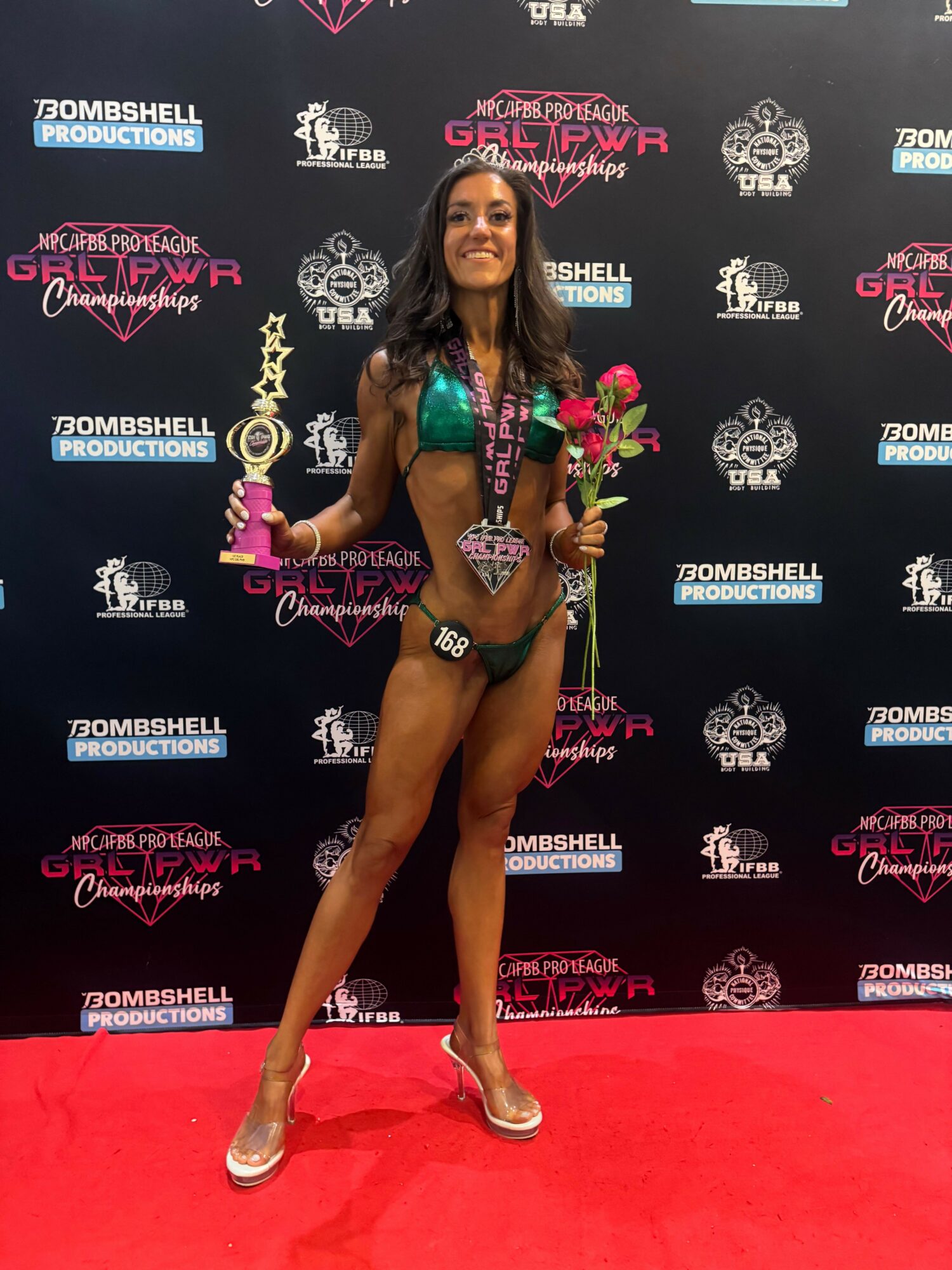
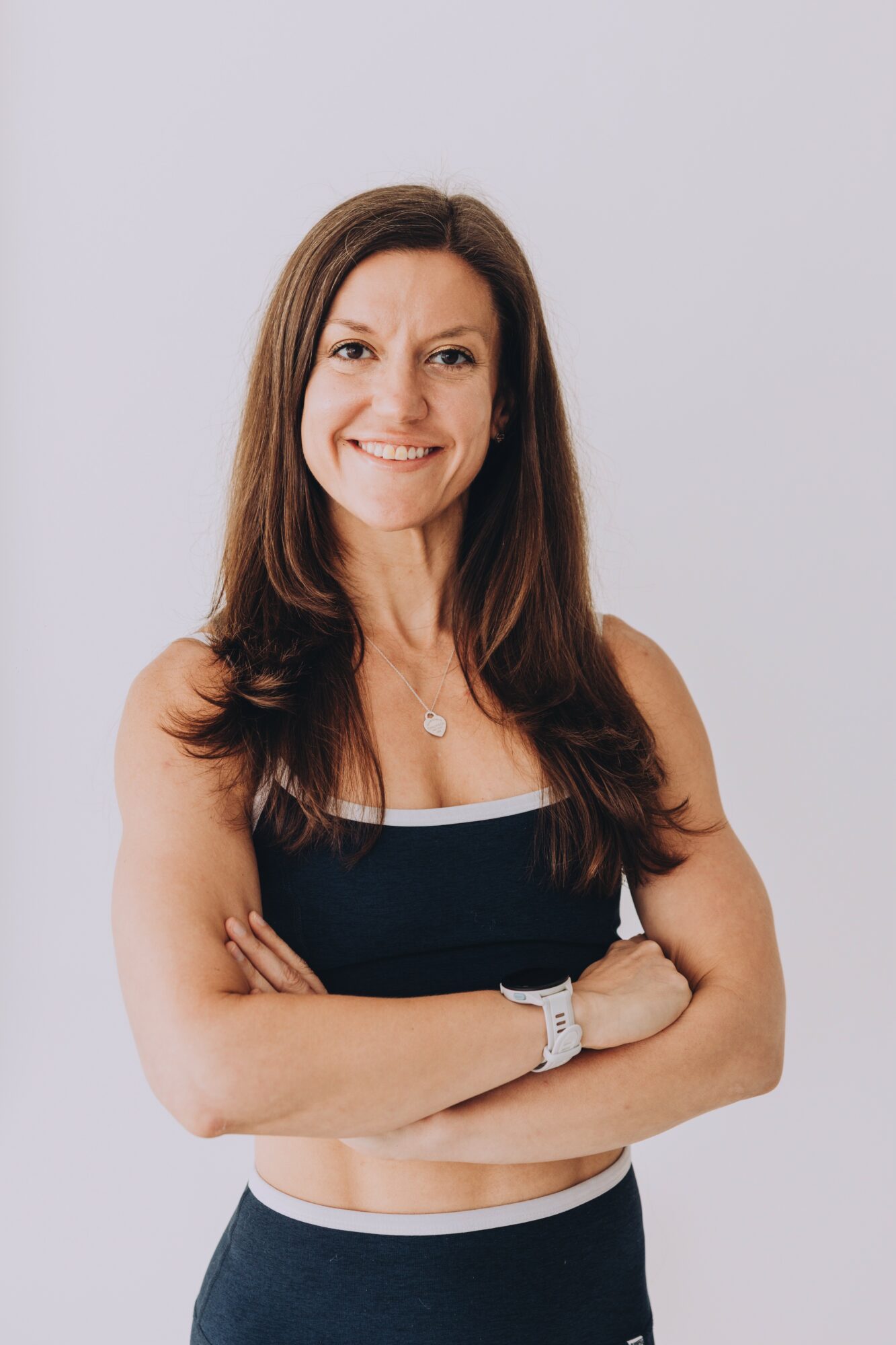
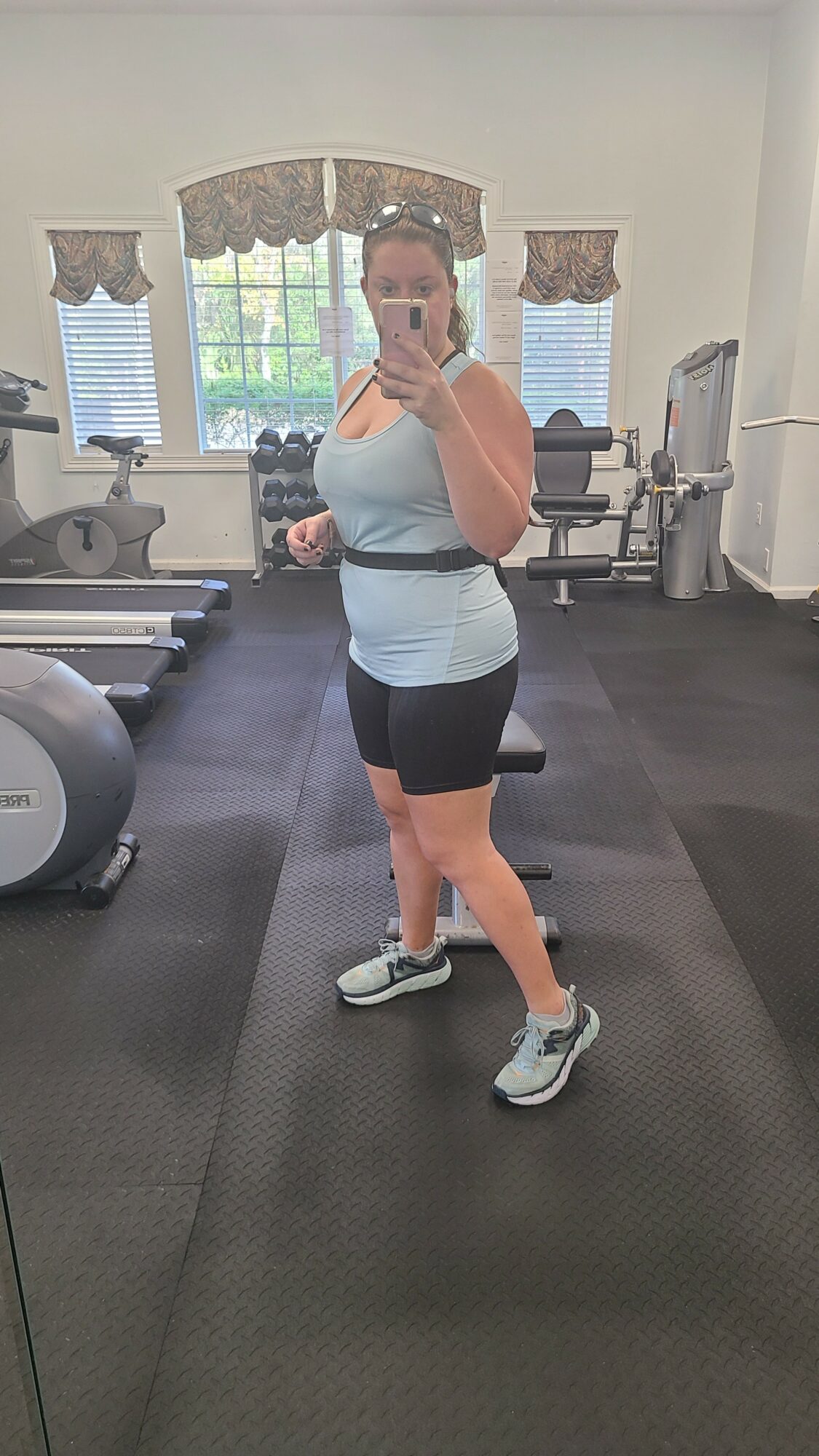
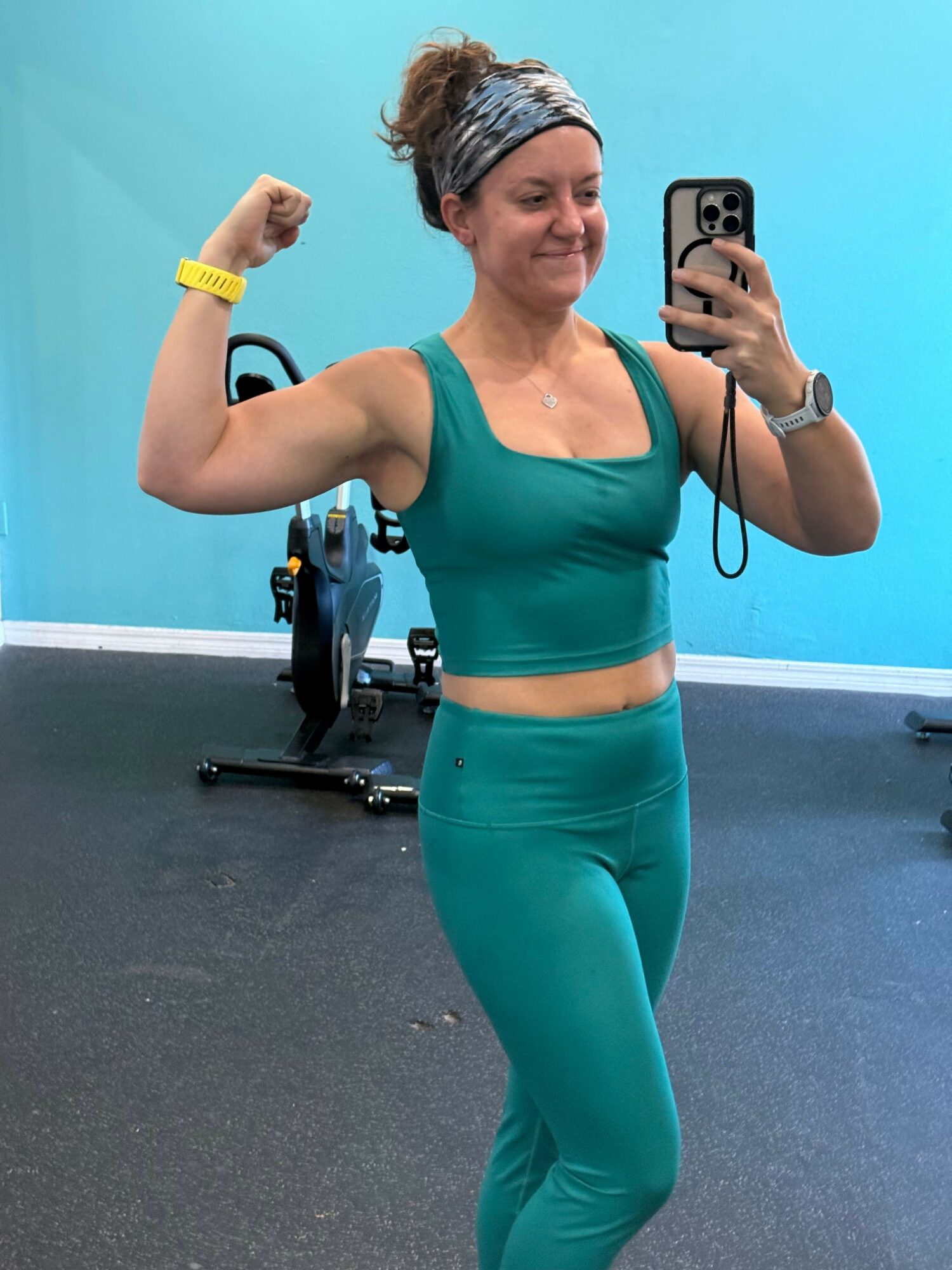
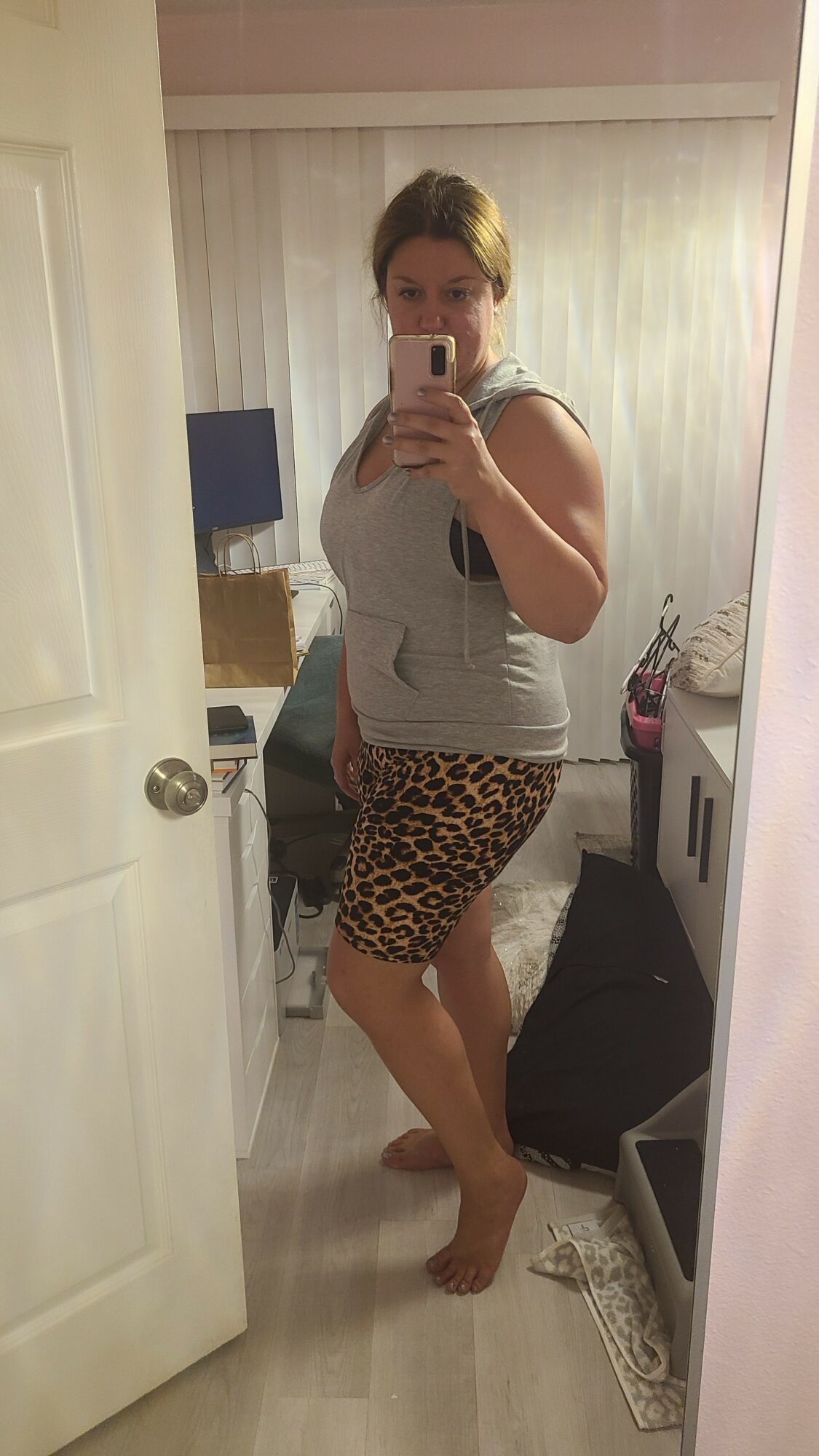
Image Credits
Hillary Lauren Photography