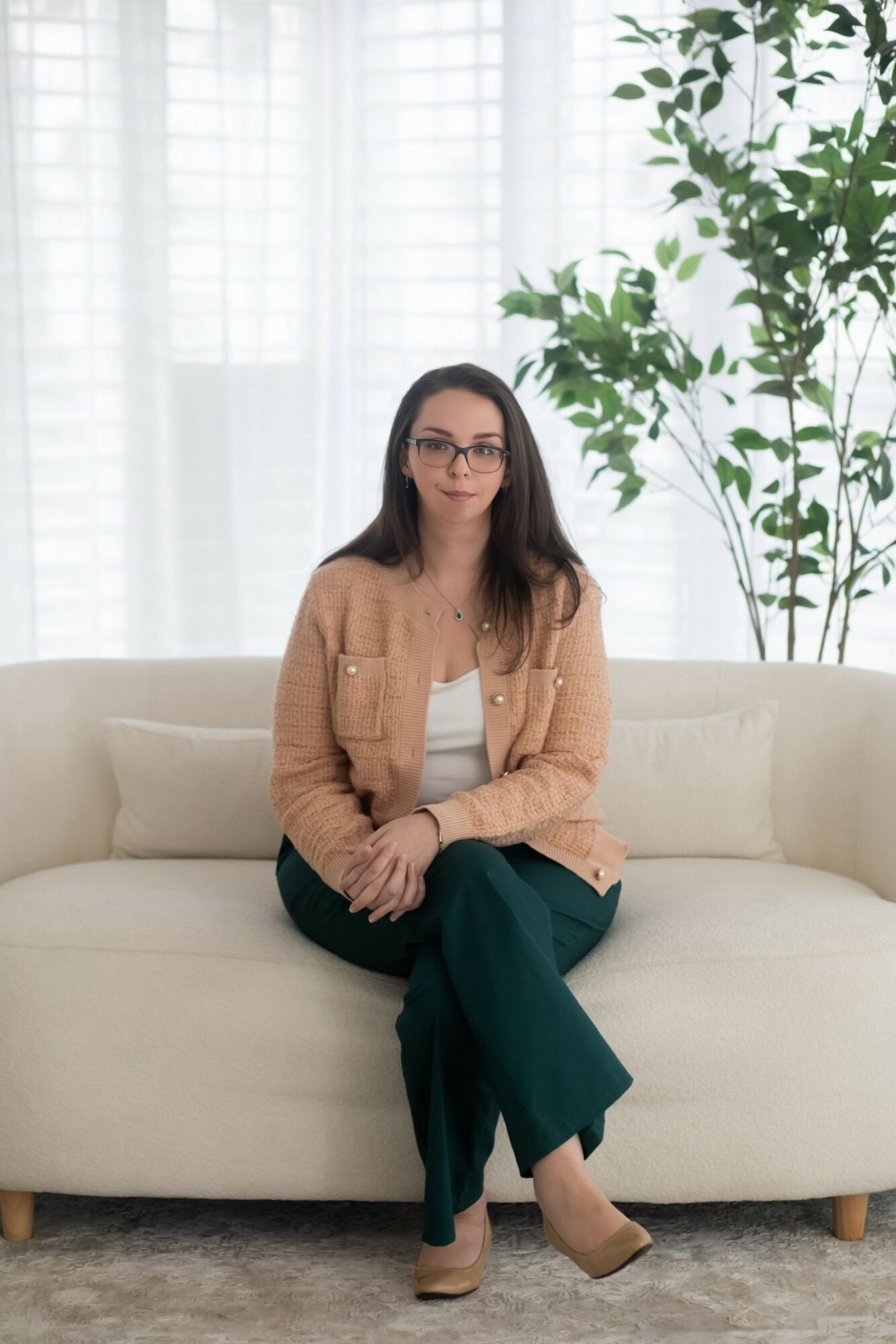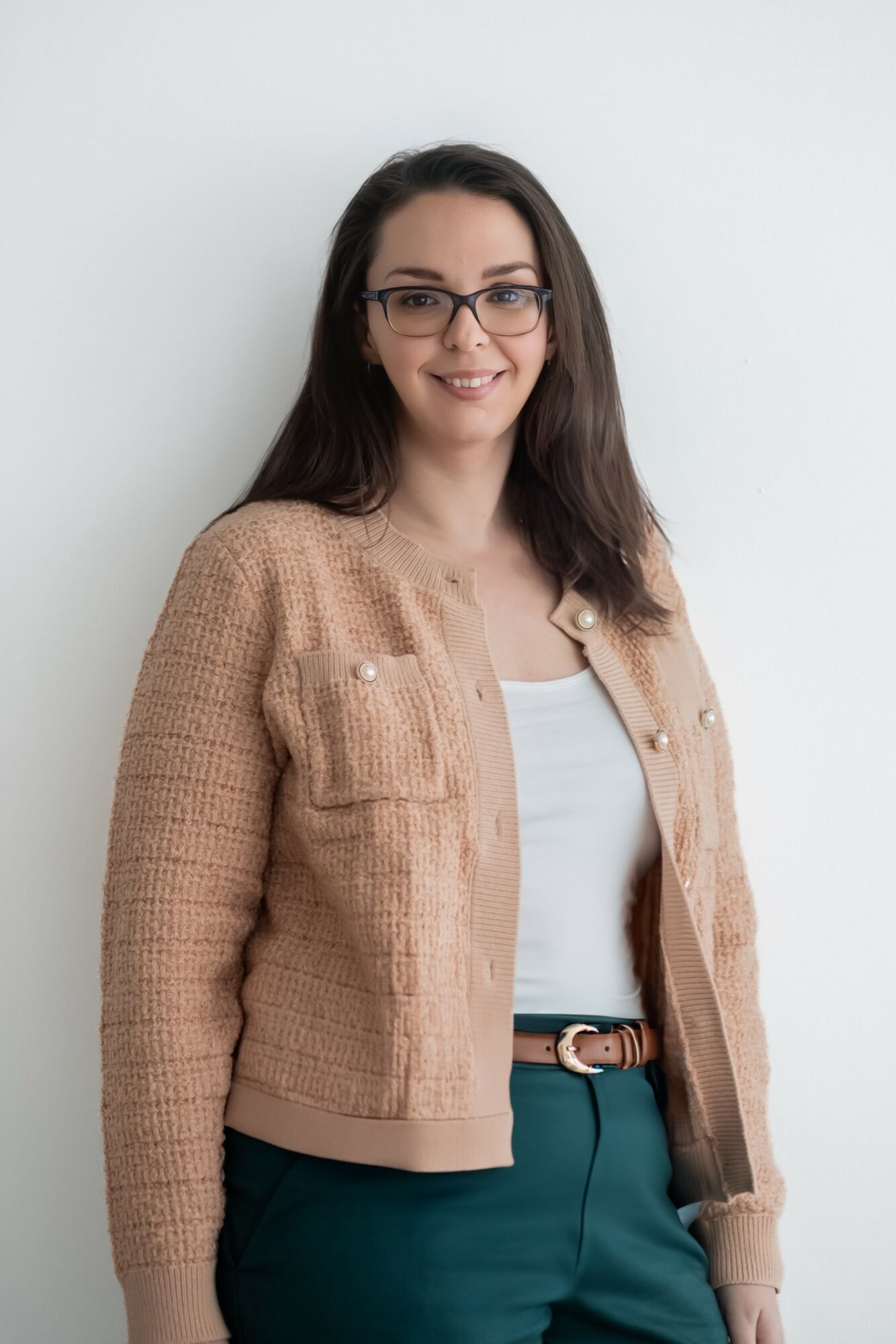






Today we’d like to introduce you to Shannon McFauls.
Hi Shannon, thanks for joining us today. We’d love for you to start by introducing yourself.
Looking back, it’s clear I was the “unofficial therapist” long before I ever held the degrees to match. Even as a child, I was the person peers and even adults gravitated toward when they needed to be heard. I possessed a bottomless curiosity about what made people tick. That curiosity wasn’t just a personality trait; it was a survival skill. It was my way of making sense of a home life that was far more complex than those of my peers.
My family dynamic was a study in contrasts. My mother was a hardworking medical professional holding everything together, while my father struggled with a mix of physical and mental health conditions that made it impossible for him to be a traditional role model. It was a “both/and” kind of existence: I could see that both of my parents were doing their absolute best with the tools they had, giving me opportunities they never had physically, yet I was still left navigating unmet needs emotionally. Adding another layer to this was my own undiagnosed neurodiversity. I often felt like I was operating on a different frequency than everyone else, which only sharpened my desire to decode the “manual” for human behavior.
The real turning point came during my senior year of high school when my father passed away. Up until then, I had planned on becoming a teacher, but that loss shifted my entire trajectory. I realized my true calling wasn’t at the front of a classroom, but in the deeper, more personal work of psychology. When I eventually learned about the concept of the “wounded healer,” it clicked—it made perfect sense that I felt called to this work. In college and grad school, I didn’t just stick to the clinical basics; I threw myself into philosophy, culture, history, and religion. I felt I needed every tool in the toolbox to truly understand the beautiful, messy complexity of being human.
By 2012, I had the degrees, but I was just beginning the long, uphill climb toward licensure. The “supervised experience” years usually last two to three years. It was a total trial by fire. I started in the non-profit world, working with families from disadvantaged backgrounds where systemic issues played out in real-time in their living rooms. From there, I transitioned into the high-octane environment of the emergency room, supporting people of all walks of life at their absolute lowest points of crisis. It was intense and fast-paced, teaching me more about human resilience than any textbook ever could.
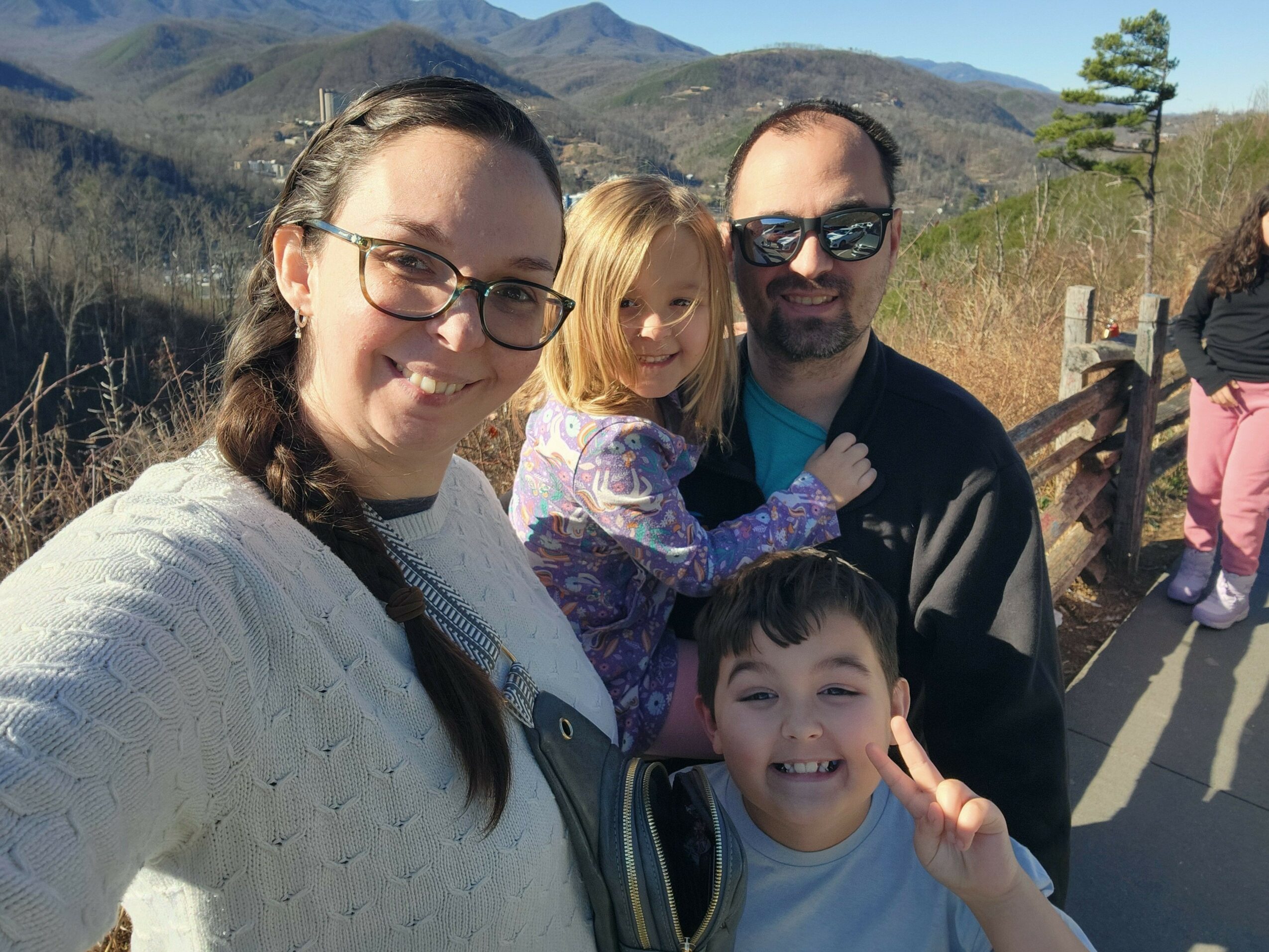
While I was holding space for everyone else’s emergencies, my own life was a massive balancing act. I was trying to meet rigid clinical requirements while starting a family of my own. Honestly, “work-life balance” felt like a myth back then. I was navigating the sleep-deprived fog of new parenthood while simultaneously absorbing the heavy trauma of my clients. But I kept pushing, one supervised hour at a time, until I finally became independently licensed in 2019. That seven-year marathon gave me the grit and the clinical “street smarts” I needed to eventually do things my own way. The COVID pandemic completely changed the foundation of how therapy was done and the job I had in non-profit wasn’t working. A client had connected me to a psychiatrist they respected, and I was lucky enough to start building a caseload at their group practice just before the pandemic started. I took the leap and shifted towards full-time private practice with the group while the pandemic was still challenging all of us to navigate a changed world. I eventually found a groove helping children and adults navigate a wide variety of issues as a generalist. I felt settled and enjoyed the variety. But then, the rug was pulled out from under us. The business owners abruptly notified the staff that we had 90 days to wrap up with our clients and find new jobs. It was a moment of pure survival—not just for my career, but for the continuity of care for my clients.
I had started MyTherapistShannon.com as a small side-gig in 2023 with a niche focus on trauma work when the office was closed on Fridays. With that 90-day countdown ticking, I had to choose: find another “boss” or bet on myself. I chose the latter. In a 60-day entrepreneurial sprint, I pivoted that small side-hustle into a full-time, insurance-based practice. The stars seemed to align—an office space in my building opened up, credentialing moved faster than anticipated, and I secured a second location to stay accessible to my Georgia clients. Because I had spent two years networking and building a foundation, I was able to transition the majority of my clients with zero gap in their care.
I have now successfully completed my first six months of full-time self-employment, and I’ve finally found my flow. This journey taught me to believe in myself not just as a clinician, but as an entrepreneur. I’ve been able to weave together every experience since high school—the grief, the crisis work, the parenting, and the academic curiosity—into a practice I truly love. Today, my work is focused on the delicate balance of connection and protection. I help people in all kinds of relationships find ways to be their truest selves while connecting with others in deeply satisfying ways. I’m no longer just a listener; I’m a partner in their healing.
We’ve been impressed with MyTherapistShannon.com, but for folks who might not be as familiar, what can you share with them about what you do and what sets you apart from others?
I believe our relationships impact our entire life, even our sense of self. You don’t have to continue feeling disconnected from yourself or burnt out in your relationships, whether it’s your spouse, your kids, or your friends and family. We can figure out together how to move relationships towards true connection without abandoning yourself.
Clients come to me when they need a therapist who feels like a real person who is by their side to figure it out. Therapy should be a place where you feel safe to be vulnerable, not judged for struggling or left lost in big feelings with no direction. You will leave feeling validated and clear on what you need and how to get it met in healthy, realistic ways. I help my clients find the balance between connection and protection, equipping them with the tools to be vulnerable, communicate safely, and understand both their own needs and the needs of others.
Many of today’s solutions for burnout and conflict are surface-level, leading so many to feel like therapy doesn’t change anything. I know that these circumstances didn’t develop overnight and won’t be solved by handouts on “challenging your thoughts” or “deep breathing” alone.
First, we will explore the present-day symptoms (like conflict, depression, anxiety, anger) AND the root causes (like negative core beliefs from past experiences, trauma stuck in your nervous system, skills you were never taught) that are causing the overwhelm and disconnection in your relationships. Then, we will collaborate on a plan, pulling together the tools that will be most effective for you. Together, we will get you unstuck by strengthening the supports, reprogramming the weaknesses, transforming traumatic stories into resilient ones.
Contact Info:
- Website: https://www.mytherapistshannon.com