



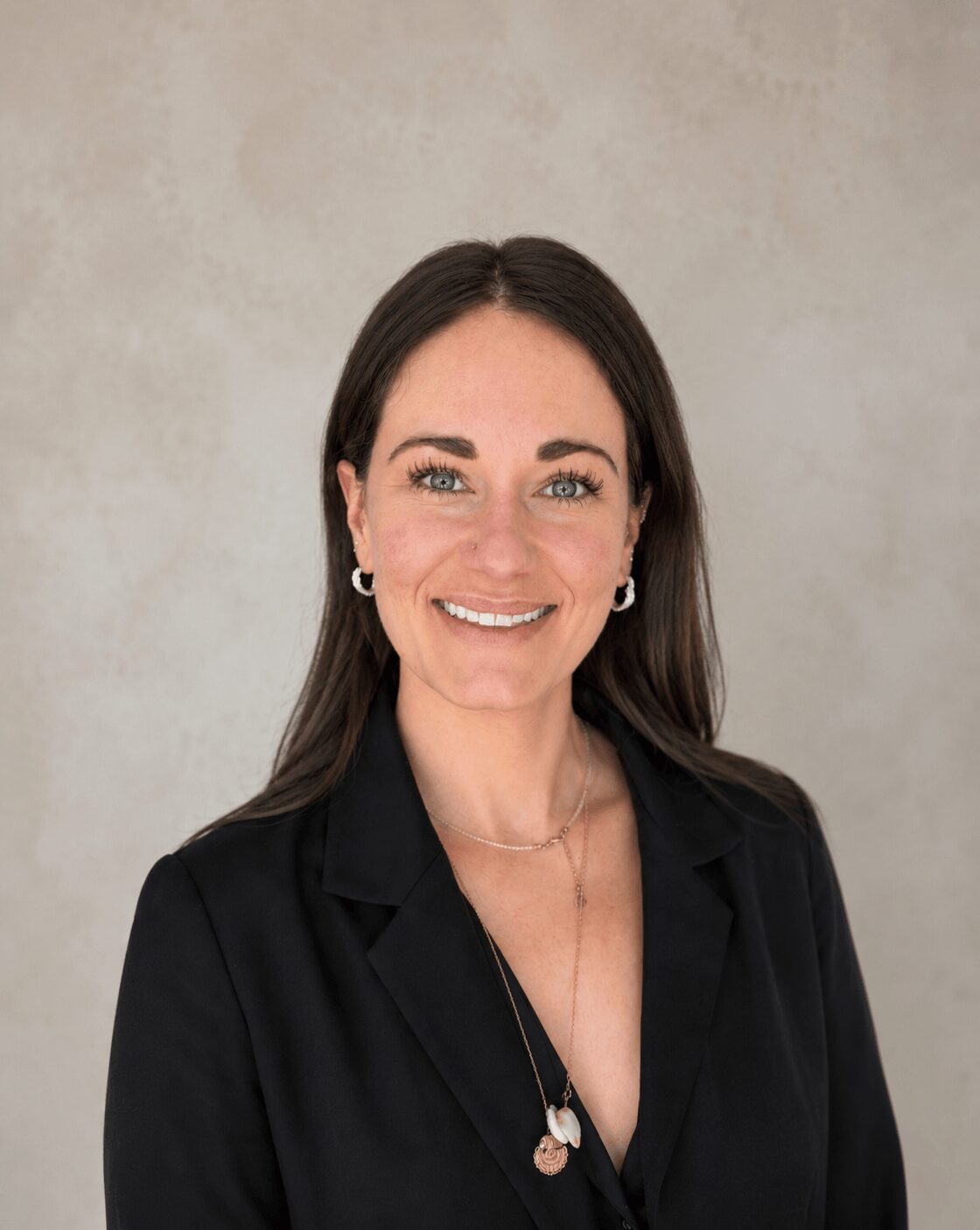
Today we’d like to introduce you to Marie-Chloé Duval.
Hi Marie-Chloé, it’s an honor to have you on the platform. Thanks for taking the time to share your story with us – to start maybe you can share some of your backstory with our readers?
I didn’t take a traditional path into the arts. I began my career in academia, completing a master’s degree in criminology with the intention of pursuing a PhD. My research focused on populism, media, social structures, and the invisible forces that shape human behavior—questions that continue to drive my work today in my art practice. In 2016, after exhibiting my first paintings, I realized I could explore those same ideas through a more universal language: art.
Since then, I’ve dedicated myself full-time to my practice, moving from Montreal to New York City in 2020 and then deciding to pursue an MFA at the New York Studio School. My work has evolved from expressive figurative painting into immersive worlds where architecture, landscape, and the human figure merge to reveal the hidden systems that organize our relationships and perception of reality. Along the way, I’ve remained deeply involved in the arts community through teaching, curating, volunteering, and collaborating, always believing that art is as much about creating connection as it is about creating objects. Today, my practice continues to expand across painting, sculpture, and installation, driven by a curiosity about the invisible architecture of human ties.
Can you talk to us a bit about the challenges and lessons you’ve learned along the way. Looking back would you say it’s been easy or smooth in retrospect?
No, I don’t think any journey is ever entirely smooth. Mine has been anything but linear.
As you can imagine, going from training as a criminologist to becoming a full-time painter came with its share of challenges. But I don’t really see those moments as struggles or a difficult road. They’ve simply been part of my life and have shaped who I am. They required me to learn, adapt, and grow, and I’m grateful for that.
The shift happened gradually in my mind through a series of small choices, and then all at once. I started painting during a gap year before beginning my master’s degree, almost as an experiment. What began as an intuitive practice quickly became something I couldn’t ignore. In 2016, after my first exhibitions, I made the decision to leave academia and fully commit to painting.
That transition came with its share of uncertainty. Moving from a structured academic path into the art world meant rebuilding everything from scratch—no clear roadmap, financial instability at times, and the challenge of being self-directed without institutional security. There was also the internal struggle of legitimacy: learning to trust that this shift wasn’t a detour but a real practice in its own right.
After 6 years i my practice, relocating to New York later on added another layer. Adjusting to a new city, building a network from nothing, and pursuing an MFA while simultaneously trying to establish a studio practice required a lot of persistence and discipline.
But those challenges, and so mannny more, also shaped my life and therefore my work. The same questions that once lived in my academic writing—about systems, identity, and human traces—now operate through painting, sculpture, and installation. The road hasn’t been smooth, but it has been consistent in one way: it always circles back to the same core curiosity.
Alright, so let’s switch gears a bit and talk business. What should we know about your work?
My practice sits at the intersection of painting with oil but also researching thanks to drawing, and sculpture, and revolves around how we experience one another through both visible and invisible structures. I’m interested in the “architecture” of human connection—the systems, gestures, and social patterns that shape how we move, relate, and perceive reality, often without noticing them.
Visually, my work often merges figuration with abstraction. Organic, almost bodily forms appear within constructed, architectural or landscape-like spaces, where figures, traces, and environments begin to dissolve into one another. I think of these works as constructed worlds—spaces where human presence is not isolated, but embedded within social and spatial systems. There is a constant tension between structure and fragility, movement and stillness, visibility and disappearance.
I’m particularly known for building layered pictorial environments where emotional, social, and architectural elements coexist rather than being separated. Across my “Bouquet of People” and “Architecture of Human Ties” series, I explore how identity is shaped not in isolation, but through networks of relationships, memory, and collective behavior. More recently, I’ve also been translating this language into sculptural and 3D work, pushing those ideas into physical space and material fragility.
What I’m most proud of is the consistency of this inquiry over time—how the work has remained deeply rooted in a question rather than a fixed style. Even as the mediums shift, the core investigation stays the same: how do we see each other, and what invisible structures shape that act of seeing?
What sets my practice apart is this hybrid lens—coming from a background in criminology and social research, I approach painting almost like a form of field observation. The studio becomes a space to translate social behavior into visual systems, where intuition and analysis coexist rather than oppose each other.
What matters most to you? Why?
What matters most to me is building a life I genuinely feel aligned with—one where I can be present, curious, and proud of how I move through the world. Happiness, for me, isn’t a fixed state but something that comes from being engaged in what I’m creating and from feeling connected to my life, my work, and the people around me.
A big part of that is making work that opens up space for dialogue—about how we live together, how we see one another, and the invisible systems that shape our daily interactions. I’ve always been drawn to questions around human behavior and social structures, and art became the way I could translate those ideas into something shared and accessible, rather than purely theoretical.
I also care deeply about impact, but not in a performative sense. It’s more about creating moments of recognition or reflection—where someone feels seen, or starts to notice something differently in their own environment or relationships. That kind of quiet shift matters to me.
Ultimately, I want my practice and my life to stay connected: to keep evolving, to stay honest, and to contribute something that encourages more awareness, empathy, and openness in how we relate to each other.
Pricing:
- For any inquiry for work, please send me an email via info@mcduval.com or visit my website via www.mcduval.com
Contact Info:
- Website: https://www.mcduval.com/
- Instagram: https://www.instagram.com/duval.art/
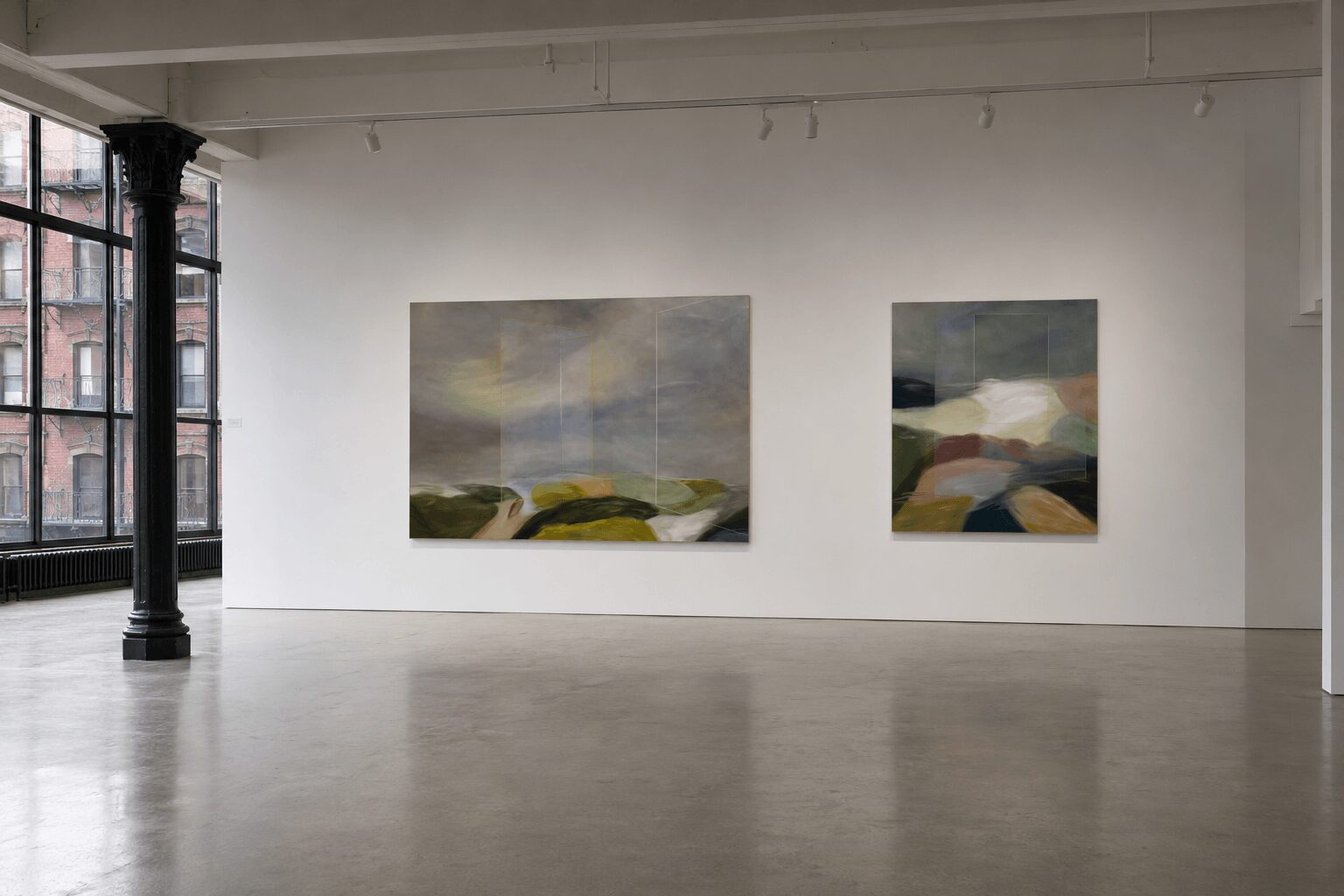
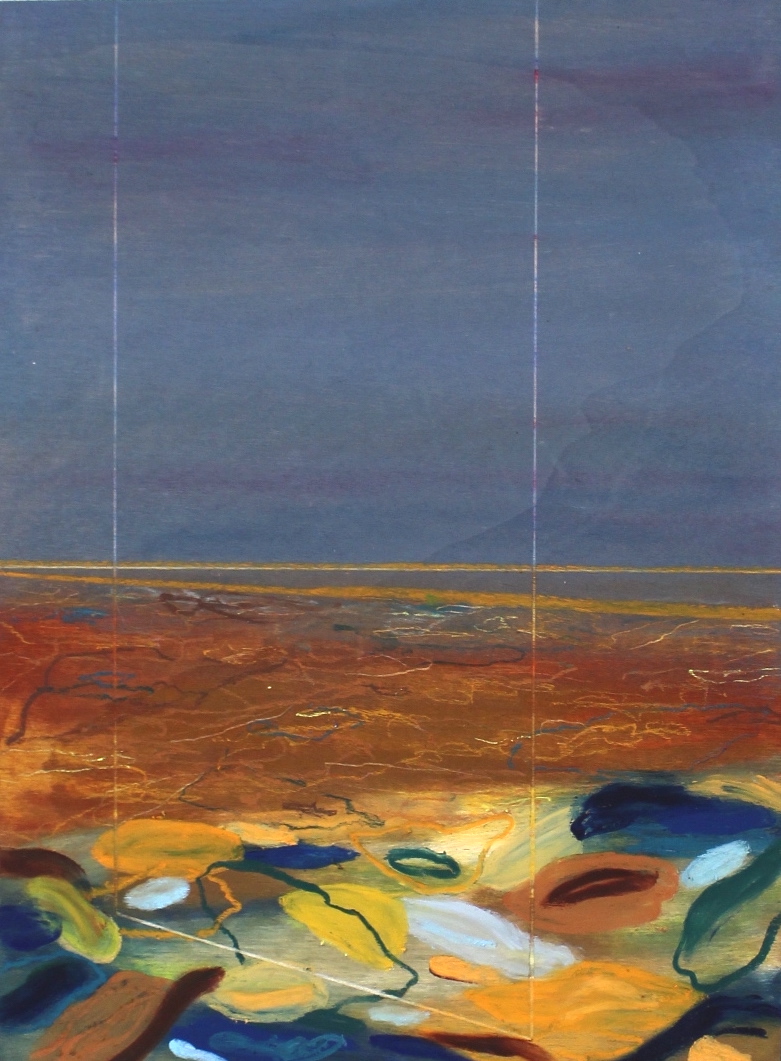
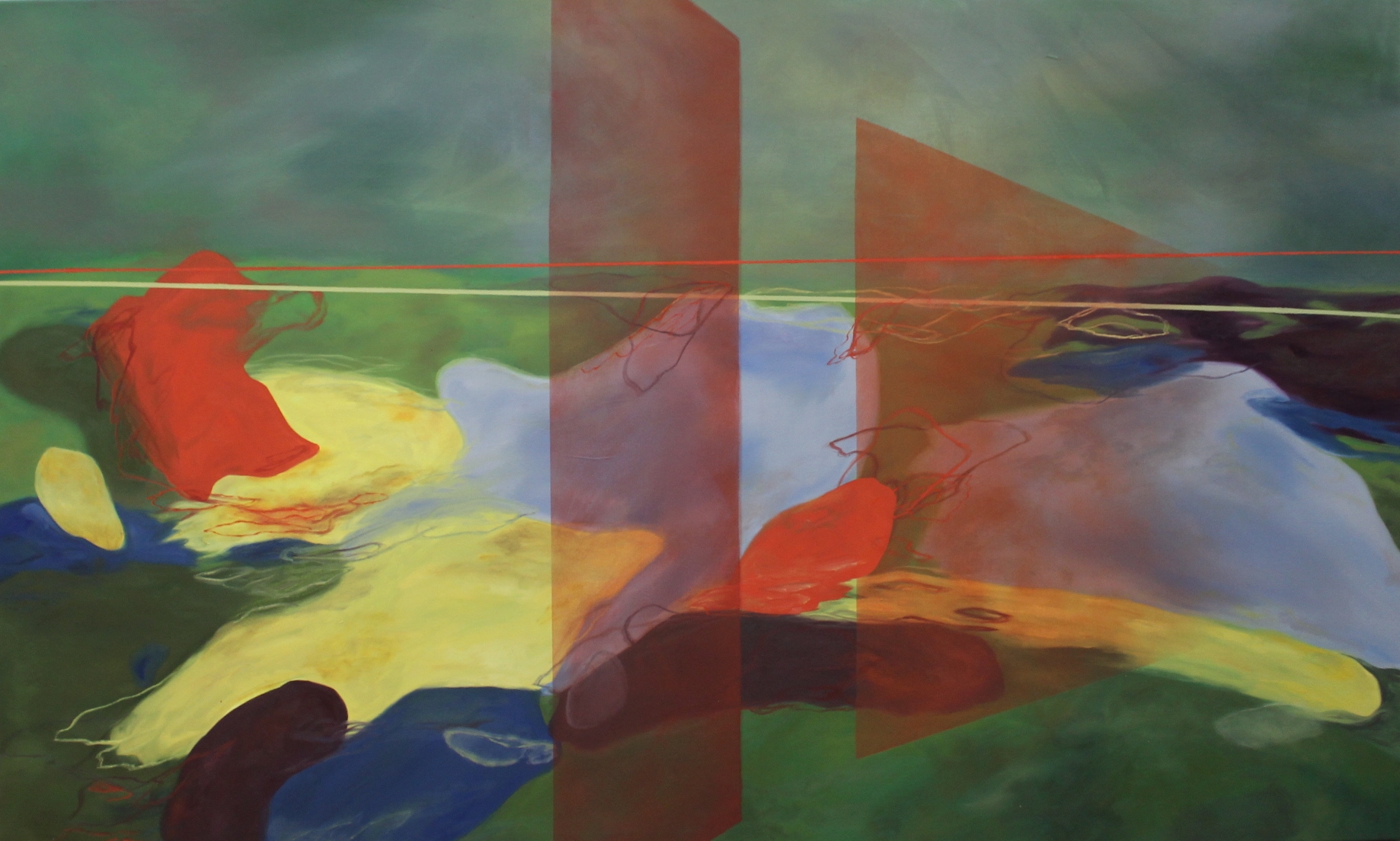
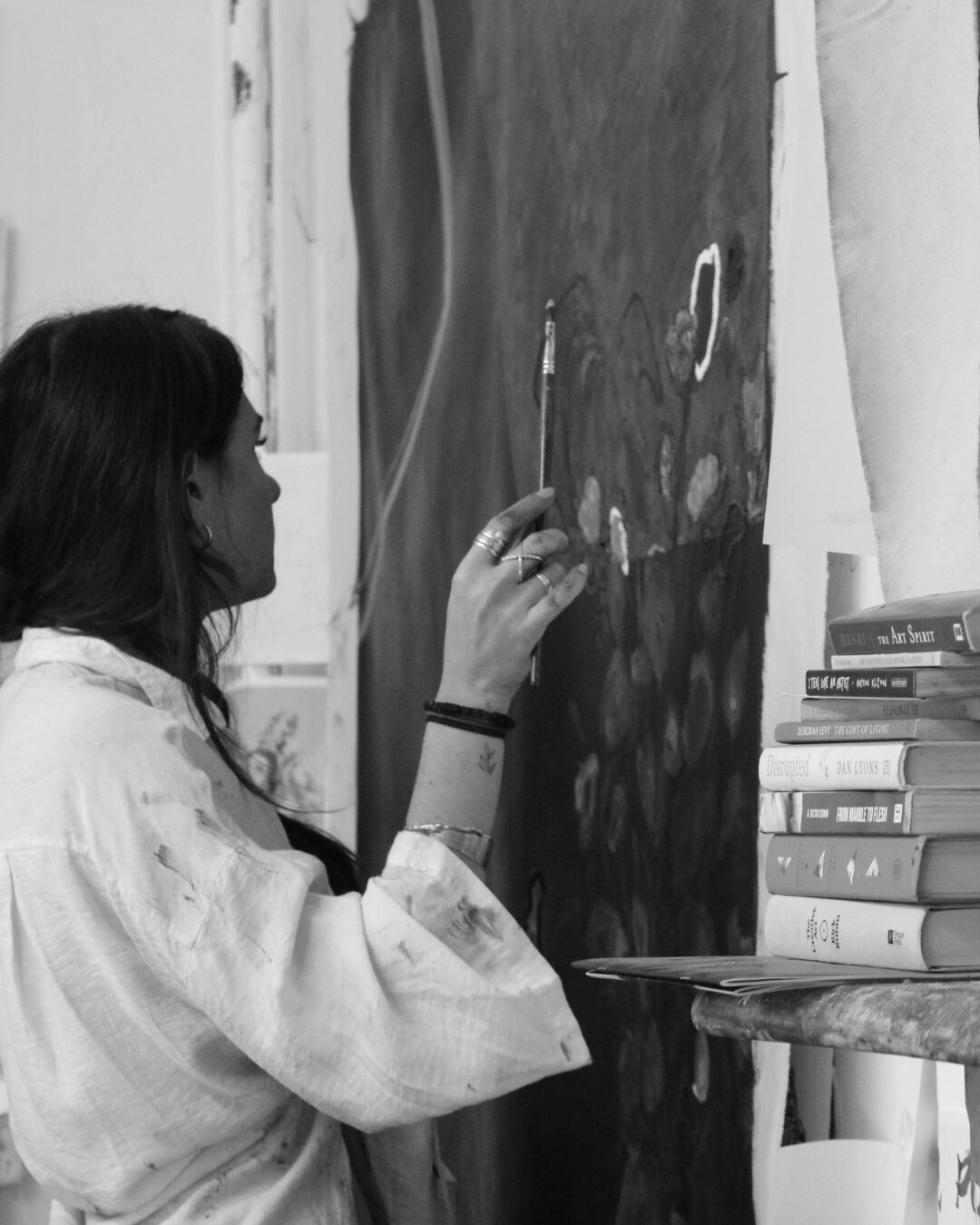
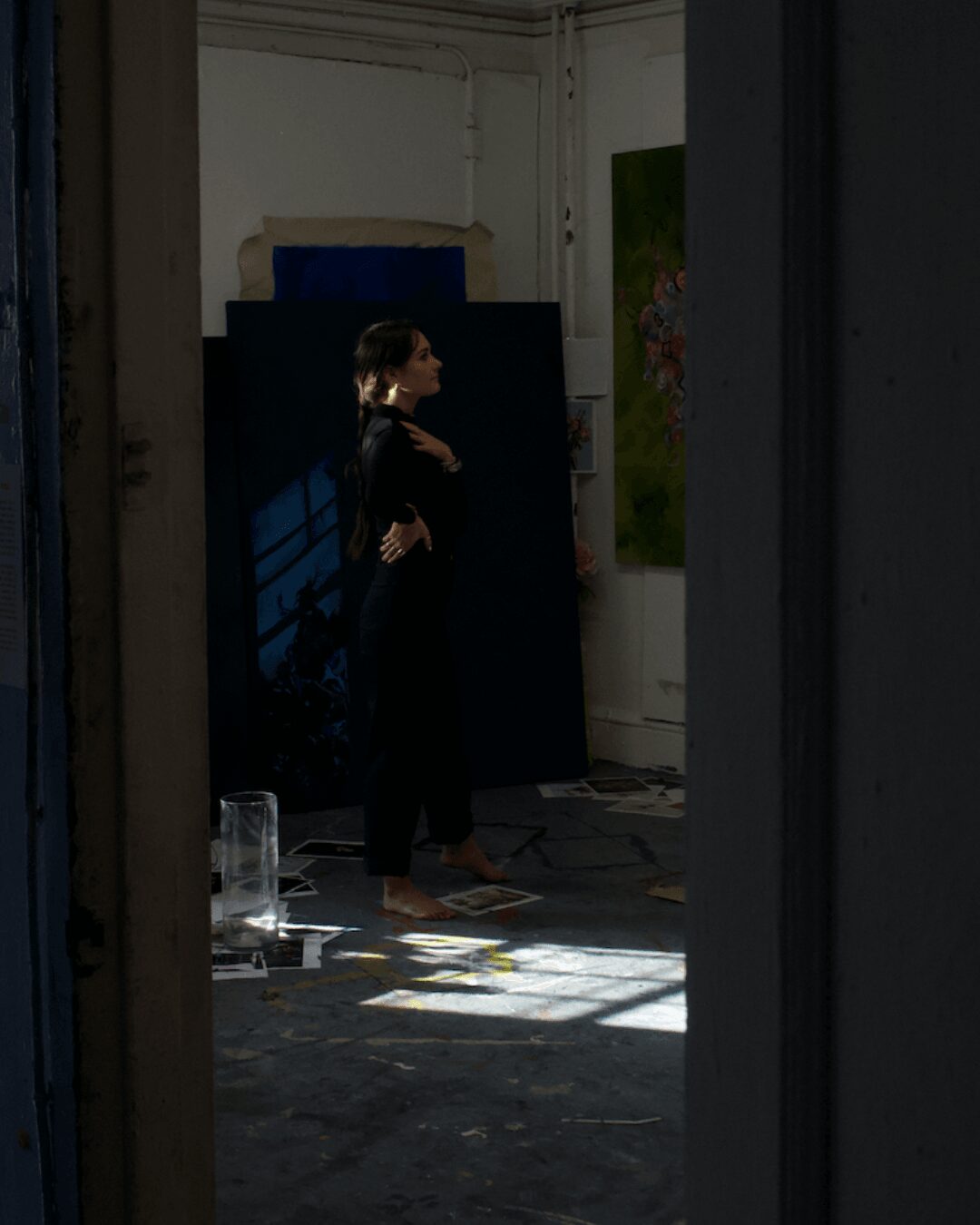
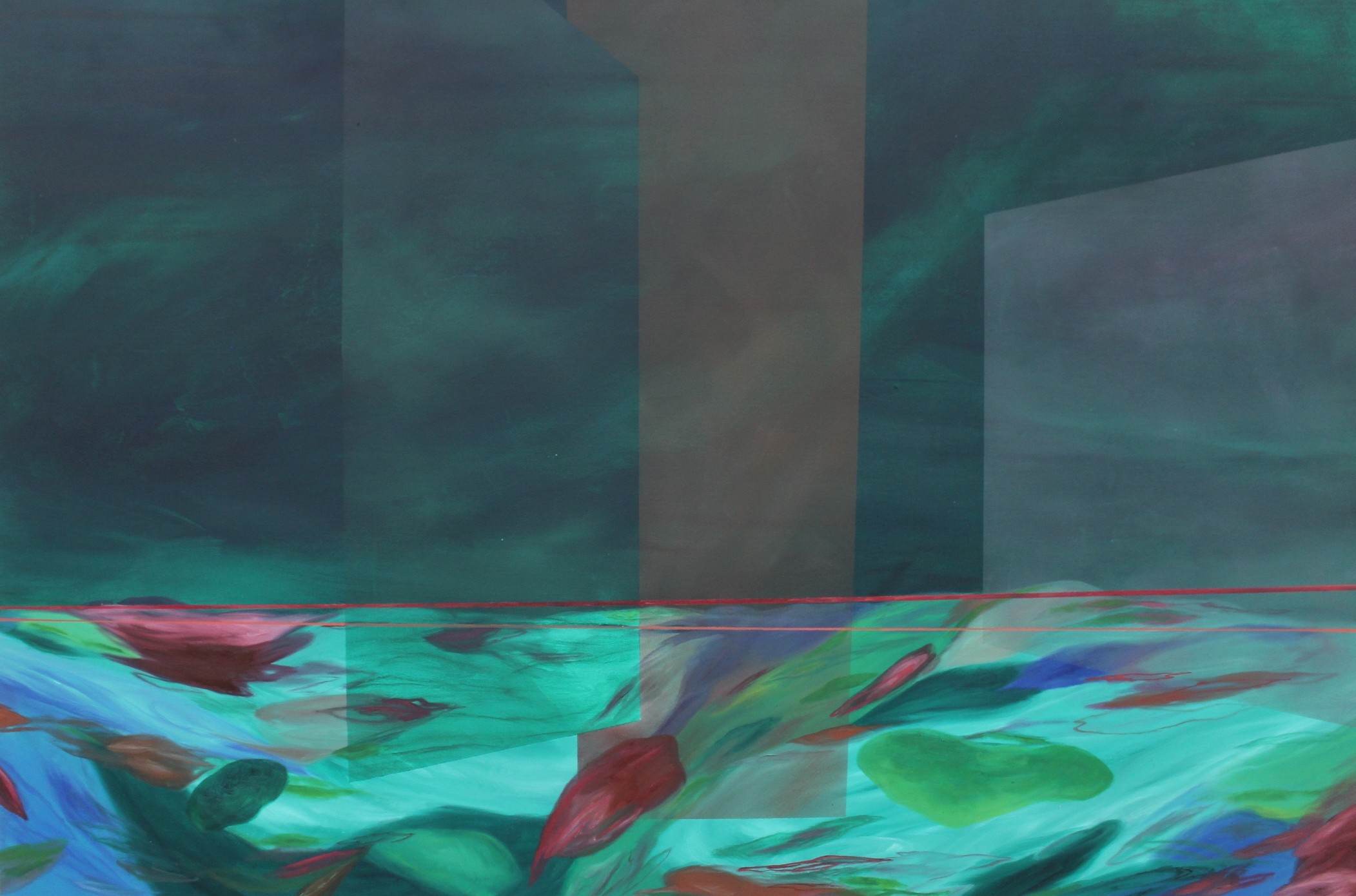
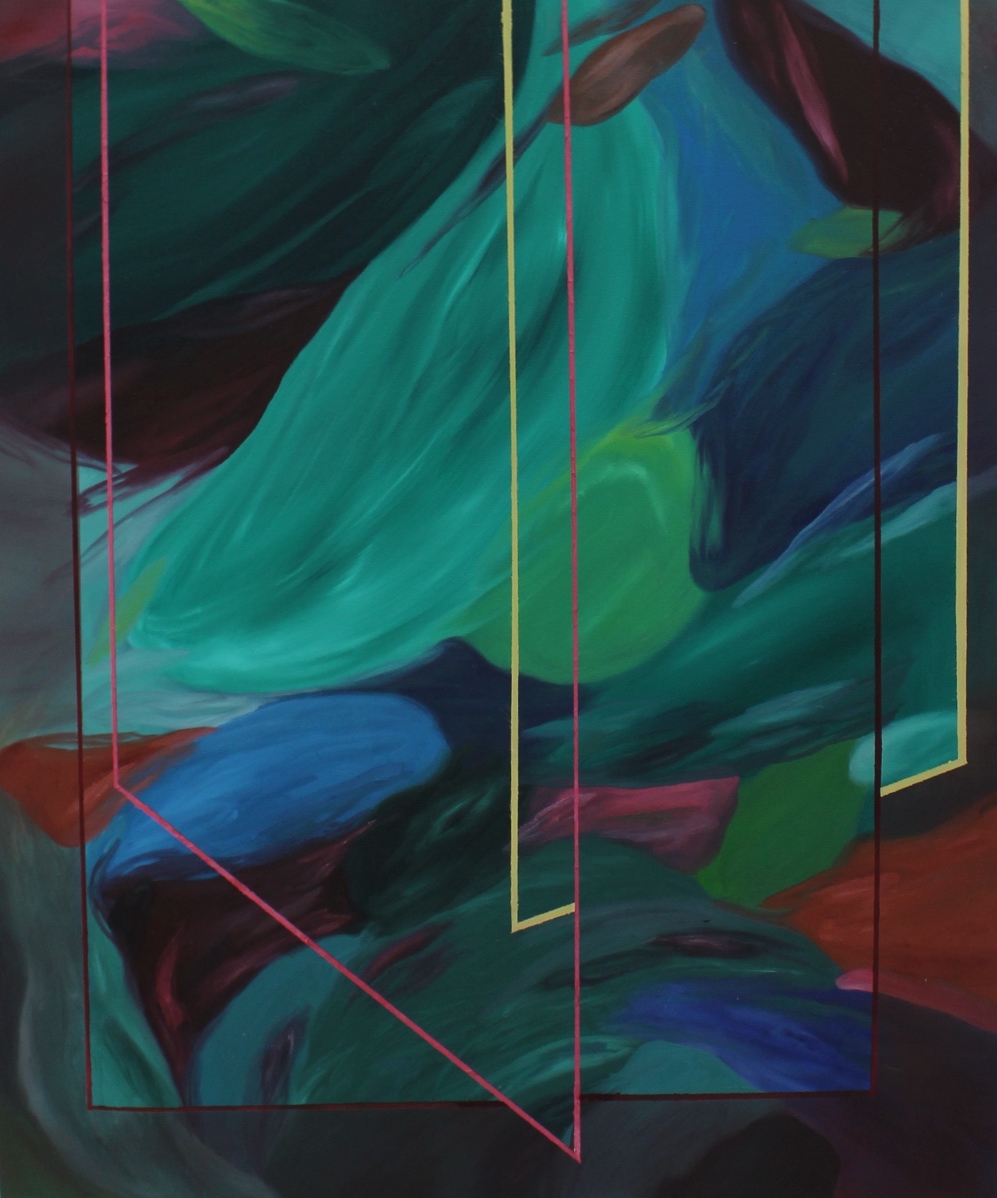
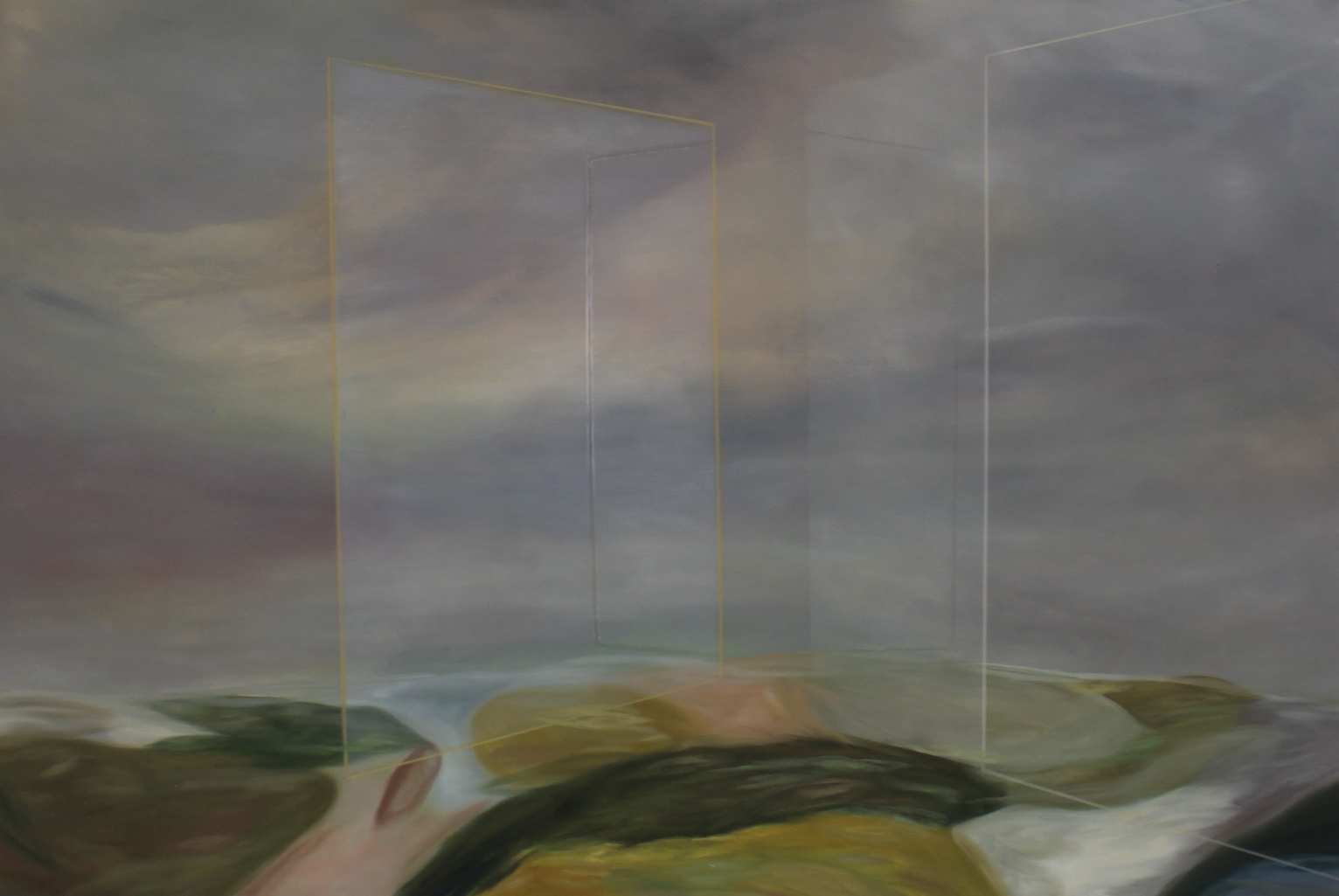
Image Credits
Keith Shelby and Catherine Bickford