





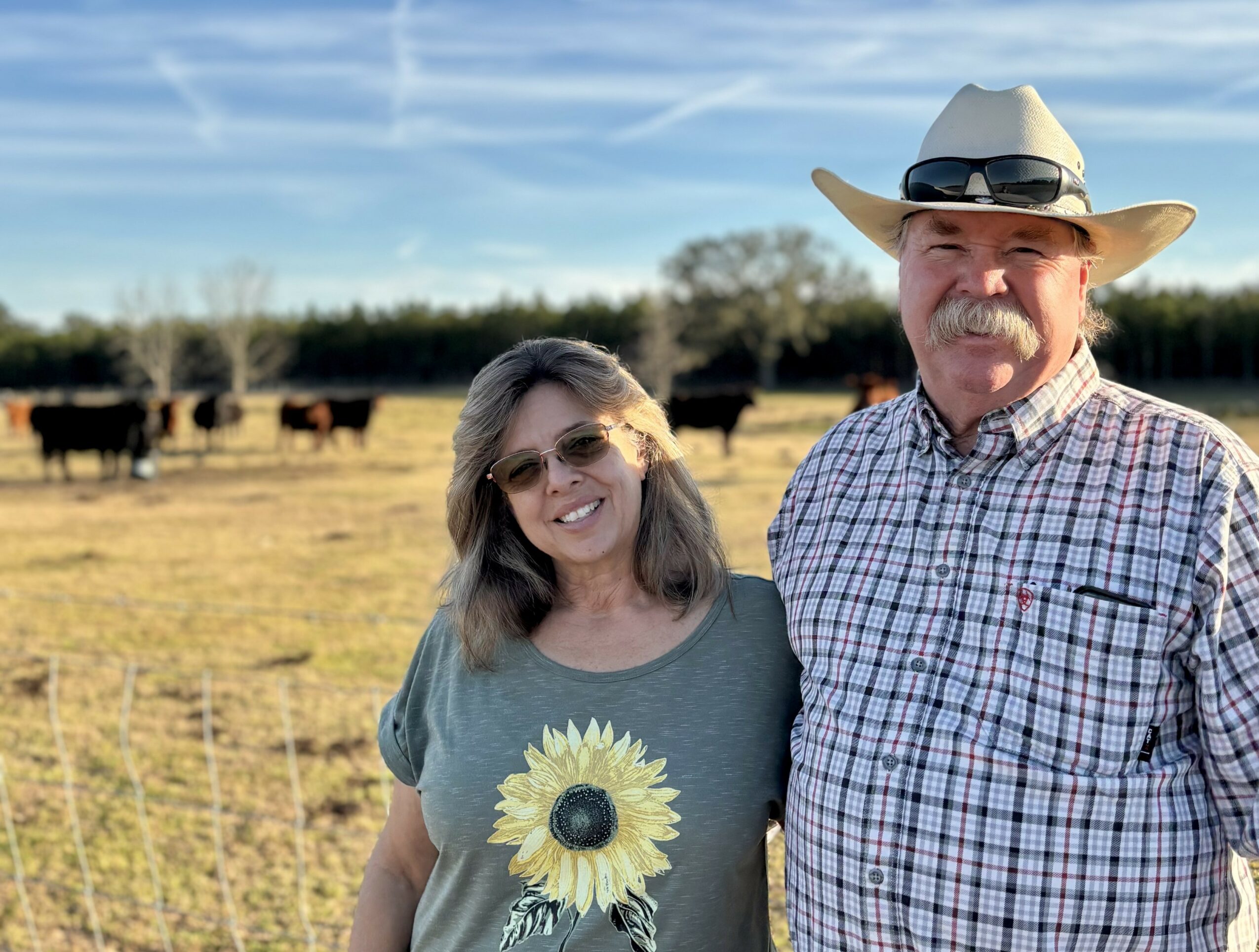
Today we’d like to introduce you to Janet Sampson.
Hi Janet, thanks for joining us today. We’d love for you to start by introducing yourself.
Jeff and I began our farming journey in 1988, when we were married and started our first small herd of cattle in Davie, Florida. Jeff had learned from experienced cattlemen as a teenager, which gave us a strong foundation as we built our operation together.
In 2000, we moved our family to Live Oak, Florida in search of more land and a small-town lifestyle where our children, Jessica and Jared, could grow up truly involved in agriculture. They both became active in 4-H and FFA, showing cattle and learning responsibility by raising and investing in their own animals.
Like many ranchers, we started out raising calves for conventional markets. Over time, though, we felt there had to be a better way—one that allowed us to share the care we put into our livestock directly with families who wanted to know where their food came from and how it was raised. Starting small, we began selling our processed beef to customers who were looking for the same quality and purity in the food they fed their own families.
In 2015, Sampson Family Farm became the first farm in Florida to be Certified Grassfed by A Greener World (AGW) for beef, and in 2017, the first in the state to receive the same certification for sheep. When our daughter Jessica returned home after studying Animal Science at the University of Georgia, she became a vital part of herd management and helped guide us further into sustainable, grass-based practices.
Today, our focus is on pasture-based management through rotational grazing, which improves the health of both our animals and our land while reducing the need for commercial chemicals. This approach allows us to control what our cattle and sheep eat year-round and provide high-quality beef and lamb to our customers.
Now a three-generation family farm, Jessica works full-time on the farm as herd manager, using both her education and life experience to keep the operation moving in the right direction. Her children are exceptional helpers and play a big role in the farm’s daily success. We harvest approximately 80–90 steers and 30 lambs each year, and for more than a decade we have connected with customers through bulk shares and the Alachua County Farmers Market. Jared’s wife, Taylor, has also stepped in to manage our social media, helping us reach new customers and grow our online store activity.
Looking ahead, our hope is to add shipping across Florida, add natural farm products such as tallow balms and soaps made by our son Jared and his wife, Taylor, and one day open a small on-farm store—while continuing to grow with the same values of family, stewardship, and transparency that started it all.
Can you talk to us a bit about the challenges and lessons you’ve learned along the way. Looking back would you say it’s been easy or smooth in retrospect?
So many ups and downs come with ranching and raising livestock. As a small family farm, it’s difficult to make a living from ranching alone, so Jeff and I have always worked town jobs and ranched when we got home. Many times, our personal income has helped cover farm expenses. It’s nearly impossible to separate home and work — they become completely intertwined.
With the rising cost of fuel, fencing, equipment, and processing, it has become a constant challenge to keep our prices affordable for customers while still making enough to keep the ranch running. It’s a fine line between being fair and staying sustainable.
The past three years have brought especially difficult challenges. In 2023 and 2024, two major hurricanes passed through Live Oak, destroying barns, fencing, trees, and pastures, adding both physical labor and financial strain. In 2025, our area experienced a four-month drought that left grazing pastures dry and hay fields unproductive. It’s hard to be a grass farmer when the grass won’t grow.
Ranching is never a smooth road. It’s a lifestyle that sometimes makes me wonder why anyone would choose it. Then I step outside in the morning, see the cattle grazing as the sun comes up, and feel the peace this journey brings — and I remember exactly why we do it.
Appreciate you sharing that. What should we know about Sampson Family Farm?
Sampson Family Farm is a three-generation, family-owned and operated farm in North Florida, raising Angus beef and Katahdin sheep using pasture-based, sustainable practices. We specialize in producing high-quality, grass-fed and grass-finished beef and lamb for families who want to know exactly where their food comes from and how it was raised.
We provide pasture-raised beef and lamb to customers across Florida and Georgia, offering bulk shares as well as individual cuts through our farm store and local farmers markets. All of our animals are raised entirely on grass and forage, with no added hormones, no mRNA vaccines, and no routine chemicals. Our goal is to raise livestock the way nature intended while producing a healthy, wholesome product for our customers.
We are proud to be certified by A Greener World (AGW) for both grass-fed and humane animal treatment, and by the American Grassfed Association for being grass-fed and pasture-raised. These third-party certifications ensure that our farming practices meet strict standards for animal welfare, environmental stewardship, and transparency.
What truly sets us apart is that every steer and lamb we sell is born and raised right here on our farm. We are the sole caretakers of our animals from birth to harvest, making us a true “pasture to plate” operation. This allows us to maintain complete control over how our animals are raised and what goes into them, and it gives our customers confidence in the quality and integrity of the food they bring to their tables.
Brand-wise, we are most proud of the trust we’ve built with our customers over the years. Our farm isn’t just about producing meat — it’s about building relationships, caring for our land and livestock, and offering families a product they can feel good about feeding their loved ones. We want readers to know that when they choose Sampson Family Farm, they are supporting a local family, sustainable agriculture, and a commitment to doing things the right way, even when it isn’t the easiest way.
Can you talk to us about how you think about risk?
Risk-taking has been a part of our story, even when we didn’t fully realize it at the time. One of the biggest risks we took was around 2000, when we decided to move away from conventional ranching and begin transitioning to a more sustainable and regenerative farming program. It meant stepping far outside of what we had always known and what most people around us were doing.
At that time, raising livestock as grass-fed and grass-finished animals was not widely accepted or understood. There were very few models to follow, and we had to learn through trial and error. We invested time, money, and years of effort into changing our grazing practices, improving our pastures, and finding processing and marketing options that aligned with our values — all without knowing for sure if customers would be willing to support it.
Many people believed we were simply trying to fit into a small niche market. But Jeff and I felt strongly that it was the right path, not just for our farm, but for the families we hoped to serve. We wanted to provide a healthier product and be more transparent about how food was raised. That belief gave us the confidence to keep going even when the results were slow and the risks felt heavy.
For us, risk has never been about chasing trends or taking shortcuts. It has been about making thoughtful decisions that match our values, even when the outcome is uncertain. We’ve learned that real progress often requires patience and faith — faith in our land, in our animals, and in the people who believe in what we’re doing. Looking back, that decision shaped everything our farm has become today, and it taught us that meaningful growth usually comes from the hardest choices.
Contact Info:
- Website: http://sampsonfamilyfarm.com/
- Instagram: https://www.instagram.com/sampsonfamilyfarm/
- Facebook: https://www.facebook.com/sampsonfamilyfarm
- Other: https://sampson-family-farm.localline.ca/100-grass-fed-and-finished-beef-and-lamb
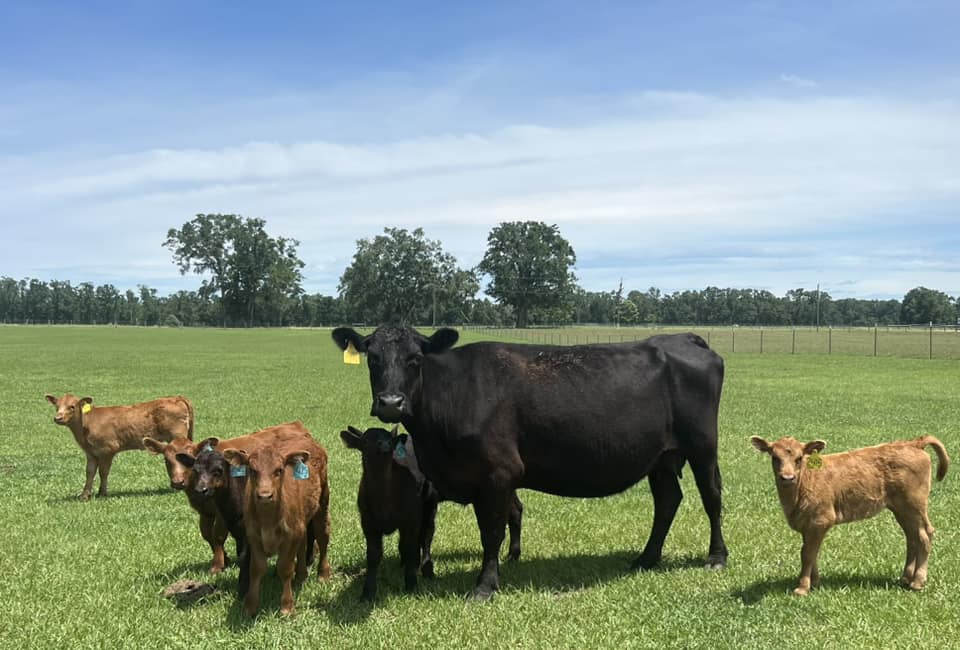
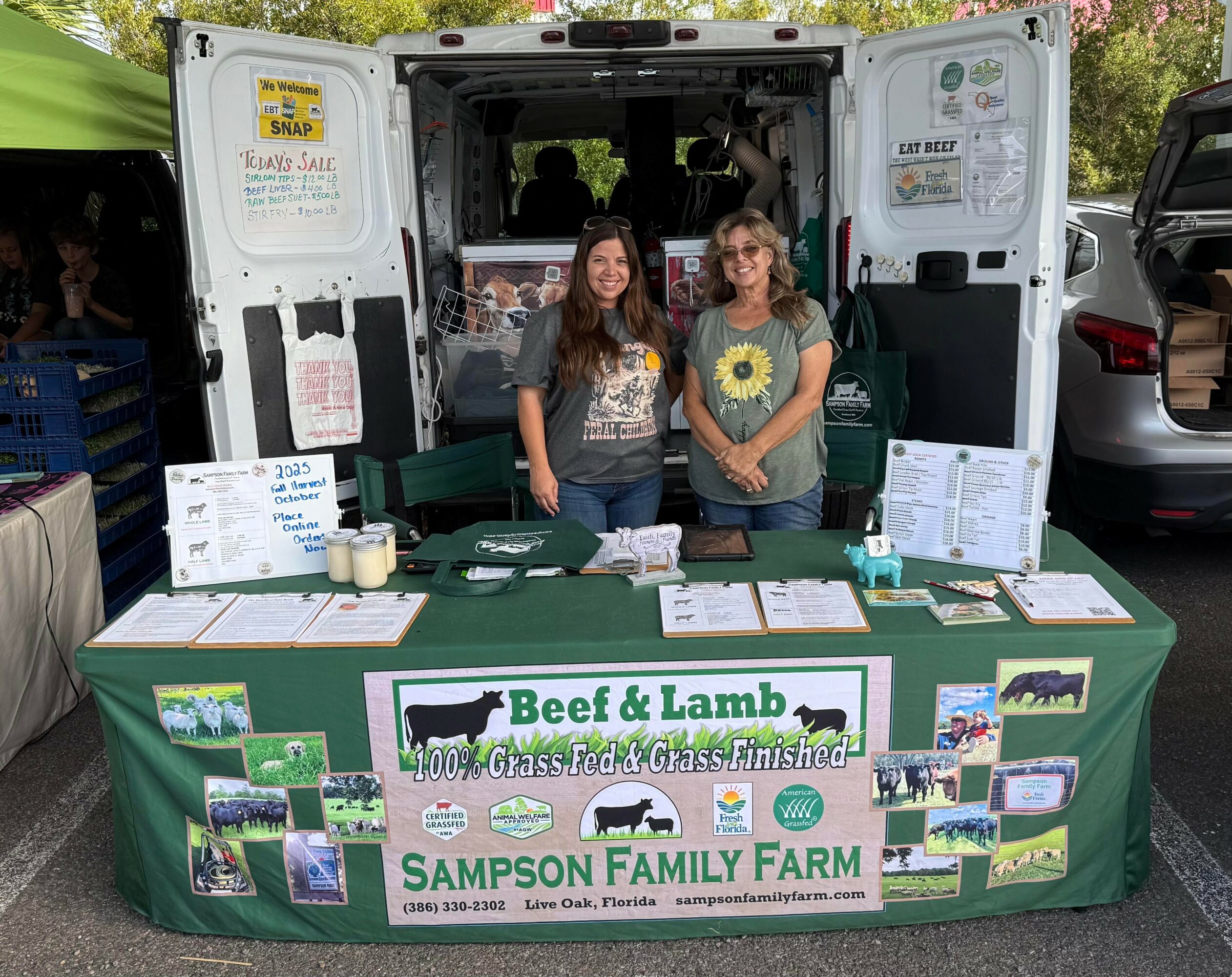
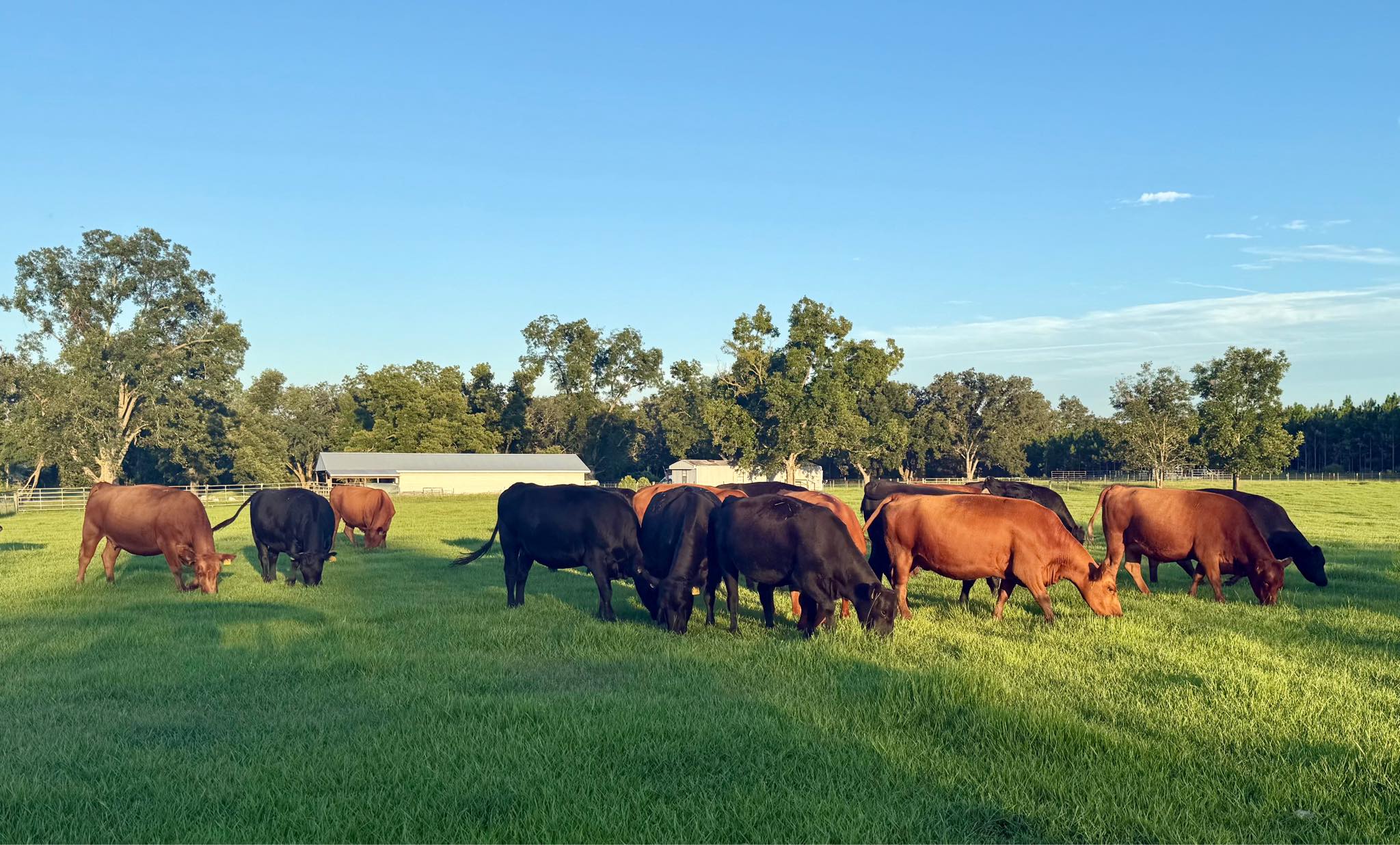
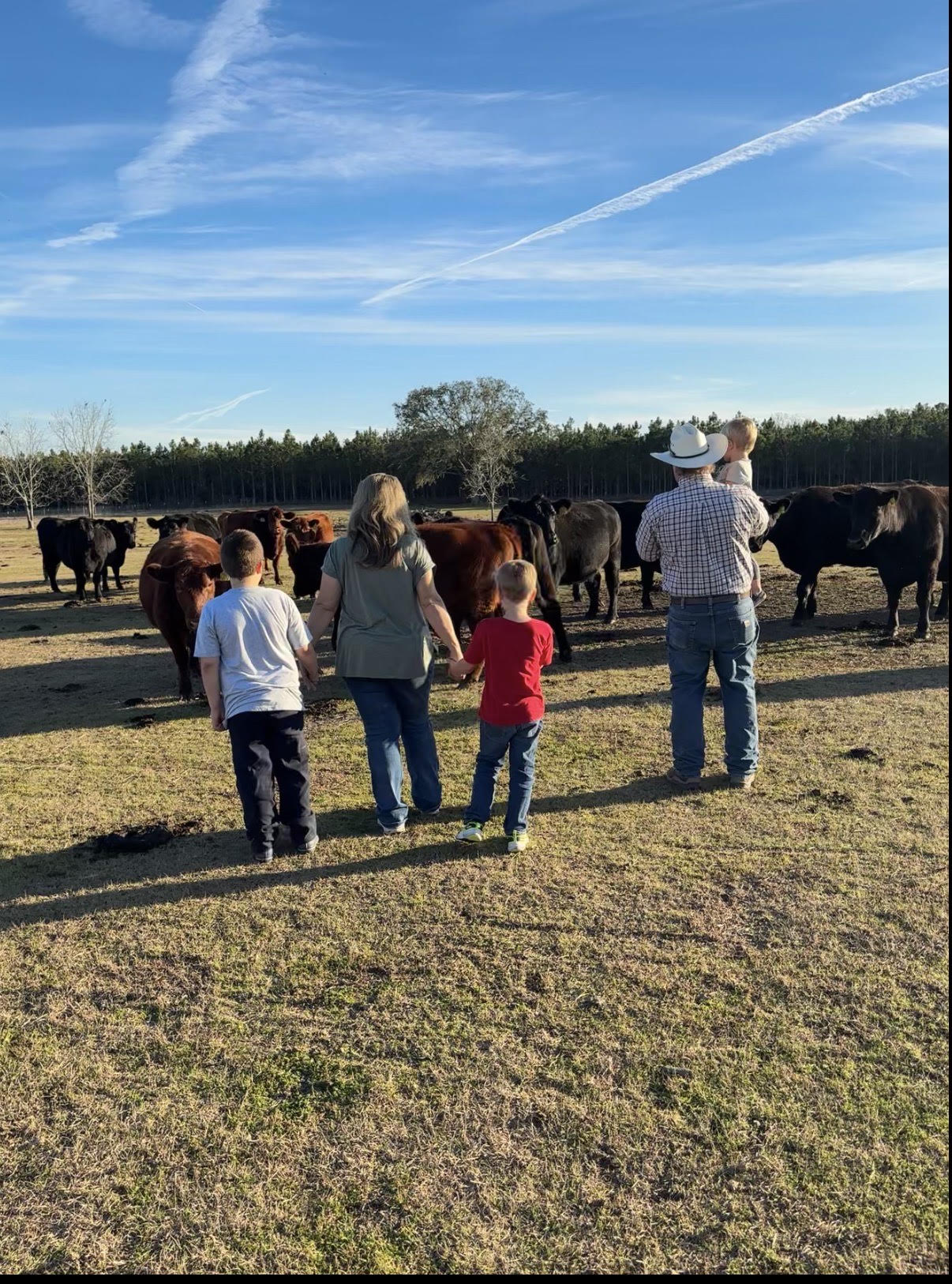
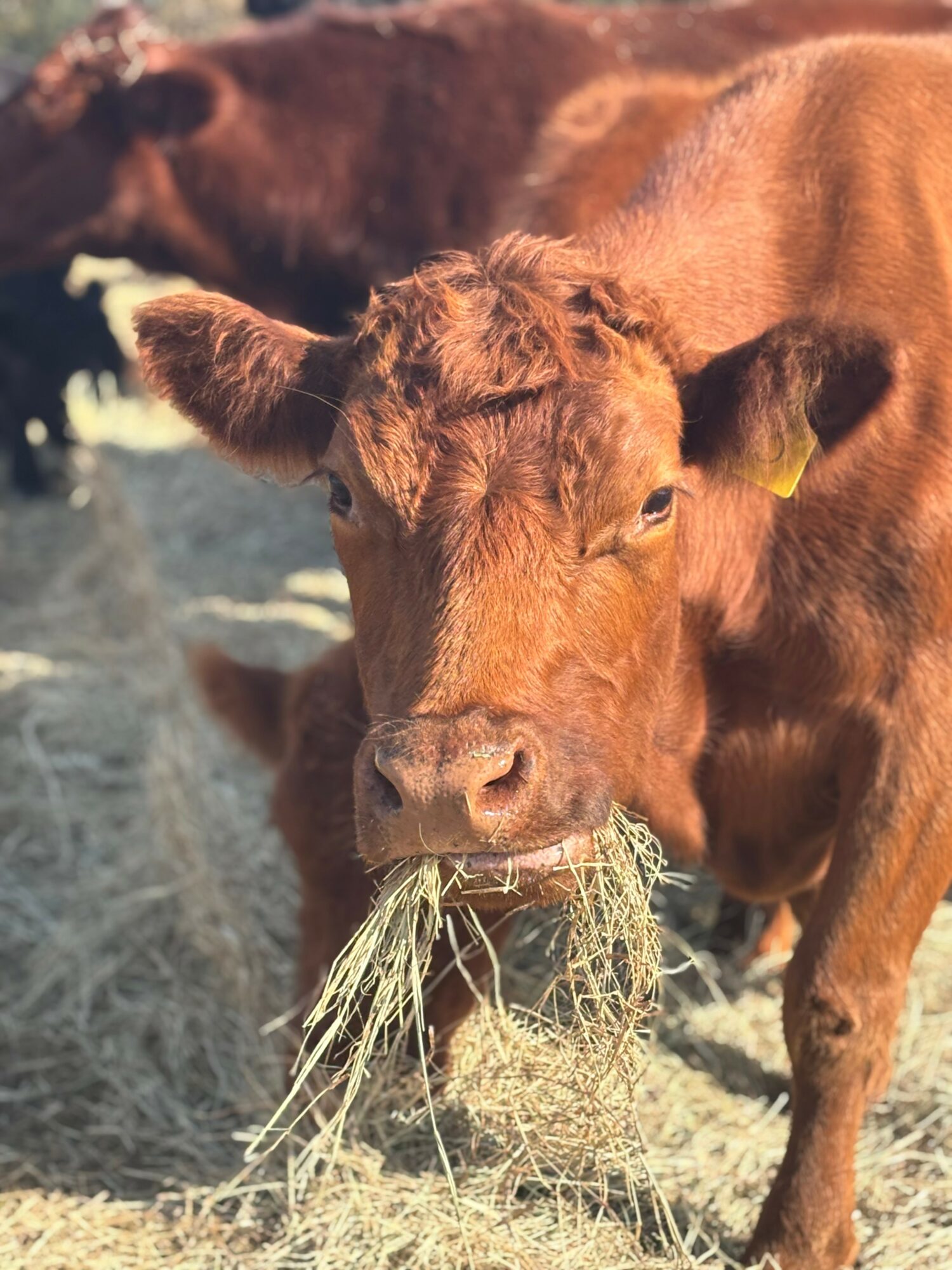
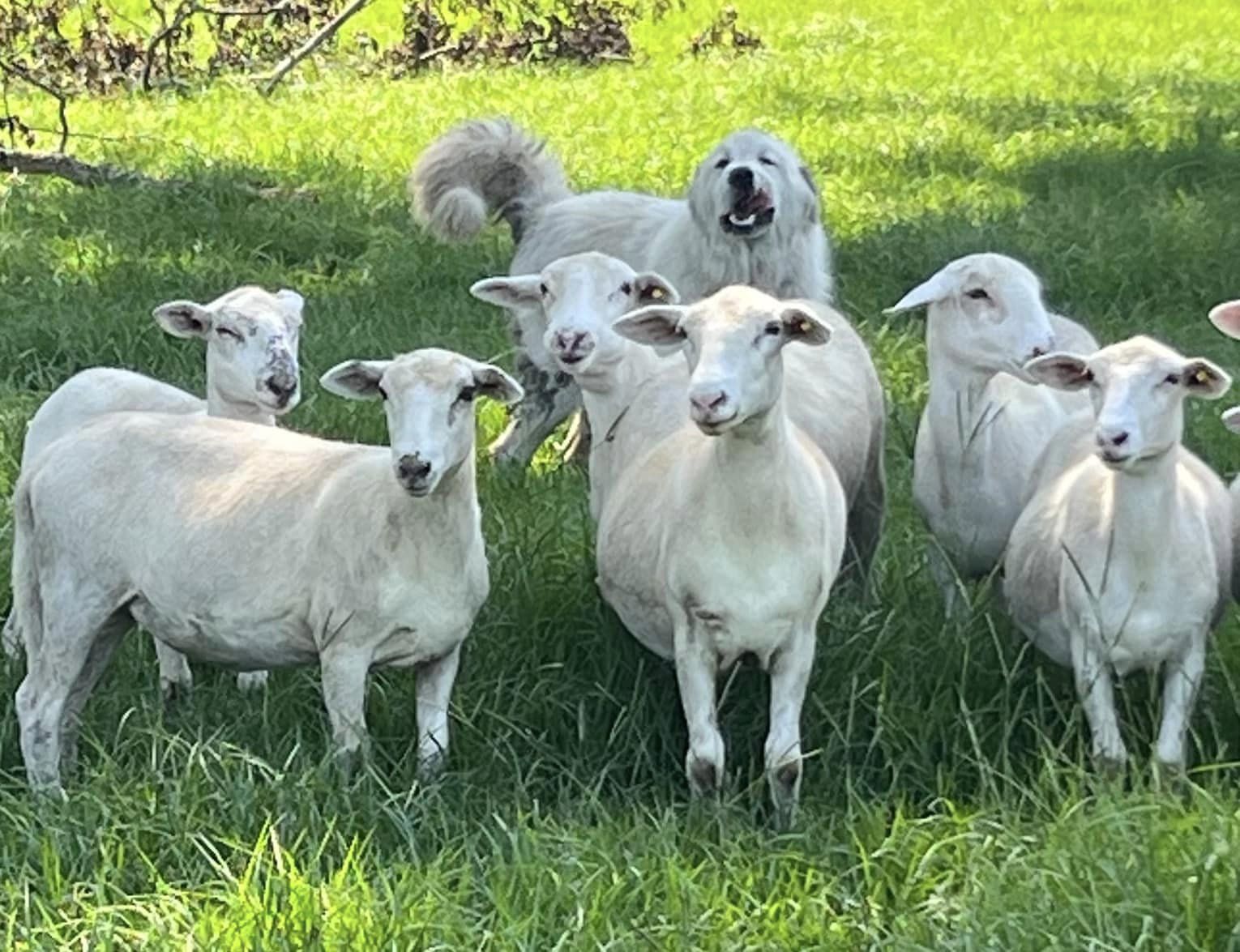
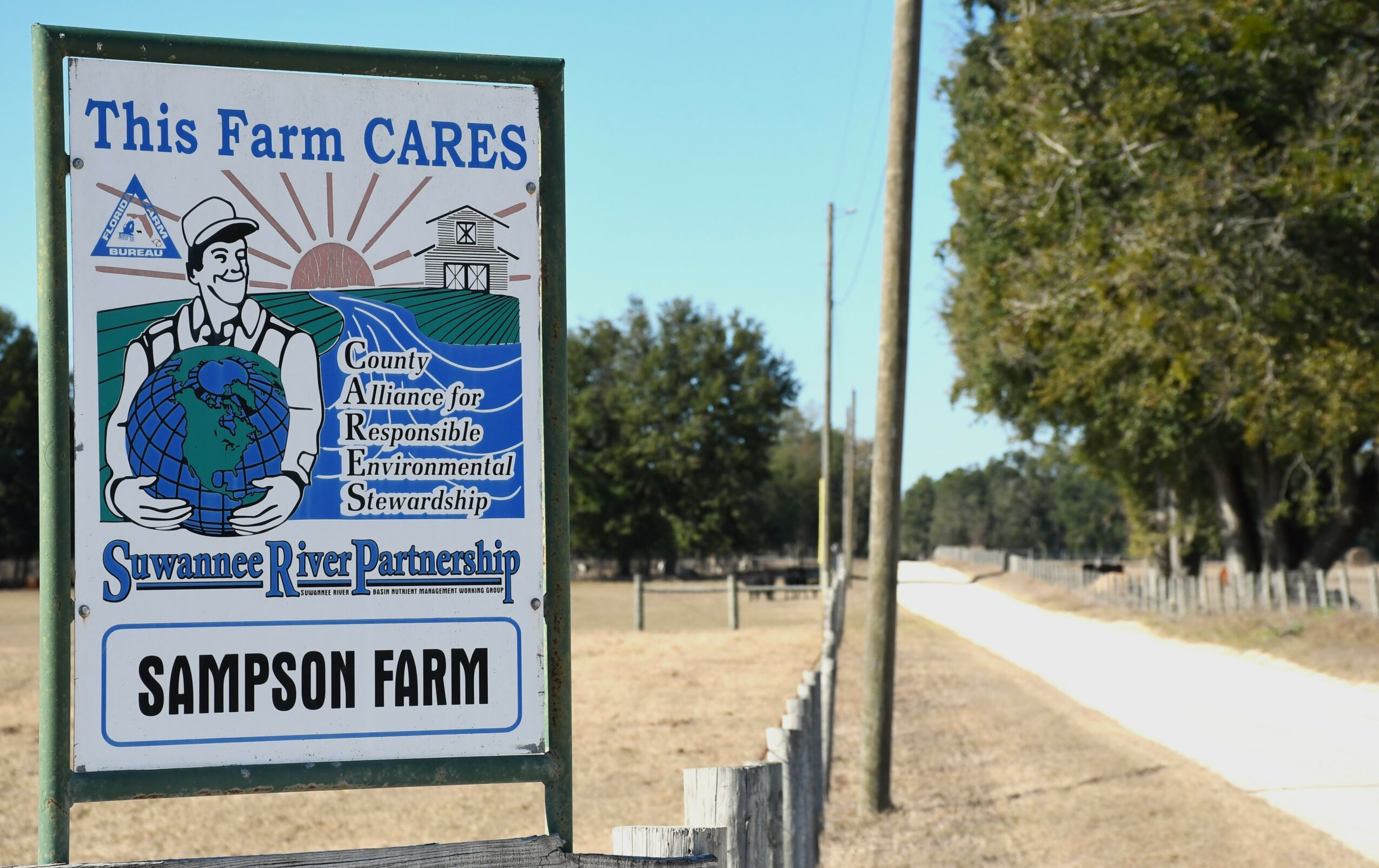
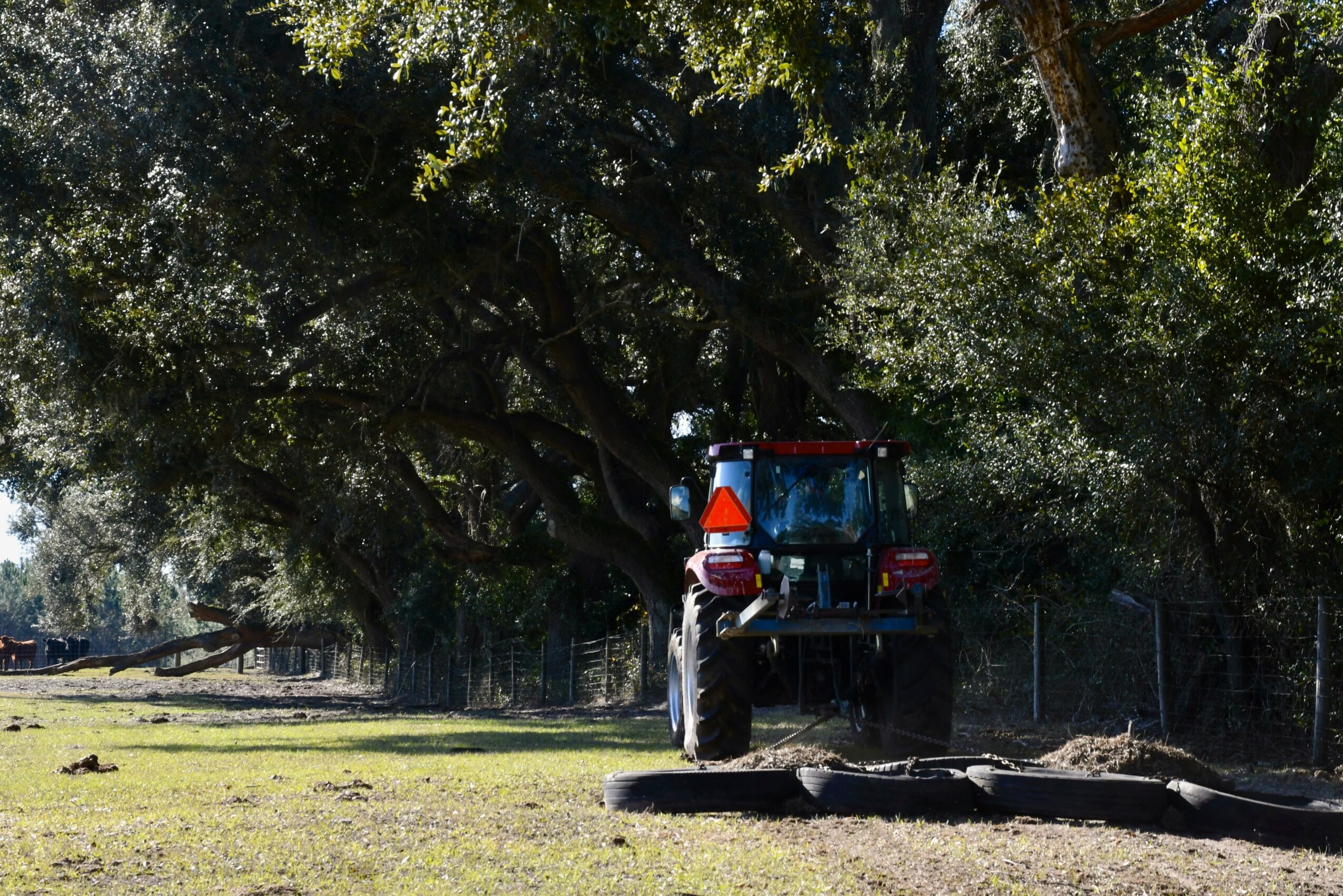
Image Credits
Andrew Brown