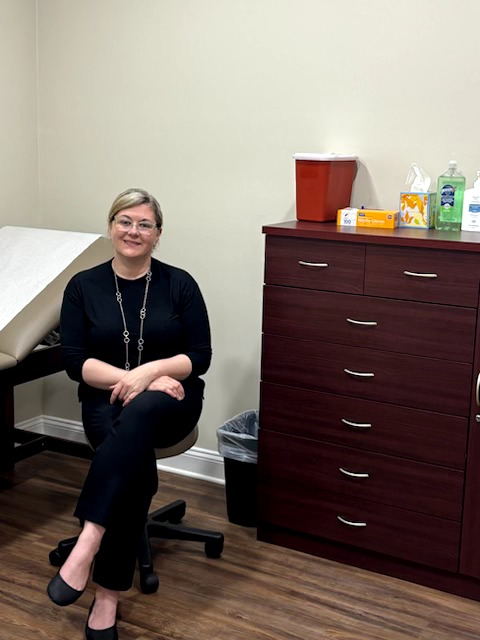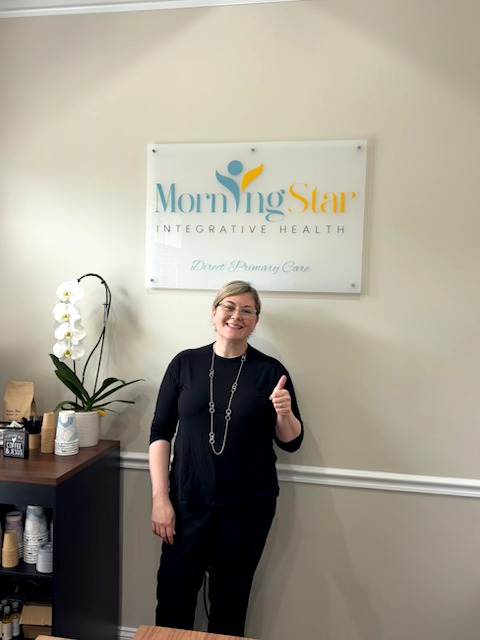





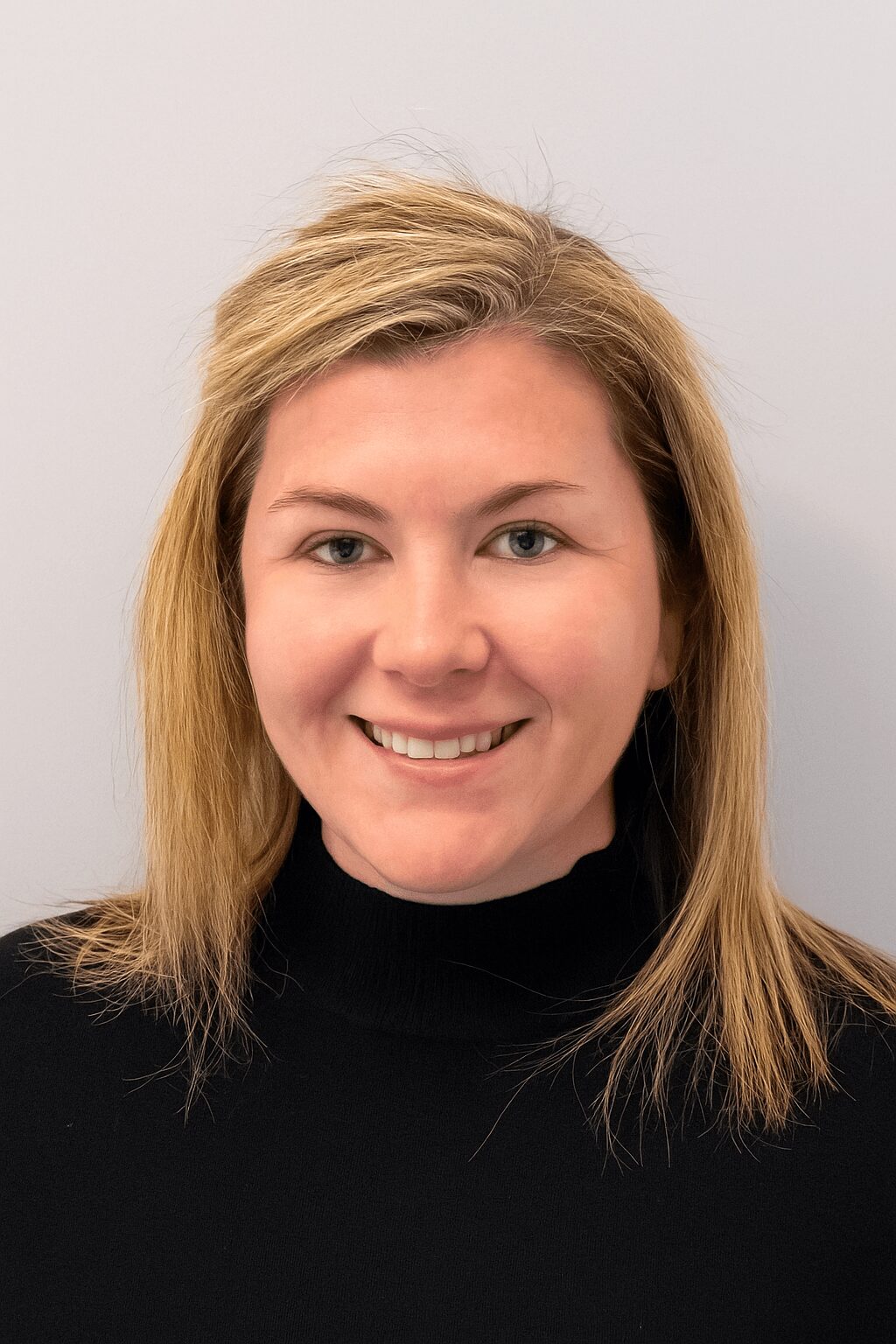
Today we’d like to introduce you to Amanda Sheets.
Hi Amanda, please kick things off for us with an introduction to yourself and your story.
I have been a physician assistant for 20 years, with much of my recent experience in the hospital setting. Over the years, I have seen the same heartbreaking pattern again and again: patients being admitted to the hospital because they were not able to access preventive care, could not get in to see a provider, or could not afford the process of getting their medications refilled.
Many times, the medications themselves are not even expensive. The bigger barrier is the system around them: the appointment, the visit cost, the wait time, the insurance limitations, and the difficulty of getting timely care.
A little over two years ago, I became interested in Direct Primary Care and began researching it more seriously. The more I learned, the more I realized it was a better model of healthcare for many people. I still believe patients should have some form of insurance or protection for major medical events, but Direct Primary Care can provide better day-to-day access to care at a more affordable price.
As a provider, I also have access to discounted labs and medications, which allows me to pass savings on to my patients. There are also many programs available to help cash-pay patients access important preventive services, such as mammograms and colonoscopies. Often, people simply do not know those resources exist or need someone to help guide them.
So I took a leap of faith and started a small practice with that mission in mind: to serve patients through a better, more personal, and more accessible model of care.
We all face challenges, but looking back would you describe it as a relatively smooth road?
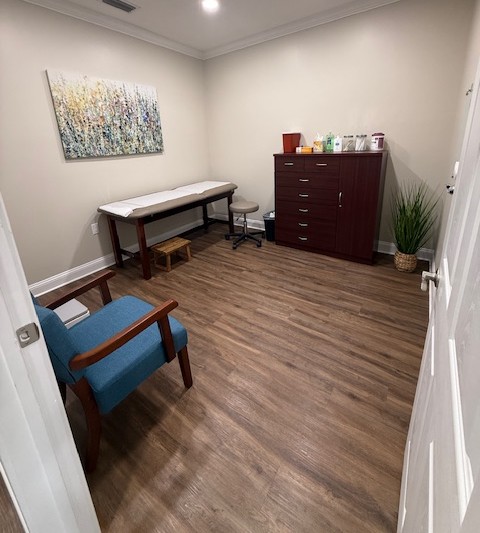
The medicine has honestly been the easier part. The biggest challenge was getting everything in order and creating the kind of office environment I had envisioned.
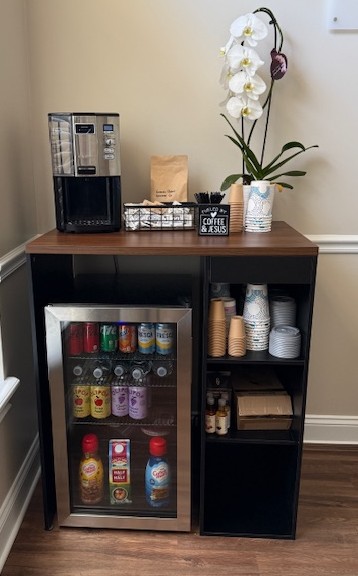
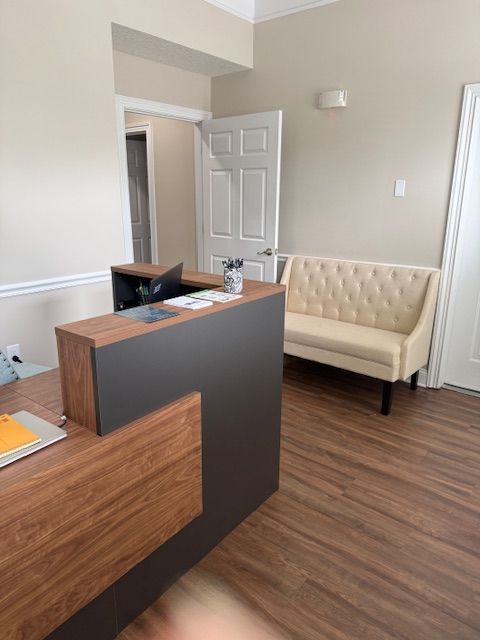
I wanted MorningStar to feel different from a typical medical office. I wanted a coffee and drink station, comfortable seating, and a space where people could walk in and feel welcomed, comfortable, and not rushed in and out. I believe healthcare should be built on relationships, so I spent a lot of time trying to create a space that reflected that.
The logistics of getting the word out have also been challenging. Direct Primary Care is still a different model of healthcare for many people, so there has been a lot of re-education involved. People need to understand how it works, but they also need to trust you before they join your practice.
Those who have joined have been very happy. They have easy text access to me when they need something, and many concerns can be handled over the phone or through simple messaging. They only come in when they truly need to, because I am not trying to bill their insurance for every interaction. That has allowed us to save people time, reduce unnecessary visits, and help them save money.
As you know, we’re big fans of MorningStar Integrative Health. For our readers who might not be as familiar what can you tell them about the brand?
MorningStar Integrative Health is a Direct Primary Care practice offering affordable, relationship-based medical care without the barriers of traditional insurance-based visits. This means that people with high-deductible insurance, cost-share plans, or no insurance still have a pathway to receive preventive care, sick visits, urgent care, and ongoing health support.
More and more small businesses are also turning to Direct Primary Care as an affordable option for their employees. It is a meaningful way to help keep employees healthy, reduce barriers to care, and provide access to a trusted medical provider without the high costs and delays often associated with traditional healthcare.
At MorningStar, I provide traditional primary care and urgent care, including women’s health and hormone replacement therapy. I believe traditional medicine absolutely has its place, but I also believe in holistic, whole-person care. That is where the “Integrative Health” part of our name comes from. I believe more healthcare should consider the complete person — mind, body, and spirit — when addressing health and wellness.
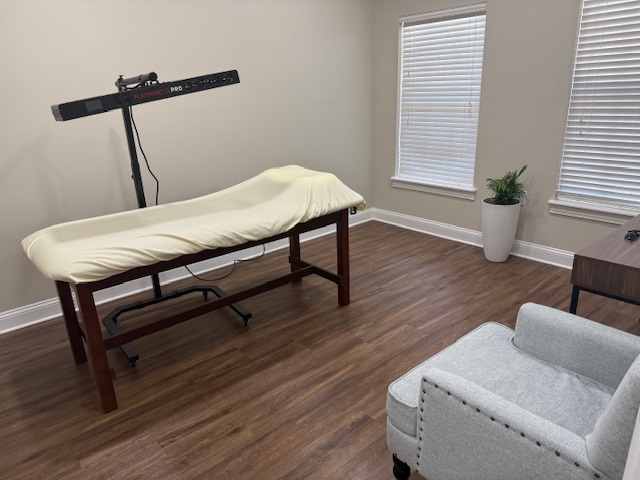
As part of that integrative approach, we also offer adjunct therapies such as red light therapy and cupping. There has been a noticeable shift in what patients are looking for. Many people want a more comprehensive approach to their health, not simply “a pill for every problem.” More patients are embracing functional medicine, asking deeper questions, requesting more advanced lab evaluation, and wanting to take an active role in their healthcare decisions.
Direct Primary Care supports that kind of relationship. Because the model is not built around insurance billing requirements, there is more time, more flexibility, and more room for individualized care. Patients can have real conversations about prevention, lifestyle, labs, medications, hormones, weight, stress, and long-term wellness goals.
What I most want readers to know is that there are options. If you have high-deductible insurance, a cost-share plan, or no traditional insurance, you can still receive quality medical care at an affordable price. Direct Primary Care is a practical and personal way to access care before problems become emergencies.
I encourage everyone to seek preventive care, even if they feel healthy. Know your numbers. Know where you stand. Take care of your health before you are forced to react to illness. At MorningStar Integrative Health, our goal is to make that process more affordable, more accessible, and more human.
What does success mean to you?
Success, for me, is walking in the path the Lord has placed before me. As a born-again Christian, I feel called to love people through compassionate care.
At MorningStar, my goal is to provide the best care I can by educating patients, listening well, and going above and beyond to support them. At the same time, I deeply respect each person’s medical freedom and personal choices.
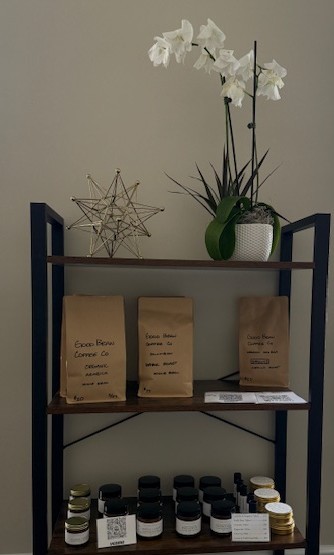
I also want MorningStar to be a resource for the broader community, not just for my own patients. I love partnering with other local businesses and organizations that share a heart for serving others. For example, HerScan, a breast cancer screening company, is coming to MorningStar to offer affordable breast cancer screening for local women. I also have a shelf in the office featuring Good Bean Coffee Co., a small local business that offers small-batch, locally roasted coffee. Small-batch coffee can be a healthier option due to lower mold exposure compared with some mass-produced coffees.
To me, success is building relationships with patients to improve their health on their terms, while also building meaningful local partnerships that help improve the health and well-being of our community.
Pricing:
- $74/month (ages 18-35)
- $84/month (ages 36+)
- $148 (couples care)
- Family plans available
- Small business plans (discounted)
Contact Info:
- Website: https://morningstarintegrativehealth.com
- Instagram: https://www.instagram.com/morningstarintegrativehealth
- Facebook: https://www.facebook.com/share/1GzfCedb2T/