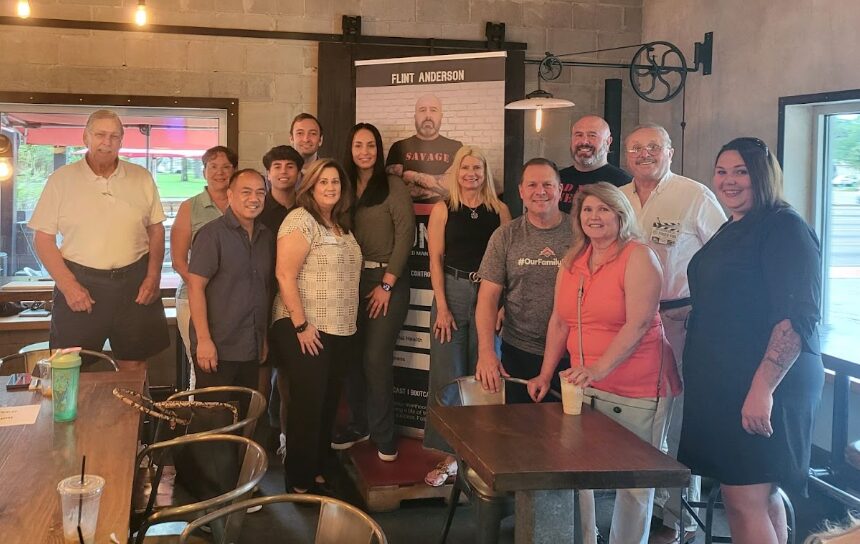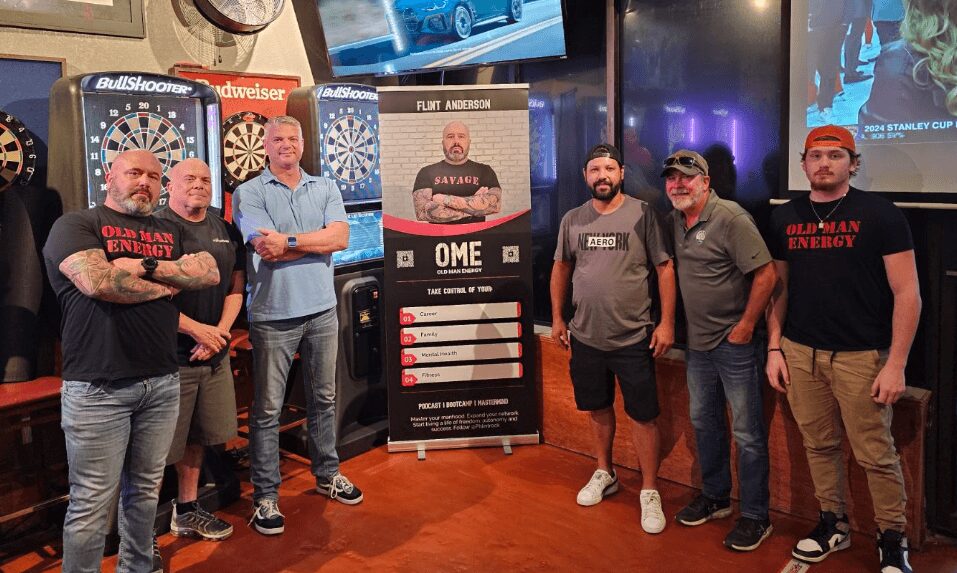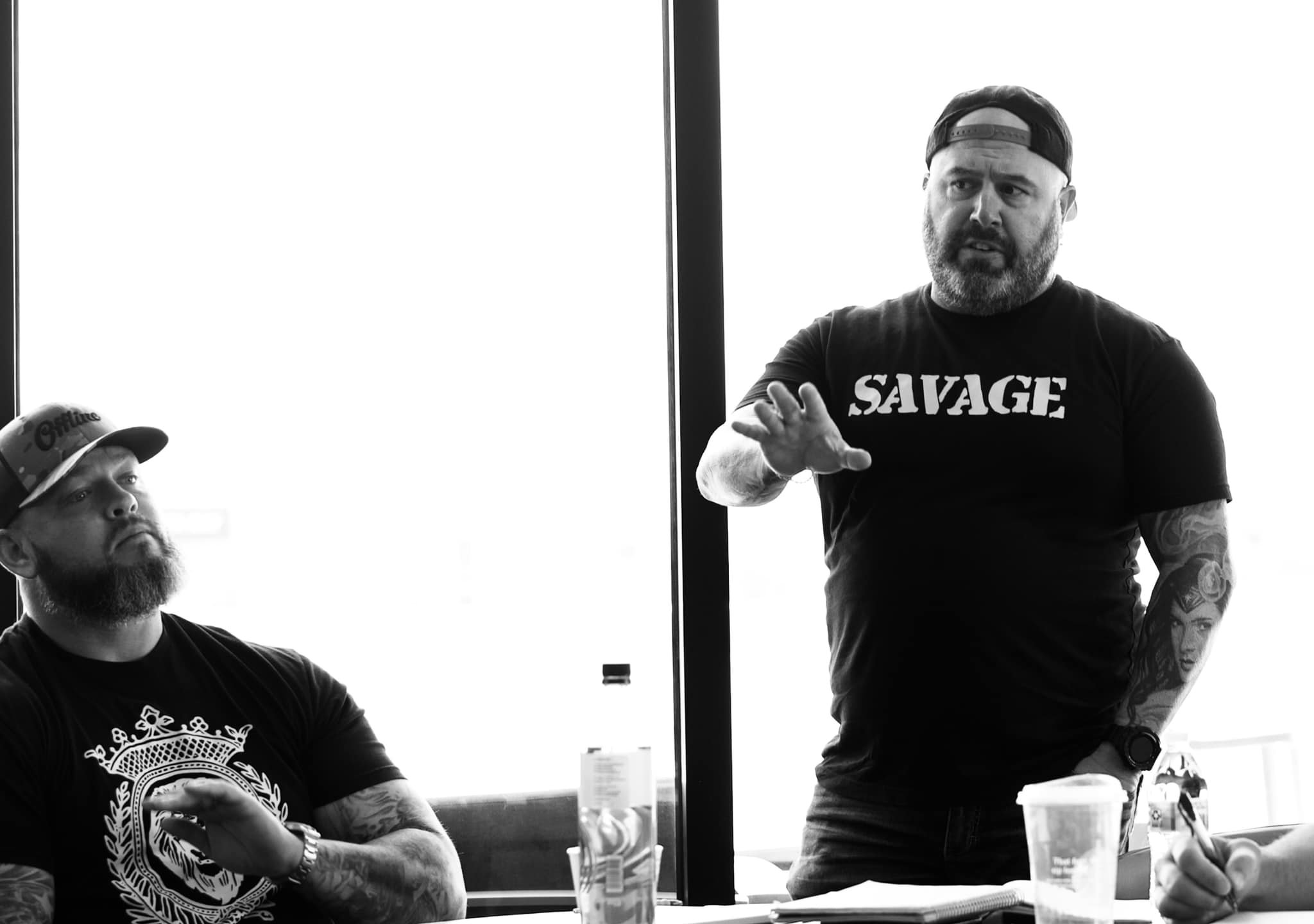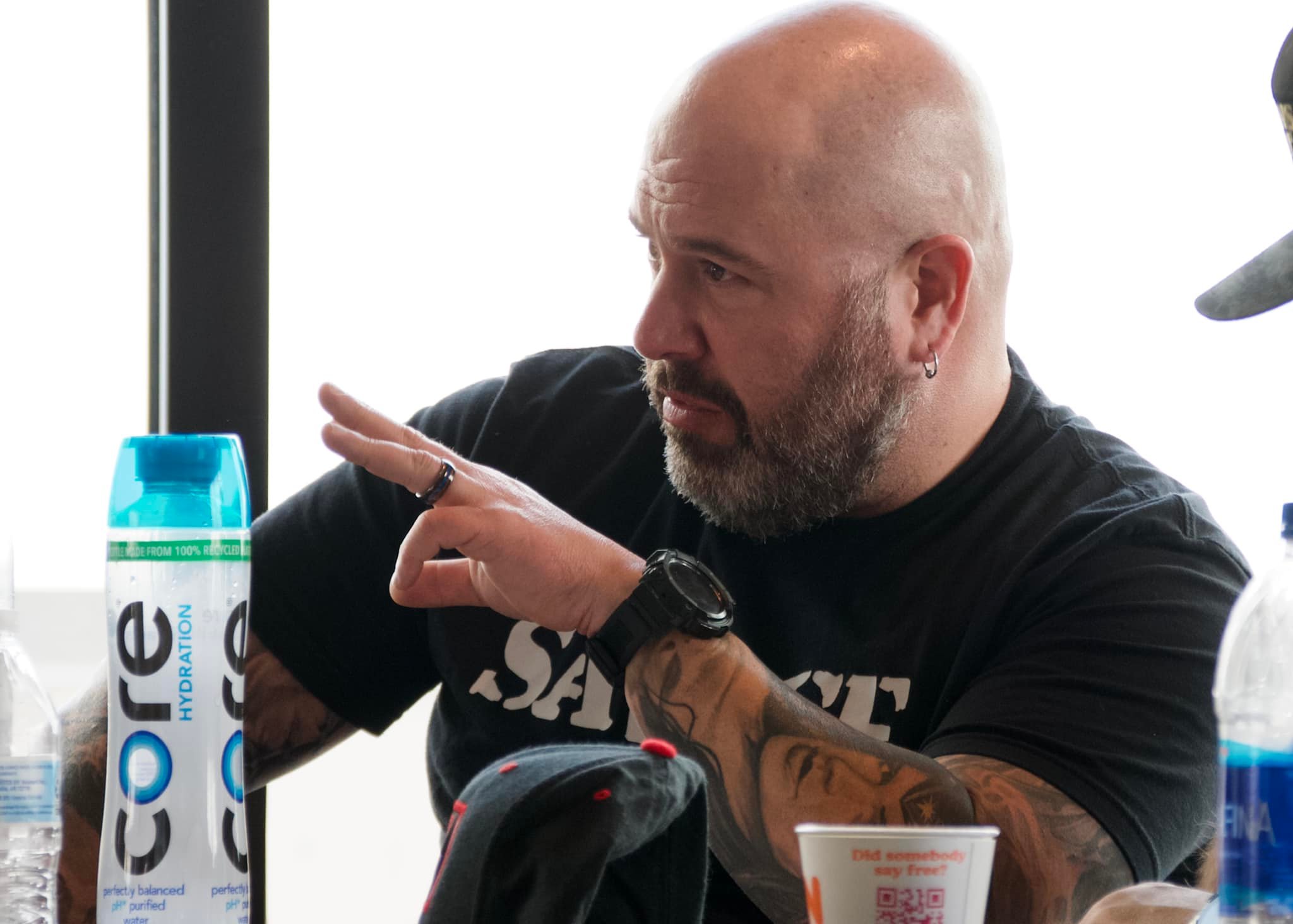





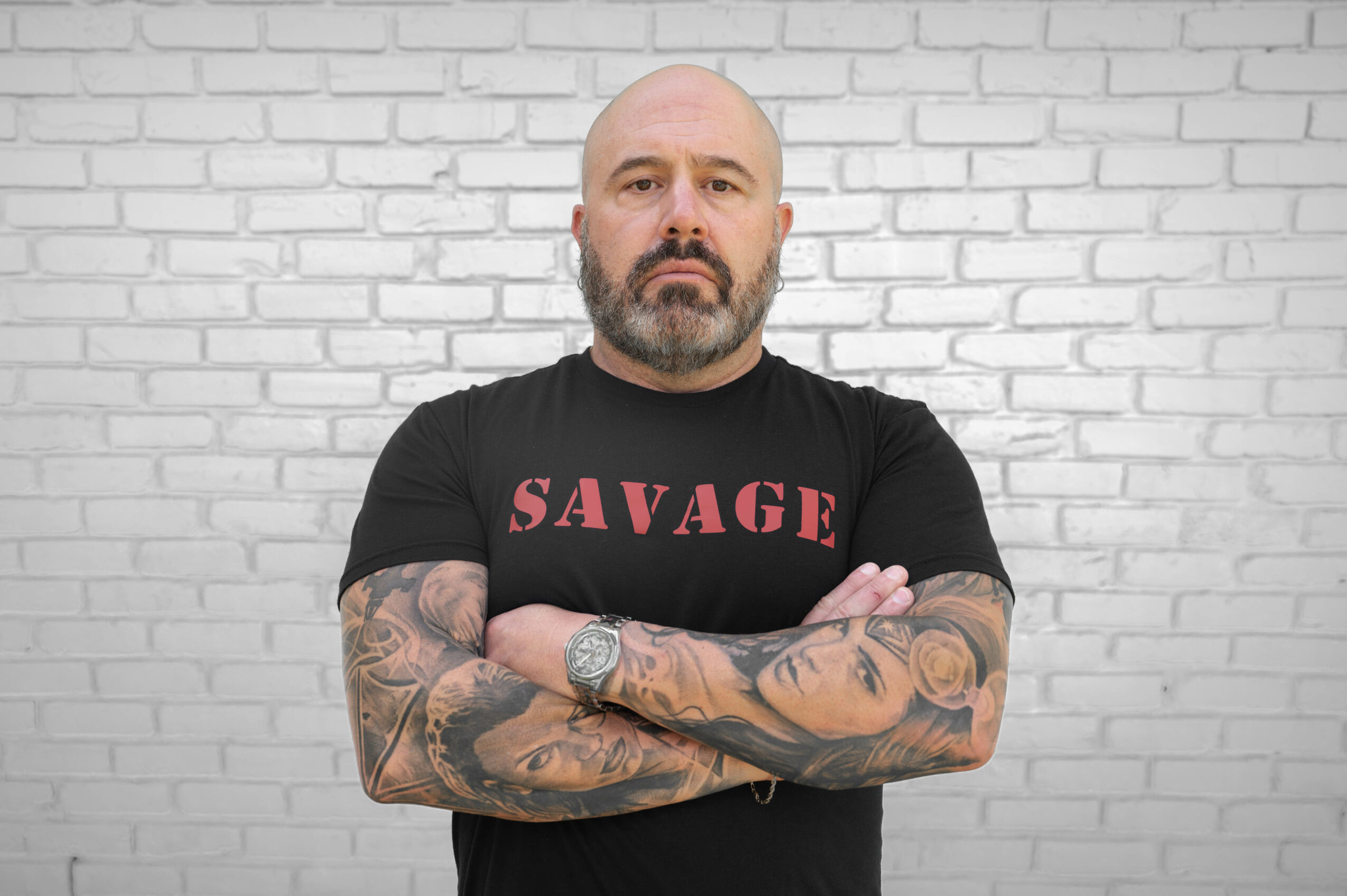
Today we’d like to introduce you to Flint Anderson.
Flint, we appreciate you taking the time to share your story with us today. Where does your story begin?
I’ve spent most of my adult life in positions where my decisions affected other people’s lives. That tends to change how you think.
I started in corporate leadership early, then bought my freedom in 2004. I wanted to be in control of my own destiny, sink or swim freedom of choice has always mattered to me more than anything else.
I built and led multiple service businesses. Some worked. Some didn’t, all of them hurt in the beginning. Being forced me to make real decisions with real fallout. Payroll, clients, families, reputations, that’s where the education actually happened.
Over time, something became obvious. As the stakes increased, the problem was almost never effort or intelligence. It was judgment under pressure. People didn’t need more tactics. They needed someone who could see clearly when they couldn’t, and say the thing that cuts through noise without being invested in the outcome.
That’s how the work evolved. Not into coaching. Not consulting. Private advisory for founders and executives when the stakes are high and the path forward isn’t obvious.
Everything else people see, businesses, books, podcast, civic leadership, that’s context. It’s proof of pattern exposure. But the role itself is simple. I help people make the right decision when the cost of getting it wrong is high.
Can you talk to us a bit about the challenges and lessons you’ve learned along the way. Looking back would you say it’s been easy or smooth in retrospect?
I’ve lost everything more than once, and I’ve also willingly started over after building businesses that were successful on paper but came with no quality of life. That kind of reset forces honesty. You stop confusing growth with progress.
The hardest parts weren’t operational or financial. Those problems are solvable. The real struggle was judgment. Making decisions without clean information. Making calls that affected other people. And living with the consequences when you got one wrong.
There were stretches where everything looked fine externally, but internally I knew something was off. That’s a dangerous place for leaders. Momentum can hide misalignment, and success can delay necessary decisions. As responsibility increases, fewer people tell you the truth, and decision-making becomes more isolated.
Those experiences shaped the work I do now. I don’t romanticize struggle, but I also don’t pretend clarity comes without friction. Pressure either sharpens how you think or exposes the gaps.
That’s the common thread. Learning to think clearly when the stakes are real and the margin for error is small.
That’s the common thread. Learning how to think clearly when the pressure is real and the margin for error is small.
Appreciate you sharing that. What else should we know about what you do?
I work privately with founders, owners, and senior executives when the stakes are high and the path forward isn’t clear.
I’m not a coach, consultant, or operator. I’m brought in for judgment and clarity at inflection points where decisions carry real consequence. My work focuses on helping leaders see patterns they’re too close to recognize, interrupt flawed thinking before it becomes expensive momentum, and make decisions they can stand behind.
What I specialize in is clarity under pressure. As leaders become more successful, decision-making often becomes more isolated. There’s more noise, fewer honest mirrors, and a higher cost to being wrong. Most of my clients aren’t lacking effort, intelligence, or information. They’re navigating complexity where direction matters more than speed.
I’m most proud of the discipline of the work itself. Engagements are private, time-bound, and structured around decision gravity, not hours or access. There are no deliverables and no execution management. My responsibility is clarity. The client’s responsibility is the decision and the follow-through.
What sets this work apart is restraint. The goal isn’t dependence. The goal is to help clients think clearly enough that they no longer need me. Everything else I do, businesses, books, speaking, media, provides context and pattern exposure, but it doesn’t define the work.
At its core, the practice is built on a simple principle: get paid for judgment, not execution, and design the work so clarity outlasts the engagement.
Before we let you go, we’ve got to ask if you have any advice for those who are just starting out?
It’s going to take longer than you think it will.
It will be harder than you can imagine.
You will work more than you ever planned to.
Most days will feel like everything is falling apart. Some days you will seriously consider burning the whole thing to the ground just to make the noise stop. That’s not a sign you’re doing it wrong. That’s normal. Every person who’s built something real has been there, whether they admit it or not.
Do not try to do this alone. Find a mentor. Find a coach. Find a group of peers who are actually in the fight, not spectators offering opinions. Shared experience will save you years of unnecessary damage.
Make sales calls. Have new client conversations every single week, no matter what else is on fire. Avoidance kills businesses faster than bad strategy ever will.
And here’s the part I wish someone had been blunt about earlier. Your dream has to be big enough to eclipse all of this. Big enough that when you’re exhausted, discouraged, and questioning your own sanity, you don’t start negotiating with yourself.
Without that level of commitment, none of the rest matters.
With it, you at least give yourself a real chance to win.
Contact Info:
- Website: https://flintanderson.com
- Instagram: https://www.instagram.com/phlintrock/
- Facebook: https://www.facebook.com/PhlintRock/
- LinkedIn: https://www.linkedin.com/in/phlintrock/
- Youtube: https://www.youtube.com/@TheOldManEnergy