



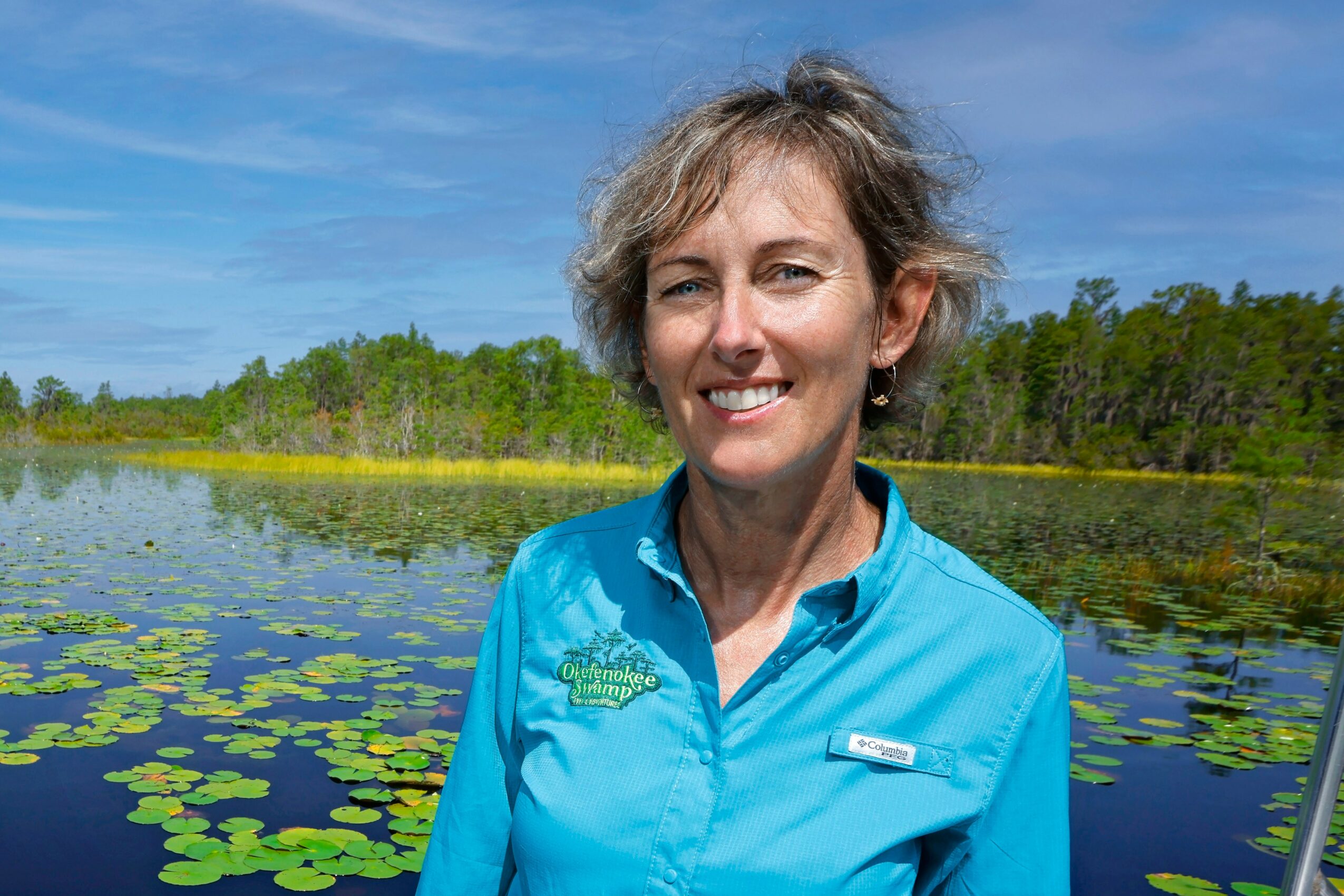
Today we’d like to introduce you to Kim.
Hi Kim, we’d love for you to start by introducing yourself.
Professional Biography & Organizational Overview
I am an entrepreneurial and resourceful leader recognized for delivering on mission, vision, and long-term organizational growth. From 2007 to 2020, I served as Head of School at The Discovery School in Jacksonville Beach, Florida—a nationally recognized Montessori–International Baccalaureate program. In 2020, I was appointed Executive Director of Okefenokee Swamp Park, Inc. (OSP), an 80-year-old nonprofit education organization and key partner to the Okefenokee National Wildlife Refuge, U.S. Fish and Wildlife Service.
Headquartered in Waycross, Georgia, OSP operates both Okefenokee Swamp Park (Ware County) and Okefenokee Adventures (Charlton County), the official outfitter of the Refuge. Since opening in 1946 at the northern entrance to the 407,000-acre Okefenokee National Wildlife Refuge, OSP has evolved into a regional leader in conservation, education, and outdoor recreation—fostering meaningful connections to the “Land of the Trembling Earth.”
OSP operates exclusively for educational and scientific purposes under the guidance of a 15-member Board of Trustees. Our team includes executive leadership, educators, naturalists, and guides dedicated to protecting the lands and waters that sustain both the Okefenokee ecosystem and surrounding communities. We serve as a catalyst for Southeast Georgia’s development by aligning environmental stewardship with regional economic growth through education, inspiration, and community engagement.
Core Areas of Impact
Environmental Stewardship
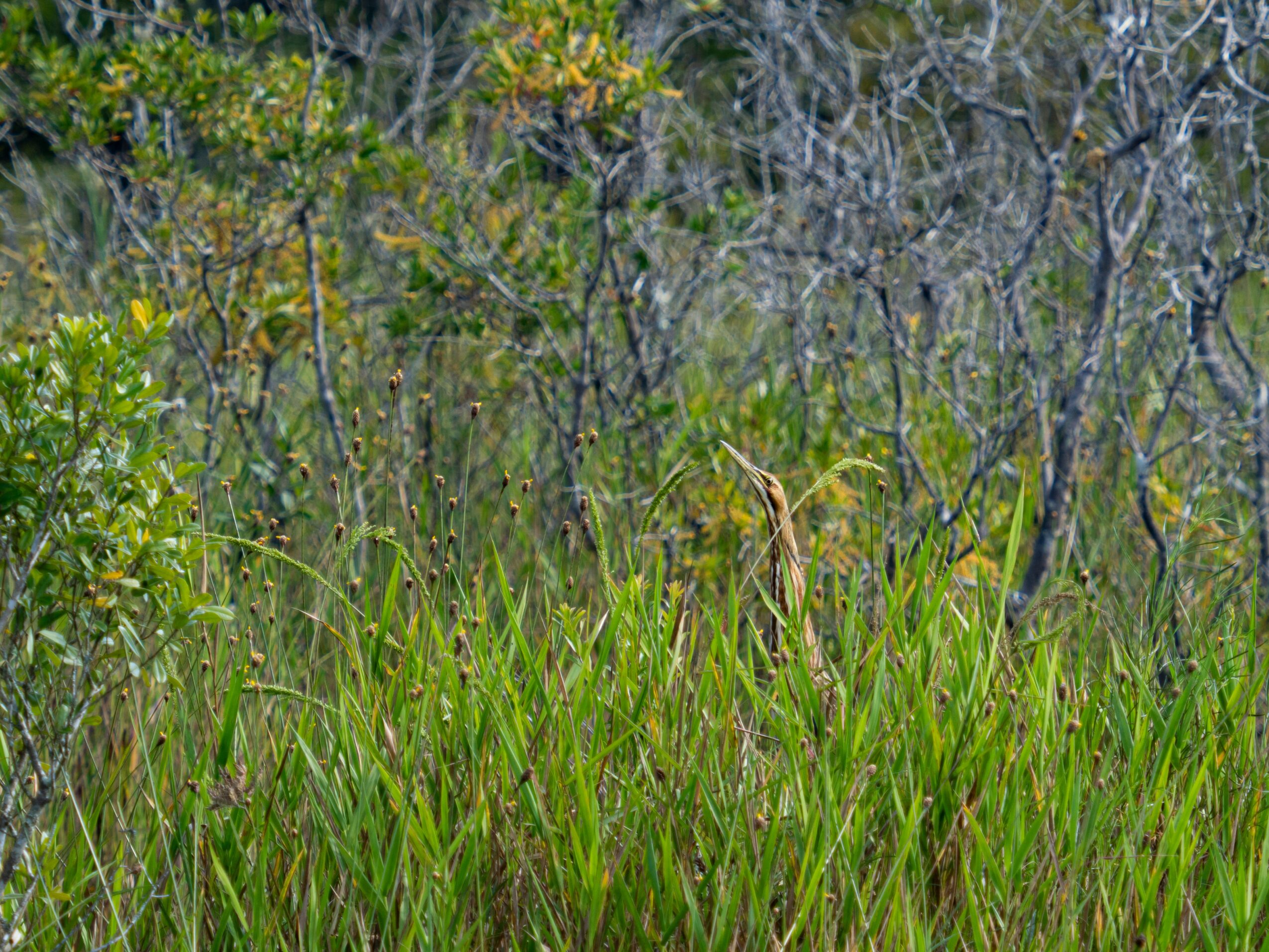
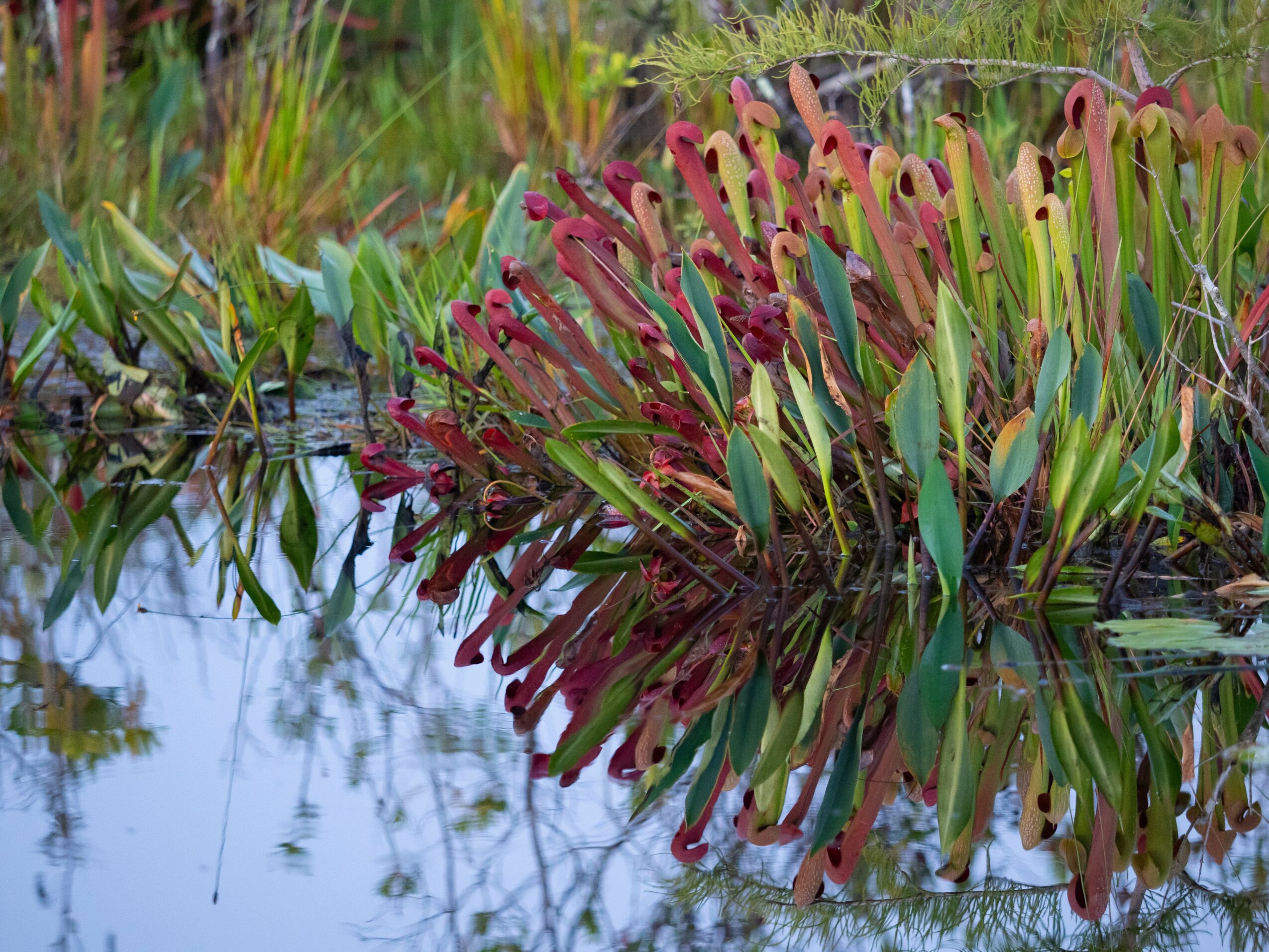
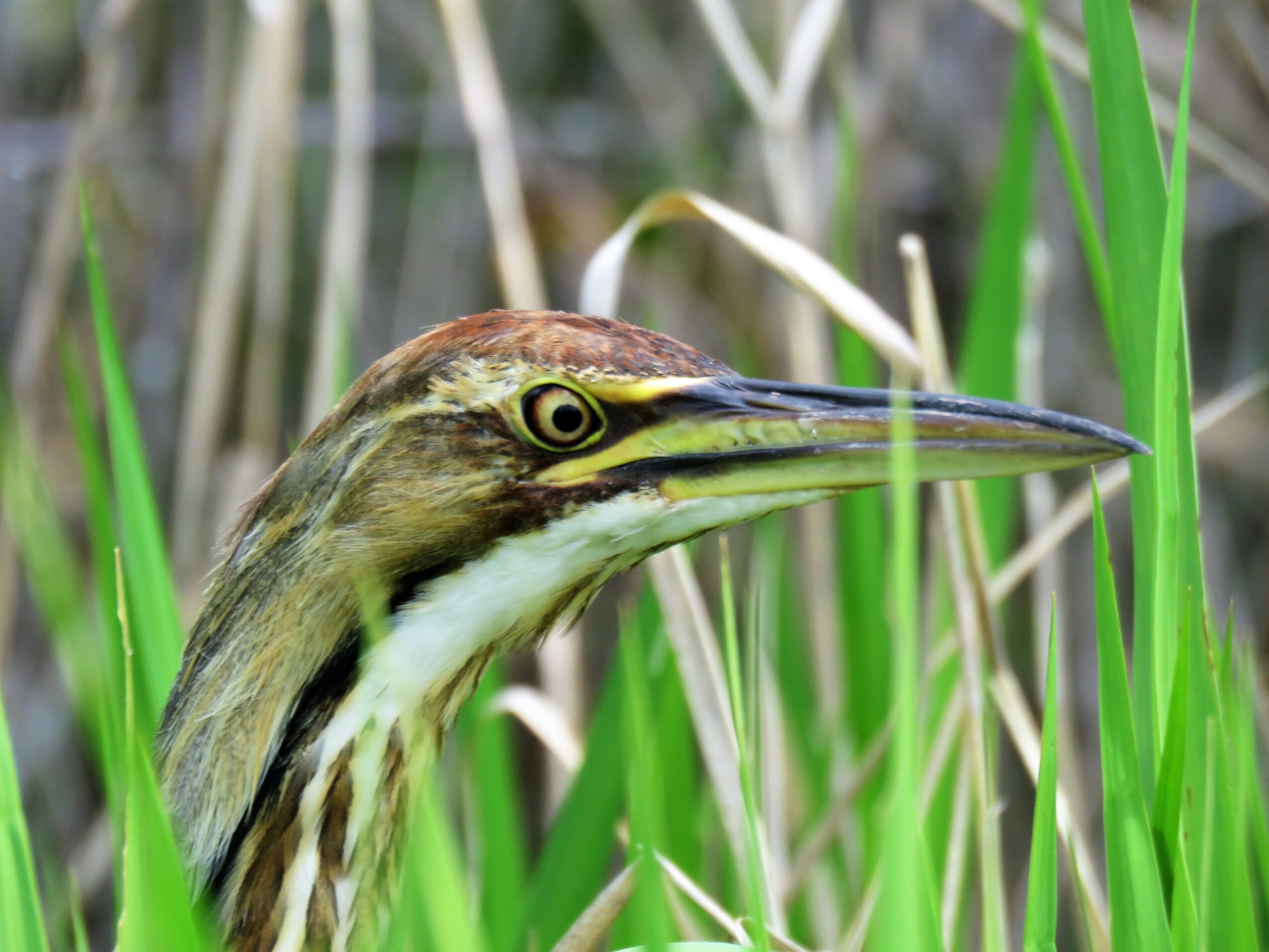
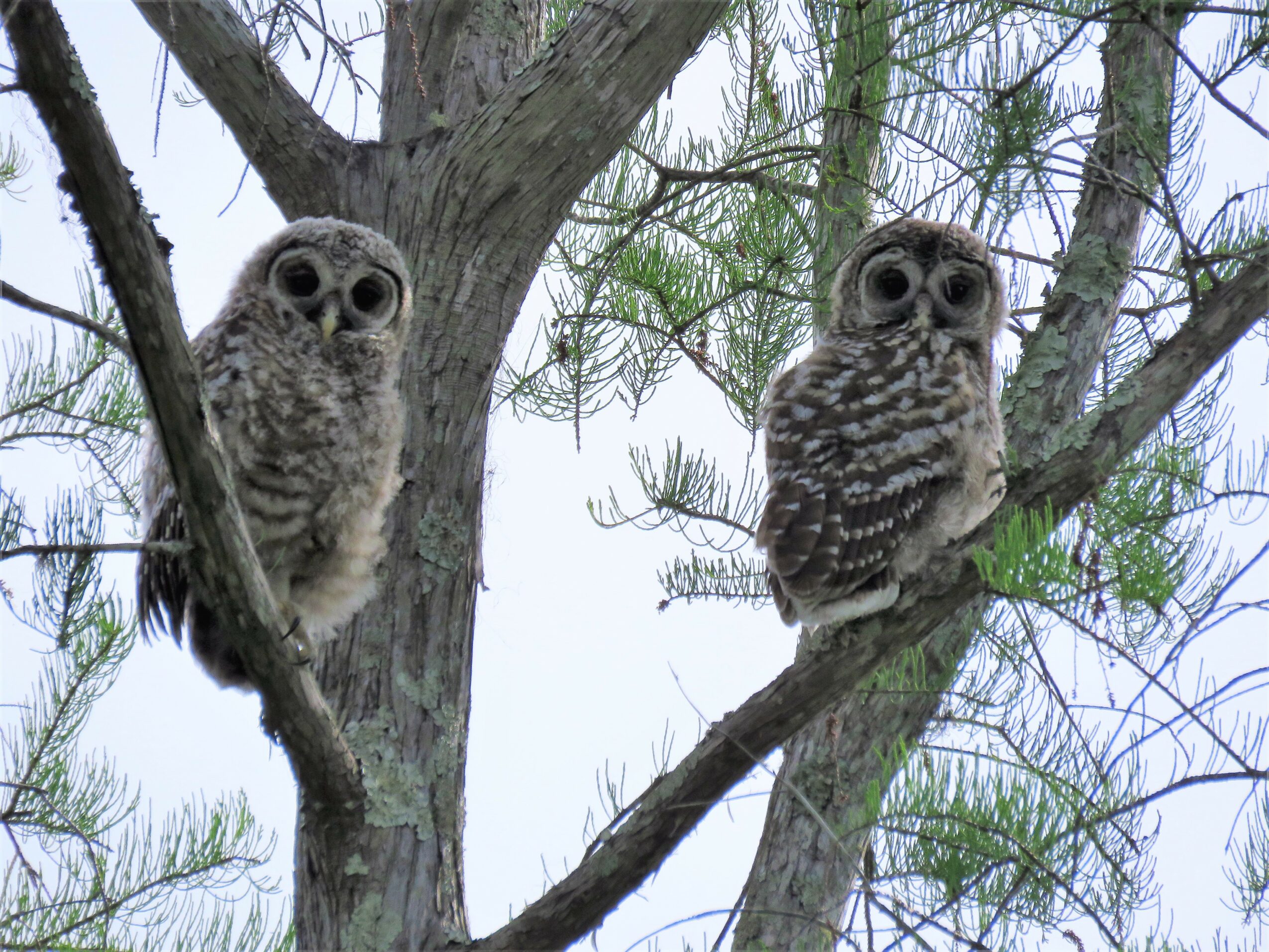
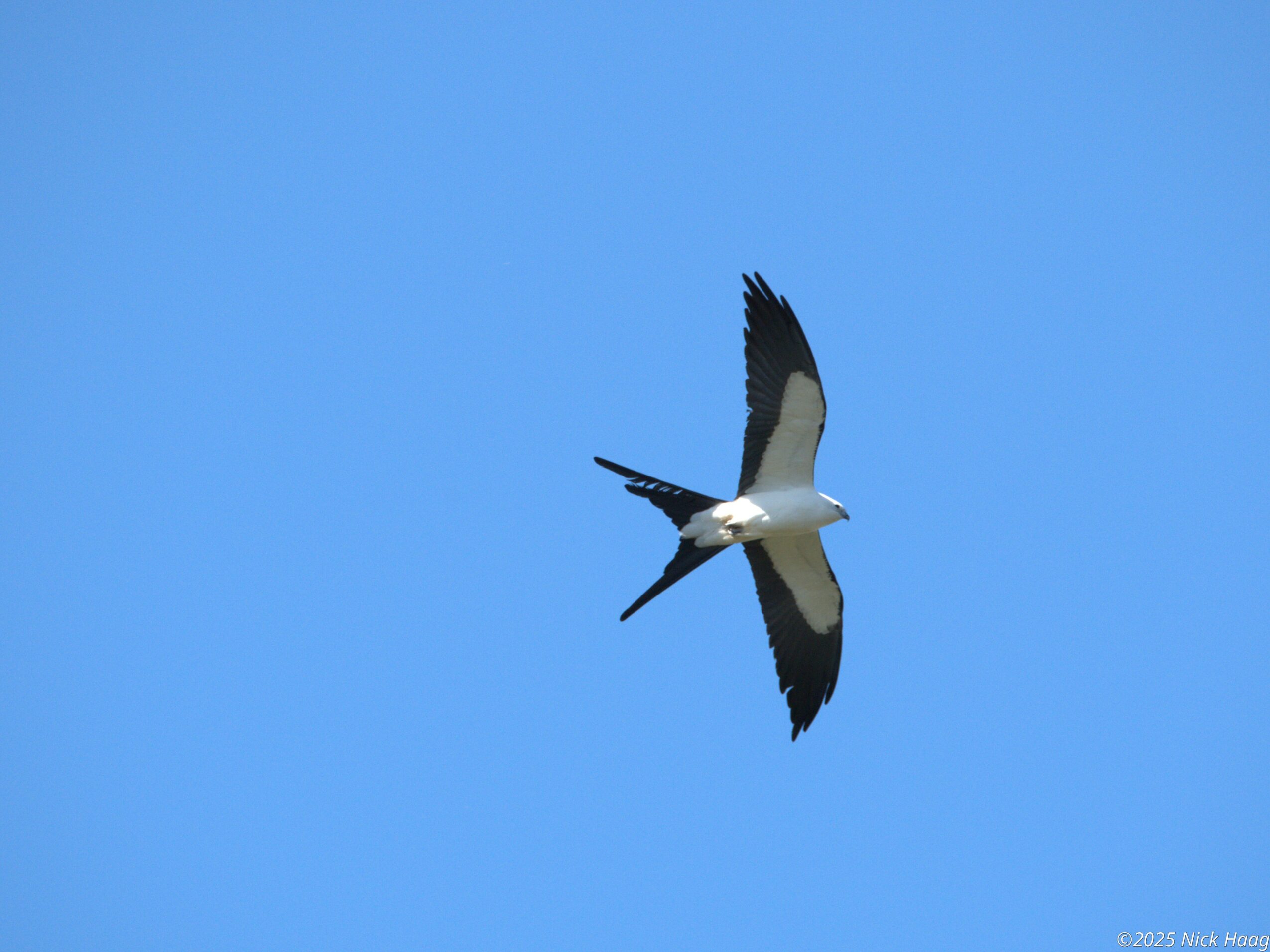
The Okefenokee—formed more than 6,500 years ago—is the largest blackwater wetland in North America and one of the world’s most intact freshwater ecosystems. Its globally significant peatlands store vast amounts of carbon, making it a critical natural climate asset. OSP stewards a 1,200-acre campus within Dixon Memorial State Forest, serving as a buffer to the Refuge. Our work includes wildlife care and monitoring, scientific research partnerships, habitat restoration (including prescribed fire and invasive species management), policy advocacy, and volunteer mobilization.
Environmental Education
In a region where all local schools are Title I and child poverty rates exceed 25% across the tri-county area, OSP provides essential access to hands-on science education. For many students, our programs represent their only experiential learning opportunity. We serve up to 15,000 K–12 students annually through field trips, outreach, camps, interpretive programs, and community events. As the only Nature Center within a 66-mile radius, our campus offers more than 7,000 square feet of exhibit space dedicated to the region’s ecology and cultural history.
Outdoor Recreation & Access
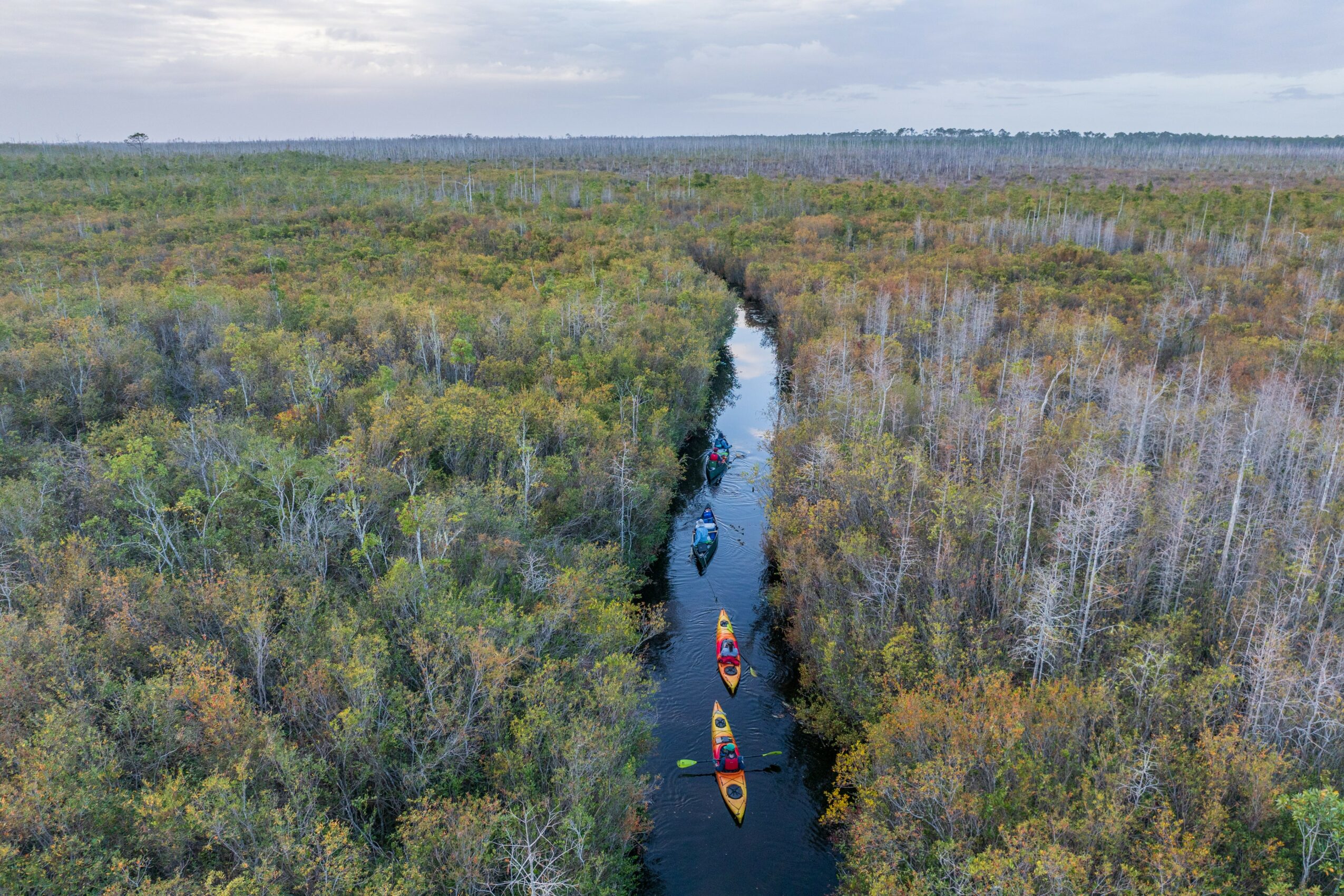
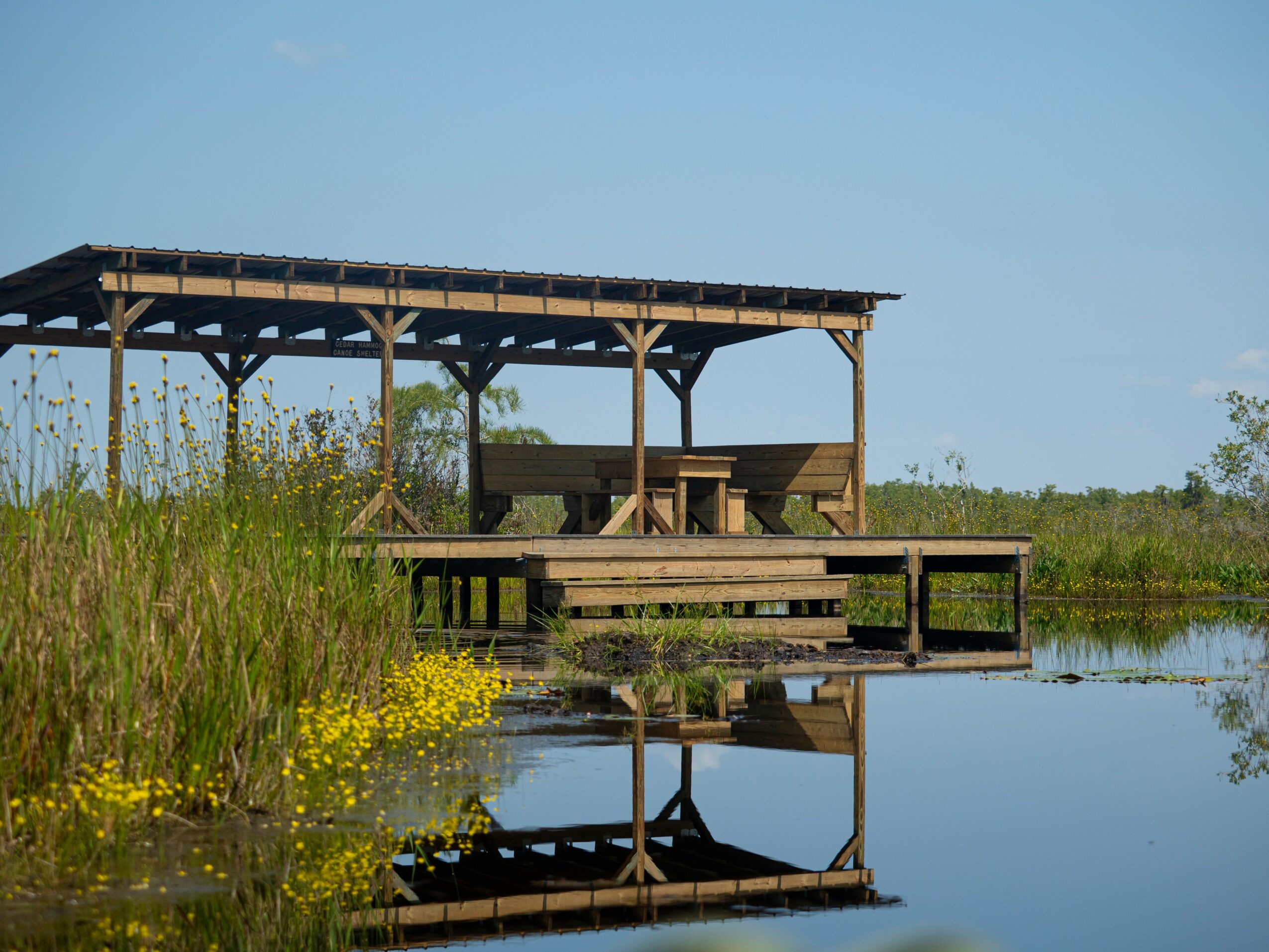
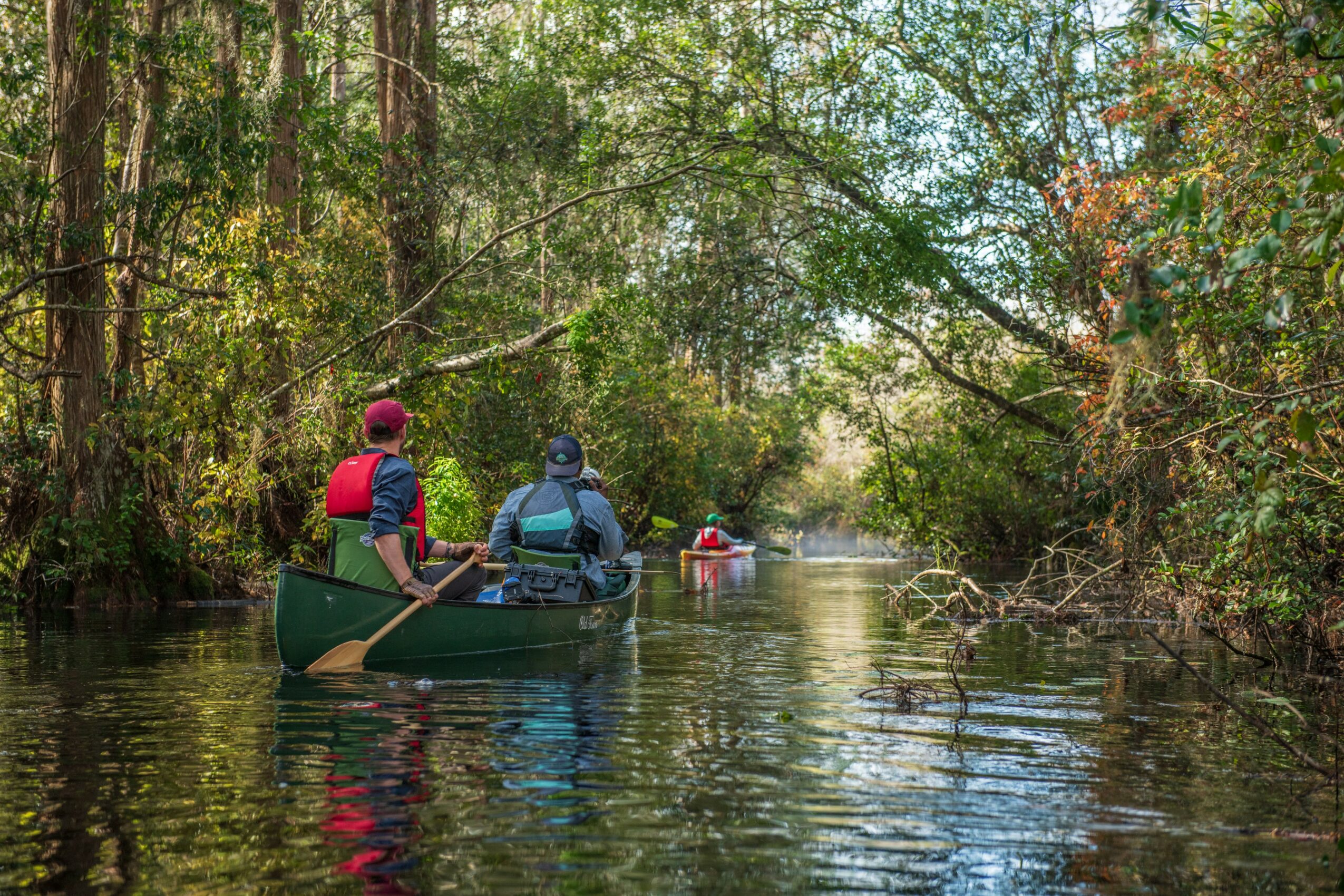
As a 501(c)(3) partner to the U.S. Department of the Interior and the State of Georgia, OSP manages concession operations that ensure responsible public access to the Refuge. We provide guided boat and kayak tours, paddling access, trails, birding, fishing, and camping—welcoming more than 60,000 visitors annually and advancing nature-based tourism across the region.
Recent Accomplishments
o Launched a transformative public–private partnership with the Refuge to advance nomination of the Okefenokee for UNESCO World Heritage inscription; dossier submitted in January 2025, with a decision expected in 2026
o Secured $5.25 million in state funding for a new Nature Center and master planning through the Okefenokee Experience initiative
o Helped halt proposed mining near the Refuge through strategic advocacy and partnership with The Conservation Fund
o Selected as one of six organizations nationwide for the Balancing Nature and Commerce Program
o Founded the 100+ member Okefenokee Partnership to unify regional stakeholders around sustainable development
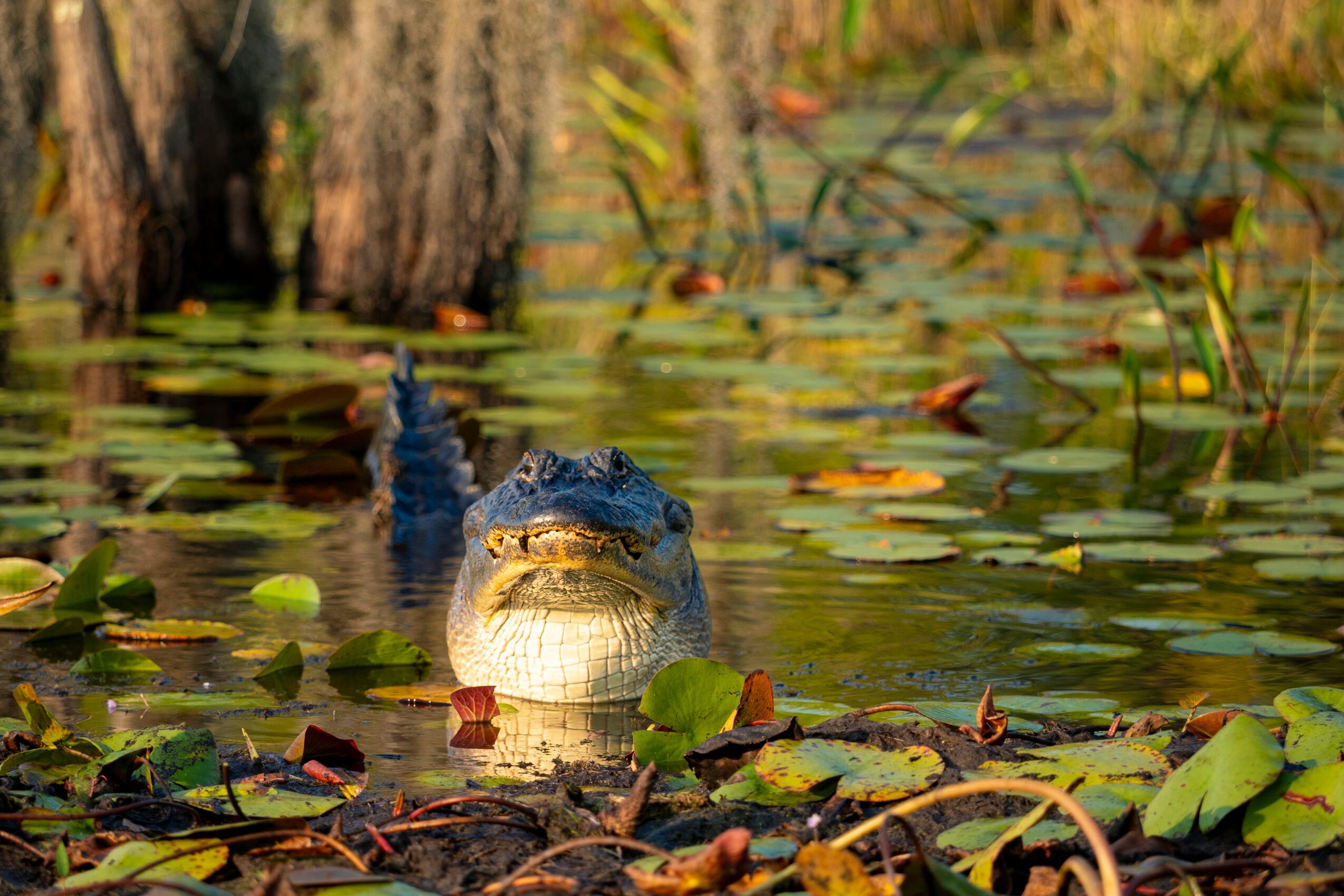
o Launched collaborative alligator research with the University of Georgia
o Advanced cultural preservation through documentation of the all-Black Civilian Conservation Corps unit
o Welcomes 60,000+ visitors annually and serves up to 15,000 students through educational programming
Future Vision
o Complete construction of a new Nature Center by 2028
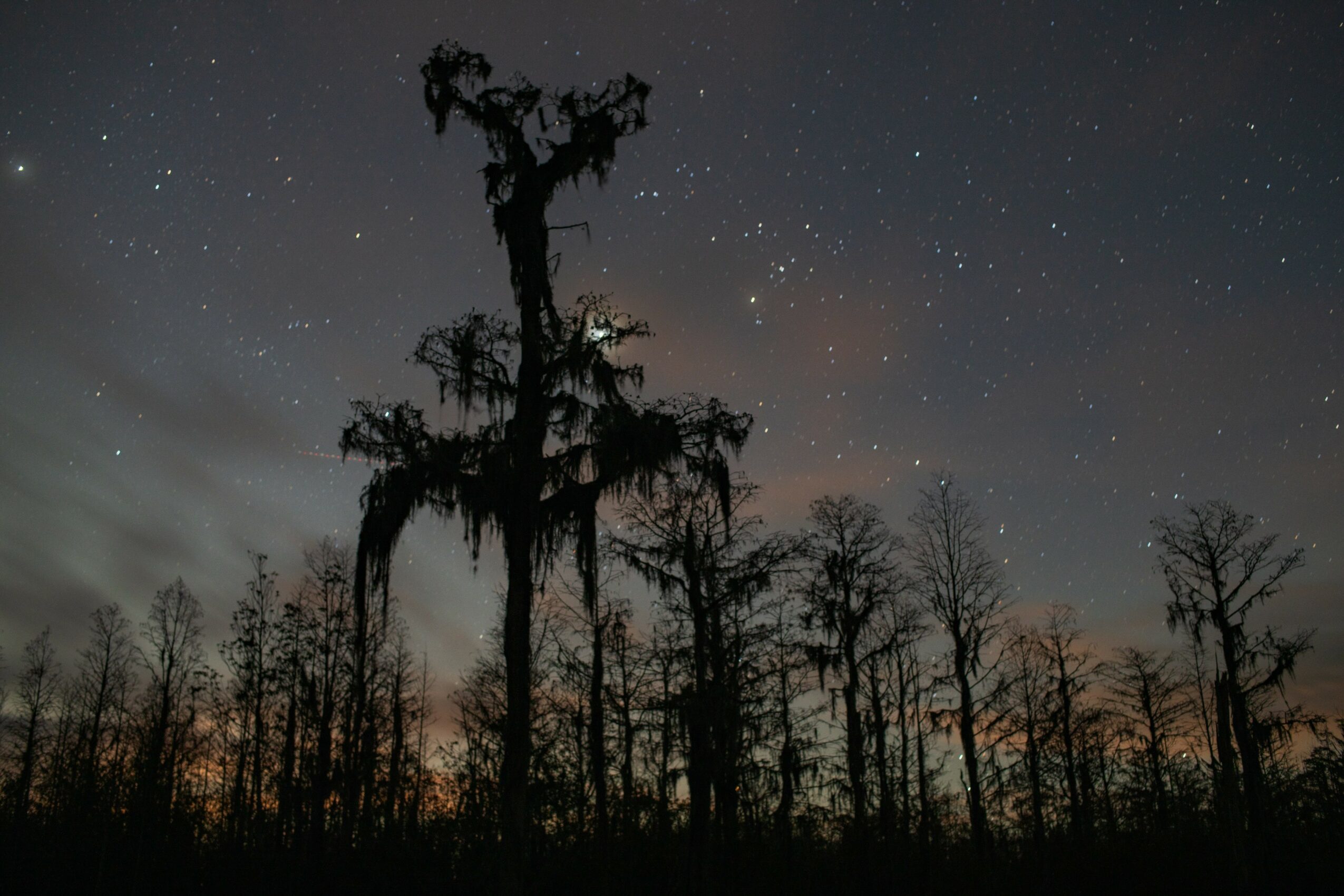
o Develop a three-campus Okefenokee Experience: Cultural History Museum (Folkston), Dark Sky Observatory (Fargo), and Nature Center (Waycross)
o Expand free educational programs, including Camp OSCAR and Camp Monarch
o Strengthen regional engagement through the Okefenokee Partnership and sustained community development leadership
o Build long-term financial sustainability through endowment growth and expanded philanthropy
o Continue advancing the Okefenokee as a premier ecotourism destination rooted in conservation, education, and community prosperity
Education & Leadership
I hold a Bachelor of Arts in English (minor in Marine Biology), a Master of Business Administration, and a Montessori Administrator credential. I am a graduate of Leadership Florida and the Institute for Georgia Environmental Leadership (IGEL), a former two-term trustee of the Florida Council of Independent Schools and currently serve as Board Chair of the St. Marys Riverkeeper and on the Board of Directors for the Georgia Chamber of Commerce.
Alright, so let’s dig a little deeper into the story – has it been an easy path overall and if not, what were the challenges you’ve had to overcome?
The Okefenokee Swamp Park, Inc. (OSP) serves as a unifying force for the three rural gateway communities surrounding the Okefenokee Swamp—Ware, Charlton, and Clinch Counties—advancing conservation by championing responsible, community-centered economic growth. As both a steward and convener, OSP advises a network of organizations dedicated to safeguarding the Swamp while expanding access, engagement, and opportunity across the region.
Founded in 1946, the Okefenokee Swamp Park, Inc. (OSP) is the 501(c)(3) partner of the Okefenokee National Wildlife Refuge (NWR) and the primary nonprofit steward and public gateway to the swamp. OSP is deeply committed to inclusive public service. Efforts to elevate historically underserved voices include board training, an archival initiative documenting the all-Black Civilian Conservation Corps unit, and a Master Interpretive Planning process grounded in oral histories, visitor research, and community workshops. These efforts reflect a broader commitment to strengthening community identity and aligning around a shared vision for the Okefenokee region.
The tri-county region surrounding the Okefenokee is among Georgia’s most economically distressed, with child poverty rates reaching 38.2% in some communities and all local schools qualifying as Title I institutions. For many children in Ware, Charlton, and Clinch Counties, the OSP represents their only access to hands-on environmental science education. Meanwhile, the swamp’s buffer zone requires active, ongoing stewardship to remain a healthy and functioning ecosystem.Despite the presence of one of the world’s most significant natural landscapes, the surrounding communities face persistent economic and educational challenges. The tri-county region—home to just over 55,000 residents—includes federally designated distressed and persistent poverty counties, with poverty rates exceeding 20% across all three and reaching over 30% in Clinch County. Educational attainment lags significantly behind state and national averages, limiting access to economic mobility and workforce development opportunities.
At the same time, the adjacent Okefenokee National Wildlife Refuge attracts more than 600,000 visitors annually and plays a vital role in Georgia’s $70 billion tourism economy. This contrast—between global ecological significance and local economic hardship—presents both a challenge and a generational opportunity. In response, OSP and its partners are advancing the Okefenokee Experience, a transformative regional initiative designed to leverage the Swamp’s natural and cultural assets to drive sustainable economic development. Anchored by three catalytic projects—a Nature Center in Waycross, a Cultural History Museum and Community Center in Folkston, and an Observatory in Fargo—the initiative will create immersive, place-based experiences that connect conservation, education, and economic opportunity.
These investments are grounded in extensive community engagement. Through workshops, stakeholder convenings, and regional partnerships, residents and leaders have consistently identified the need to preserve the Swamp, strengthen local economies, expand educational access, and build shared regional identity. The Okefenokee Partnership, along with participation in The Conservation Fund’s Balancing Nature and Commerce Program, has further refined this vision—emphasizing ecotourism, workforce development, heritage preservation, and science education as key drivers of long-term resilience.
OSP’s leadership also extends to the national stage. In collaboration with the U.S. Fish and Wildlife Service and a broad coalition of partners, OSP has helped advance the nomination of the Okefenokee National Wildlife Refuge for inscription as a UNESCO World Heritage Site. If successful, this designation would mark the first World Heritage Site in Georgia and the first managed entirely by the National Wildlife Refuge System—bringing global recognition to an already well-protected landscape while catalyzing sustainable economic growth across the region.
Ultimately, the Okefenokee Experience represents a balanced approach to conservation and development—one that recognizes the Swamp as both an ecological treasure and an economic engine. By investing in people, place, and partnerships, OSP is helping to build a future where thriving communities and a protected Okefenokee ecosystem go hand in hand. We are building a future in which our communities are not merely living alongside one of North America’s greatest natural treasures, but are deeply connected to it – ecologically, educationally, and as active stewards of its future. That is the long-term vision we are working toward, one camp session, one restored acre, and one inspired visitor at a time.
There is a particular kind of irony in Southeast Georgia. The Okefenokee Swamp – whose peatlands have quietly stored more than 95 million tons of carbon over 6,500 years – sits at the center of one of the most economically distressed regions in the state. A landscape of global ecological significance, surrounded by communities that have never fully shared in what it offers.
Closing that gap is what fuels our team, but the challenge runs deeper than a lack of programs. Federal funding cuts have strained the agencies and organizations that have historically supported this work. Climate-driven droughts periodically push the swamp’s vast peat deposits to the edge of catastrophic wildfire. And in a region where local philanthropic infrastructure is thin, there is no safety net waiting to catch what falls through.
What the OSP brings to this moment is something no other organization in the region can offer: working relationships with the U.S. Fish and Wildlife Service, direct access to the land, a decades-long track record in K-12 environmental education, and the kind of sustained advocacy experience that stopped a proposed titanium mine at the Refuge’s boundary and put the Okefenokee on the path to becoming Georgia’s first UNESCO World Heritage Site. The OSP is not simply filling a program gap. We are addressing a structural disconnection between a world-class natural asset and the communities whose sustained engagement is ultimately what will determine its future.
Can you tell our readers more about what you do and what you think sets you apart from others?
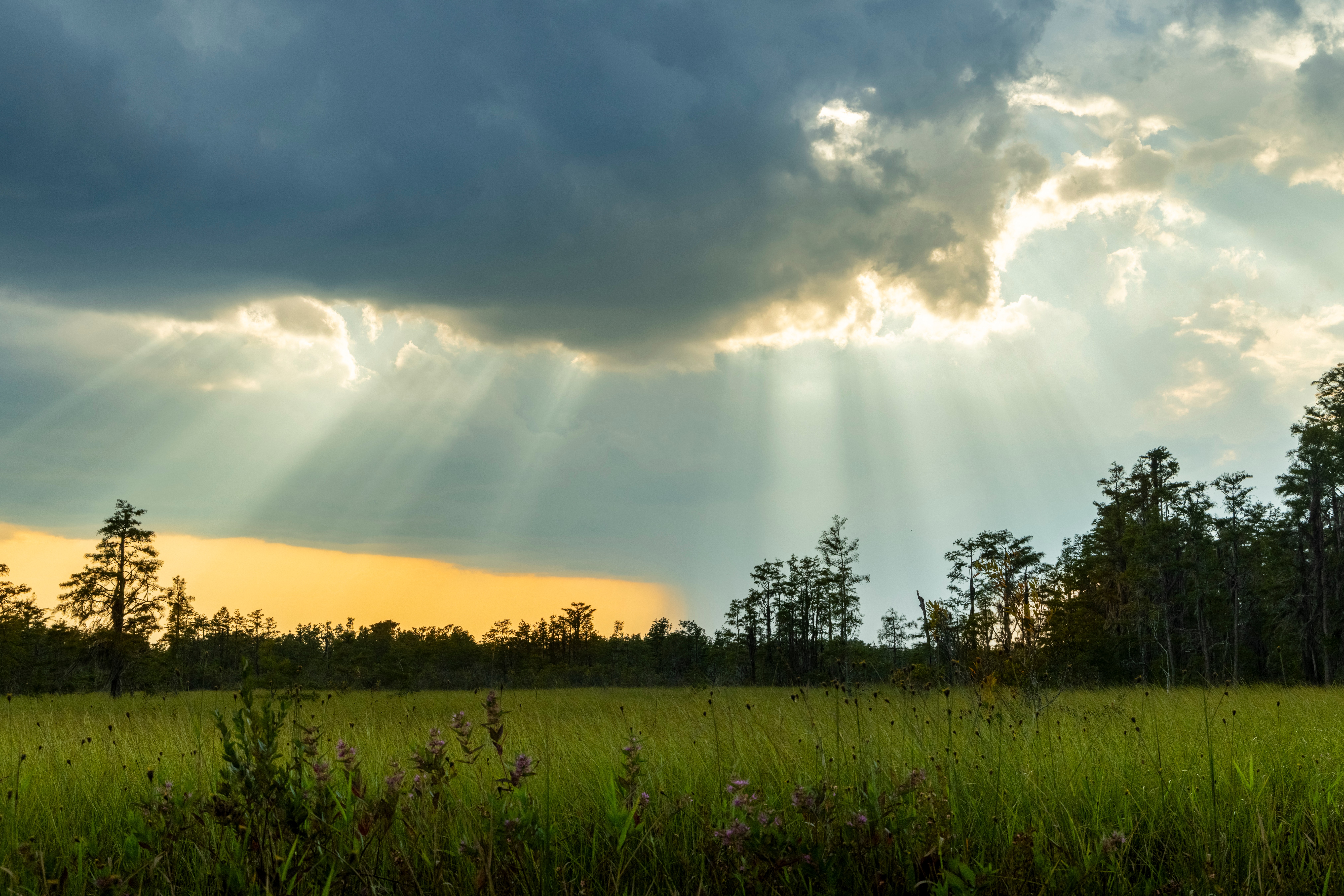
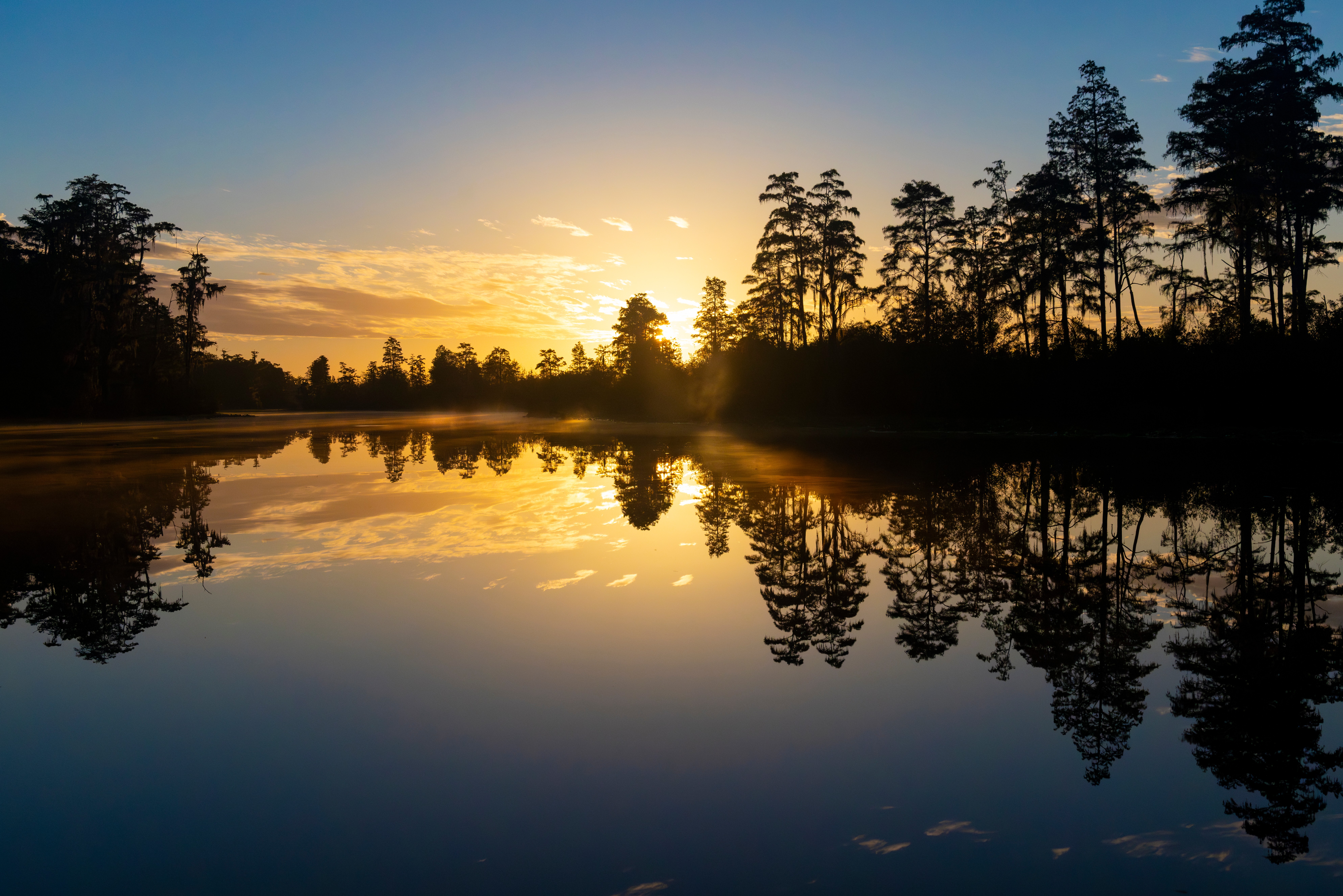
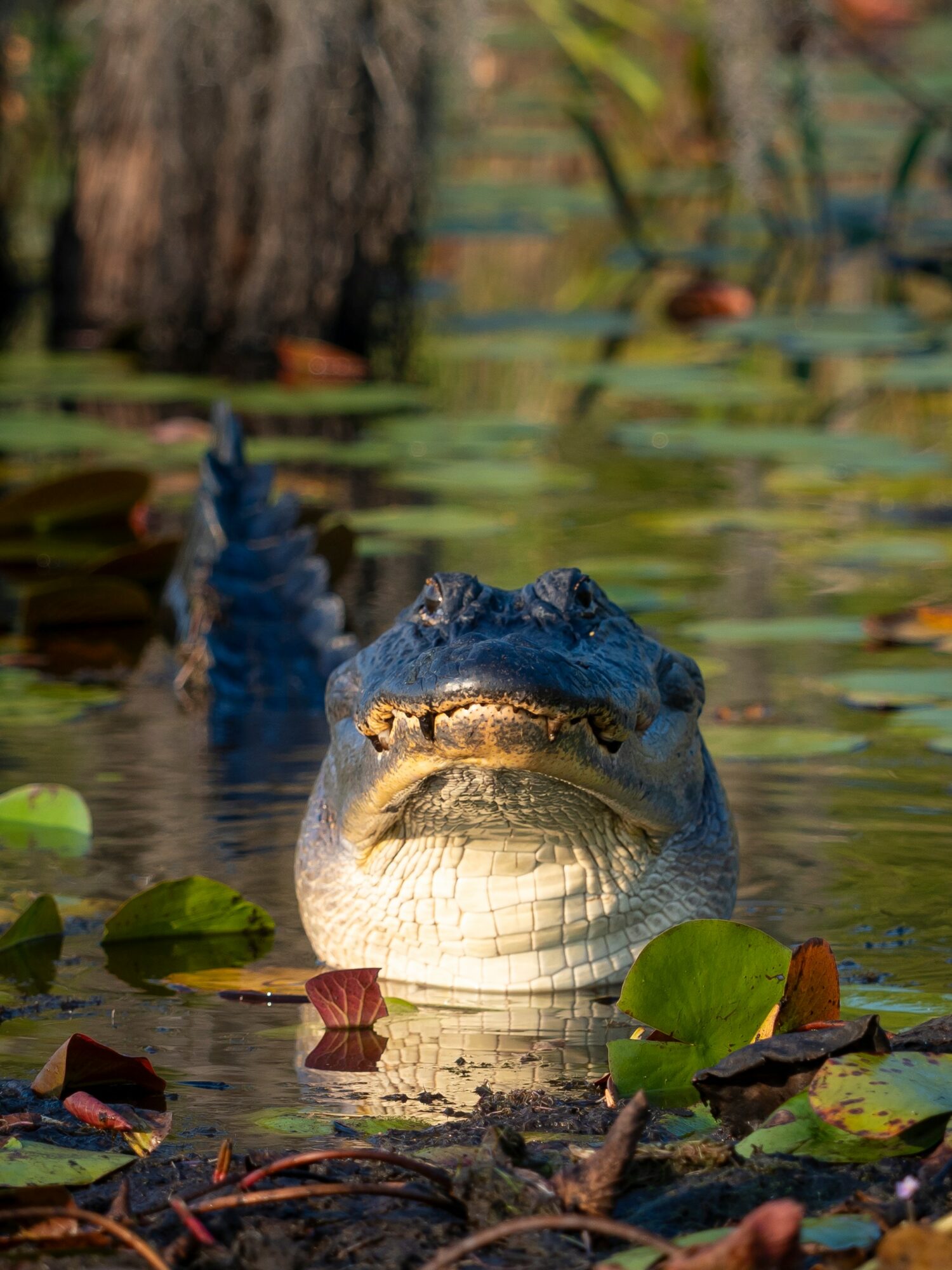
At the edge of Southeast Georgia—where tea-colored waters wind through ancient cypress draped in Spanish moss—lies the Okefenokee Swamp, North America’s largest blackwater wetland. Spanning more than 400,000 acres, this National Natural Landmark has remained largely unchanged for over 6,500 years. Its vast peatlands store an estimated 124 million metric tons of carbon—more than any other along the Atlantic or Gulf coasts—making the Okefenokee a vital, living defense against climate change.
My days are rooted here with my husband and a small, joyful barnyard menagerie—dogs underfoot, chickens in constant motion, a pig and two goats reminding us daily that life is best lived close to the land. The swamp is not just the backdrop to our lives; It sets the pace, demands respect, and offers perspective.
My path here wasn’t linear. It’s been shaped by classrooms and boardrooms, by early mornings in school leadership and long days navigating nonprofit growth. Over nearly three decades, I’ve learned that meaningful work happens at the intersection of people, place, and purpose.
In 2020, I stepped into the role of Executive Director of Okefenokee Swamp Park, an 80-year-old organization with deep roots in this community. It was both an honor and a responsibility—to steward something so beloved while helping it evolve for the future. I brought with me an MBA from Jacksonville University and years of experience leading fundraising campaigns and building partnerships. But more importantly, I brought a belief: that conservation and community prosperity are not competing ideas—they are inseparable.
Today, my work is about aligning those forces. It’s about ensuring that this extraordinary landscape—the largest blackwater wetland in North America, storing millions of tons of carbon and sheltering remarkable biodiversity—remains protected, while also creating opportunity for the people who call this region home. The Okefenokee teaches you to think long-term. It reminds you that what we do today echoes far beyond us. And that’s the work I’ve committed to—helping ensure that this place endures, not just as it was, but as a source of pride, livelihood, and wonder for generations to come.
Contact Info:
- Website: https://okeswamp.org/
- Instagram: https://okeswamp.org/#instagram
- Facebook: https://okeswamp.org/#facebook
- LinkedIn: https://linkedin.com/company/okefenokee-swamp-park/
- Youtube: https://www.youtube.com/c/OkefenokeeSwampPark
- Other: https://okefenokeeworldheritage.org/