



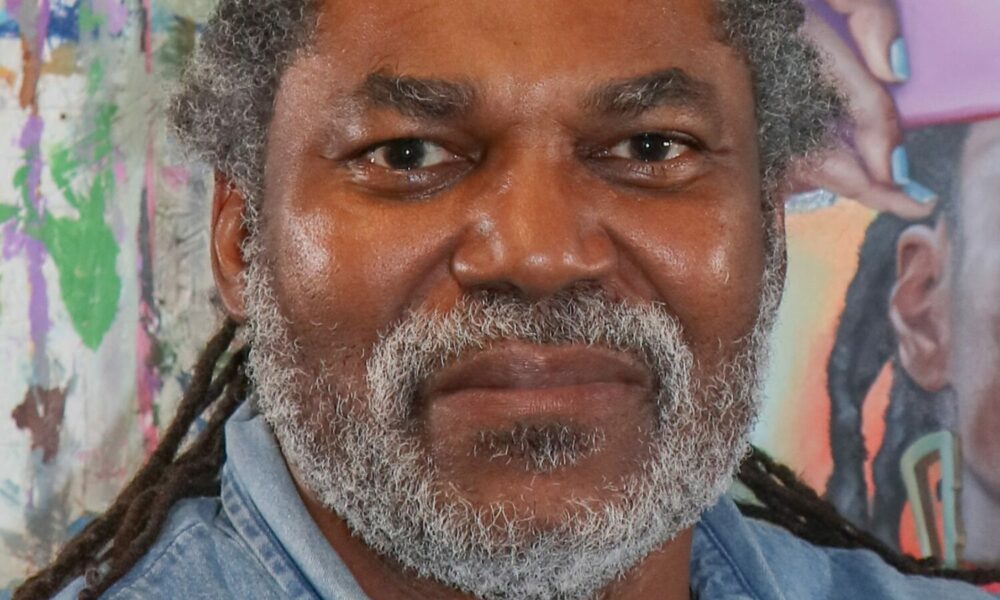
Today we’d like to introduce you to Weldon Ryan.
Hi Weldon, thanks for joining us today. We’d love for you to start by introducing yourself.
I was born in The Republic of Trinidad and Tobago and came to the USA at six. We settled in the Bronx, where we lived for 20-plus years. I went to college at the State University of New York at New Paltz, the Fashion Institute of Technology, and The Art Students League of New York (for a brief stent). I studied art at the High School of Art and Design, where I had a jump start with painter and educator and living master Max Ginsburg; he was the person responsible for opening up my eyes to the world of illustration by taking his classes to the Society of Illustrators on 63rd street in Manhattan.
I worked as an Urban Park Ranger for the NYC Parks Department, where I helped create murals for the Pelham Bay Environmental Nature Center. I am the first African American appointed to the New York City Police Department’s Composite Artist Unit. As I worked across the bridge, my studio was in the DUMBO art district in Brooklyn on my off time.
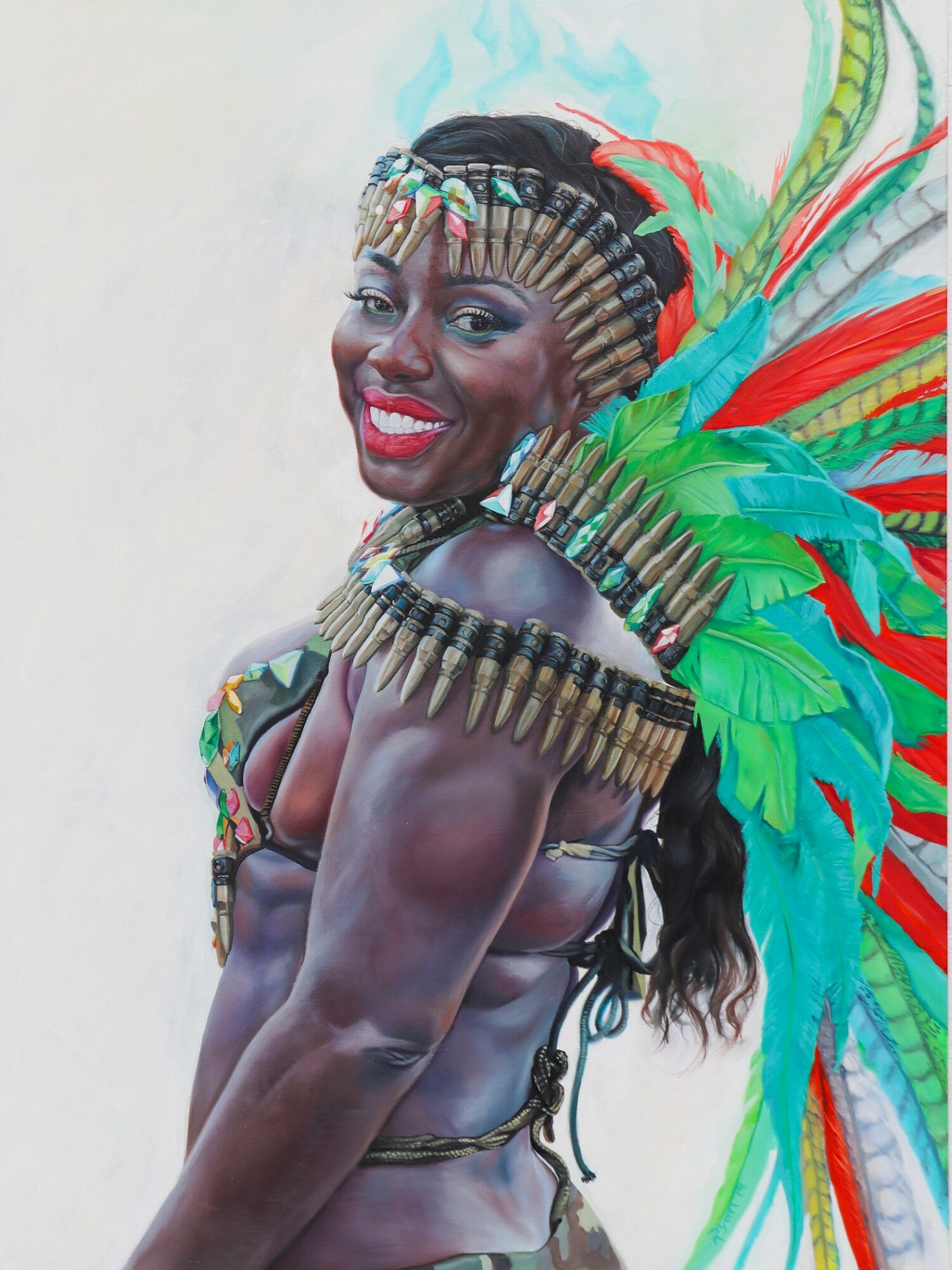
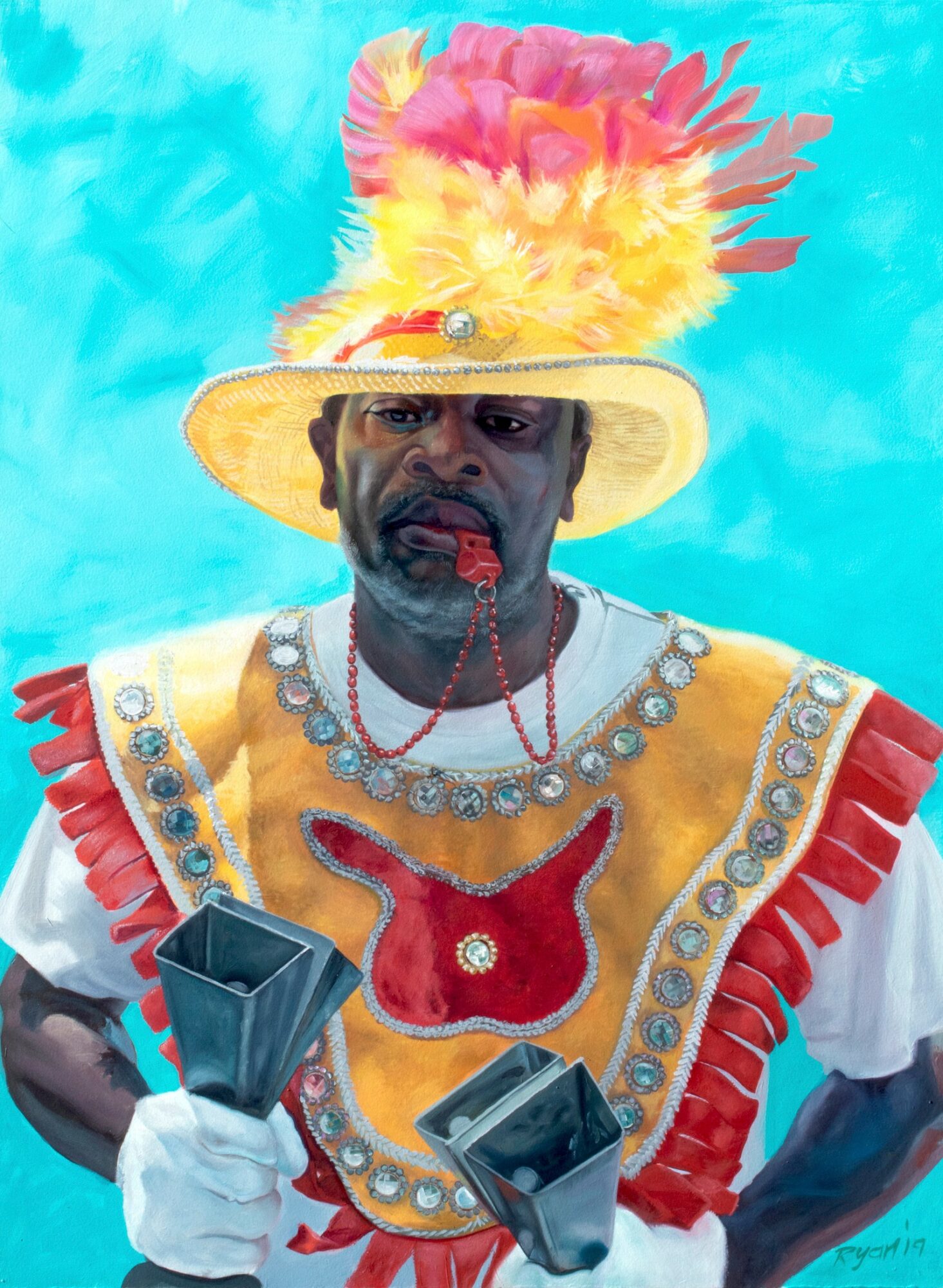
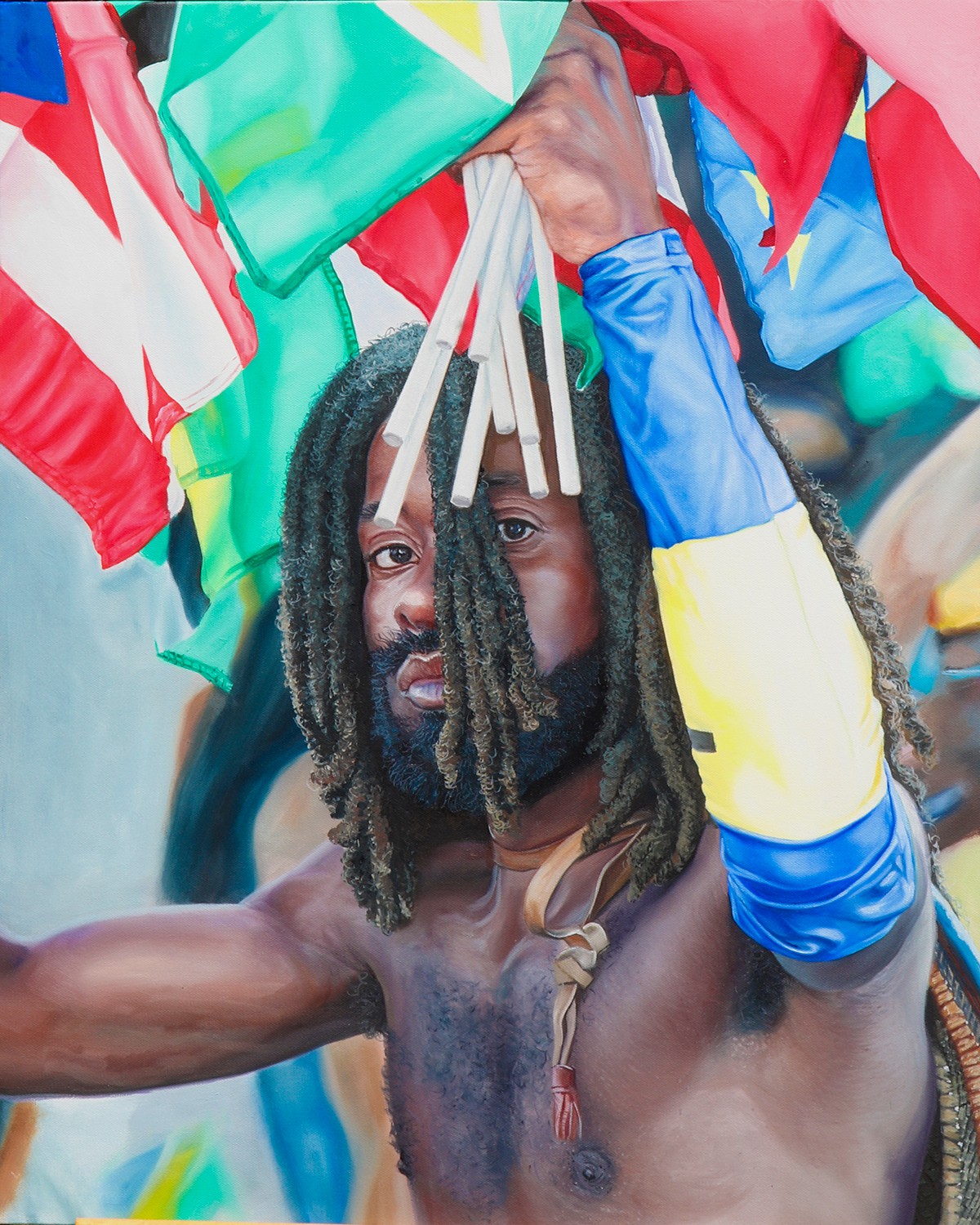
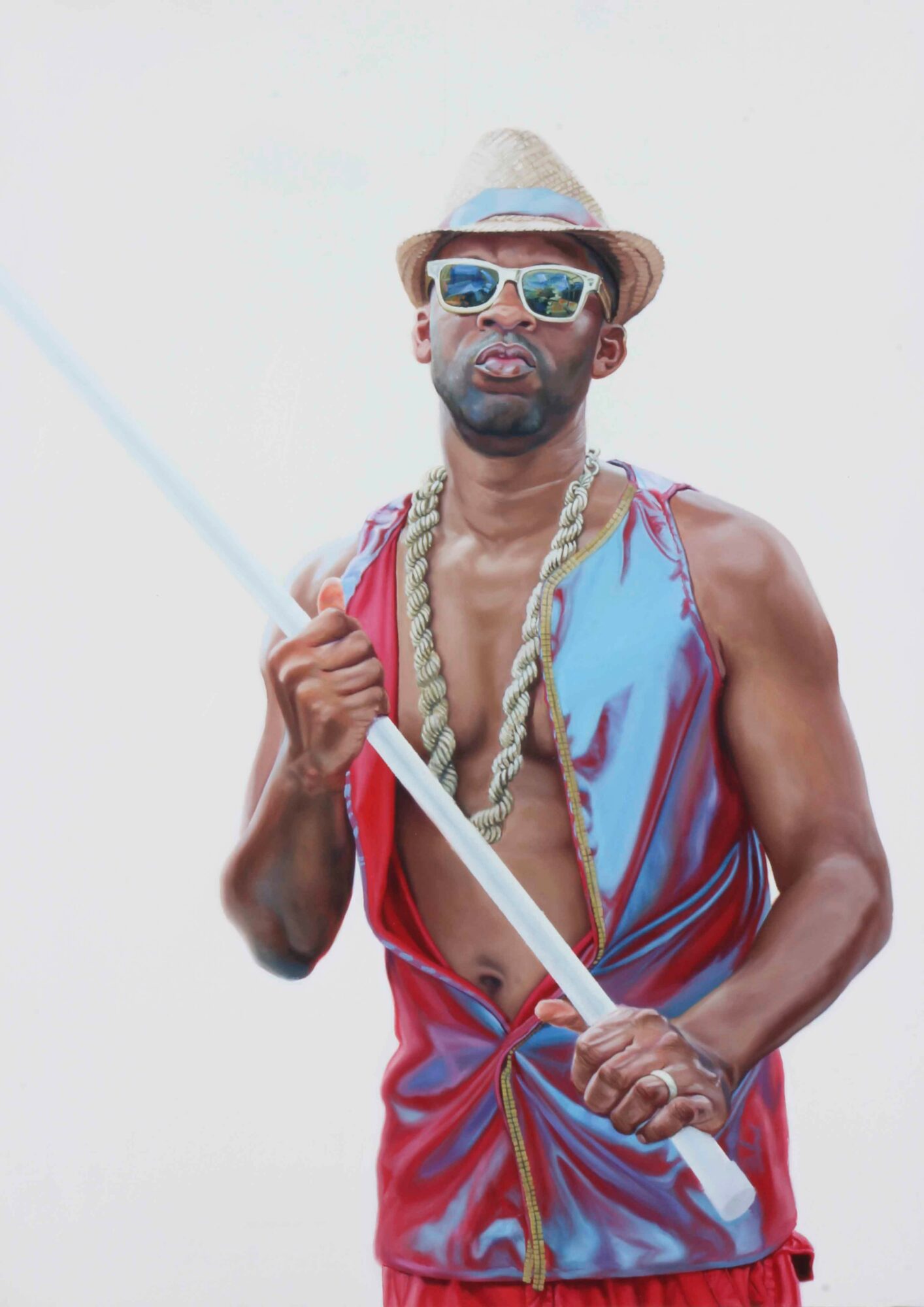
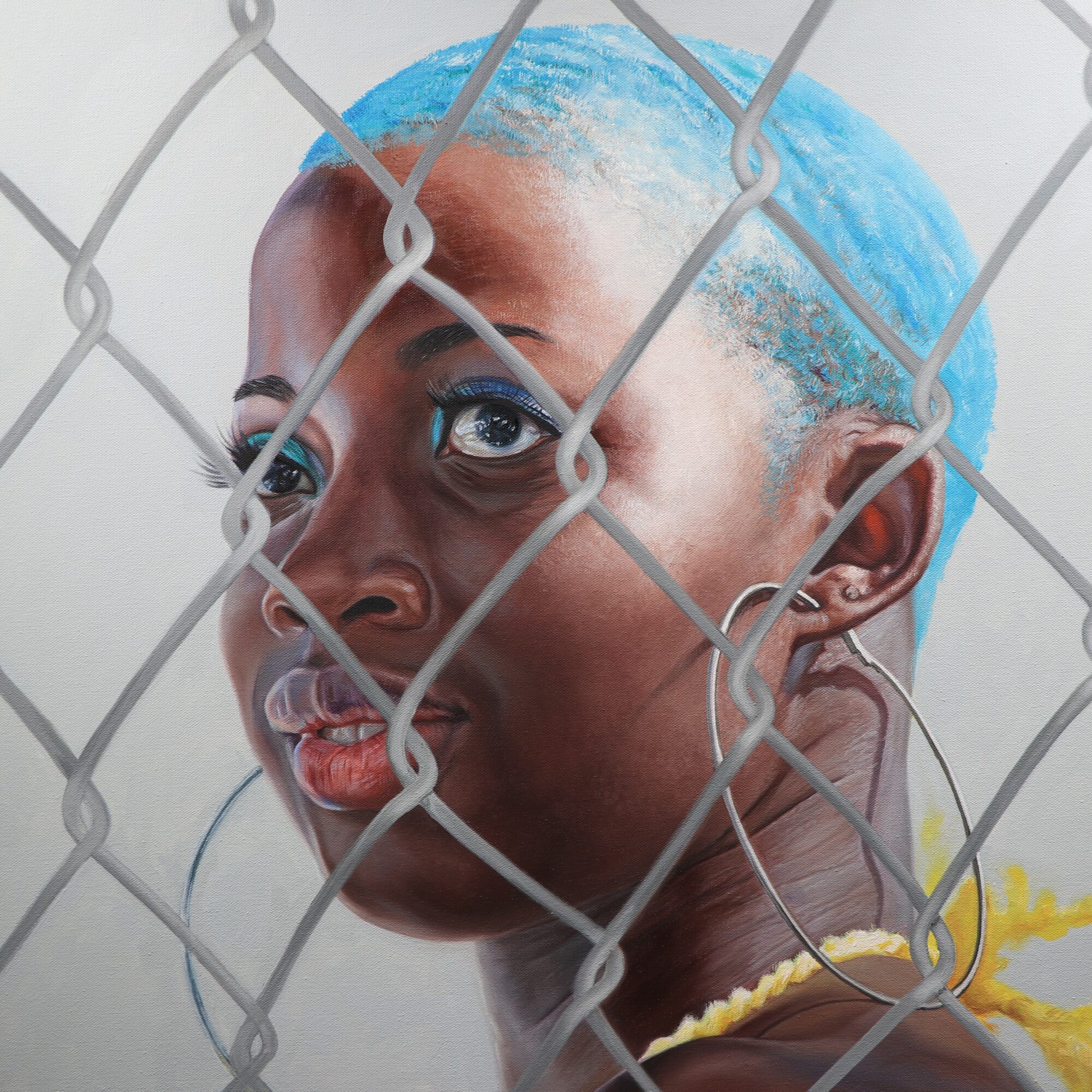
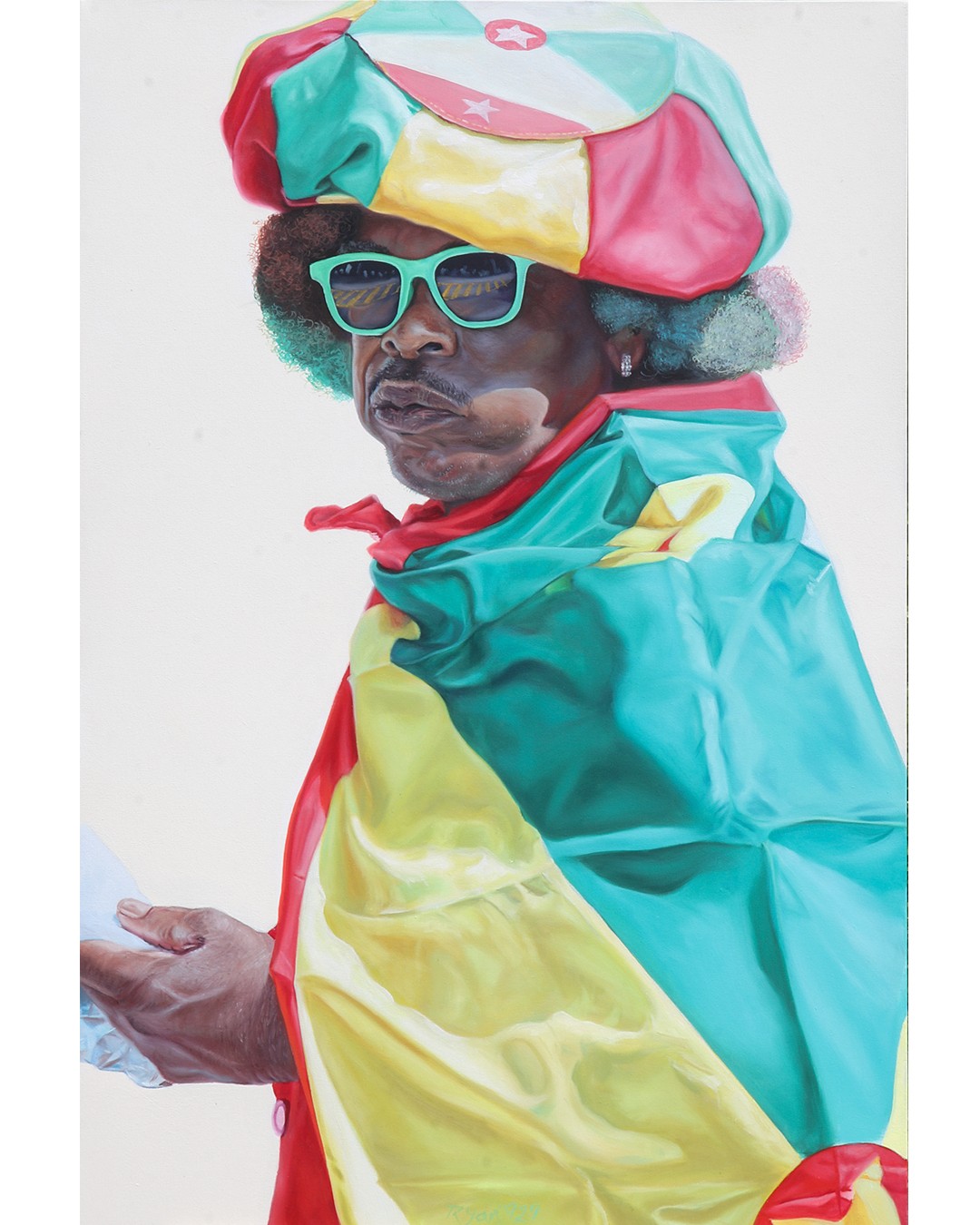
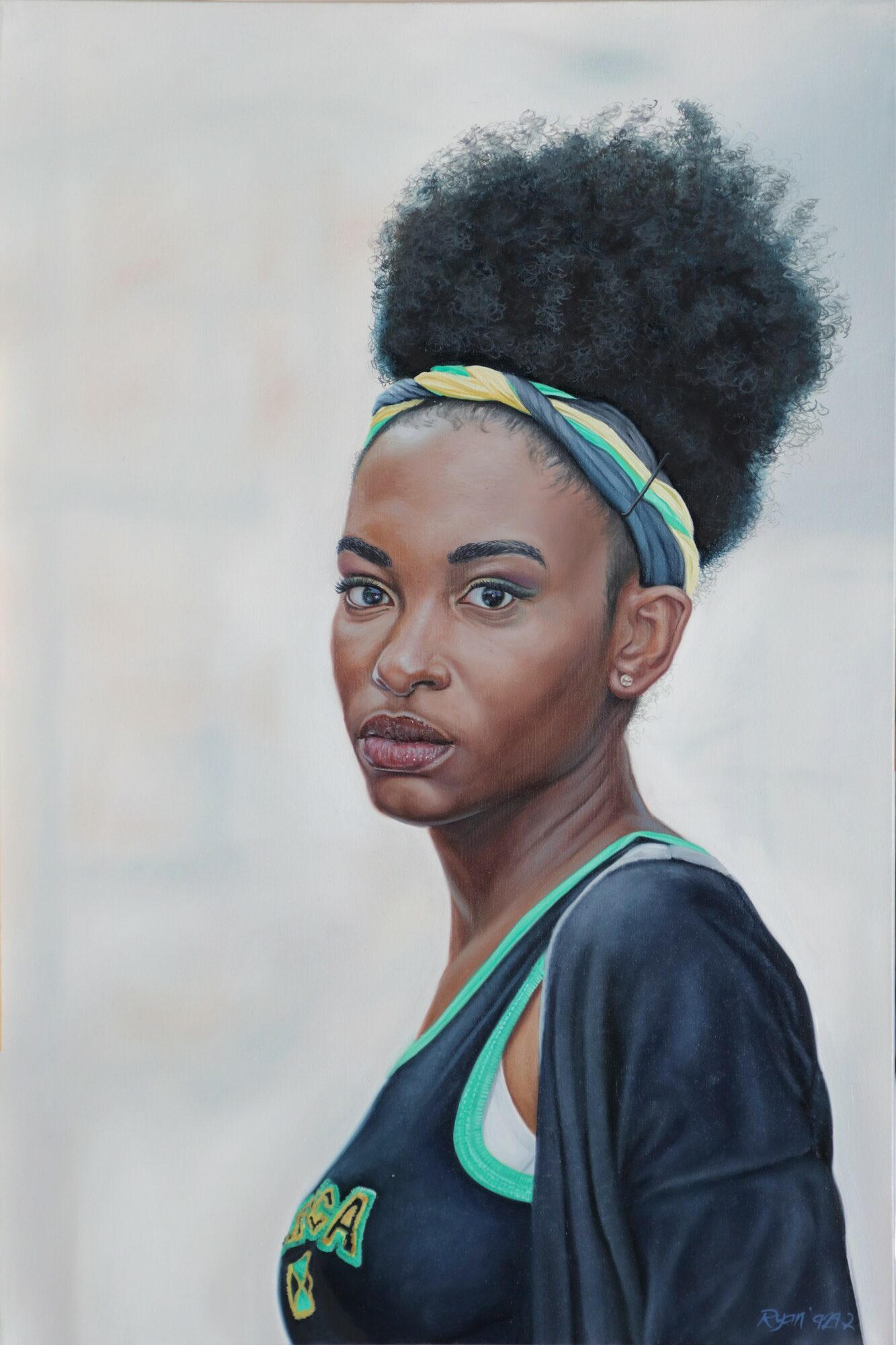
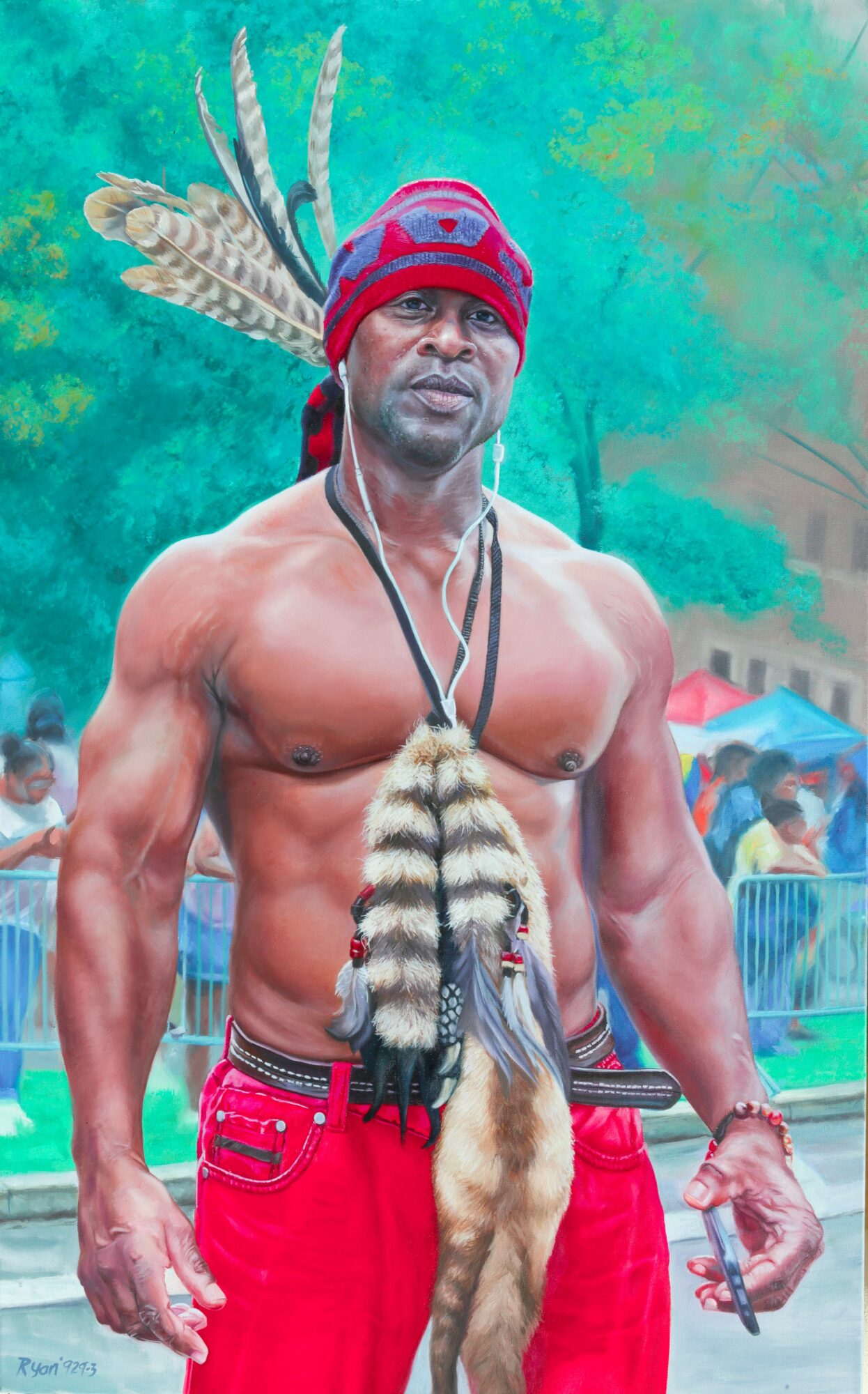
After 18 years of service and solving numerous crimes with my drawing skills, I retired from the NYPD. I relocated with my family to Palm Coast. Florida. In 2010 I became the Flagler County Art League president and was also the Gargiulo Art Foundation Flagler County Artist of the Year in 2011. Soon after Richlin, my Wife and I opened Calypso Fine Art Gallery in Bunnell. Unfortunately, we didn’t get the traction needed to stay open, so we turned it into a DotCom. Presently I exhibit works online at www.calypsofineart.com and am represented by Stone Sparrow NYC Contemporary Art Gallery and Gallery Guichard in Chicago. My carnival series of paintings shows with the Art of Carnival travel Exhibits annually on the east coast and eventually abroad.
My understanding of art and creation stems from various sources of inspiration. My career goal was to do sci-fi book cover illustrations. Boris Vallejo, Frank Frazetta, and the Hildebrandt brother’s covers inspired me. The golden age of illustration, Norman Rockwell, and various outstanding artists, to name, were also a driving force for where I am about painting. Realism and my fascination with painting the human form and the natural world were also one of my inspirations. I want to create art like what I saw from this source, which I want people to see in my art. There was no distinction to Fine Art. It was the same. The most inspiring to me is the art from famed Children’s book Illustrators Leo and Diane Dillon, with their works displaying pageantry and sophistication. These are the books I read to my children. Today I paint costumed revelers with the excitement of the road march and parade precession. In particular Jacksonville Carnival where I painted some great images of this Carnival
Can you talk to us about the challenges and lessons you’ve learned? Looking back, has it been easy or smooth in retrospect?
Art could have been smoother of a road. I wanted to learn the technique. Excel in my skills and be accepted by the art world. My educational choices held me back. I don’t mean to say where I went to school didn’t teach me. I needed an Atelier type of education to be fully aware of. I supplemented my learning by reading and experimenting with techniques of academic realism. Once out of college, I pounded the pavement with portfolio drop-offs. This was the late eighties when freelance illustration was big. I’d drop my portfolio to Dell Publishing, Tor, McMillan, and others to get an assignment for any genre. Sci-Fi or Romance. This went on for a year. At the same time, I’d be updating my book for these genres. The cost of reproductions of samples to build my book was costly. Developing promotional material had me broke.
Luckily I was living at home with my family. It was tough when nothing came about. I had no clue that these costs and finding jobs would be so difficult. That’s when I decided to do civil service jobs until I could get this Illustration career going. I took a couple of tests for New York City and worked for the Parks Department as an Urban Park Ranger. Eighteen months later, I became a member of New York’s Finest. My art skills were discovered then, so I used these jobs to do my art while trying to freelance. At first, the streets hardened me somewhat. I was in the roughest and most dangerous precinct in NYC. Being assigned to the most homicide accumulating 32 pct, death and violence were everywhere. Disputes and guns were familiar encounters. There were good moments too. Being a cop gives one a window into the world. My wife Richlin saw my change. She thought I had changed, and she stated it to me. She was right. I withdrew from my most liberal ideals, and I became more callous and too judgmental. I noticed this and tried to change by sketching in the patrol car. I broke out my oils and got creative despite being exhausted from the overwhelming hours I worked.
My precinct Commander saw my skills and used me to do minor art projects like drawing some crime scene schematics. I would see the police composite sketches in the muster room and wonder how and who did them. Shortly after that, a position opened up for a spot there because one of the artists had retired. So five years after my appointment to the force, I was appointed to that unit which was called the Composite Sketch Unit, located at One Police Plaza. Eighteen years later, I retired from Police work. I quit because I could no longer perform police duties due to injuries suffered.
Appreciate you sharing that. What else should we know about what you do?
I am a realist painter painting contemporary images in a post-expressionist art world. I prefer painting large for the freedom and excitement it creates. I do not frame my painting because the works are self-contained within their edges. I prefer gallery wrap or thicker stretchers to encompass my work. I mostly paint figuratively and usually feature the West Indian Carnival and scenes with greater worldwide acceptance.
Carnival is a joyful and exceptional celebration or fete which is multicultural, deriving from the exclusion of the enslaved and the indentured. The Caribbean Carnival is an atypical subject matter unusual to most venues casting me into an uncertain genre and making categorizing in galleries difficult. I work in oil and sometimes use acrylics in my background. My solid color backgrounds are intended to bring the viewer into the celebration of the subject’s state and time. It’s important to crop tighter and not be traditional about my composition. I also juxtaposition imagery at times. Excluded parts of the anatomy or item provide the viewer to also create in their mind the continuity of the painting, expanding the viewer’s imagination at the edges and causing involuntary participation by the viewer.
Carnival is about the celebration and the abandonment of rules which also work in this regard. The human anatomy and the natural world also challenge me. I sculpt in a 2-dimensional plane creating the illusion of depth using light and color as my chisel applied my brush. I also sculpt 3 dimensional, which enhances my understanding of forms. My years of forensic art, self-indulgence, and strong discipline, have gotten me to this point, and I am delighted to share it with you. One drawback is that my double professions slowed my career.
Age has become a hindrance, and my anticipation for success has increased, knowing my ceiling has a lower roof. Being an Afro-Caribbean American, being here for 54 of my 60 years gives me a unique perspective. I see the creative challenges of appeasing multiple platforms of American art. Painting realism isn’t readily crossover material for Black art, and a European-dominated art scene doesn’t fully understand my subject matter. This sets me apart from most.
We’d like to hear your thoughts on luck and what role, if any, you feel it’s played for you.
I’ve stumbled into being an artist everywhere I’ve gone. Working for the Parked Department in NYC, through my art, I helped create a nature center in the Bronx doing the murals. As a cop, I stumbled into art once it was known I had that talent. Graduating from art school has not been so successful for many with those career aspirations. There was a bit of luck there. Seeing my skill level and being a forensic artist enabled me to lead with the PAL and Flagler County being the president of the Art League there. Also, being a forensic artist in one of the busiest cities in the world helped hone my drawing abilities which helped build my painting skills. I can’t leave out the luckiest part of my life. Meeting and married a fellow artist, Richlin Ryan, who has stuck with me through my most challenging times.
Contact Info:
- Website: www.weldonryan.com
- Instagram: @weldonry8903
- Facebook: https://www.facebook.com/weldon.ryan.77
- Twitter: @weldonryan1
- Youtube: @weldonryan9485