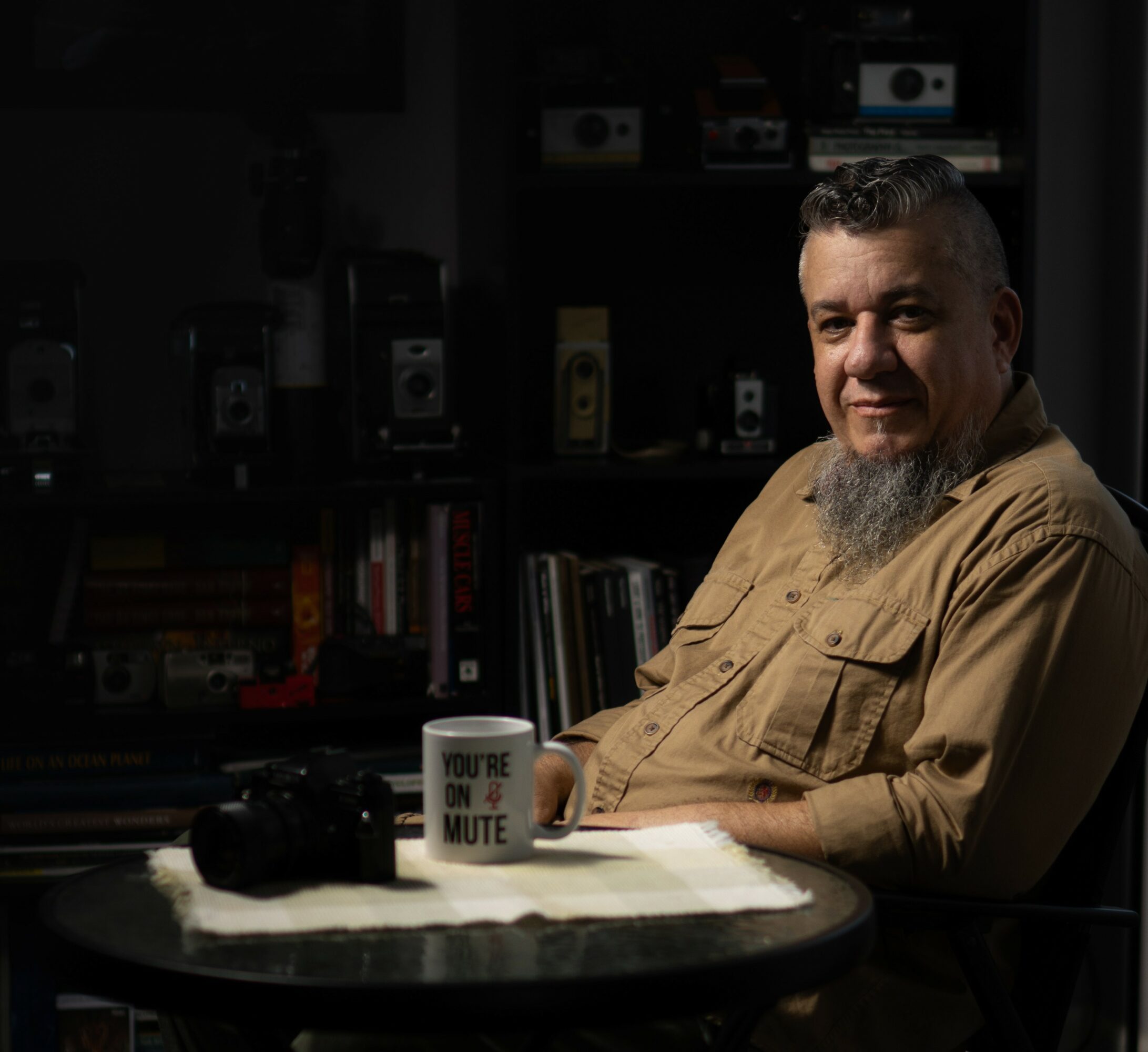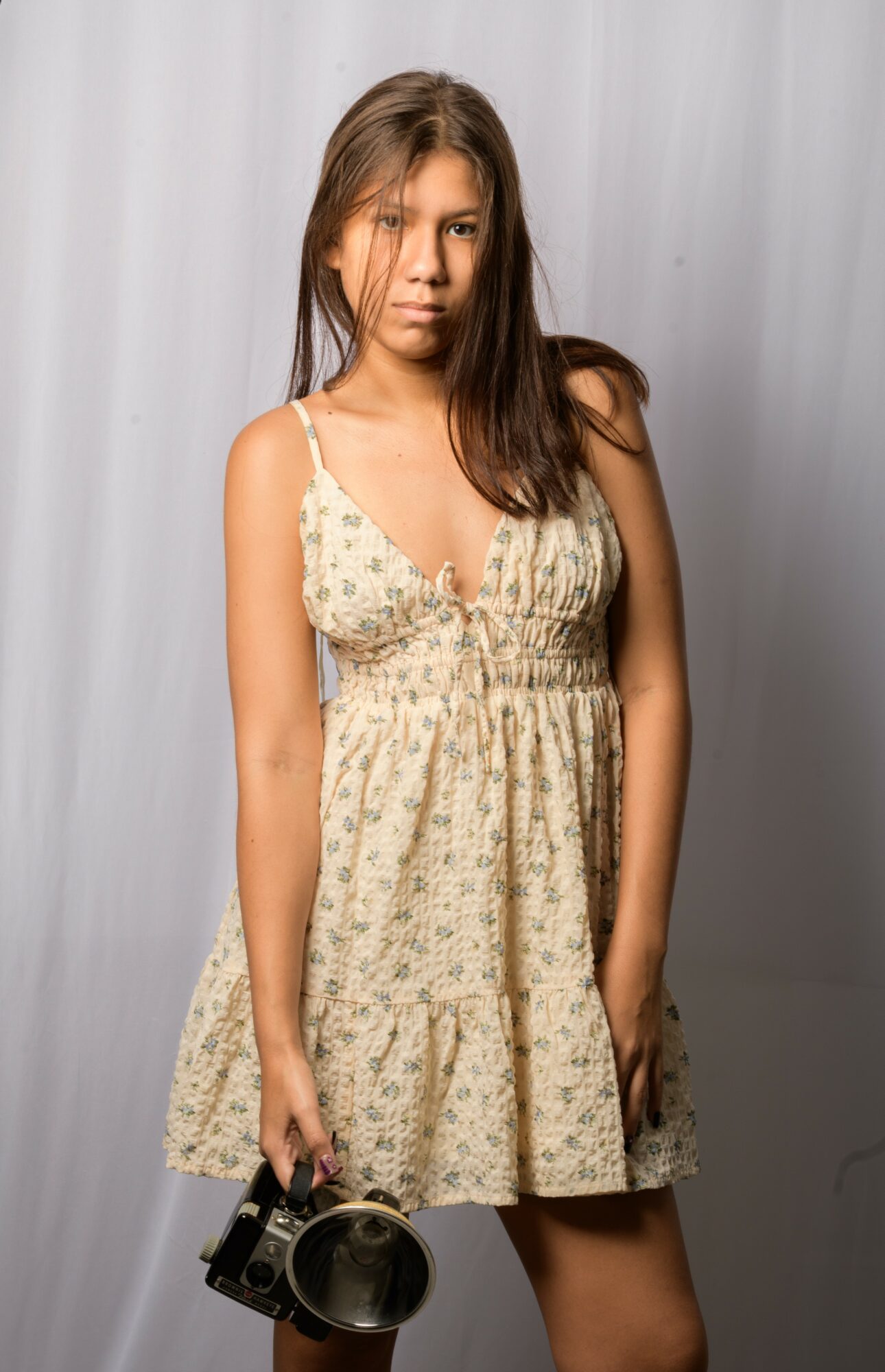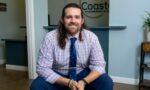




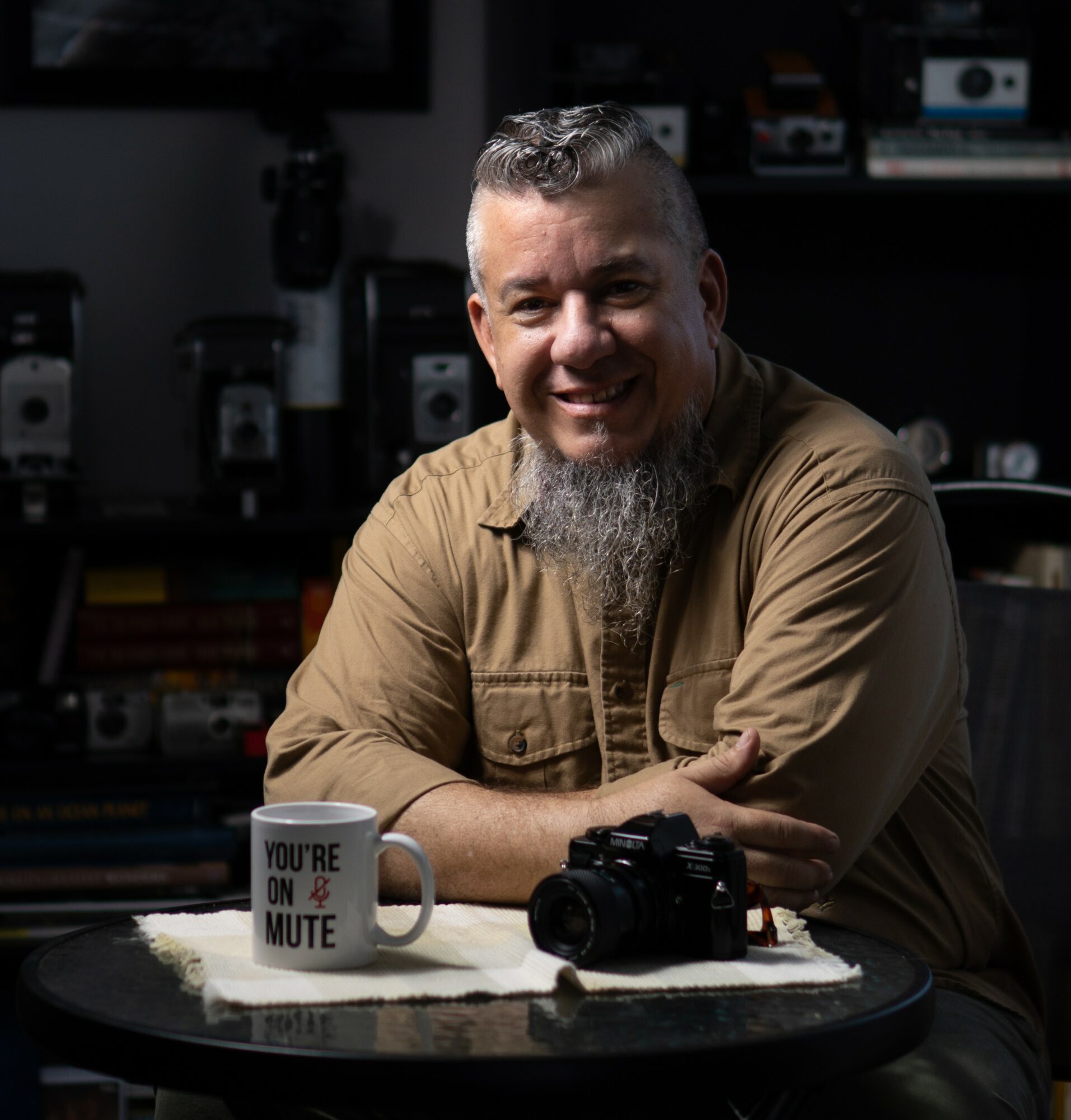
Today we’d like to introduce you to Jorge Pena.
Hi Jorge, thanks for joining us today. We’d love for you to start by introducing yourself.
I used to think my story was about changing careers. Today, I understand it as a story about reinvention—and about discovering that the seemingly separate parts of our lives may belong to the same creative journey.
I was born in Caracas, Venezuela, into a creative family where observation and imagination were quietly encouraged. I eventually became a lawyer, public defender, prosecutor, and professor, while photography developed alongside my legal career. At first, those two worlds seemed completely separate. Over time, I realized that both required many of the same qualities: attention, curiosity, empathy, and the ability to recognize the story beneath what is immediately visible.
My photography took me from portraits and family celebrations to commercial and editorial work published in Venezuelan magazines and newspapers. Then immigration changed the direction of my life. Moving to the United States meant beginning again—not symbolically, but literally. I worked in manufacturing, warehouses, logistics, and eventually as a truck driver. For years, my professional life looked very different from the one I had built in Venezuela, but the artist, writer, and observer in me never disappeared.
That period taught me that starting over does not erase your identity; it reveals what remains when titles, certainty, and familiar surroundings are gone.
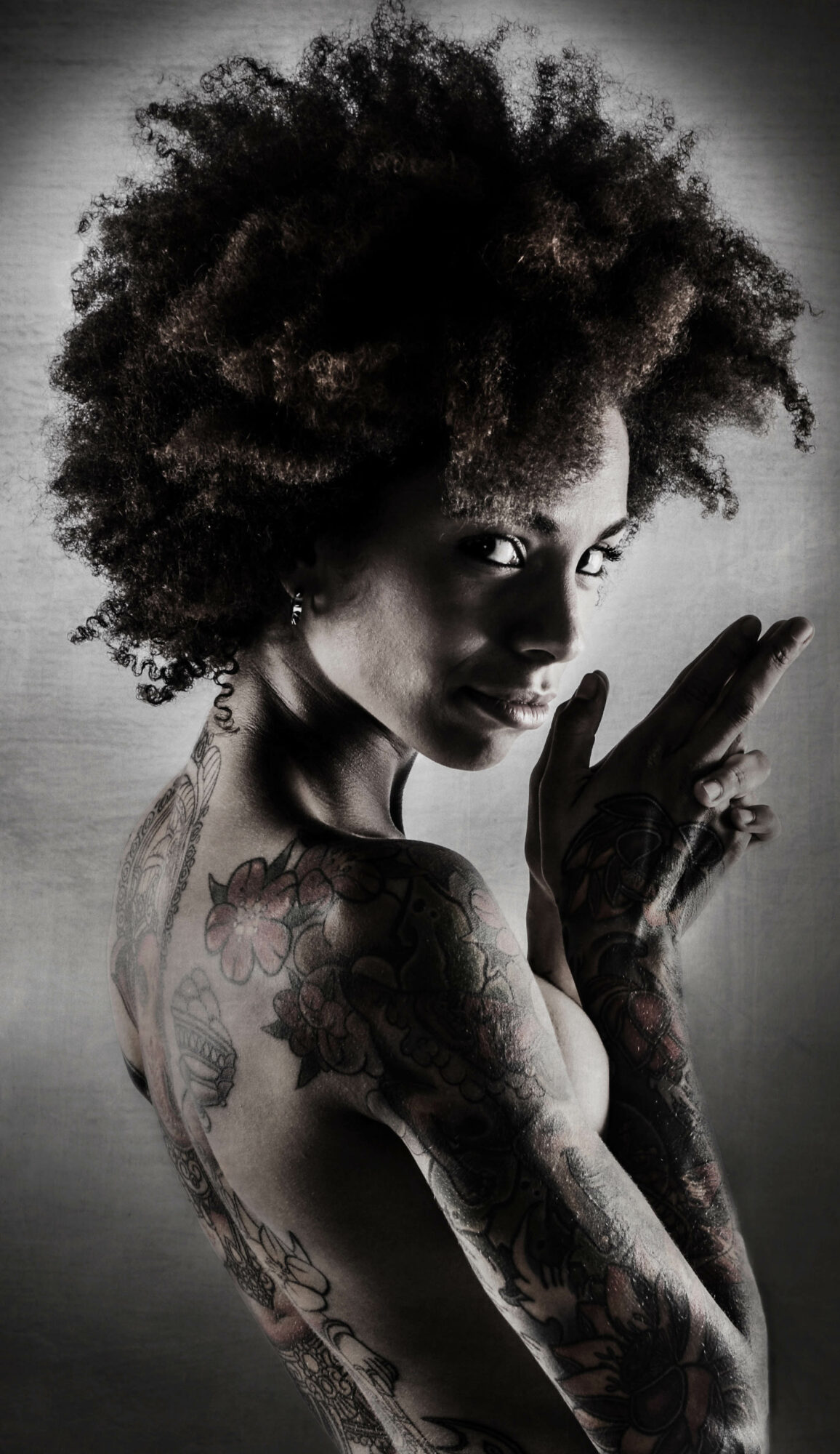
Today, Ingravity Art brings those experiences together. I create fine-art portraits, boudoir experiences, and visual stories, but the work is not simply about making someone look beautiful. It is about identity, memory, and self-recognition—helping people encounter a version of themselves they may have forgotten or never learned to see.
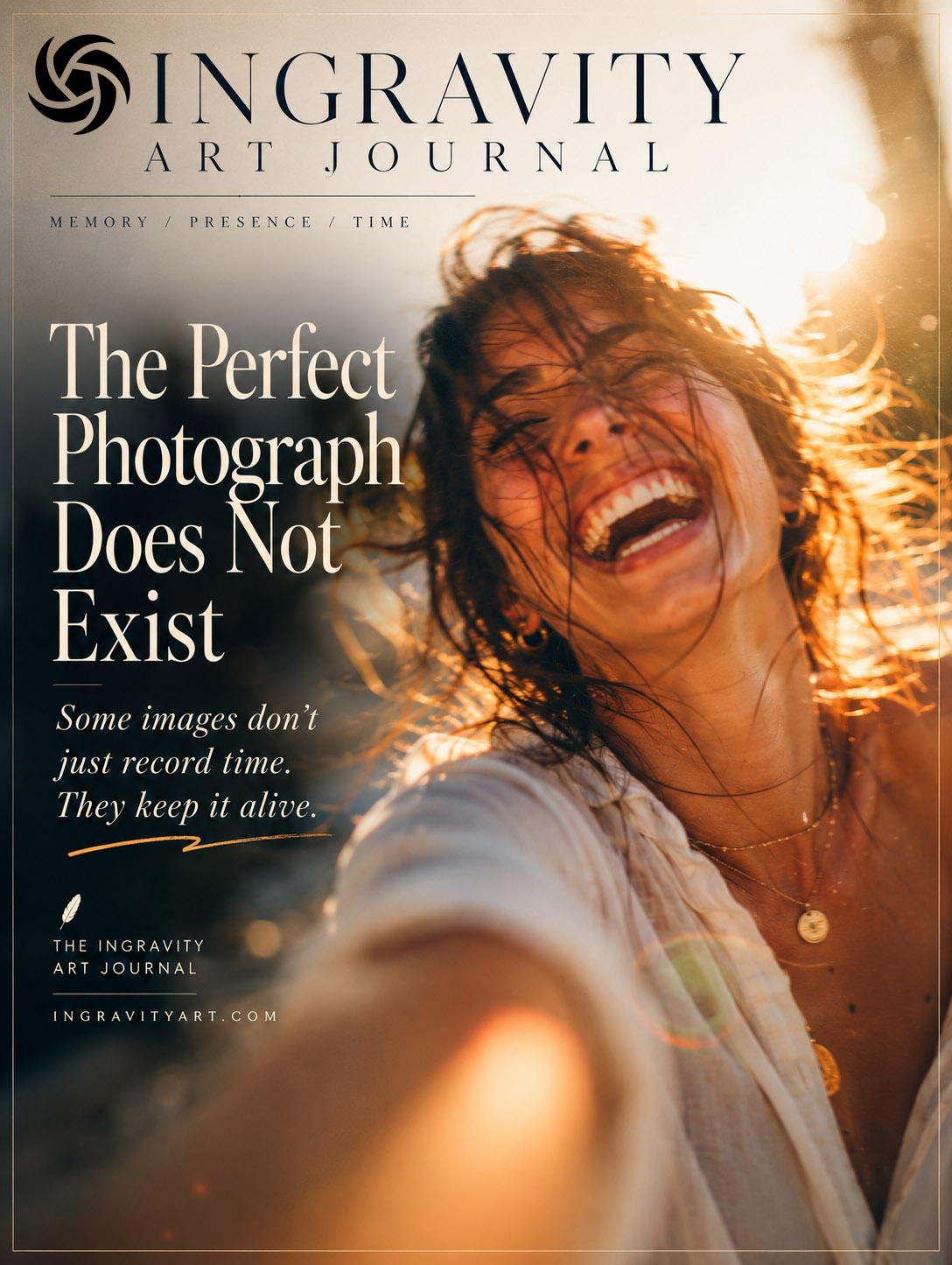
I have also returned more intentionally to writing through Háblame de Fotos and the Ingravity Art Journal. In those spaces, photography becomes a language for exploring family, absence, desire, culture, and the ways images preserve what time tries to take from us. Writing has allowed me to move beyond explaining how photographs are made and begin asking why certain images remain with us.
My path has included courtrooms, classrooms, studios, warehouses, and highways. It may appear unconventional, but every chapter taught me how to listen more carefully, adapt without losing myself, and look beyond the surface. The camera records light; people carry the story. My work today begins where those two things meet.
I’m sure it wasn’t obstacle-free, but would you say the journey has been fairly smooth so far?
It has not been a smooth road. The most difficult part was not simply immigrating or changing careers—it was learning how to begin again without losing the person I had already become.
When I arrived in the United States, my experience, professional reputation, and network did not travel with me in the same way that my memories and ambitions did. I had to prove myself again while adapting to a different language, culture, and professional environment. I worked in manufacturing, warehouses, logistics, and transportation. Driving a truck taught me discipline, patience, and endurance, but the long hours also created distance between me and the creative life I was still determined to build.
There were periods when survival had to come before creativity. Photography sessions, writing, and business development often happened after exhausting workdays or within the small spaces of time I could protect for myself. Building Ingravity Art required more than artistic ability. I had to learn marketing, technology, contracts, customer experience, and how to build trust in a community where few people knew me or my previous work.
The most personal challenge, however, was quieter: wondering whether I was truly rebuilding my life or gradually moving farther away from the person I had once been. Reinvention can be empowering, but it can also be disorienting. You are grateful for every opportunity while privately grieving parts of your identity that no longer seem visible to the world.
Eventually, I understood that starting over was not a detour from my story—it had become part of the story. The courtroom taught me to listen, the highway taught me patience, immigration taught me humility, and photography gave me a way to bring those lessons together.
The road is still unfolding. I continue to balance practical responsibilities with artistic ambition, and I still experience uncertainty and self-doubt. But I no longer measure progress only through titles or recognition. Sometimes progress means continuing to create when life gives you every reason to stop. For me, that persistence has become one of the most meaningful forms of success.
Can you tell our readers more about what you do and what you think sets you apart from others?
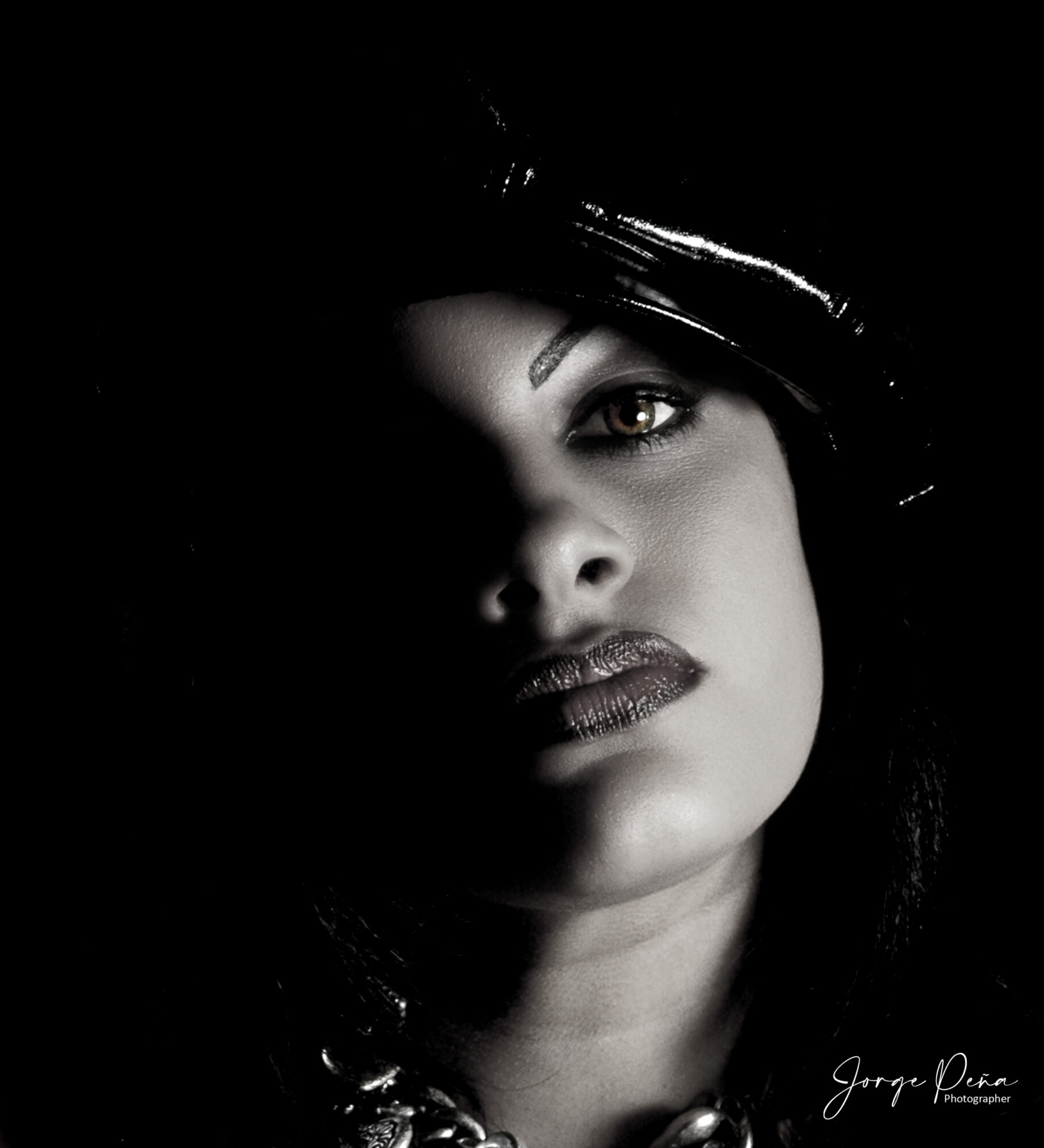
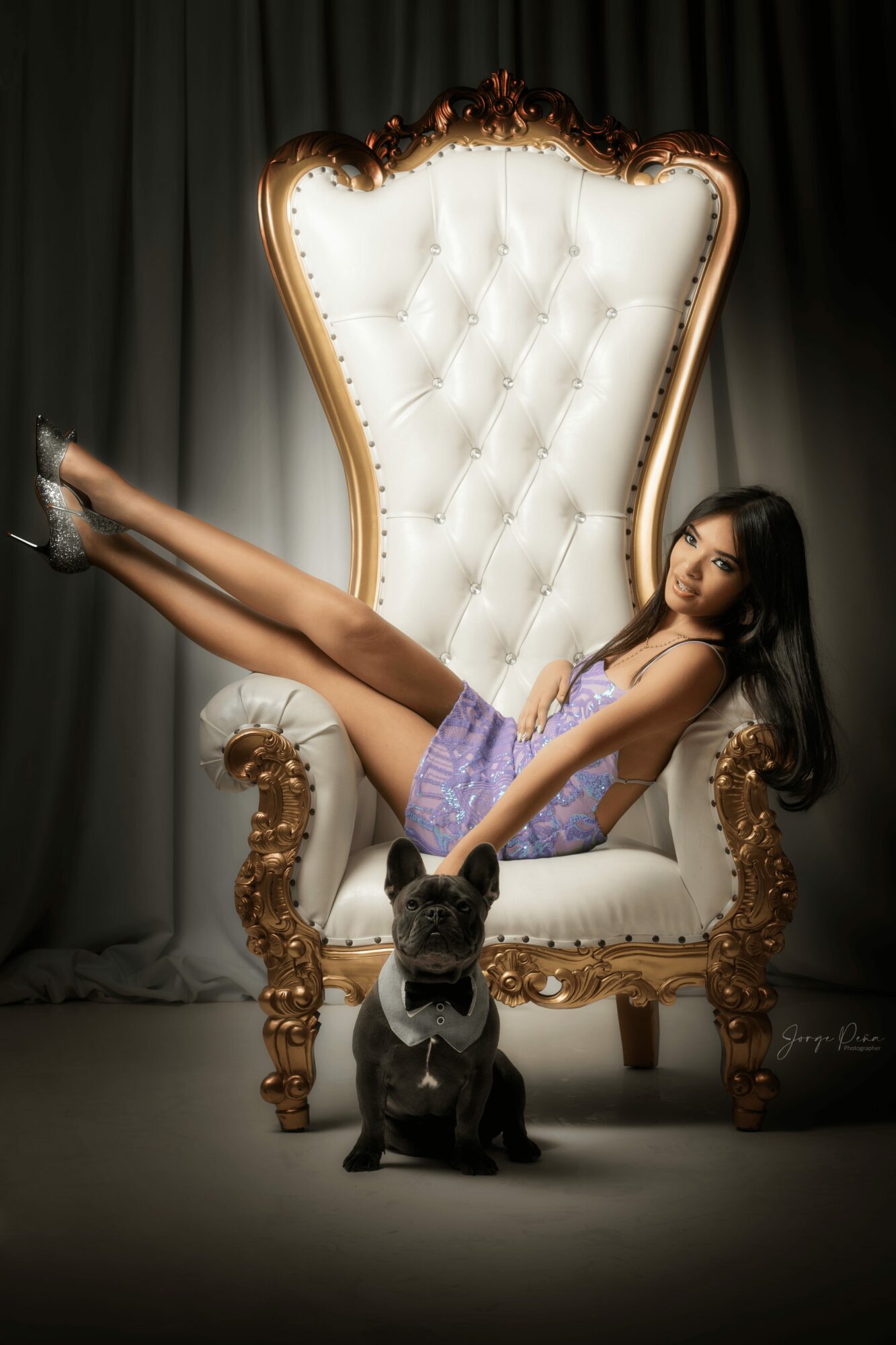
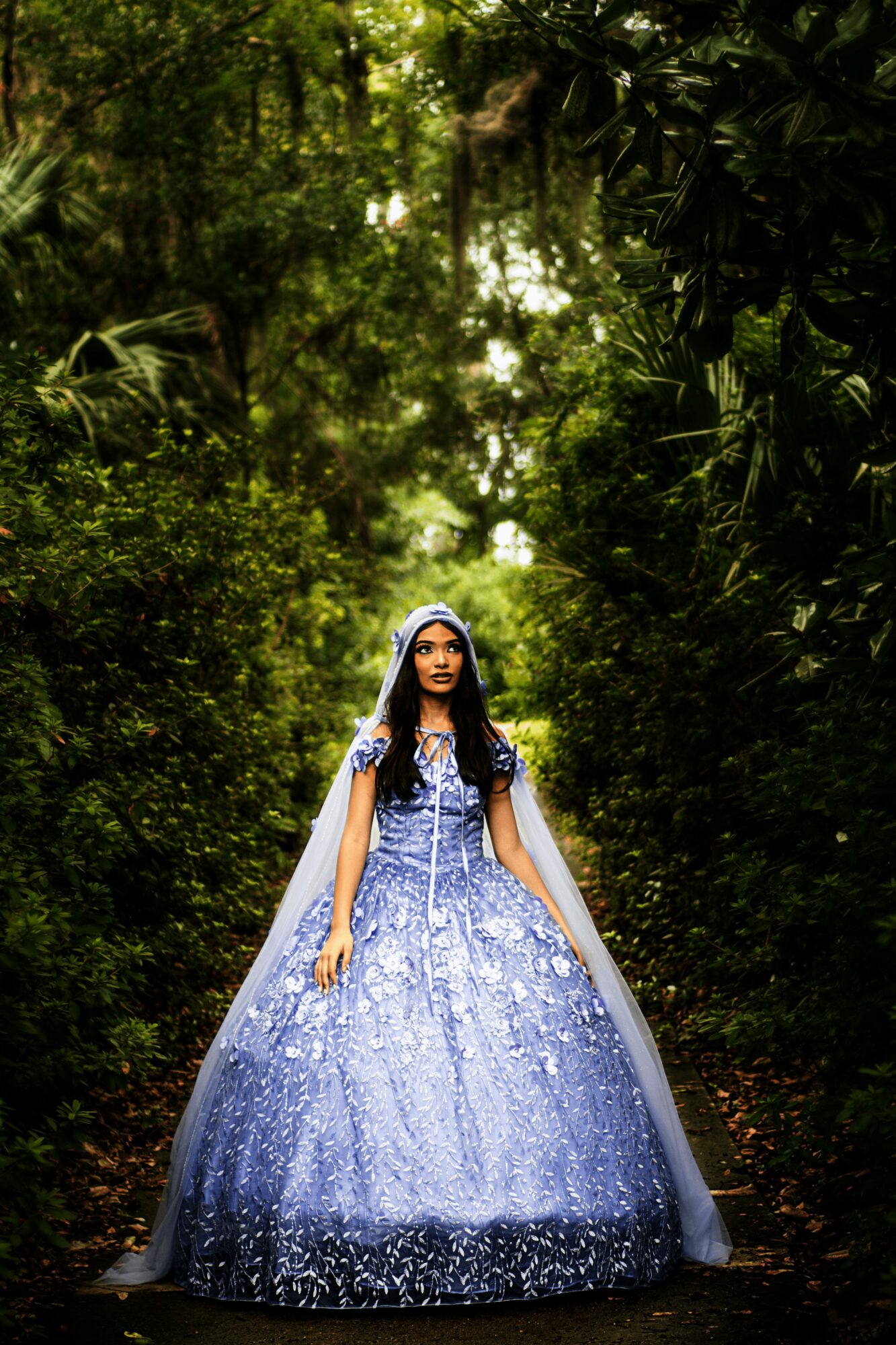
My work lives at the intersection of portraiture, memory, and identity. Through Ingravity Art, I specialize in fine-art portraits, boudoir experiences, and milestone photography. I photograph people at moments when they are celebrating, changing, remembering, or trying to reconnect with a part of themselves.
Lighting, composition, color, and direction are essential to my process, but technique is not the center of the experience. What matters most is building enough trust for honesty to emerge. I do not want to impose a character on the person in front of my camera; I want to help reveal something that already belongs to them.
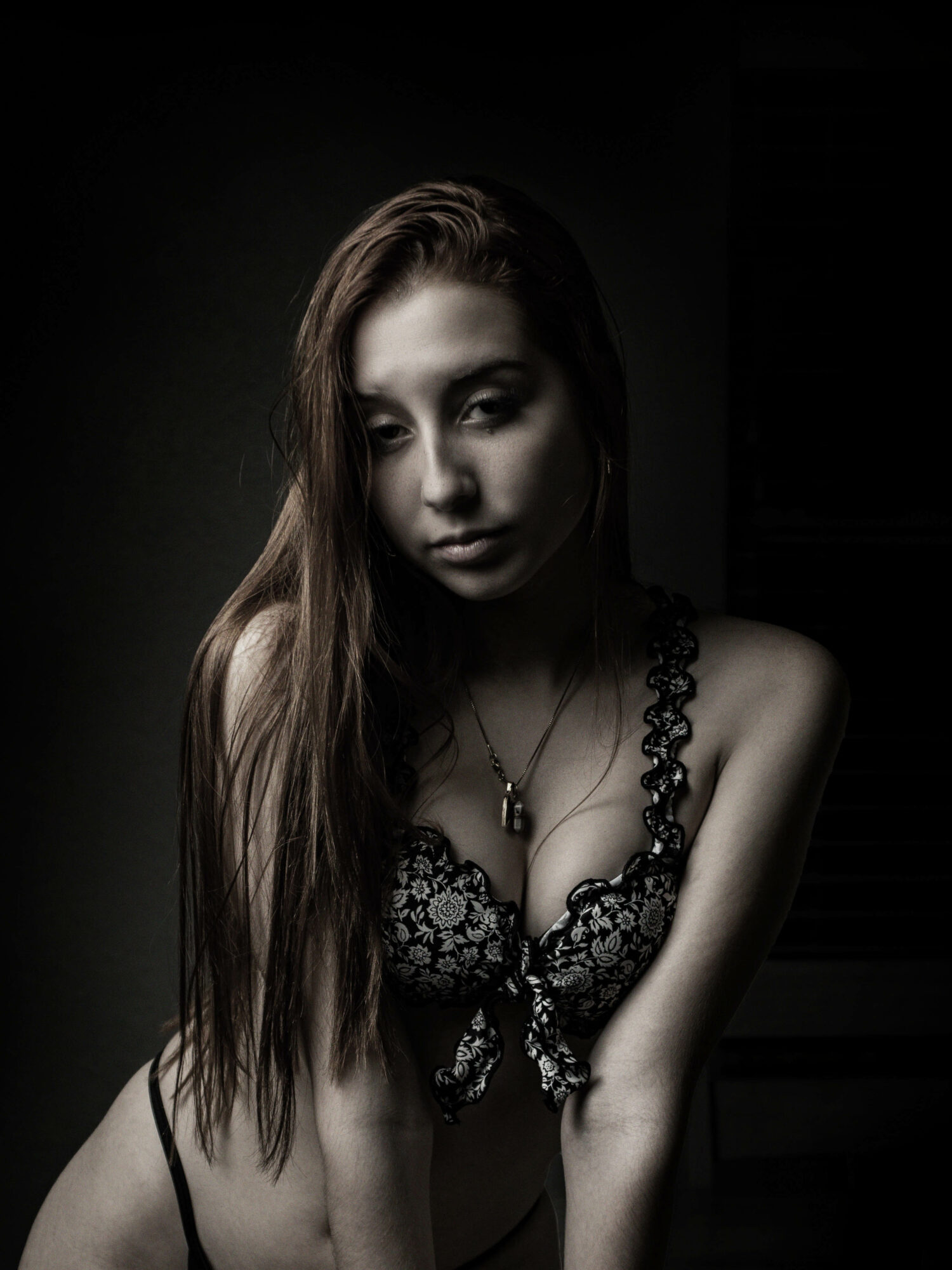
Boudoir, in particular, has taught me that a portrait can influence a person’s internal conversation. Many clients arrive feeling nervous, self-conscious, or convinced that they are not photogenic. I guide them through the entire experience without expecting them to know how to pose or perform for the camera. The most meaningful moment comes when they see their photographs and recognize strength, beauty, sensuality, or presence that they had stopped seeing in themselves.
I am most proud when the value of an image extends beyond the day it was created—when it becomes part of a family’s memory or helps someone look at themselves with greater kindness. A photograph does not need to be perfect to be meaningful. It needs to remain.
What sets my work apart is the range of human experience I bring into the studio. My background in law taught me to listen carefully and look beyond first impressions. Teaching taught me how to guide people with patience. Immigration and the years I spent working in unfamiliar industries deepened my respect for the private histories people carry. I never assume that what I first see is the whole story.
My creative work also continues through writing. In the Ingravity Art Journal, I explore the ideas behind my portraits and the human experiences that inspire them. Through Háblame de Fotos, I write more broadly about photography, memory, identity, family, absence, and visual culture. Together, these spaces allow me to continue the conversation across English and Spanish, reflecting a life shaped by two languages and cultures.
Ingravity Art is where I create images; the Journal and Háblame de Fotos are where I ask why those images matter. Together, they represent the work I hope to leave behind: not simply photographs, but invitations to look more deeply.
What do you like and dislike about the city?
What I like most about Jacksonville is its sense of space and possibility. It is a city with many different personalities—the river and bridges, the skyline, the beaches, the historic neighborhoods, and the quiet natural areas that can feel far removed from city life. As a photographer, I appreciate how quickly the light, landscape, and atmosphere can change as you move from one part of Jacksonville to another.
More personally, Jacksonville is where my family and I rebuilt our lives. It is where we bought our home, created new memories, and where Ingravity Art continues to take shape. Because of that, I do not experience the city simply as a location. For me, it represents a second beginning.
What I like least is that Jacksonville’s size and spread-out geography can sometimes make it feel less connected than it truly is. There are talented artists, interesting small businesses, and meaningful community projects throughout the city, but they are often separated by long distances and do not always receive the visibility they deserve. You can live in one part of Jacksonville and remain unaware of something remarkable happening on the other side of town.
I would love to see stronger connections among the city’s creative communities and more opportunities for local artists and independent businesses to become visible. Jacksonville already has so much to offer; sometimes, it simply needs to become better at seeing and celebrating itself.
Contact Info:
- Website: https://www.ingravityart.com
- Other: https://www.hablamedefotos.com