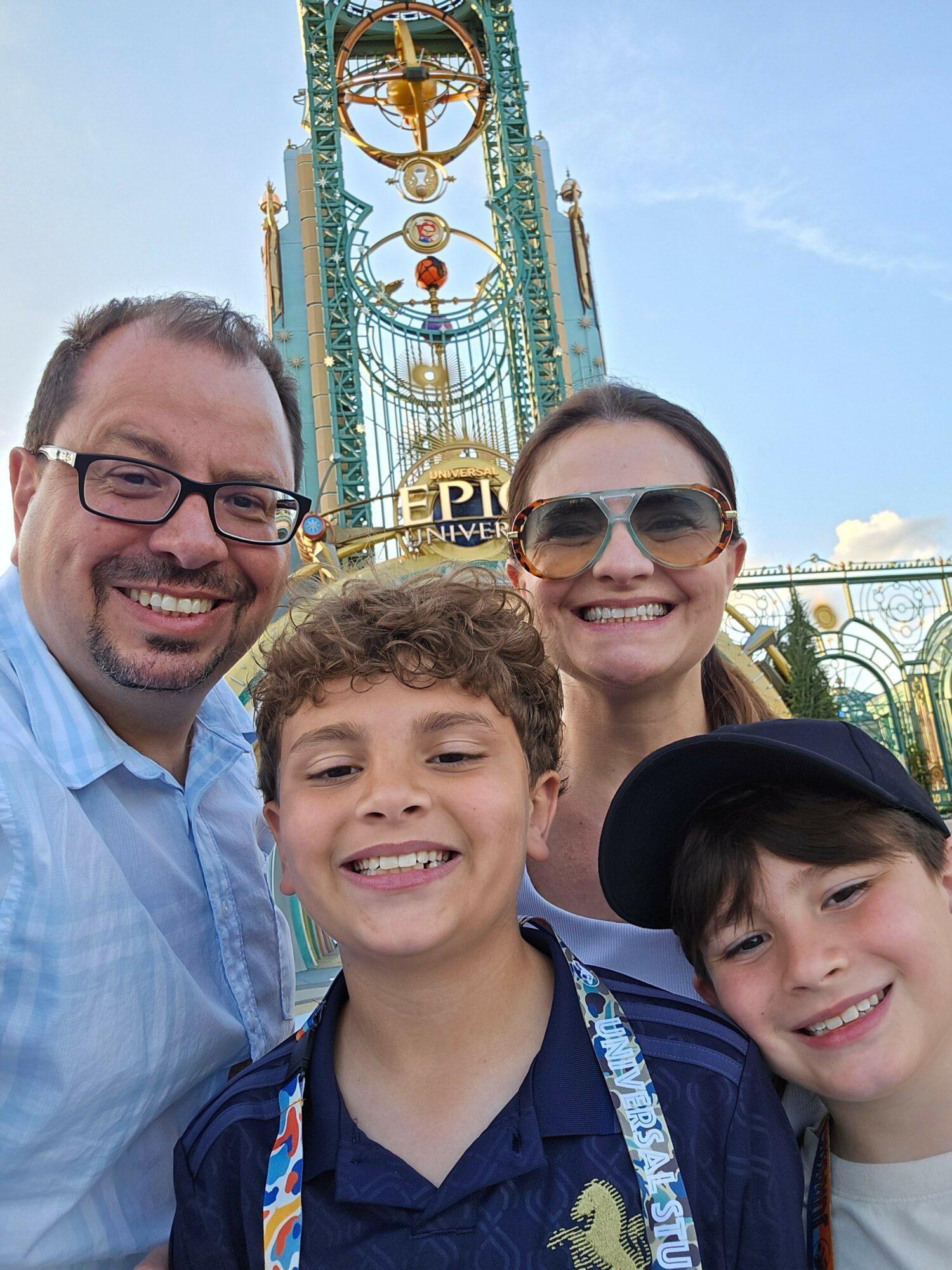




Today we’d like to introduce you to Rodrigo Demarco.
Hi Rodrigo, can you start by introducing yourself? We’d love to learn more about how you got to where you are today?
Rodrigo Resende Demarco: Building a Legacy Through Entrepreneurship, Hospitality, and Real Food
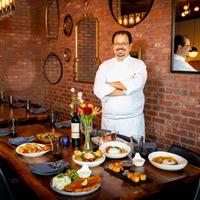
Born in São Paulo, Brazil, on July 3, 1975, Rodrigo Resende Demarco’s journey is a story of entrepreneurship, resilience, family legacy, and an unwavering passion for hospitality. While many people know him today as the CEO and Executive Chef of FamigliaDemarco LLC and the founder of Rustic 21 Bistro in Jacksonville, Florida, his connection to food and hospitality began long before the restaurant’s doors ever opened.
The roots of that passion can be traced back generations. Rodrigo’s great-grandmother worked as a cook and operated a boarding house in Vila Mariana, São Paulo, where she prepared meals primarily for doctors and students associated with the Escola Paulista de Medicina. Her dedication to feeding others became part of the family’s identity and would eventually influence future generations.
Years later, Rodrigo’s uncle, his father’s brother, João Carlos Demarco followed a similar path, becoming a professional cook, chef, and gastronomy professor. Growing up around him, Rodrigo was exposed to the discipline, creativity, and joy that cooking could bring. Those early experiences sparked a lifelong fascination with food and hospitality.
Entrepreneurship also entered his life at an early age. At just sixteen years old, Rodrigo managed his first pizza restaurant alongside his sister. It was an experience that introduced him to the realities of business ownership, customer service, and operational management. Over the years, he would continue building experience in the food service industry, operating two buffet-style restaurants and later managing a café and restaurant located in the food court of a university campus.
At the same time, Rodrigo pursued higher education and developed a strong foundation in business leadership. He earned a Bachelor’s Degree in Tourism Management, completed an International Chef specialization program, and later obtained a Master’s Degree in Strategic Marketing Management from Fundação Getulio Vargas (FGV), one of Brazil’s most respected academic institutions.
His professional career expanded beyond food service into executive leadership and large-scale operations management. Rodrigo held leadership positions in Brazil and eventually served as Operational Director at Tom Brasil, one of the country’s most recognized entertainment venues. In that role, he oversaw complex operations and events attended by up to 5,000 guests, developing expertise in hospitality, logistics, customer experience, team leadership, and operational excellence.
Professionally, life was stable and successful. Yet despite his achievements, Rodrigo carried a dream that had accompanied him for years: the desire to build something of his own in a country known for encouraging entrepreneurship, rewarding innovation, and creating opportunities for those willing to work hard.
That dream became even more meaningful after the birth of his two children. Together with his wife, Samira, Rodrigo wanted to create not only a business, but a future. They hoped to raise their children in an environment they believed would offer greater safety, stronger opportunities, and values aligned with the life they envisioned for their family.
Leaving behind a successful career, established relationships, and the comfort of familiarity, the family made the courageous decision to start over in the United States.
After arriving in Florida, they invested in and operated two convenience stores. The business performed well and represented an important first step in their entrepreneurial journey in America. However, the arrival of the COVID-19 pandemic dramatically changed the business landscape. Like countless entrepreneurs around the world, Rodrigo and his family were forced to adapt to circumstances no one could have anticipated.
The pandemic ultimately led to the closure of their convenience store operations.
Faced with uncertainty, Rodrigo returned to something that had always been part of his life: cooking.
What began as preparing meals from home and catering small private events quickly evolved into something much larger. Friends, customers, and event guests consistently praised the quality of the food, the authenticity of the flavors, and the care that went into every dish. The demand grew organically, and what initially appeared to be a temporary solution soon revealed itself as a genuine business opportunity.
More importantly, it felt like a return to his roots.
Rodrigo realized that his greatest professional fulfillment came from combining entrepreneurship, hospitality, and the culinary traditions that had shaped his life since childhood. From that realization emerged the vision for Rustic 21 Bistro.
To make the project possible, the family made a significant sacrifice. They sold a portion of their company ownership to secure the resources necessary to launch the restaurant. It was a calculated risk, driven by a belief that they could create something meaningful and lasting.
From the beginning, Rustic 21 Bistro was designed to be much more than a restaurant.
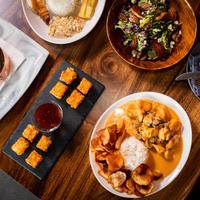
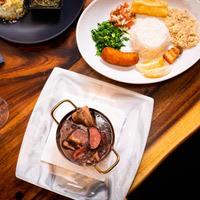
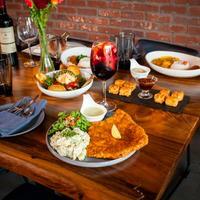
Built on the philosophy of “real food,” the concept emphasizes fresh ingredients, scratch cooking, authentic flavors, and genuine hospitality. Rodrigo believed that food should nourish not only the body, but also the human experience. Every meal should tell a story, evoke memories, and bring people together around the table.
Under his leadership as CEO and Executive Chef, Rustic 21 Bistro quickly earned recognition within the Jacksonville community. Guests connected with the restaurant’s commitment to quality, authenticity, and hospitality, while the business became known for delivering memorable dining experiences rooted in tradition and care.
At the same time, FamigliaDemarco LLC developed a broader mission. The company became committed to creating opportunities for employees, supporting immigrants and individuals seeking fresh starts, and fostering a workplace culture based on dignity, growth, inclusion, and professional development.
One of the most meaningful milestones in the company’s history occurred when Rodrigo and his family successfully repurchased the ownership stake they had sold to launch the restaurant. More than a financial achievement, it represented the culmination of years of sacrifice, perseverance, and faith in their vision.
Today, Rodrigo Resende Demarco’s story is not simply about opening a restaurant. It is about honoring a family legacy, embracing entrepreneurship, overcoming adversity, and building something that creates lasting value for both family and community.
From a teenage pizza operator in Brazil to an executive managing large-scale entertainment venues, from an immigrant entrepreneur navigating the challenges of a global pandemic to the founder of a respected restaurant in the United States, his journey reflects the belief that success is built through resilience, continuous learning, hard work, and purpose.
Through Rustic 21 Bistro and FamigliaDemarco LLC, Rodrigo continues to pursue the same mission that has guided generations of his family: bringing people together through food, hospitality, and meaningful human connection.
Can you talk to us a bit about the challenges and lessons you’ve learned along the way. Looking back would you say it’s been easy or smooth in retrospect?
No, it certainly has not been a smooth road.
In fact, some of the greatest challenges we faced had very little to do with opening a restaurant and much more to do with the broader journey of entrepreneurship and immigration.
One question I often imagine a skeptical reader asking is: “If you were successful in Brazil, why leave?”
The answer is that my decision was not driven by a lack of love for my country. Brazil is where I was born, built my career, raised my family, and developed my entrepreneurial spirit. However, after many years as both a business owner and an executive, I became increasingly discouraged by some of the realities entrepreneurs face.
Earlier in my career, while operating restaurants, we experienced situations that no business owner should have to accept. We were robbed multiple times, to the point where we felt compelled to hire off-duty police officers to help protect our business. Despite making every effort to operate responsibly and comply with regulations, we often felt that entrepreneurs carried an enormous burden of bureaucracy, legal uncertainty, and operational risk.
Later, during my years as an executive with Tom Brasil, I represented the company in numerous labor-related cases. Although I always worked hard to reduce disputes and maintain fair employment practices, I saw firsthand how difficult it could be for businesses operating in seasonal industries such as concerts, entertainment, and events. The lack of flexibility and the complexity of regulations often created significant costs and uncertainty for employers.
Over time, these experiences contributed to a growing belief that I wanted to build something in an environment where entrepreneurship was more strongly encouraged and where I felt there would be greater opportunities for long-term growth.
At the same time, my wife and I had another motivation: our children. We wanted them to grow up in a safe environment with access to opportunities and experiences that would help them reach their full potential.
When we moved to the United States, we did everything legally through an investor visa. However, what many people do not realize is that immigration itself can be a long and uncertain journey. We later discovered that our visa category came with limitations we had not fully anticipated. Even after investing, creating jobs, paying taxes, and contributing to our community, our long-term immigration future remained uncertain.
There have been moments of frustration and concern. Our children, who have grown up here, learned English, attended American schools, and consider this country their home, have experienced some of the limitations associated with our immigration status. As parents, that reality can be difficult.
Then came the pandemic.
Like many entrepreneurs, we suffered significant financial losses. We lost much of what we had invested and accumulated debts that took years to repay. Thankfully, those obligations have now been fully paid, but at the time the future was far from certain.
On a personal level, I contracted COVID very early in the pandemic. My condition became severe, and there were moments when I genuinely feared for my life. Facing that situation far from my homeland, family network, and support system was one of the most difficult experiences I have ever endured.
Looking back, I can honestly say that the greatest challenges were not simply about building a business. They were about rebuilding a life.
They were about leaving behind certainty, adapting to a new culture, navigating an unfamiliar immigration system, raising children between two worlds, recovering from financial setbacks, and continuing to move forward even when the path ahead was unclear.
But those experiences also taught me resilience. They reinforced my belief in hard work, personal responsibility, and perseverance. Every challenge we faced became part of the foundation upon which Rustic 21 Bistro was built.
Today, when people walk into our restaurant, they see the result of years of sacrifice, determination, and faith. The business represents much more than a restaurant. It represents a family’s decision to pursue a dream, despite uncertainty, and to keep moving forward no matter how difficult the journey became.
Alright, so let’s switch gears a bit and talk business. What should we know about your work?
Throughout my professional life, I have always been driven by curiosity, learning, and a desire to build something meaningful.
I come from a middle-class family and began working formally at the age of fourteen, not out of necessity, but by choice. From an early age, I wanted to understand how businesses worked, how value was created, and how people could transform their lives through entrepreneurship and hard work.
While helping manage family businesses, I was also able to finance my own university education. I graduated in 1997, and interestingly, my final academic project was developed in partnership with a company that would eventually hire me eight years later.
In 2004, I married my wife, Samira. Shortly afterward, she began her studies in Hospitality Management while I pursued advanced culinary training as an International Chef. In 2006, I was hired as Food and Beverage Manager for a major entertainment group in Brazil, beginning what would become a thirteen-year journey in large-scale hospitality and event operations.
During those years, I helped launch a venue in another state, contributed to concerts featuring nationally and internationally recognized artists, managed large corporate events, product launches, award ceremonies, conferences, and international forums. Every project brought new challenges, and I learned invaluable lessons about leadership, operations, customer experience, and team development.
Yet despite the professional success, I often felt that something was missing.
I was helping build extraordinary experiences for other people’s dreams, but I had not yet built something that truly carried my own DNA.
That is what Rustic 21 represents.
Today, I often describe Rustic as being similar to a child. You raise a child according to your values and beliefs, but over time that child develops a personality of its own. In many ways, Rustic is no longer simply the restaurant I originally imagined. It has become the result of every challenge, every lesson, every recipe, every employee, and every guest who has walked through our doors.
One aspect that makes our story unique is where we chose to build it.
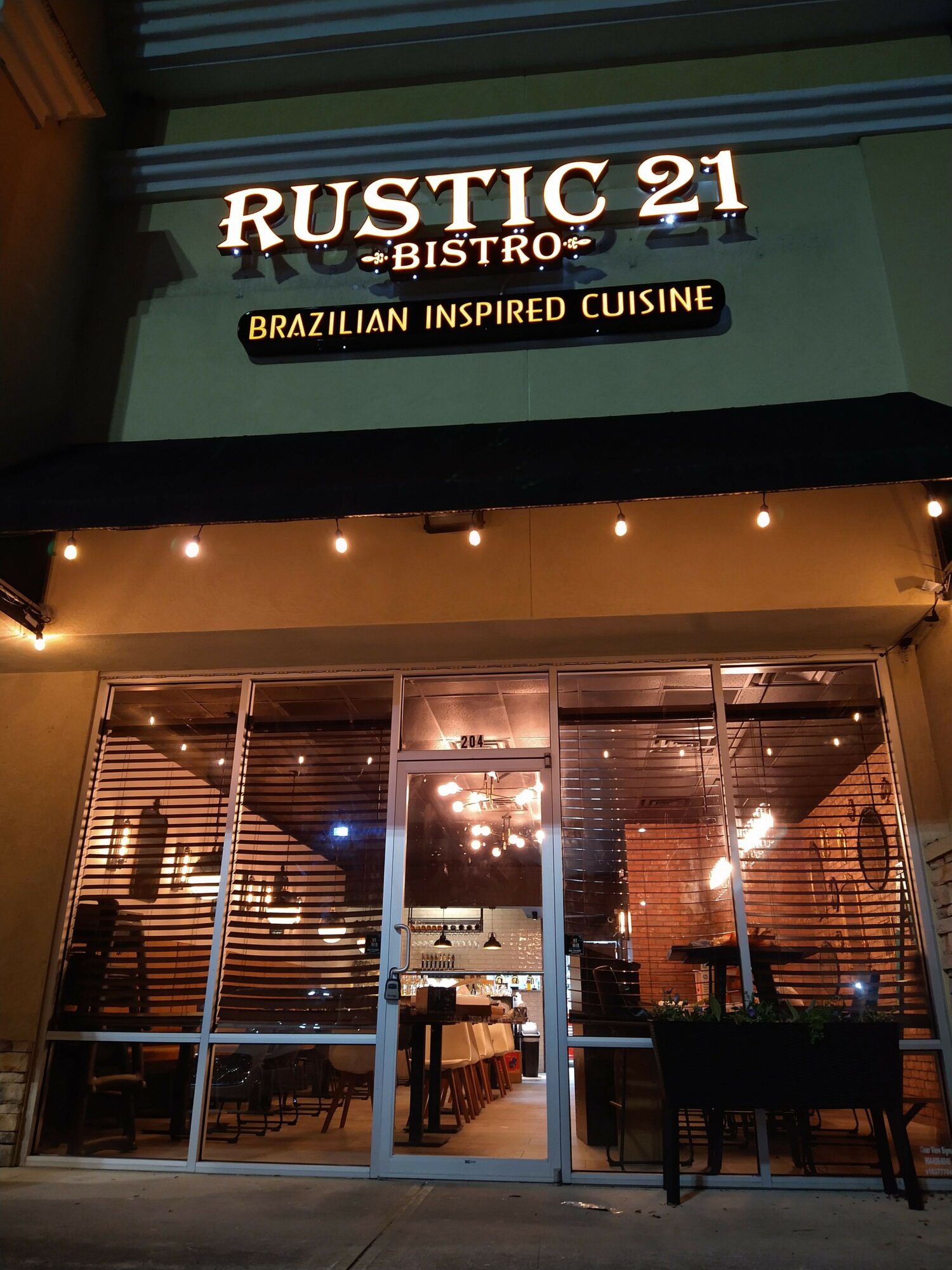
We opened Rustic 21 in a location that many people would have overlooked. At the time, the plaza was struggling. Businesses around us were closing, storefronts sat vacant, and even a church that occupied one of the neighboring spaces eventually left. Many entrepreneurs would have viewed the area as a disadvantage.
We saw an opportunity.
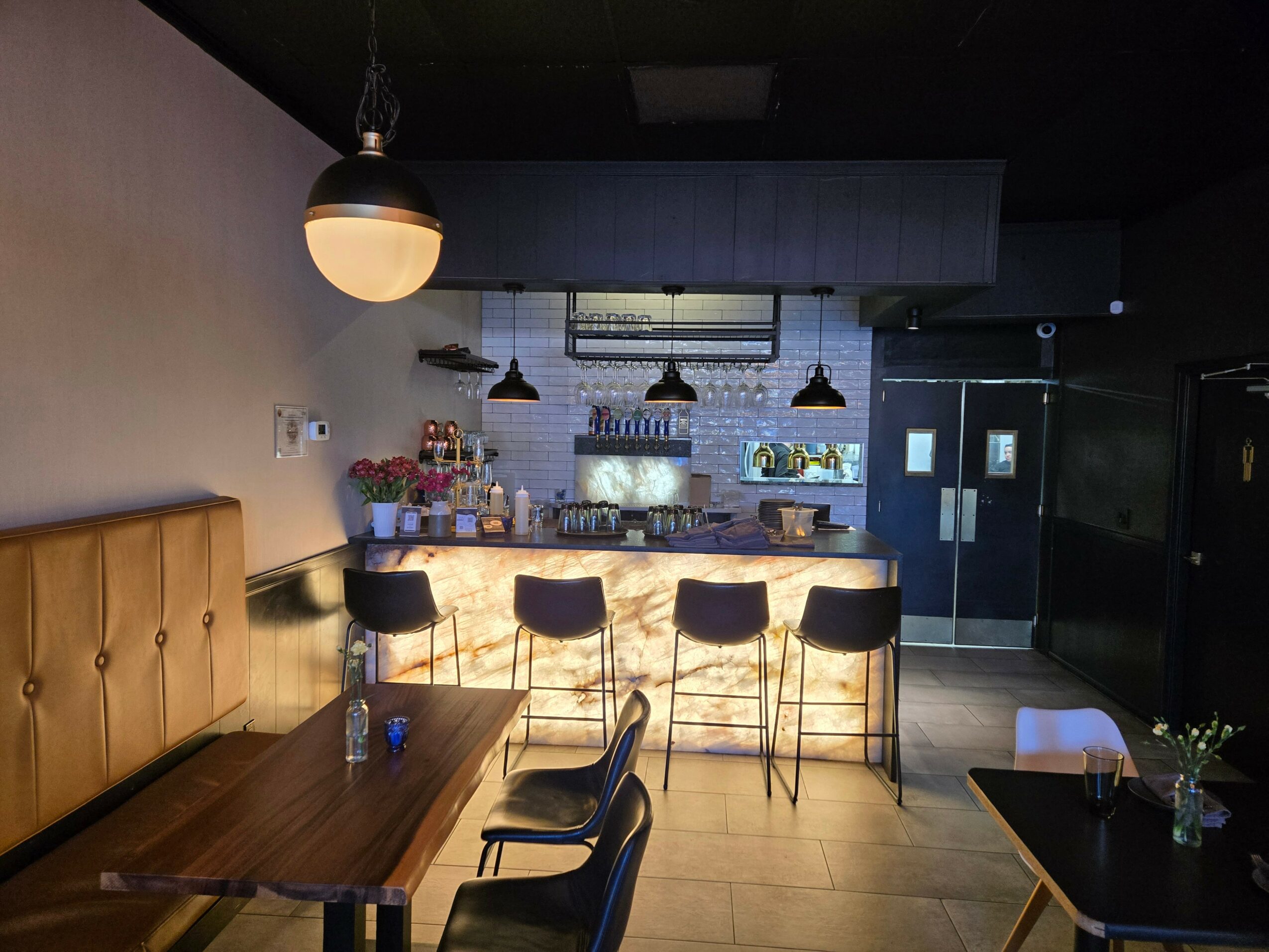
Our goal was never to create a trendy restaurant in the most fashionable part of town. Instead, we wanted to create a place where people could feel at home. A place where families, couples, professionals, and travelers could pause, reconnect, and recharge from the demands of everyday life.
Over time, something remarkable happened. Guests embraced the atmosphere, the food, and the experience. The plaza itself began to change. New businesses arrived, traffic increased, and the entire environment became more vibrant than when we first opened. I take great pride in knowing that Rustic contributed, in its own small way, to that transformation.
What differentiates us is not simply the food.
It is our belief that hospitality should nourish more than hunger.
The food should comfort. The service should welcome. The music should relax. The environment should create a sense of belonging.
We are not interested in simply serving meals. We strive to create memories.
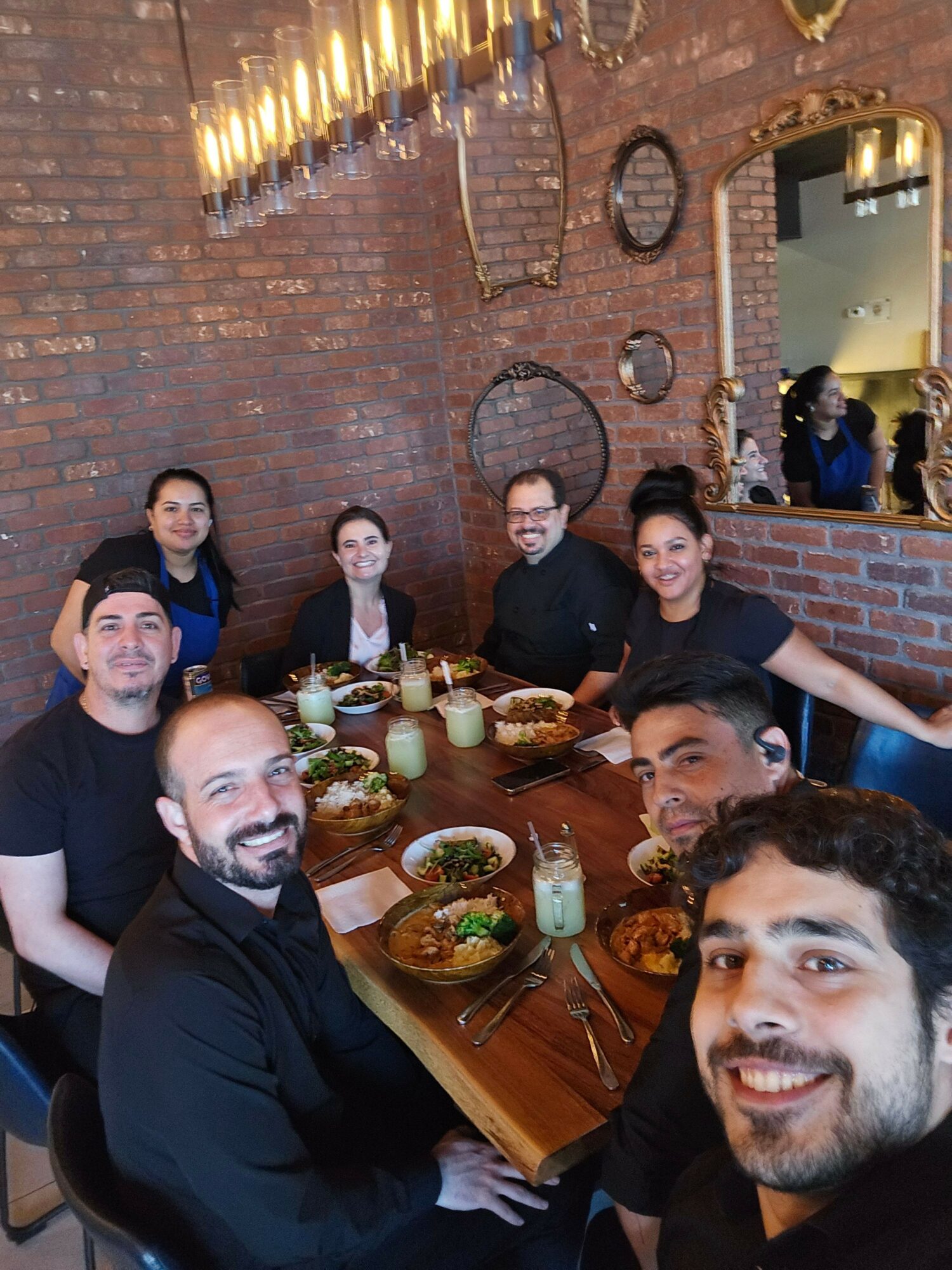
Our team reflects that philosophy as well. We have brought together immigrants and Americans from different backgrounds, each carrying their own stories, hopes, and aspirations. Many arrived looking for opportunity, just as I once did. As a result, we have built a culture with exceptionally low turnover and a genuine sense of community.
Today, what I enjoy most is continuing to learn. I study leadership, business strategy, hospitality, human behavior, culinary innovation, and community development. I believe that growth is a lifelong responsibility, especially for entrepreneurs.
If there is one thing that distinguishes Rustic 21 from many restaurants, it is authenticity.
Our food reflects the cultural diversity that shaped Brazil itself—a country influenced by people from all over the world. The flavors are unique, the recipes are personal, and the experience is designed to feel genuine rather than manufactured.
I truly believe there is room for a Rustic 21 in many American cities, not because it follows industry trends, but because people everywhere are searching for the same thing: connection, comfort, authenticity, and a place that feels a little like home.
That, more than any business achievement, is what makes me proudest of what we have built.
We’d be interested to hear your thoughts on luck and what role, if any, you feel it’s played for you?
I have often been asked why we did not open a restaurant as soon as we arrived in the United States.
Ironically, when I look back today, I believe that if we had done so, Rustic 21 might not exist anymore.
Many people assume that our convenience store business was simply a detour before opening a restaurant, but that is not how I see it. In many ways, it was a necessary part of the journey.
One thing most people do not realize is that obtaining an investor visa involves far more than simply having capital to invest. You must develop a detailed business plan, demonstrate why your investment has a reasonable chance of success, prove the legitimacy of your resources, and show that you have the financial means to support your family independently of the business itself.
Before our visa was approved, there were multiple trips to the United States, months of planning, market analysis, legal expenses, and significant financial commitments. Nothing about the process was simple or inexpensive.
At that stage, opening a restaurant from scratch would have required substantially more capital and time than we had available. When the opportunity to acquire convenience stores in Jacksonville arose through a trusted connection, and knowing that my wife’s family was already established in the area, we believed it was the most responsible and strategic path forward.
Although convenience stores were not our area of expertise, I saw possibilities. My vision was to eventually integrate food concepts, Brazilian products, and even develop a food truck operation connected to the business. We invested heavily, renovated the stores, obtained licenses, expanded services, and worked tirelessly to make the business successful.
Then circumstances changed.
The company that owned the gas stations made the decision to discontinue fuel sales. For a convenience store attached to a gas station, that decision was devastating. Quite simply, very few customers stop at a gas station that no longer sells gas.
We suddenly found ourselves with employees depending on us, inventory on the shelves, financial obligations, and no viable path forward. We were forced to close the business and ask ourselves a difficult question: what comes next?
Looking back, many people would call that bad luck.
But what happened afterward changed my perspective.
While keeping our company active, we began preparing specialty meals from home for Brazilian families on weekends. The response was overwhelming. In fact, many of the dishes that customers loved during that period eventually became the foundation of the Rustic 21 menu.
When weekend meals alone were not enough to support the family, I expanded into healthy prepared meal plans for busy professionals. At the same time, my wife Samira took on additional work cleaning homes to help support our household while we rebuilt our future.
Those were not easy days, but they were incredibly important ones.
We were learning. We were listening to customers. We were understanding the market. We were discovering which dishes resonated most with people. Most importantly, we were becoming part of the community.
Then one day, during a delivery to a regular customer, he asked me a simple question:
“Why don’t you open a restaurant?”
I told him that I was looking for an investor because the pandemic had consumed much of our available capital.
His response was unexpected.
He said, “I think you just found one.”
Some people would call that luck.
Perhaps it was.
But I believe luck alone does not explain what happened.
By that point, we had spent years learning the city, understanding customer preferences, identifying gaps in the market, and refining our concept. We had already tested recipes, built relationships, earned trust, and proven that people valued what we were creating.
The opportunity may have arrived unexpectedly, but we were prepared when it did.
That is why my view of luck has changed over the years.
What initially appeared to be bad luck—the closure of our stores—ultimately led us toward the business we were truly meant to build. And what some people might describe as good luck—meeting an investor—was only possible because of the work, sacrifice, and preparation that came before it.
Looking back, I do not see a clear line separating good luck from bad luck. Some of the events that felt like setbacks at the time became blessings, while some opportunities only appeared because we endured those setbacks first.
If there is one lesson I have learned, it is that luck may open a door, but preparation, resilience, and persistence are what allow you to walk through it.
Pricing:
- Cheese Bread (06 Units) $9.50
- Black Beans Soup $7
- Porcini Mushroom Risotto $19
- Feijoada (National Brazilian Dish) $ 24
- Brazilian Style Carrot Cake $6.50
Contact Info:
- Website: https://www.rustic21.com
- Instagram: @rustic21bistro
- Facebook: @rustic21bistro