




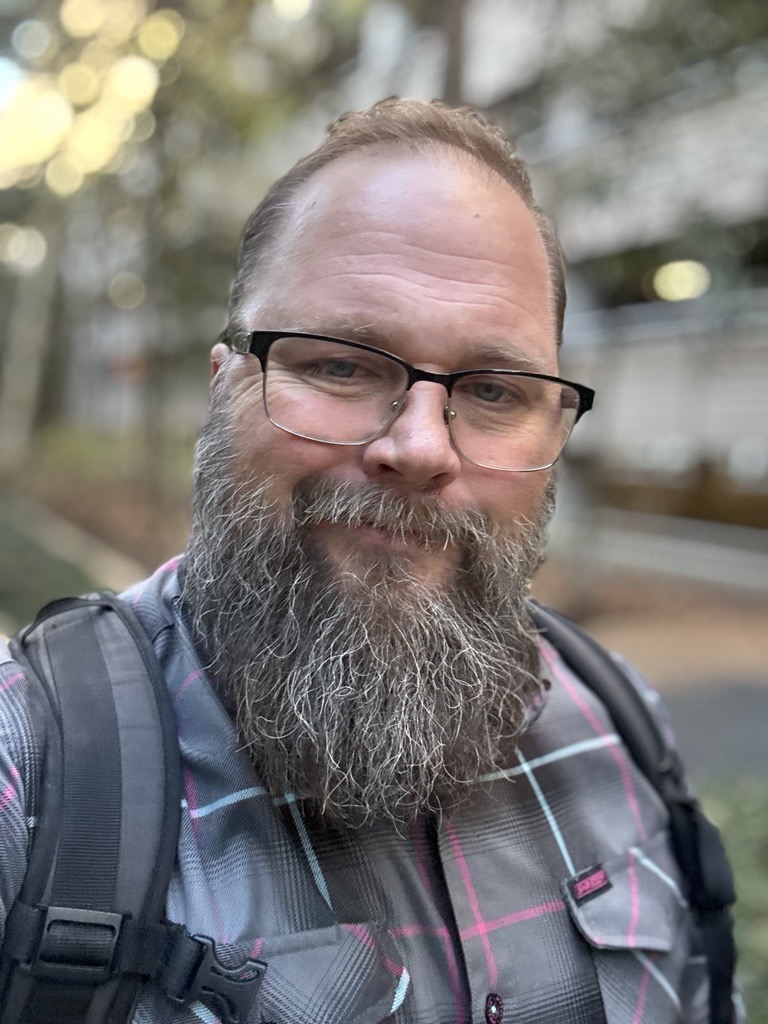
Today we’d like to introduce you to Justin Thomas.
Justin, we appreciate you taking the time to share your story with us today. Where does your story begin?
I grew up in Palatka, Florida, in a close-knit family. Although my parents divorced when I was young, my grandparents and extended family played a huge role in giving my sister and me a stable, loving upbringing. The man I consider my dad came into my life when I was about eleven and has been there ever since.
My early twenties were anything but focused. I bounced between dozens of jobs, chasing experiences instead of building a future. Eventually I realized that if I wanted the life I envisioned for myself and my future family, I needed to commit to something bigger than the next adventure.
After working as an aviation sheet metal mechanic, I made the decision to go back to school and earned a degree in chemical engineering from the University of South Florida. That ultimately led to a career in offshore drilling, where I’ve worked ever since.
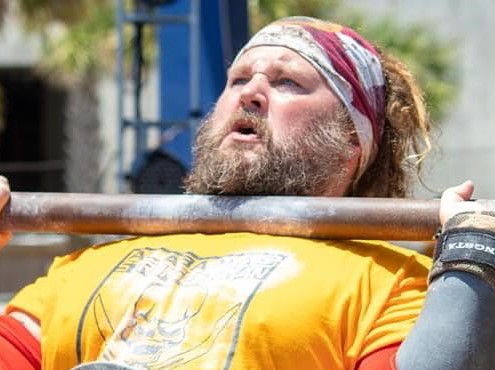
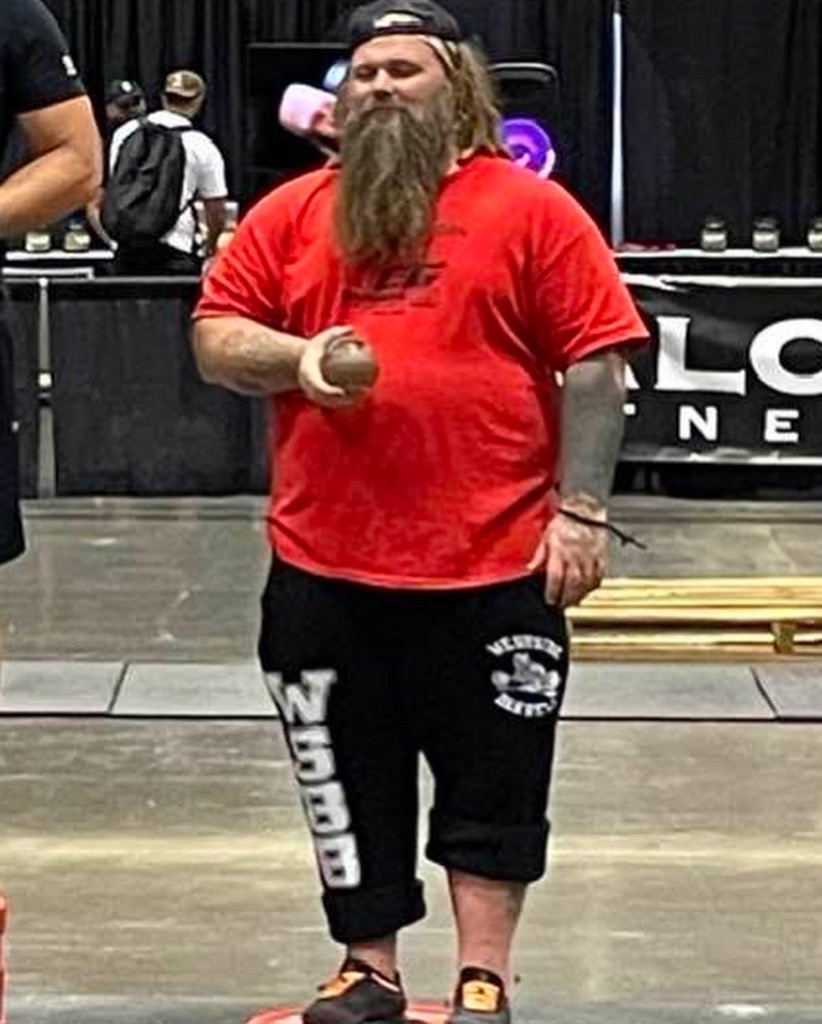
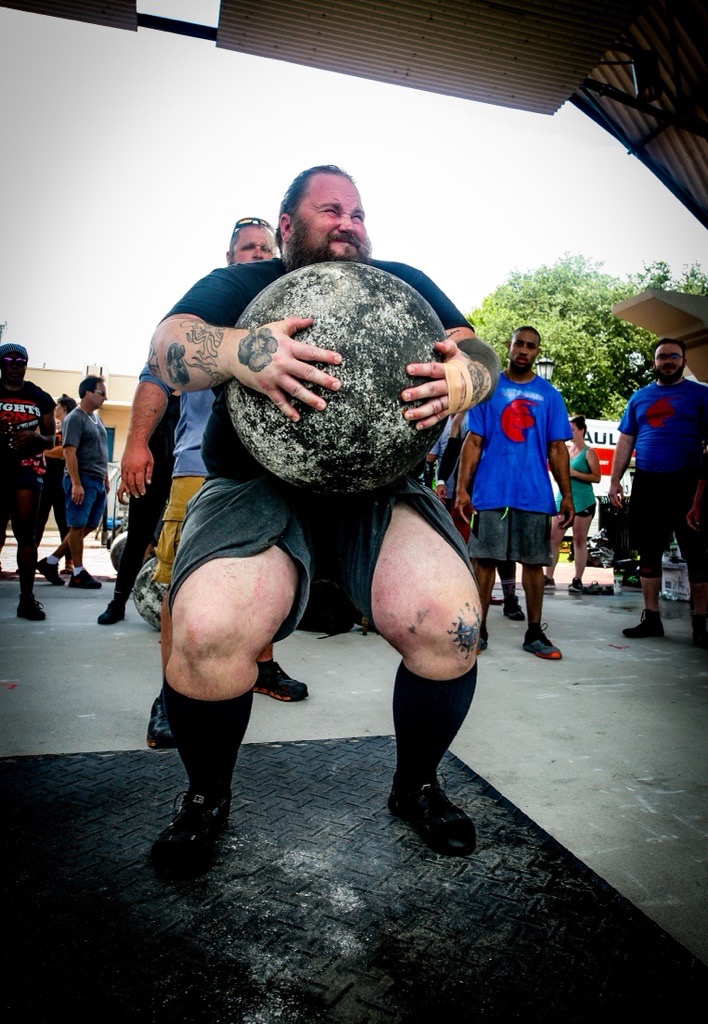
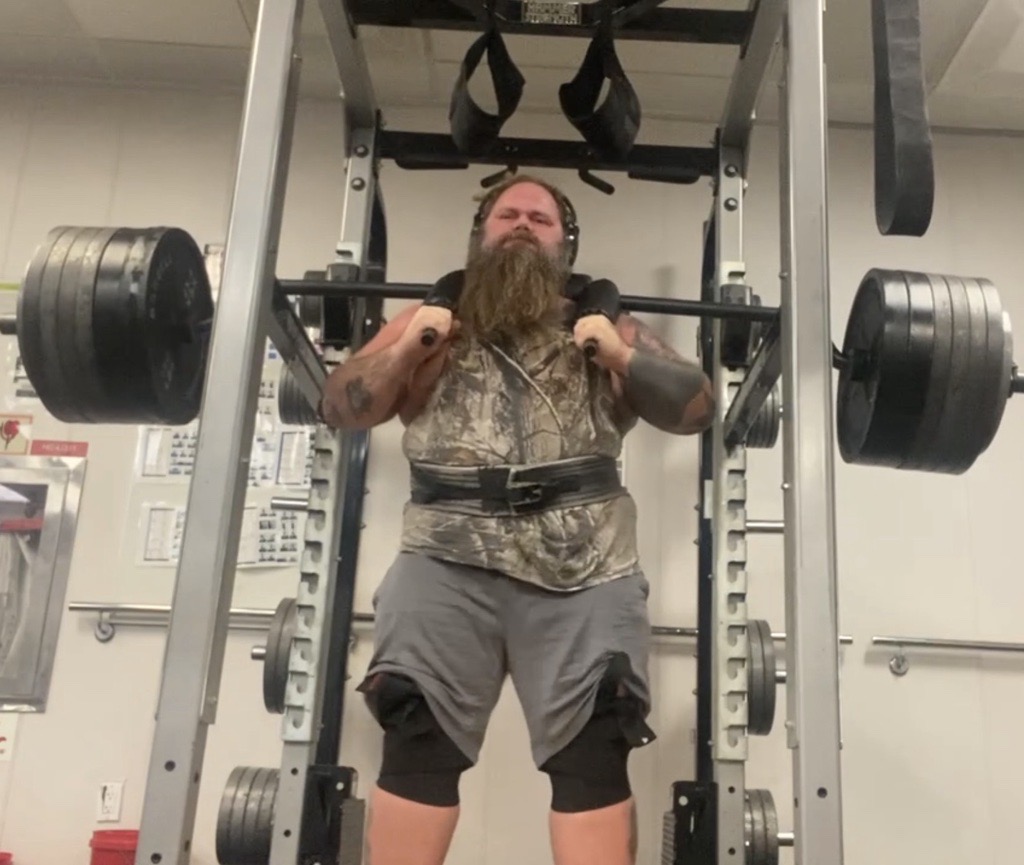
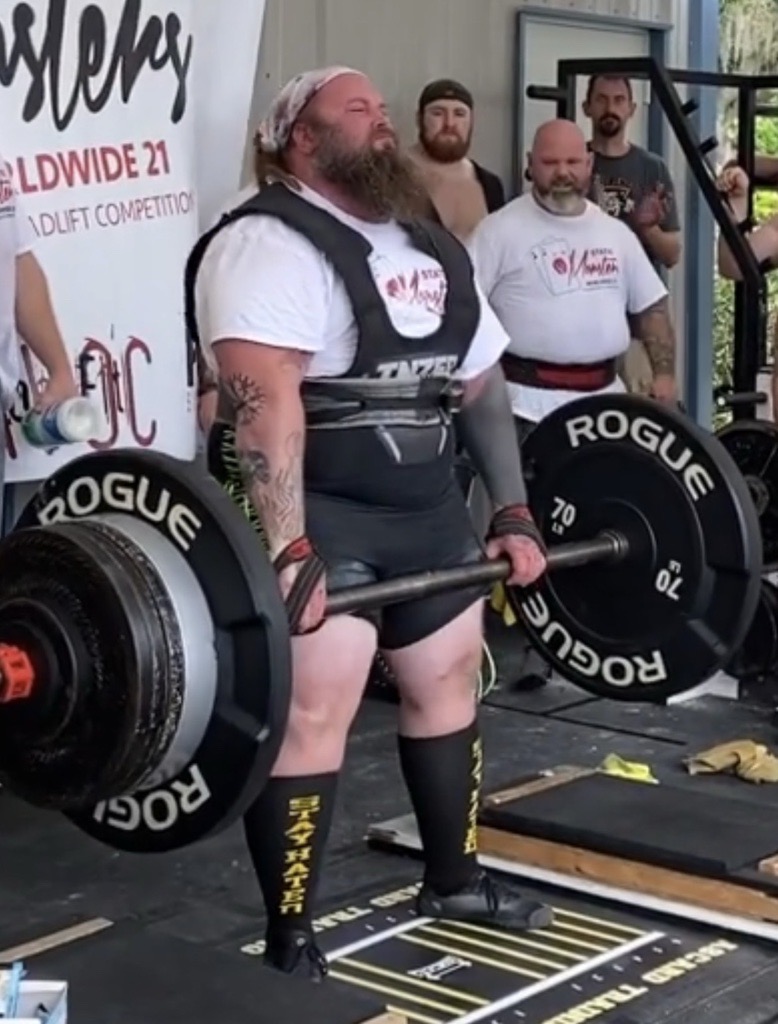
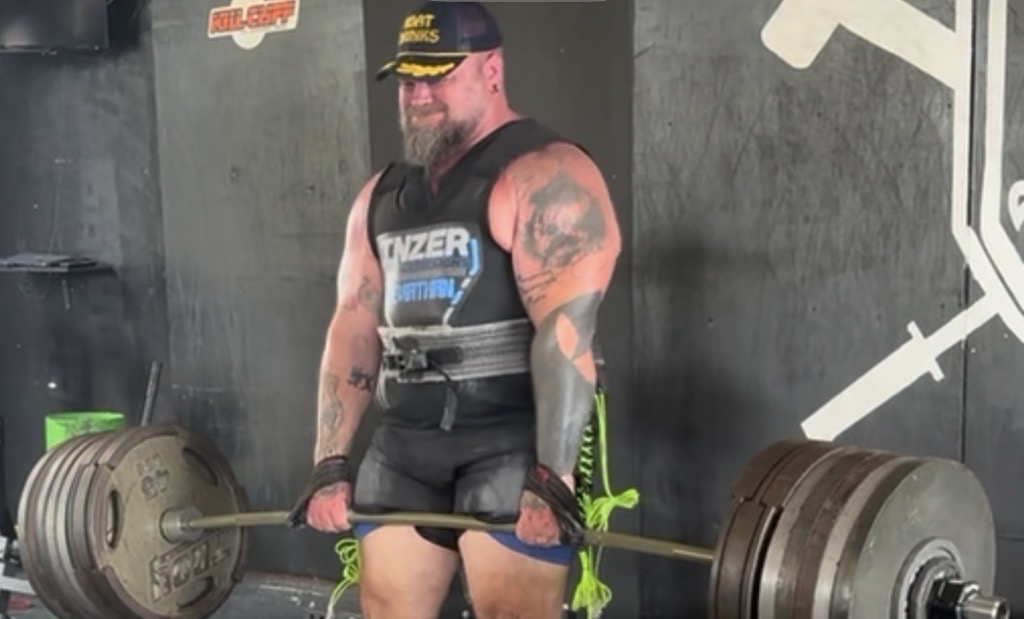
While living in Houston, I rediscovered strength training through rugby. What started as a personal pursuit quickly became an obsession with learning how to become stronger and helping others do the same. I approached training the same way I approached engineering—asking why things worked, testing ideas, and continually refining the process. That eventually led me to earn my coaching certification through Westside Barbell and immerse myself in the sport of strongman.
In 2019 I took a leap of faith and opened a gym after moving back to St. Augustine. Like many small businesses, COVID forced me to close its doors, but it also taught me something important: what I loved wasn’t owning a gym—it was coaching people. Since then I’ve focused on coaching athletes one-on-one, helping them become stronger, more capable, and more confident while continuing my career offshore as a drilling supervisor.
Looking back, none of the twists in my journey feel wasted. Every stage—from the unfocused kid with too many jobs, to engineering, to offshore drilling, to strength coaching—has shaped the way I coach today. My goal isn’t simply to help people lift heavier weights; it’s to help them discover what they’re capable of through disciplined, intelligent training.
I’m sure it wasn’t obstacle-free, but would you say the journey has been fairly smooth so far?
Not at all. I grew up surrounded by love, but my family still faced its share of struggles. As a young married couple, my wife and I spent several years simply trying to make ends meet while I worked and went back to school. We were genuinely poor. There were days we searched the couch cushions for enough change to buy food, and our date nights often consisted of grabbing a cup of coffee and sitting on top of the parking garage at USF because it was all we could afford. Looking back, those are some of my favorite memories because we were together and grateful for what we had.
One of the defining moments of that season was deciding to take on student debt to finish my engineering degree. I’m not saying it’s the right decision for everyone, but I knew it was the right one for me. In many ways, it was my version of Cortez burning the boats. Once I signed those loan papers, there was no retreat. I had committed myself to seeing it through because failure was no longer an option.
My wife and I still talk about moving forward regardless of the pain. Sometimes progress isn’t dramatic or inspiring. Sometimes it’s just putting one foot in front of the other on the days you don’t feel like it. That lesson has shaped every part of my life, and it’s one of the biggest things I try to pass on to the athletes I coach.
Alright, so let’s switch gears a bit and talk business. What should we know about your work?
At my core, I coach strength and athletic performance. I work with athletes who want to become bigger, stronger, faster, and more capable. That might mean preparing someone for strongman competition, helping an athlete break through a plateau, or teaching someone how to move under a barbell for the first time. Regardless of where they start, the objective is the same: make them a better athlete.
I really offer three different levels of service. The first is training programs. I’ve written programs for hypertrophy and general fitness that I’m proud of and that consistently produce results for the people they’re designed for. This is what a lot of people generally want and it’s really a great way to get started. The second is consultation, where someone has a specific problem they want help solving—whether that’s programming, technique, or preparing for competition. Here, I come alongside the athlete and/or coach, review training, nutrition, recovery, and lifestyle helping identify where the system is breaking down. The third is coaching. Coaching is different. Coaching is a long-term investment in someone’s athletic development, and it’s also where I’m the most selective.
I’ll work with almost any type of person, but I won’t work under every set of expectations. I don’t care whether you’re a beginner or an experienced competitor. What matters is whether your goals align with what I know I can genuinely help you achieve. I won’t promise outcomes I can’t deliver, and I won’t tell someone what they want to hear just to keep them as a client. If your goal would be better served by another coach or another specialty, I’ll gladly point you in that direction. I think clients deserve expertise that matches their goals.
That’s also why I’ve resisted building an online coaching business beyond just programs. I know there are coaches who do it exceptionally well, but I’ve never felt I could provide the level of coaching I expect from myself through a screen. If I’m going to be your coach, I want to see how you move, coach you in real time, and solve the problems as they happen.
Later in life I learned that I have ADHD and autism. Like anything else, that comes with strengths and weaknesses. One of the strengths is that I naturally think in systems. I’ve managed to flourish in fields like engineering and philosophy because they align well with the way my mind naturally works. I think in first principles, underlying assumptions, and emerging systems. I don’t just want to know that something works—I want to understand why it works, where it breaks down, and how it should change for the individual standing in front of me. My goal isn’t simply to make someone stronger. It’s to teach them how to understand training so they can continue improving long after they stop working with me. If I’m doing my job well, my role should naturally evolve from coaching many of your sessions to simply consulting from time to time when you need help troubleshooting
Perhaps the biggest thing that sets me apart is that coaching isn’t how I pay my mortgage. My career offshore gives me the freedom to coach the way I believe coaching should be done. I don’t have to fill a roster, oversell transformations, or promise miracles. I can simply tell people the truth without worrying whether it will cost me a client. Sometimes the truth is that they’re capable of much more than they think. Sometimes it’s that their expectations need to change. Either way, honesty and integrity are the bedrock of everything I do.
What I’m most proud of isn’t a particular athlete or a number on a barbell. It’s earning the trust of the people I coach. Strength has a remarkable way of changing how people see themselves, and getting to play a small part in that process is something I never take for granted.
Any advice for finding a mentor or networking in general?
Don’t be afraid to reach out to people. In my experience, most successful people are surprisingly generous with their time and knowledge if they can see you’re genuinely trying to learn.
That said, do your homework first. If someone has already spent hours writing articles, recording podcasts, or making videos, engage with that material before asking them questions. Asking thoughtful questions that build on what they’ve already shared shows respect for their time and demonstrates that you’re willing to put in effort yourself.
I’ve also found that people tend to value relationships that are reciprocal. If you’re asking someone to spend an hour sharing their experience, offer to buy them lunch or coffee. Be willing to invest in their time. You don’t have to be wealthy to show appreciation, but you should recognize that their expertise has value.
Finally, don’t look for someone to hand you a roadmap. Look for someone who can help you think better. The best mentors I’ve had didn’t solve my problems for me—they taught me how to approach problems so I could solve the next one on my own.
Contact Info:
- Instagram: https://instagram.com/904strengthclub
- Youtube: http://www.youtube.com/@904strengthclub
- Other: https://joyapp.com/pros/904strengthclub