

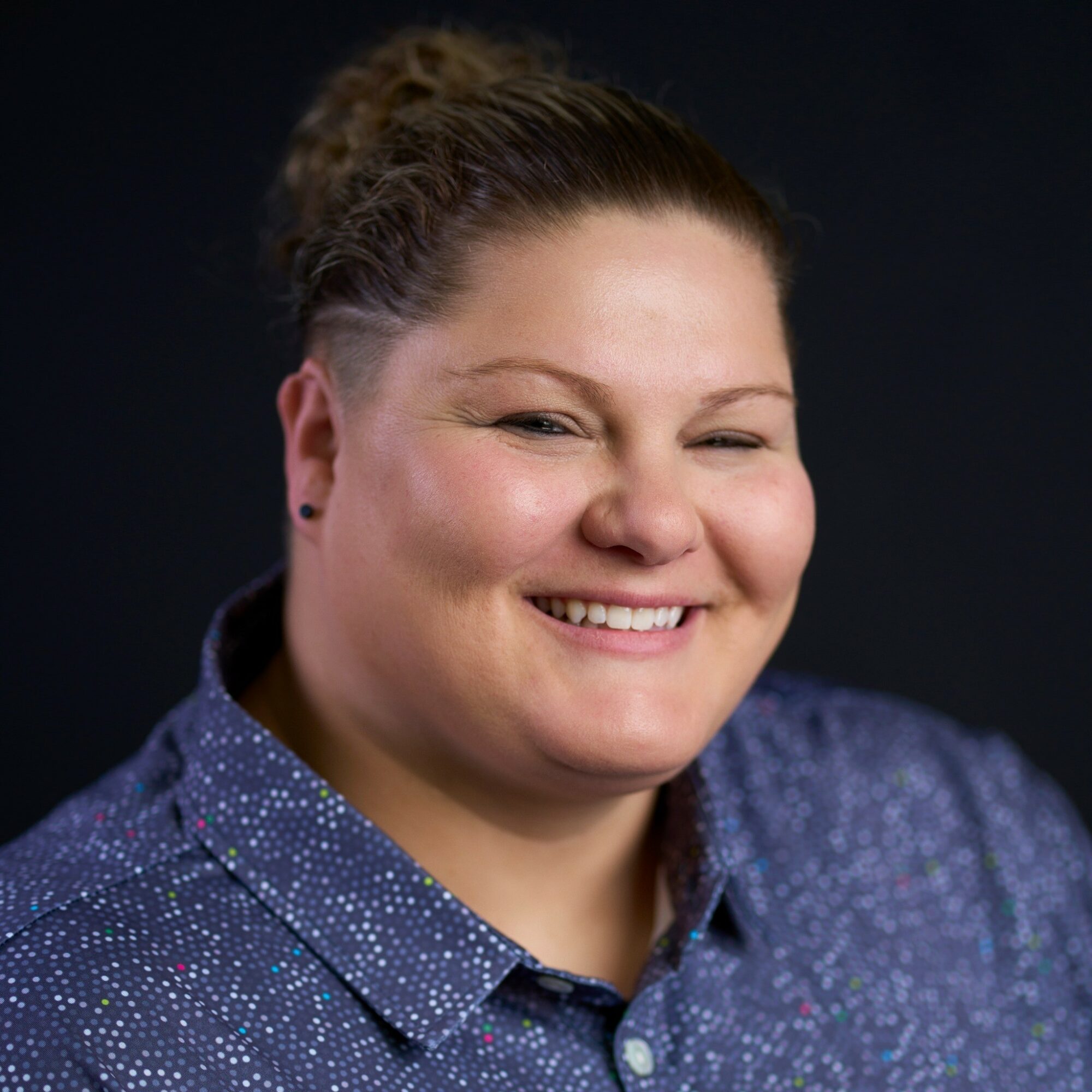
Today we’d like to introduce you to Erin Weiffenbach.
Hi Erin, so excited to have you on the platform. So before we get into questions about your work-life, maybe you can bring our readers up to speed on your story and how you got to where you are today?
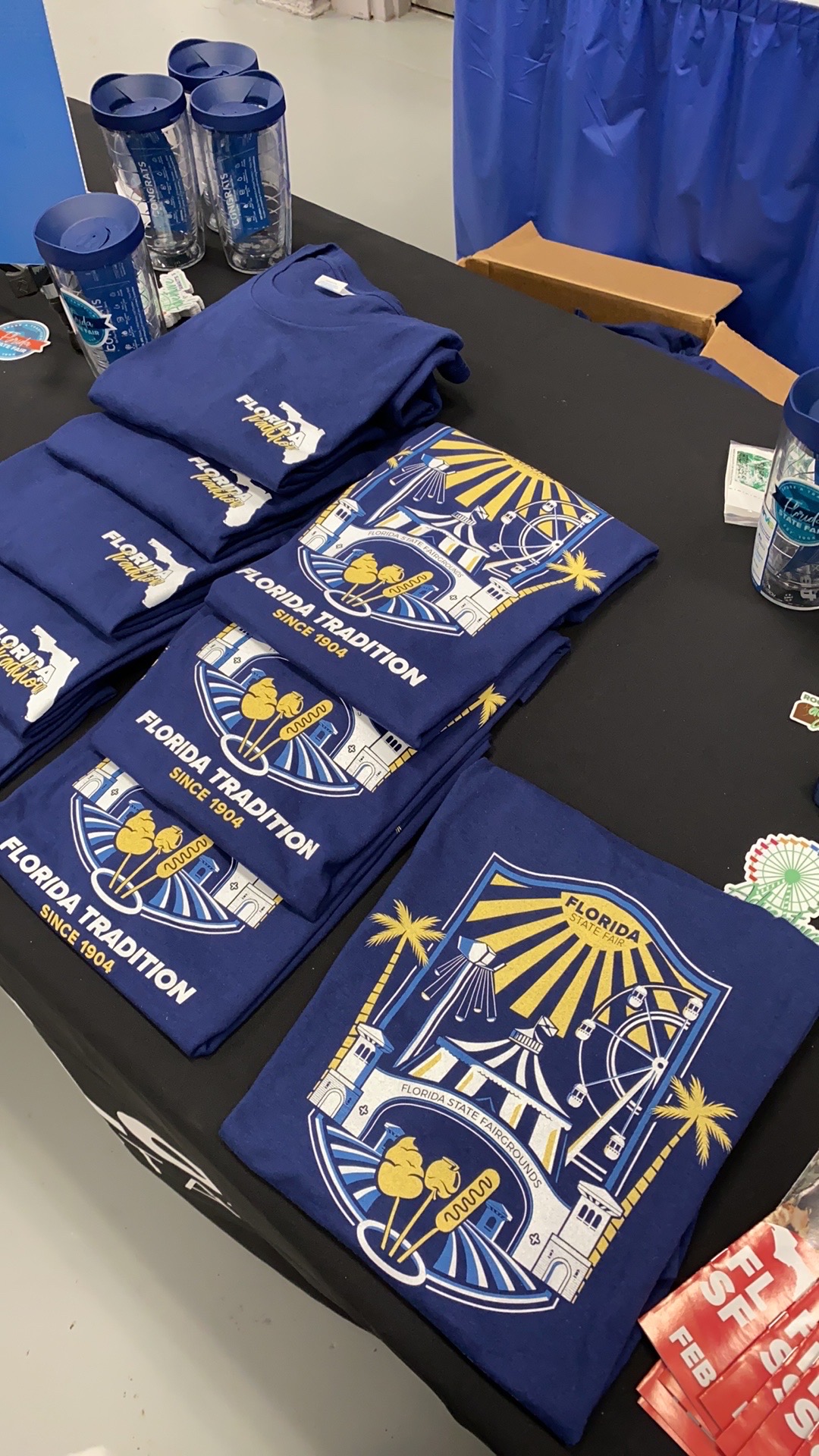
I’ve always been drawn to creativity, but I think the moment I realized my love for art and design could actually become a career was back in high school when I got my hands on my first graphic design software. I immediately became fascinated with learning, experimenting, and figuring out how ideas could come to life visually. I started designing t-shirts for school clubs and sports teams, and before long, I took on my first real side project creating promotional ads for a local advertiser. That experience gave me early hands-on exposure to working with clients, learning different design programs, and understanding how creative work could help businesses communicate and grow. Looking back, that’s really where everything started for me.
Because of that early experience, I went into college already feeling confident about the direction I wanted to pursue. I had spent time building a portfolio throughout high school and was already taking on small freelance projects before I fully understood what the creative industry even looked like professionally. I took art and design courses at Ringling College of Art and Design before ultimately earning my Bachelor of Fine Arts degree from University of North Florida. That chapter of my life helped me grow tremendously, both creatively and personally. It taught me how to think more strategically, solve problems creatively, and turn something I genuinely loved into a professional skill set and career path.
After college, I worked in a variety of design and marketing roles where I gained experience creating everything from sales materials and brochures to digital campaigns, website content, and brand assets. One of the biggest stepping stones in my career was having the opportunity to collaborate with incredibly creative teams, which taught me a lot about branding, teamwork, and building experiences that people genuinely connect with.
Over time, I realized I especially loved helping smaller businesses and entrepreneurs bring their ideas to life. That eventually led me to start my own side-hustle creative business, Wyfenbok, where I now work with clients on branding, websites, design, and marketing strategy. One of my favorite parts of the process is helping someone take an idea that’s still taking shape and turn it into something real, polished, and professional.
My path definitely hasn’t been perfectly linear, and honestly, a lot of my growth came from learning as I went, taking chances, and staying adaptable. Over the years, I’ve worn a lot of different hats, and I think that’s given me a well-rounded perspective on both the creative and business sides of running a company.
These days, I’m focused on continuing to grow creatively while working on projects that feel meaningful. I also really enjoy being involved in community-oriented organizations and local projects because building genuine relationships and connections has become one of the most rewarding parts of what I do.
I’m sure it wasn’t obstacle-free, but would you say the journey has been fairly smooth so far?
It definitely hasn’t been a completely smooth road, and I think that’s true for most people building something on their own. One of the biggest challenges early on was learning how to balance the creative side of the work with the business side. A lot of creatives are naturally focused on design and ideas, but when you run your own company, you also have to learn about communication, project management, pricing, client relationships, and all the behind-the-scenes responsibilities that people don’t always see.
There were also periods where I had to learn to adapt quickly, especially as technology, marketing trends, and client expectations continued to evolve. The creative industry changes fast, so staying relevant means constantly learning and being willing to pivot when needed.
Another challenge has simply been the uncertainty that comes with entrepreneurship. When you work for yourself, there’s no guaranteed roadmap, and sometimes you have to make decisions without knowing exactly how things will turn out. But looking back, a lot of the growth came from those moments. Every challenge taught me something, whether it was how to communicate better, trust my instincts more, or become more resilient.
I also think one of the biggest lessons has been realizing the importance of relationships and community. Over time, I learned that success isn’t just about the work itself. It’s also about building trust, being reliable, and genuinely caring about the people and organizations you work with. That mindset has led to some really meaningful opportunities and connections that I’m incredibly grateful for today.
Alright, so let’s switch gears a bit and talk business. What should we know?
Growing up with self-employed parents gave me an early appreciation for the passion, risk, and hard work that go into running a business. I saw firsthand how much heart people pour into building something of their own, and I think that naturally shaped the way I approach my work today.
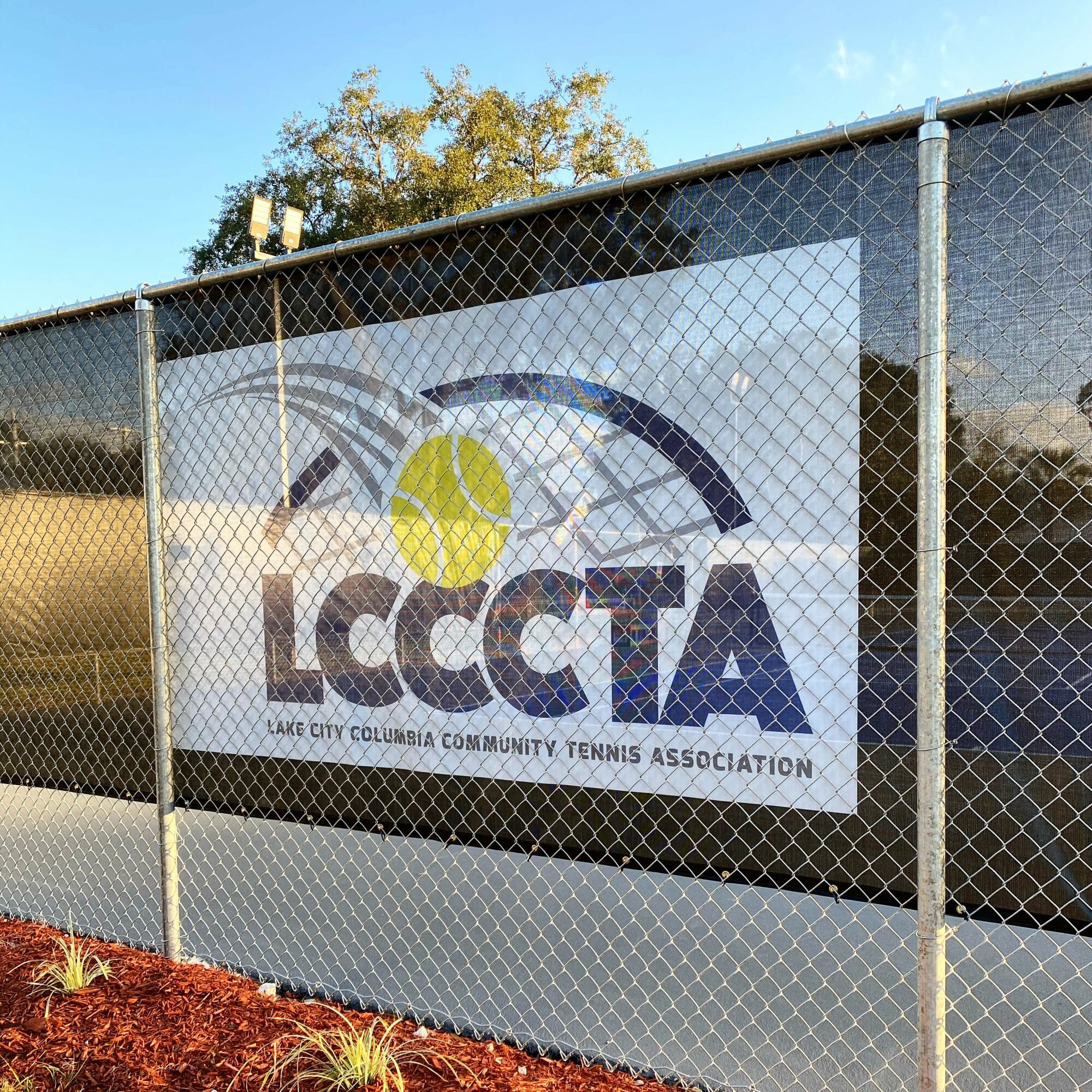
Because of that, I’ve always been drawn to working with small businesses and nonprofits that need support bridging both the creative and practical sides of a project. A lot of what I do centers around helping clients build a brand presence that not only looks polished and professional, but also feels authentic to who they are, what they stand for, and what they’re building.
When it came time to name my business, I wanted something that felt strong, memorable, and personal. Growing up with a long last name that people constantly mispronounced, I decided to have a little fun with it and spell it out more phonetically. That eventually became Wyfenbok. It allowed me to create a brand that felt unique to me while also being easier for people to recognize, remember, and connect with.
Through Wyfenbok, I’ve had the opportunity to work with businesses, individuals, and organizations across a wide range of industries. My work spans branding, website design, creative strategy, marketing materials, social media assets, content development, and overall brand direction. In many cases, clients come to me at an early stage where they have a strong vision or idea but aren’t quite sure how to organize, communicate, or visually bring it to life yet. I really enjoy helping create clarity in that process and turning ideas that may feel overwhelming or unfinished into something cohesive, functional, and meaningful.
Sometimes that means refining a logo and visual identity. Other times it means building a website, improving messaging, creating marketing materials, or helping clients think more strategically about how all the moving pieces of their business connect together. I love that every client and every project comes with its own unique goals, challenges, and opportunities, which keeps the work creative, collaborative, and constantly evolving.
One of my favorite parts of the process is the collaboration itself. I genuinely enjoy bouncing ideas back and forth, brainstorming solutions, and exploring different creative directions with clients. Some ideas stick and some don’t, but that’s part of what makes the work exciting and rewarding. A lot of the strongest ideas come from that collaborative process and the trust that gets built along the way.
More than anything, I’m genuinely invested in the people I work with and the bigger picture behind what they’re building. I try to see the potential in every project and view myself as a creative partner who helps bring my clients’ vision to life in a way that feels thoughtful and authentic to them. I want the work to solve real problems, create meaningful connections, and support long-term growth for the people and organizations I work with.
Before we let you go, we’ve got to ask if you have any advice for those who are just starting out?
I’d say the biggest piece of advice I would give is to allow yourself the freedom to not have everything figured out right away. When I was starting out, I assumed there would be a clear roadmap, but honestly, most of my growth came from trying new things, adjusting along the way, and learning through experience. Building something meaningful takes time, and progress is often slower and less linear than you expect. But if you remain consistent, stay curious, and keep learning, things usually come together in ways you can’t always predict in the beginning.
I also learned pretty quickly that creative work and business skills go hand in hand. Being good at your craft is important, but learning how to communicate with clients, manage projects, set boundaries, solve problems, and understand your value is just as important. Those lessons mostly come through experience, and they’ve been some of the most valuable parts of my journey.
Another thing I’ve learned is to stay open to opportunities that may not look exactly how you originally imagined them. Some of the most meaningful growth in my career came from unexpected projects, collaborations, and relationships that I never could have planned for ahead of time. Being adaptable and open-minded has shaped my path in ways I’m incredibly grateful for today.
I’d also encourage people not to underestimate the power of relationships and community. So much of my work has come through long-term connections, referrals, and simply showing up consistently for people over time. Building trust and genuine relationships has been just as important as the creative work itself.
And finally, learn how to evolve with change instead of resisting it. Technology, marketing trends, and client expectations are constantly shifting, and the creative industry moves incredibly fast. Right now, we’re seeing a major transformation with the rise of AI tools and automation in design and marketing, and I think many creatives are still figuring out what that means for the future of the industry.
For me, the key has been learning how to adapt. AI can absolutely be a powerful and helpful tool, but I still believe there’s tremendous value in human creativity, strategy, collaboration, and personal connection. Good design is about more than generating visuals. It’s about understanding people, communicating ideas clearly, and creating something thoughtful and intentional for a specific audience or purpose. That human element still matters immensely, and I believe it always will.
Contact Info:
- Website: https://www.wyfenbok.com/
- Instagram: https://www.instagram.com/wyfenbok/
- Facebook: https://www.facebook.com/wyfenbok/
- LinkedIn: https://www.linkedin.com/company/wyfenbok/
- Yelp: https://www.yelp.com/biz/wyfenbok-lake-city-7