




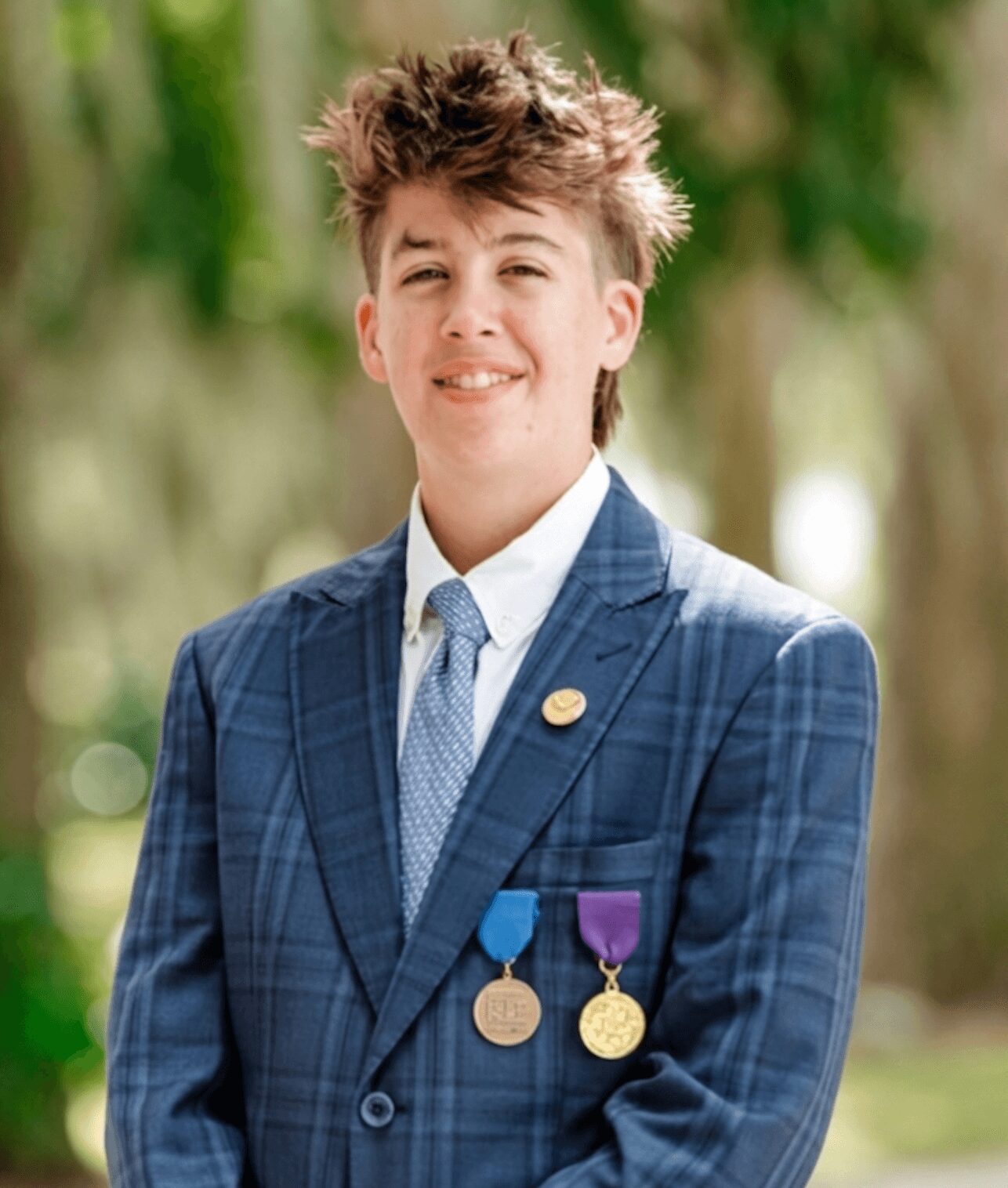
Today we’d like to introduce you to Alex Webster.
Hi Alex, can you start by introducing yourself? We’d love to learn more about how you got to where you are today?
I grew up along the Indian River Lagoon, and for most of my childhood, it felt permanent—like something that would always be there. The lagoon wasn’t just part of the landscape; it shaped my entire connection to the outdoors. I grew up fishing there, watching dolphins surface at sunrise, seeing schools of fish move through the seagrass, and experiencing an ecosystem that felt alive in every sense of the word.
But over time, I started noticing changes that became impossible to ignore. The water grew murkier. Seagrass beds began disappearing. Mangrove shorelines thinned. Areas that once supported thriving marine life suddenly felt empty. Slowly, the lagoon that raised me began to feel fragile.
One moment has stayed with me more than anything else. When I was in second grade, a massive red tide bloom hit the lagoon. Fish were washing ashore by the thousands, the water turned dark and cloudy, and the smell in the air was overwhelming. I remember standing there as a child, looking out at the water and realizing something was deeply wrong—but having no idea what I could do about it. I felt powerless.
That feeling stayed with me for years.
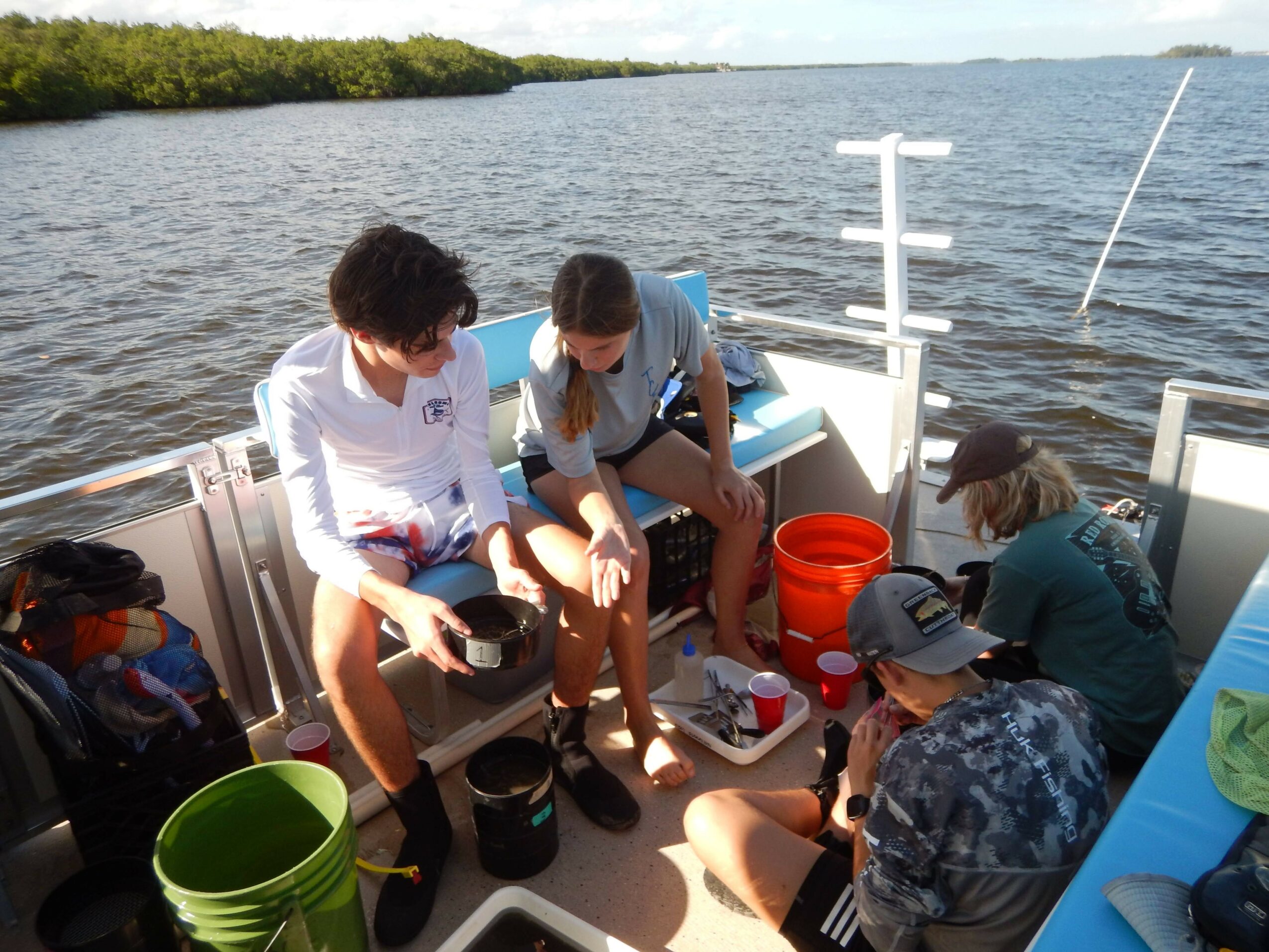
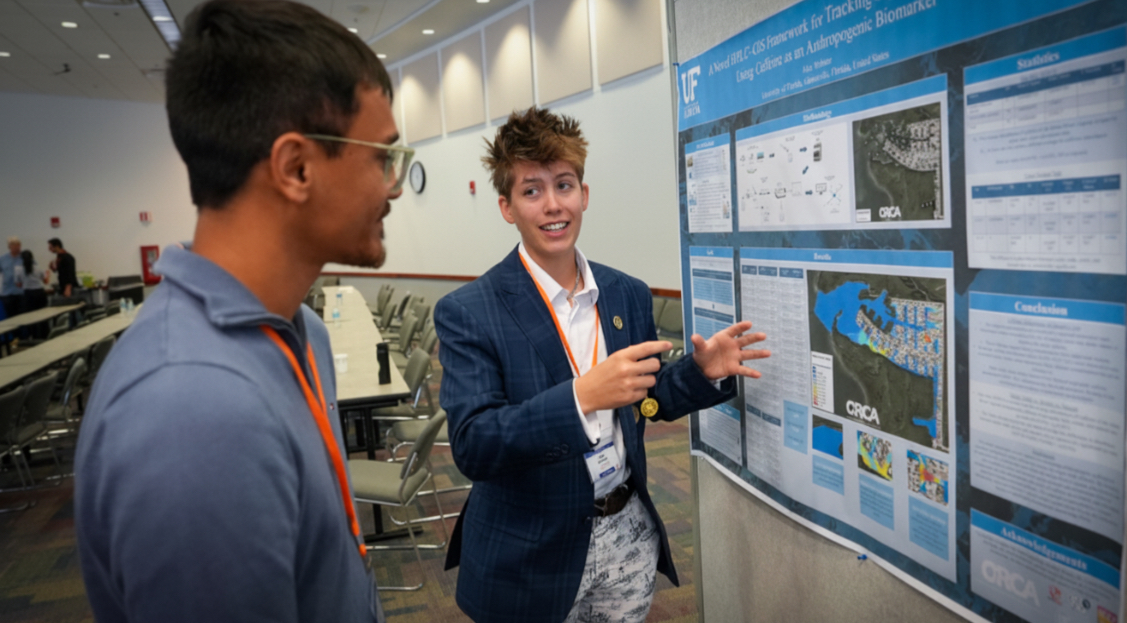
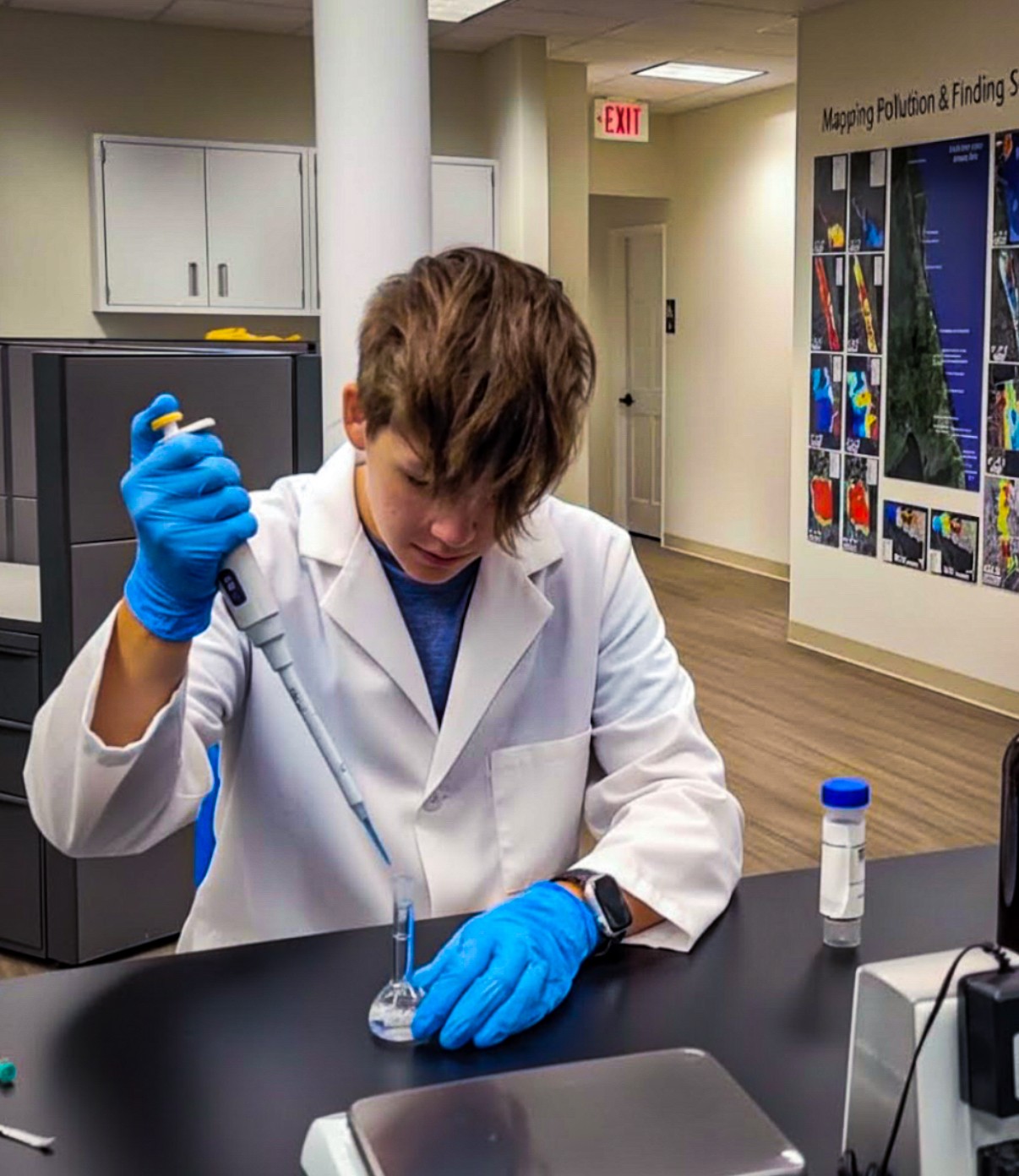
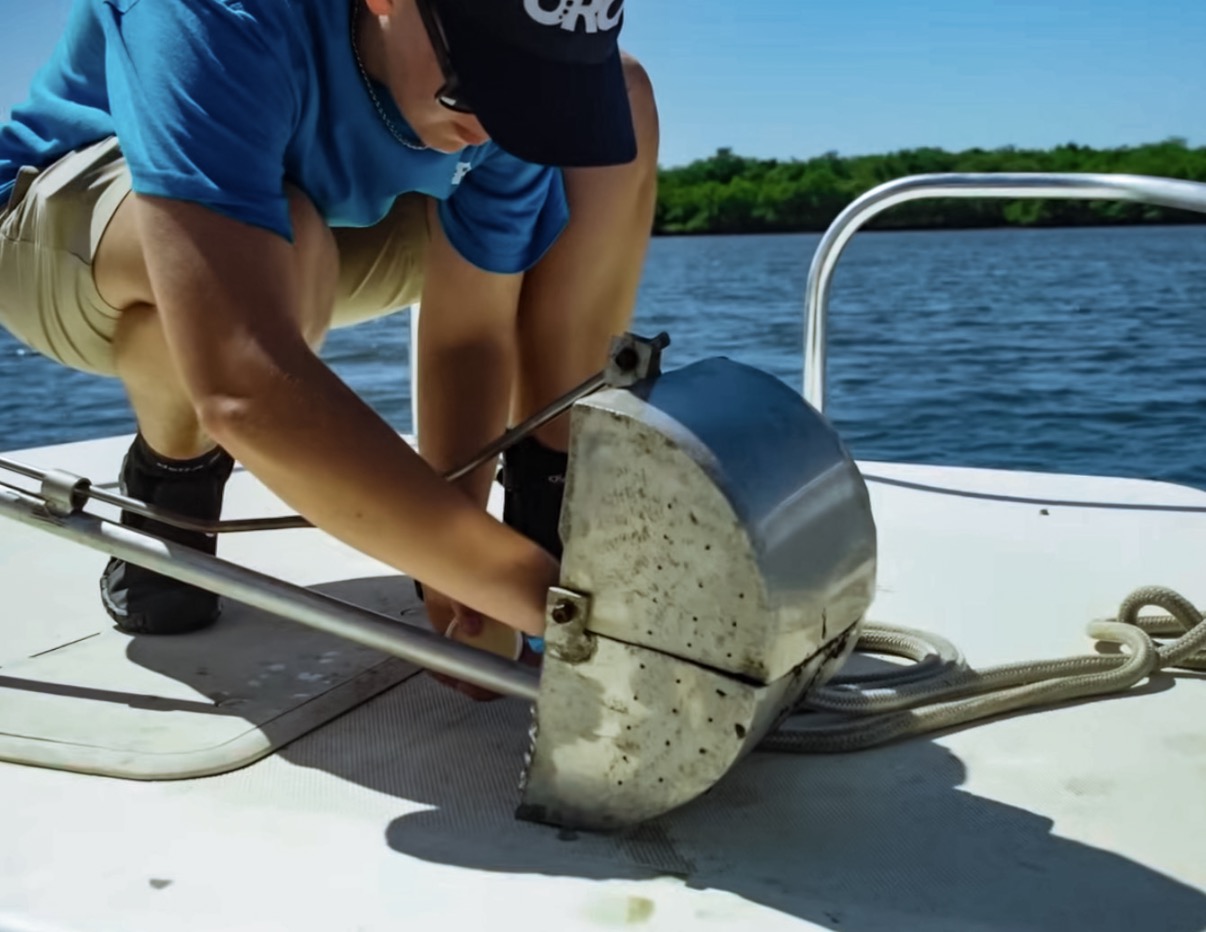
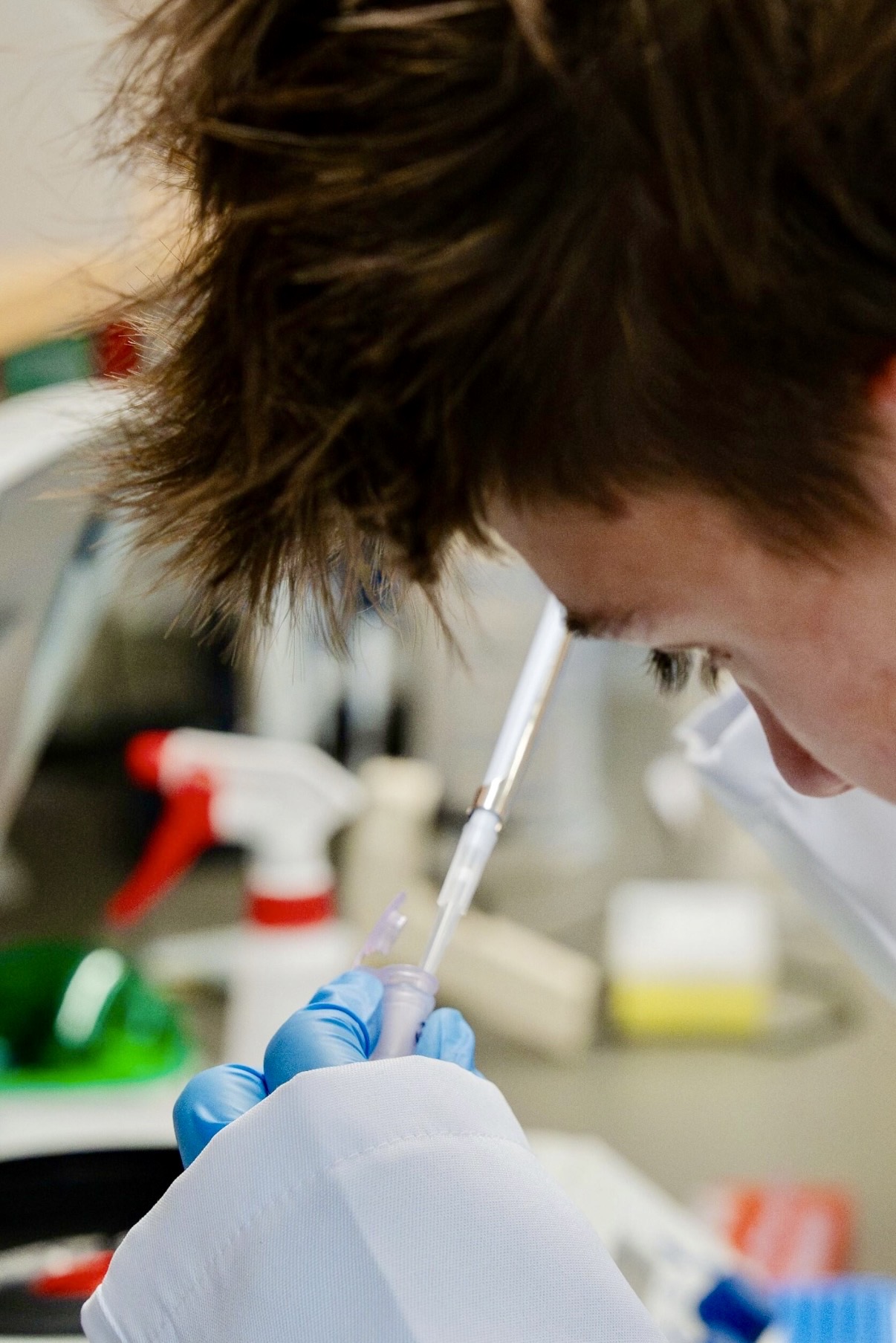
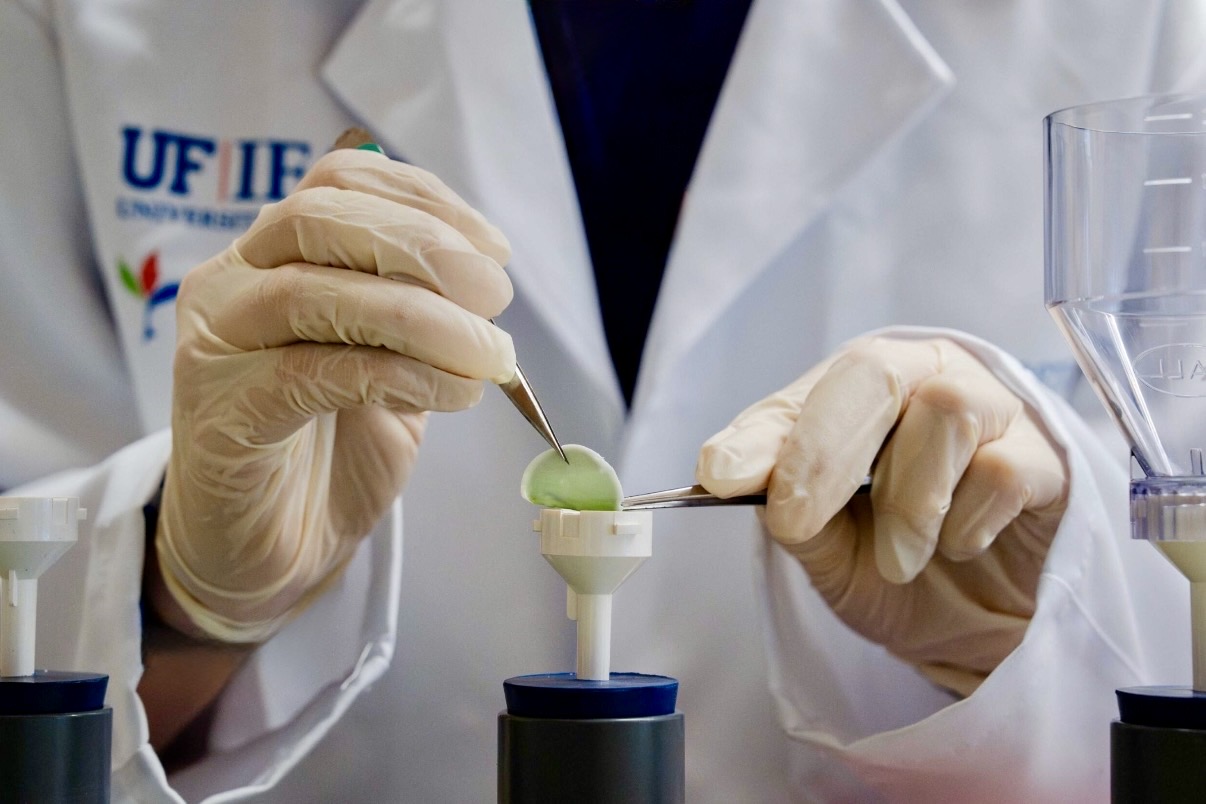
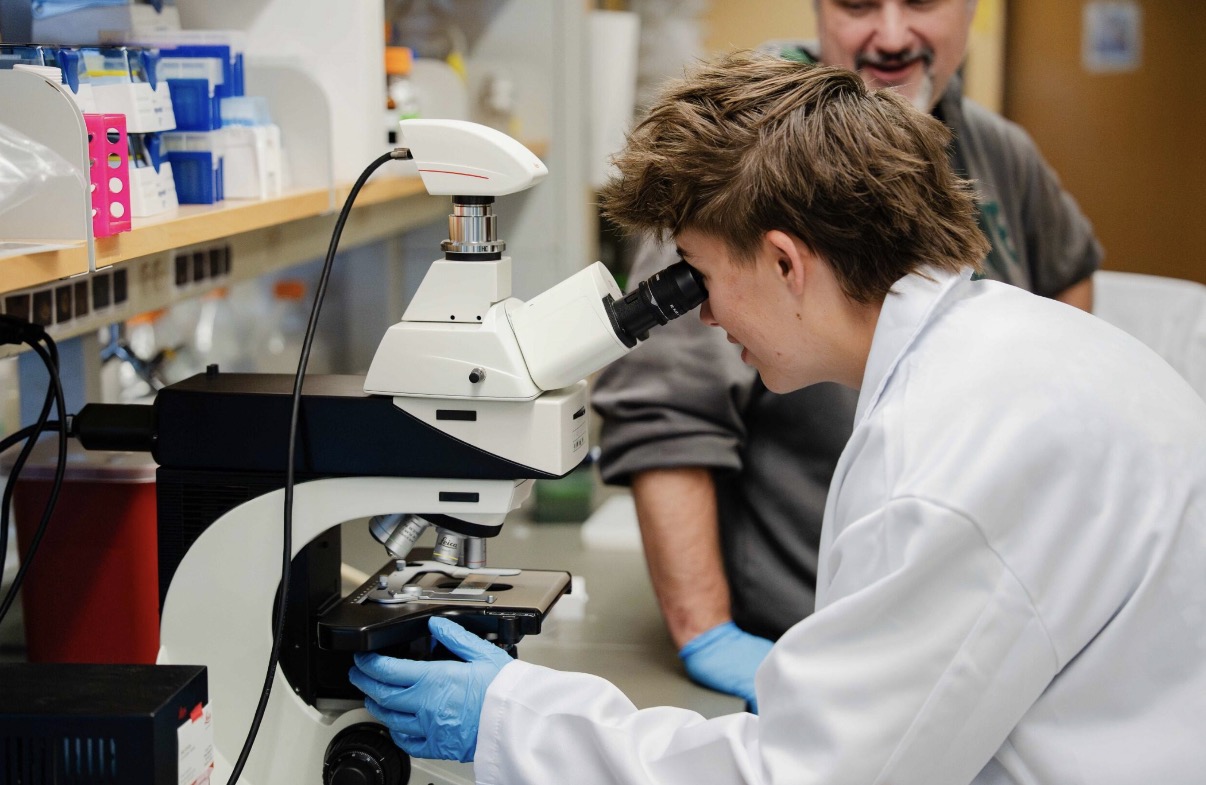
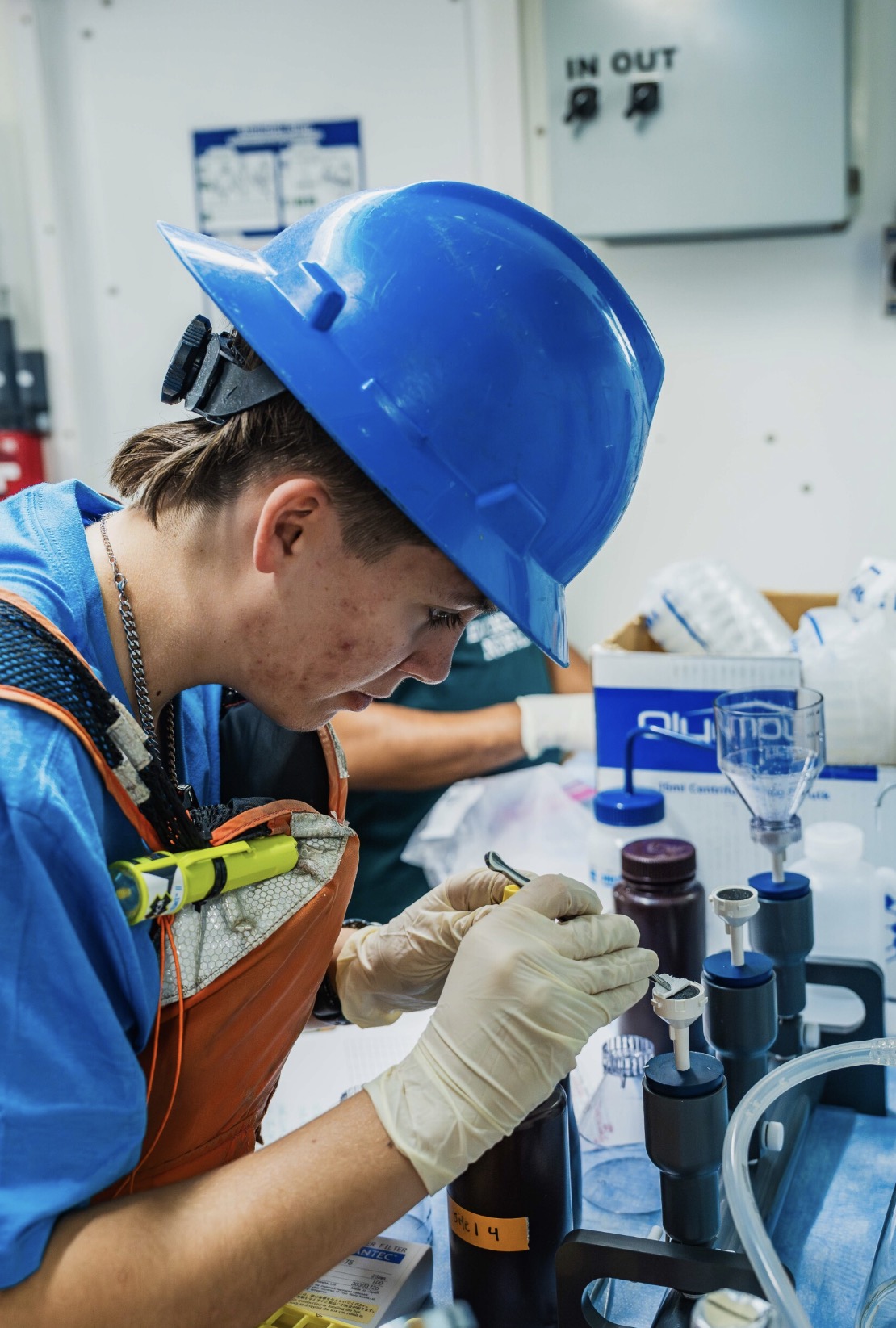
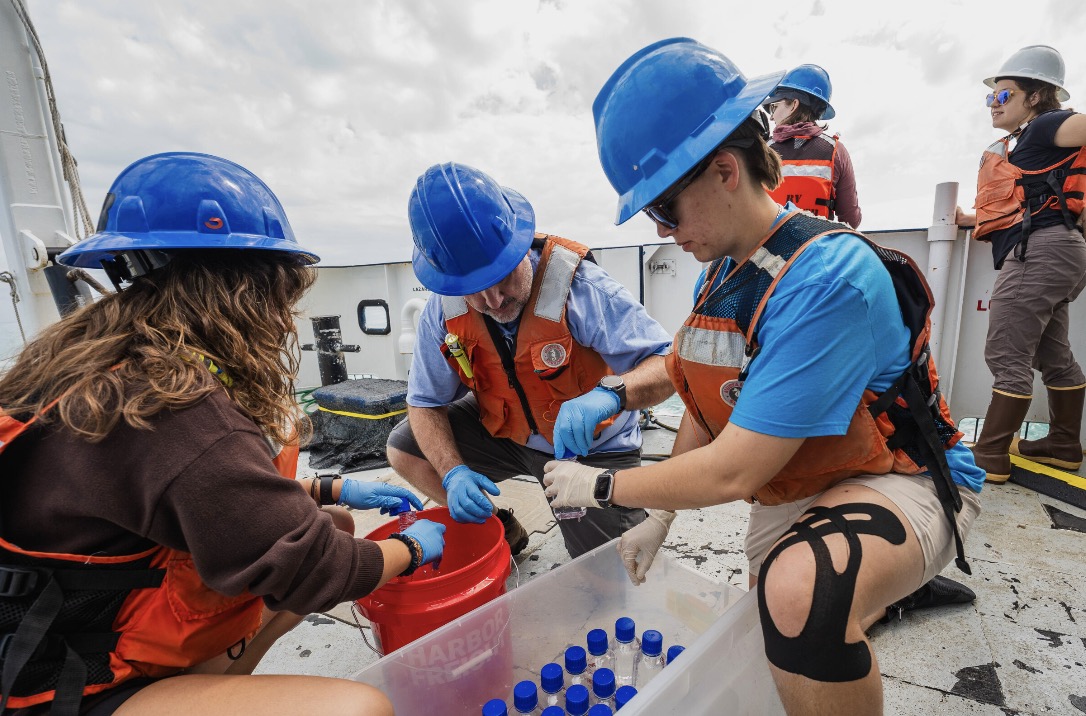
As I got older, I turned toward science because I wanted answers. I began researching marine pollution and eventually interned with the Ocean Research and Conservation Association, where I worked in ecotoxicity research and led work involving high-performance liquid chromatography. I studied contaminants like oxybenzone and caffeine in aquatic systems to better understand how human activity impacts marine ecosystems. Through science, I learned how to measure environmental damage, analyze pollutants, and understand the chain reactions happening beneath the surface of the water.
But the more I learned, the more I realized something important: understanding a problem is not the same as solving it.
Science gave me knowledge, but it also gave me responsibility.
That realization pushed me to create My Pet Mangrove.
I chose mangroves because they represent one of the most powerful—and most overlooked—solutions we have for coastal restoration and climate resilience. Mangroves are extraordinary ecosystems. They stabilize shorelines, reduce erosion, filter pollutants from the water, provide nursery habitats for fish and marine species, and act as some of the most effective natural carbon sinks on Earth, storing significantly more carbon than many terrestrial forests.
Yet despite how critical they are, we continue to lose them.
In places like the Indian River Lagoon, pollution, coastal development, habitat destruction, and repeated algal blooms have caused major declines in mangrove coverage. And when mangroves disappear, the consequences ripple outward through the entire ecosystem. Water quality declines. Biodiversity suffers. Shorelines become unstable. Fisheries weaken. Entire coastal systems lose resilience.
That’s why restoration matters so deeply to me.
Restoration is not simply about repairing environmental damage—it’s about rebuilding resilience for future generations. It’s about giving ecosystems the ability to recover and continue supporting both wildlife and human communities. But I also realized restoration cannot rely solely on scientists, nonprofits, or policymakers. Lasting environmental change only happens when communities become part of the solution.
That belief became the foundation of My Pet Mangrove.
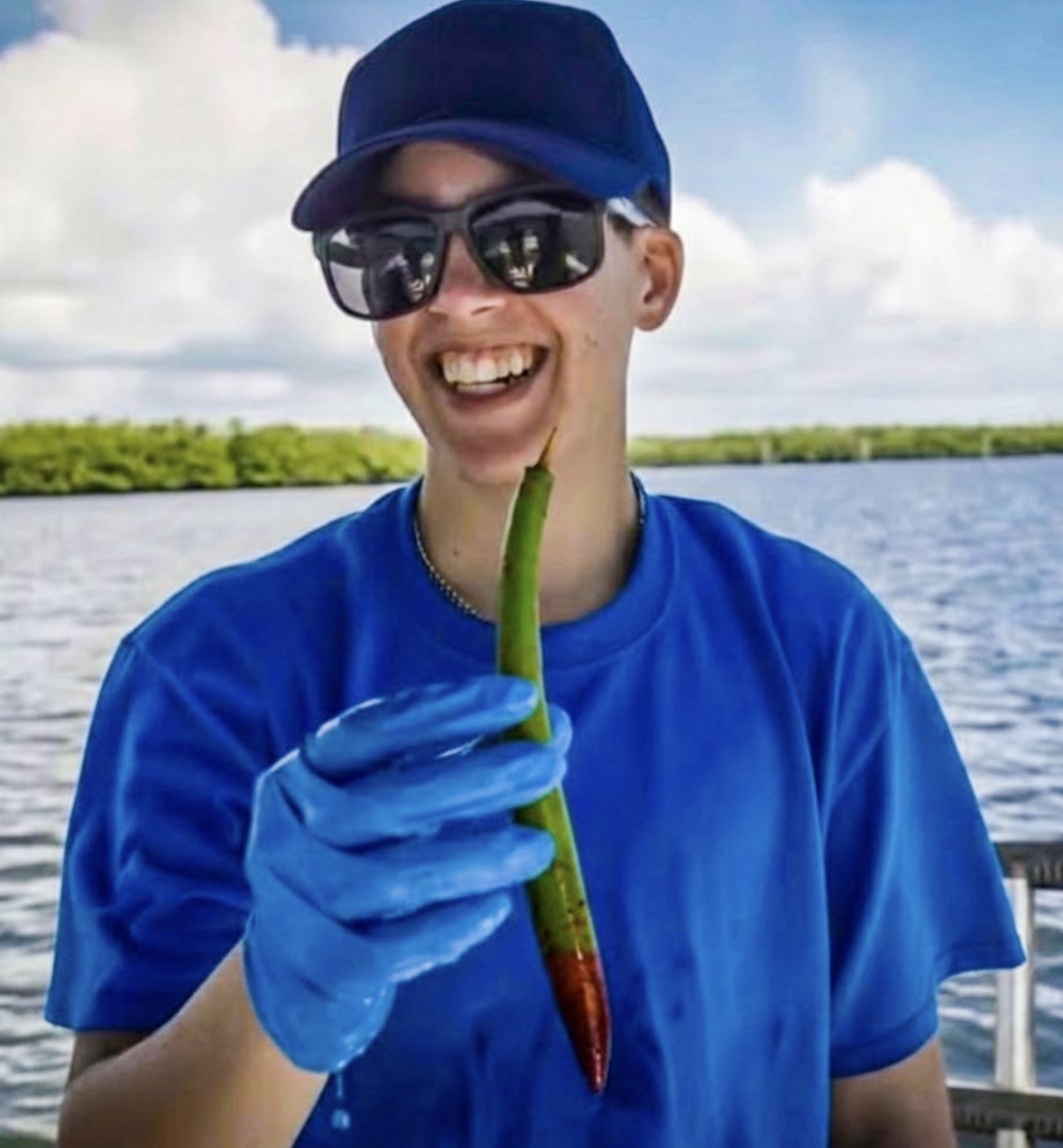
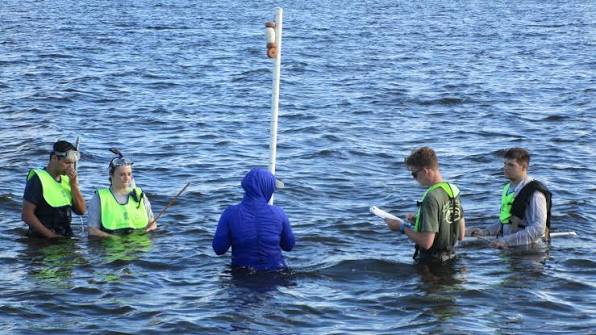
At its core, My Pet Mangrove is about transforming environmental education into environmental action. We take something as complex as ecosystem restoration and make it tangible for students. Through our programs, students collect mangrove propagules, cultivate seedlings, study marine ecology and blue carbon science, and ultimately participate in restoration efforts themselves.
The experience changes the way students see the environment. When a student grows a mangrove with their own hands and later plants it back into the ecosystem, restoration stops being theoretical. It becomes personal.
That shift is what matters most to me.
Because I never want another child to stand where I once stood—looking at a dying ecosystem and believing there is nothing they can do to help.
Looking ahead, my vision is to expand My Pet Mangrove throughout Florida and eventually into coastal communities around the world. We are currently building partnerships with both public and private schools, literacy-focused summer camps, and environmental education programs to integrate mangrove restoration into existing curricula. One of the things I care about most is curriculum alignment—ensuring that our programs are not only inspiring, but also academically meaningful. We connect restoration activities directly to state science standards, marine ecology concepts, climate science, literacy development, and project-based learning objectives so schools can seamlessly integrate environmental stewardship into the classroom experience.
I believe education becomes most powerful when students can physically see the impact of what they are learning.
That’s what My Pet Mangrove is ultimately about: creating a generation that doesn’t just study environmental problems, but feels empowered to solve them.
Would you say it’s been a smooth road, and if not what are some of the biggest challenges you’ve faced along the way?
It definitely has not been a smooth road.
One of the biggest challenges has been balancing ambition with credibility. As a young founder, there were moments where people underestimated the seriousness of the project simply because of my age. I had to learn very quickly how to communicate professionally, build trust, and demonstrate that this initiative was grounded not only in passion, but in science, education, and long-term impact.
Another challenge has been translating scientific concepts into something accessible and engaging for students and schools. Topics like blue carbon sequestration, coastal resilience, and ecological restoration can feel intimidating or overly technical. One of the hardest—and most important—parts of building this organization has been learning how to make those ideas understandable without losing their scientific integrity.
There have also been logistical challenges. Mangrove restoration sounds simple in theory, but in practice it involves coordination with schools, educators, environmental organizations, local stakeholders, and restoration sites. Building partnerships with public and private schools requires aligning with educational standards, classroom schedules, transportation limitations, funding realities, and curriculum goals. Expanding into literacy-based summer camps added another layer because we wanted to intentionally connect environmental science with reading comprehension, storytelling, and environmental communication skills.
But honestly, I think the biggest challenge has been confronting the scale of the environmental issues themselves.
When you study ecosystem decline closely, it can feel overwhelming. There are moments where the damage feels larger than any one project could ever address. But I’ve learned that meaningful change rarely begins with massive solutions—it begins with consistent action and community involvement.
That perspective keeps me grounded.
Every student who learns how mangroves protect coastlines, every classroom that participates in restoration, and every seedling planted back into the ecosystem represents momentum. And momentum matters.
Alright, so let’s switch gears a bit and talk business. What should we know?
My Pet Mangrove is a youth-led environmental initiative focused on restoring coastal ecosystems through science-based education, hands-on restoration, and community collaboration.
What makes our organization unique is that we operate at the intersection of environmental science, education, and empowerment. We are not simply teaching students about climate change or conservation in a textbook—we are actively involving them in ecological restoration efforts that produce measurable environmental impact.
Our work is built around a four-step model: collection, cultivation, education, and restoration.
Students begin by learning about mangrove ecosystems and collecting propagules responsibly. From there, they cultivate mangrove seedlings while studying concepts like marine ecology, biodiversity, water quality, and blue carbon science. Eventually, those seedlings are replanted into restoration environments, allowing students to directly contribute to coastal resilience efforts.
What sets us apart is our emphasis on curriculum integration and accessibility. We work closely with educators to align programming with academic standards so that environmental restoration becomes a meaningful extension of classroom learning rather than an extracurricular add-on. We are also expanding collaborations with literacy-centered summer camps because environmental stewardship is not just about science—it is also about communication, storytelling, advocacy, and helping students develop the language to speak about environmental challenges confidently.
Another major focus of ours is collaboration across communities. We are actively working to partner with both public and private schools because environmental education should not be limited by geography or resources. Coastal restoration is a shared responsibility, and we believe every student deserves the opportunity to participate in hands-on environmental learning regardless of background.
Brand-wise, what I am most proud of is the sense of ownership students develop through this work.
Students are not passive participants in My Pet Mangrove—they become researchers, cultivators, advocates, and restoration leaders. They see firsthand that environmental change is not reserved for scientists or policymakers alone. They realize they are capable of contributing right now.
That mindset shift is incredibly powerful.
I want readers to understand that My Pet Mangrove is about much more than planting trees. It is about rebuilding relationships between people and the ecosystems around them. It is about creating environmental literacy that leads to action. And most importantly, it is about giving young people tangible proof that they have the ability to shape the future of their communities and coastlines.
Risk taking is a topic that people have widely differing views on – we’d love to hear your thoughts.
For me, the greatest risk would have been seeing environmental decline happen in front of me and choosing to stay passive. Starting My Pet Mangrove meant stepping into spaces where I had no guarantees—reaching out to schools, organizations, scientists, and community leaders without knowing whether they would take the project seriously. It meant putting my ideas into the public sphere before everything was perfect and learning along the way.
One of the biggest risks I took was building an initiative that combined scientific restoration with educational programming at a relatively young age. There is always vulnerability in starting something mission-driven because you are asking people to believe not only in your idea, but also in your vision for the future.
Another major risk involved expanding beyond traditional environmental education models. We intentionally pursued partnerships not only with science classrooms, but also with public and private schools, literacy-focused camps, and interdisciplinary educational programs. Some people initially questioned how environmental restoration could connect meaningfully with literacy and broader curriculum development. But I strongly believe that environmental stewardship cannot exist in isolation. Students need scientific understanding, but they also need the communication skills to advocate for ecosystems, educate others, and tell stories that inspire change.
That interdisciplinary approach became one of our greatest strengths.
To me, risk-taking is not about being reckless—it is about being willing to pursue meaningful work despite uncertainty. Every major environmental challenge we face today requires people who are willing to think differently, collaborate across disciplines, and build solutions that may not already exist.
The work we are doing with My Pet Mangrove is rooted in that philosophy. We are taking risks on young people. We are trusting students with real environmental responsibility. And I think that belief in the next generation may be one of the most important investments we can make.
Contact Info:
- Website: https://mypetmangrove.squarespace.com/
- Instagram: https://www.instagram.com/mypetmangrove/
- LinkedIn: https://www.linkedin.com/company/my-pet-mangrove/