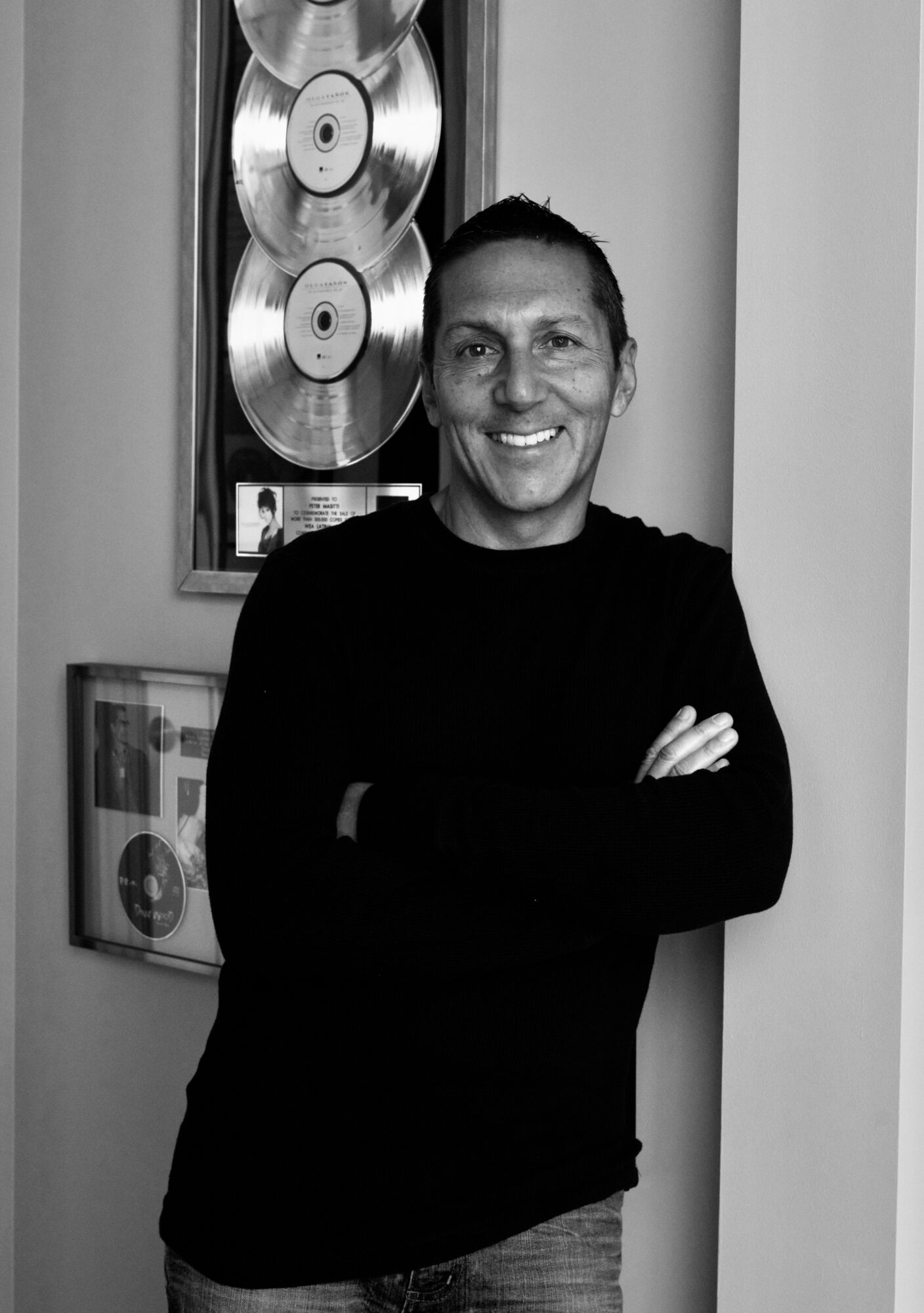





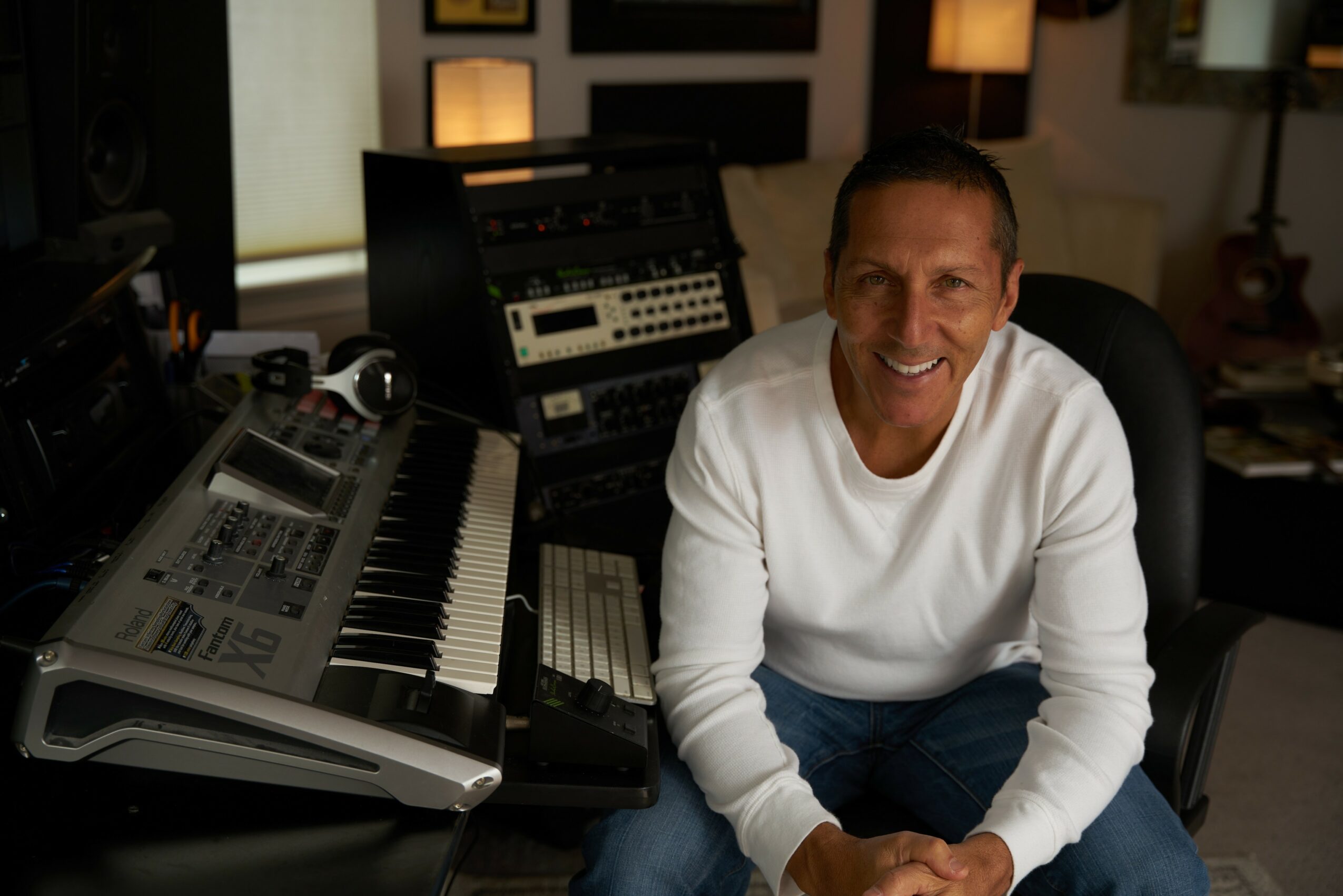
Today we’d like to introduce you to Pete Masitti.
Pete, we appreciate you taking the time to share your story with us today. Where does your story begin?
Looking back, my entire music career was inspired by a completely random encounter when I was in seventh grade.
At that age, I used to spend Saturdays at a boys club run by a seminary in northern New Jersey. One rainy afternoon, a group of us were stuck inside the clubhouse while one of the seminarians, Brother Gene, entertained several of the boys by reading palms. When he looked at mine, he paused and pointed to a line in my hand that he said resembled the bell of a trumpet. He told me I was going to become a famous trumpet player.
At the ripe old age of 12, I completely believed him.
As luck would have it, there was an old trumpet sitting in our house that my mother had briefly tried to learn years earlier. I pulled it out and became obsessed almost immediately.
After a few months of lessons, the teacher at my local music store — who was actually a clarinet player — recognized how serious I was and recommended that I begin studying with a dedicated trumpet instructor. That’s when music really started becoming a central focus in my life.
Fast forward a year or so, and I ran into Brother Gene again and excitedly reminded him about the palm reading — and how I was now actually playing the trumpet! I showed him my hand again and pointed enthusiastically to the “trumpet bell” line he had discovered.
He looked at me, laughed, and said… “I don’t read palms.”
By that point, though, it didn’t matter. What started as a random moment had already sparked something very real in me. From an early age, I was always drawn to singing and instinctively felt there was something musical in me, even though I hadn’t yet developed the ability to really hear and find pitches. Discovering the trumpet was the first time I truly connected with music in a tangible way.
When I entered high school, I had only been playing trumpet for a short time and started out last chair in the high school band. Most of the other students had been playing for years, and I was clearly behind technically. But once I became focused on the instrument, something in me became relentless.
I still remember my father saying early on that if I practiced hard enough, maybe someday I could get into Juilliard. Once that idea got planted in my head, I became laser-focused on making it happen, and that determination only intensified over time. Around that same time, my grandmother introduced me to a program called The Silva Method, which focused heavily on visualization, concentration, and goal-setting techniques. Looking back, I genuinely believe that experience shaped the way I approached music and life from that point forward. Once the idea of Juilliard got planted in my head, I became intensely focused on it, and somehow the right teachers, opportunities, and experiences kept appearing along the path toward that goal.
By my junior year, things began accelerating quickly. I was practicing up to five hours a day and had become intensely focused not just on improving, but on building my entire life around that goal. A lot of that practicing happened on the second-floor back porch outside our kitchen, which overlooked a wooded area behind our house. During the winter, the sound of the trumpet would echo through the hills for what felt like miles. Looking back, I’m not entirely sure my neighbors appreciated the experience as much as I did.
I steadily worked my way through county, regional, and state ensembles, and by my senior year I had gone from last chair in my high school band to first chair in multiple honor groups, culminating with first chair in the All-Eastern Orchestra, an elite ensemble made up of top student musicians from across the eastern United States.
Looking back, I think the combination of intense commitment, daily visualization, and a genuine belief that I could reach those goals helped accelerate my progress far beyond what most people expected. I never really thought of myself as the most naturally gifted player in those circles. If anything, my real advantage was relentless drive — I was simply willing to put more time, focus, and energy into it than most other people around me.
On a cold winter day of my senior year, my father and I traveled to Manhattan so I could finally take my audition for The Juilliard School at Lincoln Center. I still remember him driving the seven miles to my high school a few weeks later to pull me out of class to show me the letter. Somehow, after all those years of obsessing over it, I had actually gotten in. Honestly, I think he was even more excited than I was — and I was pretty excited.
Even while immersed in classical trumpet studies, I was always drawn toward songwriting, piano, recording, and production. Juilliard was incredibly demanding, but whenever I could steal a little time away from practicing trumpet, I found myself sitting at the Steinways in the practice rooms, experimenting with songs and ideas. In many ways, it became both a creative and emotional outlet, as well as an early glimpse into the direction my career would eventually take.
After graduating, I moved west to continue my studies at Cal State Northridge, where my interests began shifting more heavily toward commercial music, jazz, composition, and production. I played in jazz ensembles, toured with a rock band as a keyboard player, and became increasingly fascinated and obsessed with the studio side of music creation.
That eventually led me to the University of Miami, where I pursued graduate studies in media writing and production. Around that time, digital recording technology was beginning to transform the industry, and I became deeply immersed in recording, engineering, songwriting, and production.
I built my first humble home studio setup and spent countless hours learning by doing — taking on sessions, producing local artists, and reinvesting nearly every dollar I made back into gear, instruments, and the studio itself.
Over time, those opportunities grew into professional production and remix projects. One of my first major breaks came through work with KC and the Sunshine Band, which opened the door to a series of larger opportunities in both production and touring.
Along the way, I performed and toured with artists including Shakira, and later produced and co-wrote material for Julio Iglesias Jr., serving as his musical director for several years. Through those projects, I also had opportunities to co-write with Paul Stanley of KISS and produce songs for Hootie & the Blowfish, including one track that appeared on their greatest hits release. I also produced numerous projects for Danny Wood of New Kids on the Block.
At the same time, I continued developing as a producer, mixer, songwriter, and engineer. I also spent several years creating remixes with well-known New York DJ and remixer Hex Hector for artists including Kelly Rowland, Toni Braxton, Luis Miguel, Snoop Dogg, Amy Grant, and others.
Another major chapter of my career began when I started writing for Audio Network, a global production music library. I now have more than 300 songs in their catalog used across television, film, commercials, and streaming productions worldwide.
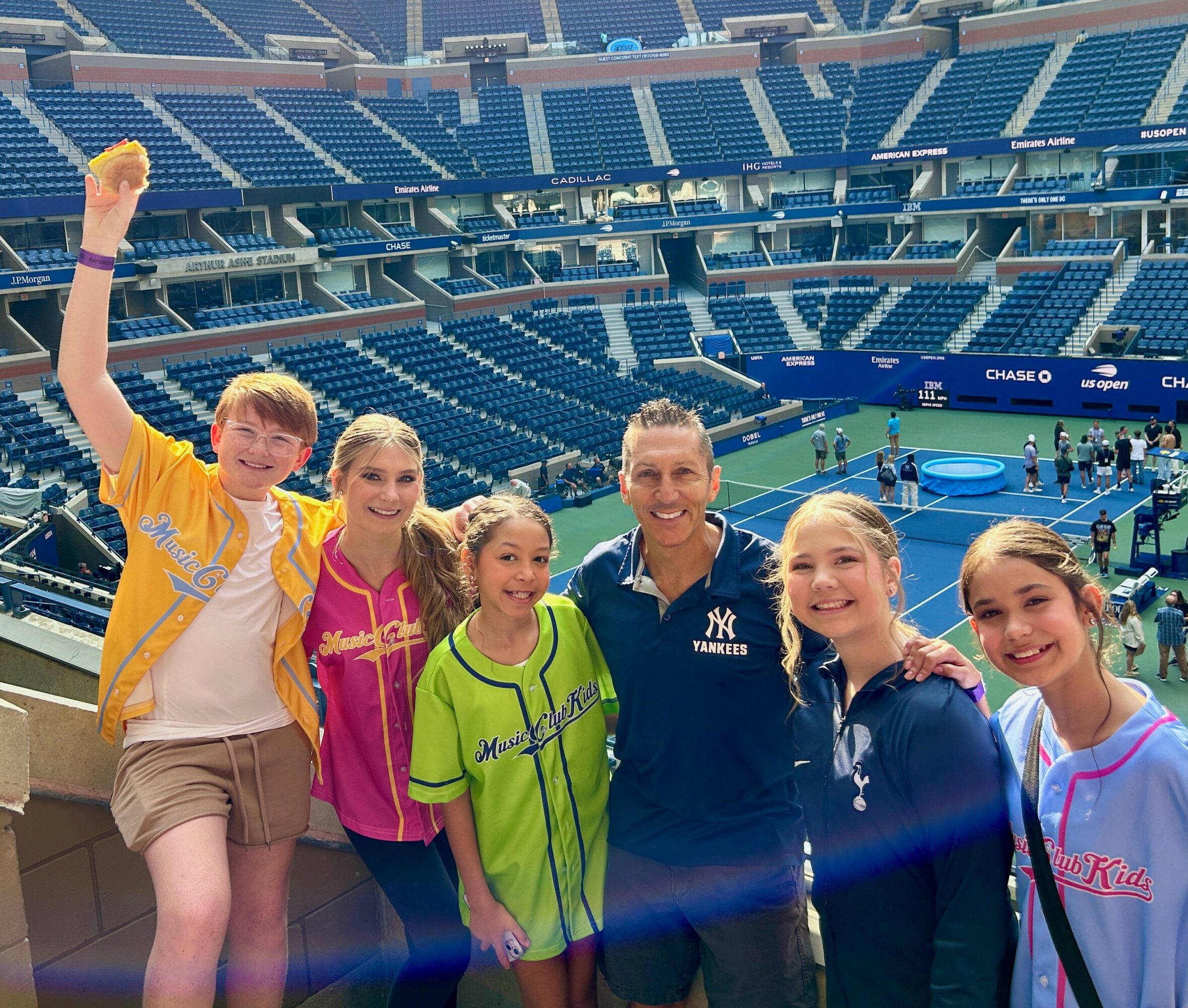
I’ve also had the opportunity to work extensively with producer Eric Foster White on projects including HitStreak and Music Club Kids, serving as a vocal producer, recording engineer, mixer, and music producer across numerous productions and episodes.
Along the way, I also taught production and engineering courses as an adjunct professor at Miami Dade College, which helped shape another side of my career that I still value deeply: mentoring and teaching.
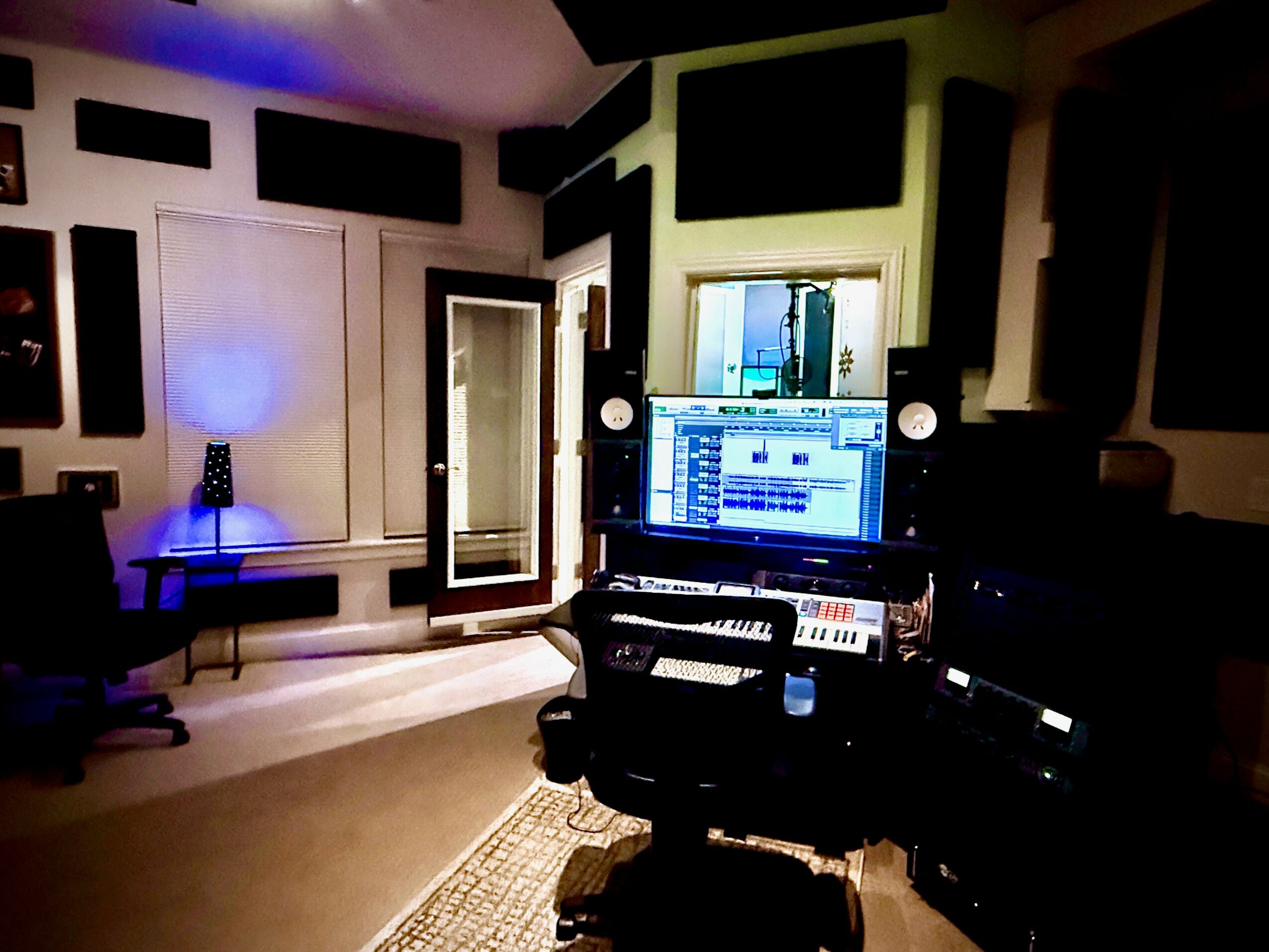
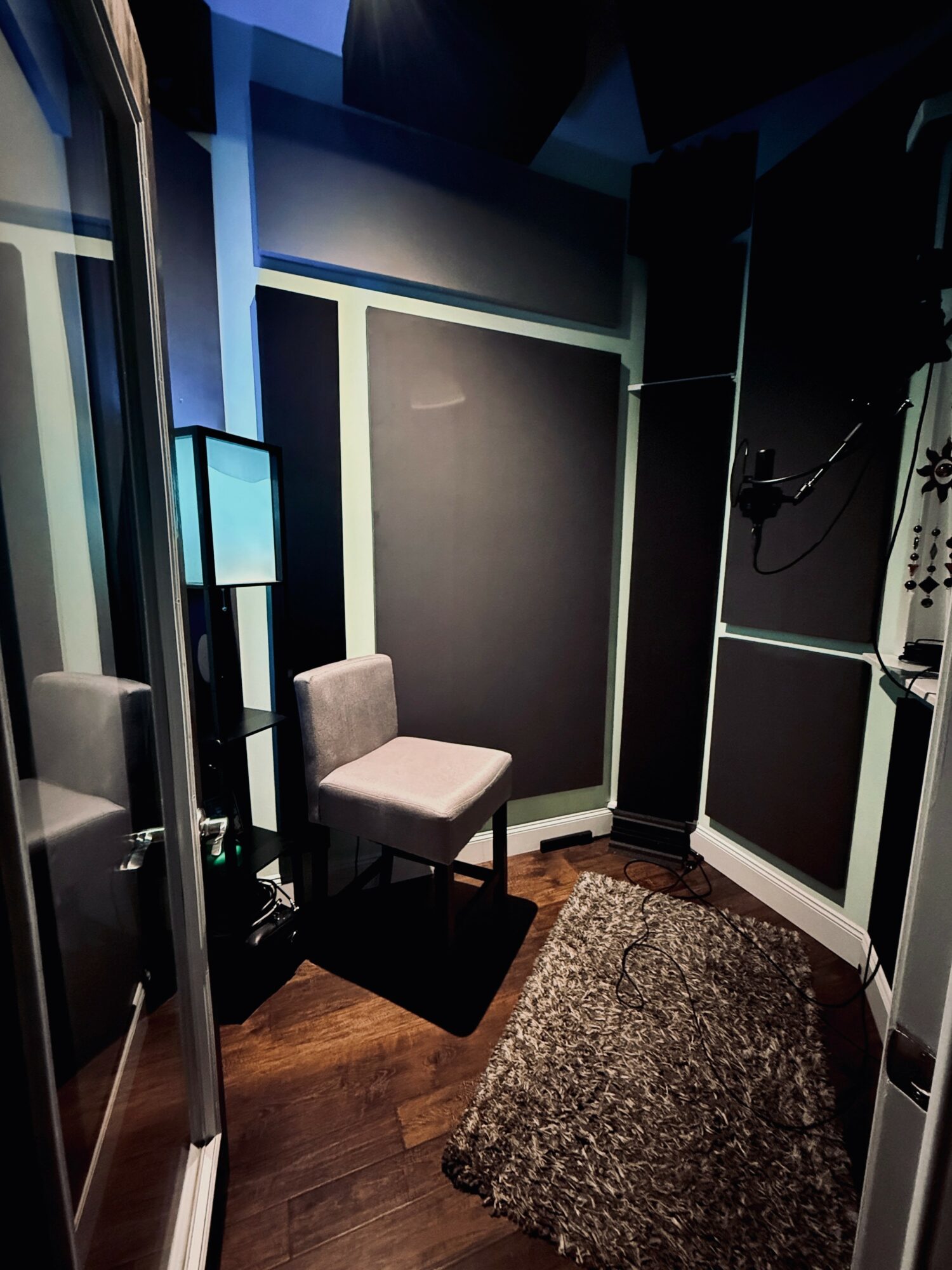
Eventually my wife and I decided to leave South Florida and settle in northern St. Augustine to raise our family. We built a home and I was able to custom-design my current recording studio from the ground up, including a professionally isolated recording booth and dedicated production space.
Today, I continue to write and produce music while working with artists in the studio, coaching singers, mentoring young musicians, and teaching everything from songwriting and recording techniques to DAW instruction and music theory. I especially enjoy helping developing artists find their voice and grow creatively and professionally.
Looking back, it’s amazing to realize how one rainy afternoon — and one very convincing performance by Brother Gene — completely changed the course of my life. The instruments and goals evolved over the years, but the excitement and sense of possibility that music gave me at 12 years old never really disappeared.
Would you say it’s been a smooth road, and if not what are some of the biggest challenges you’ve faced along the way?
It definitely hasn’t been a smooth road. Looking back, one of the earliest challenges came during my freshman year of high school. I used to stay after school practicing trumpet alone in the band room, trying to catch up to students who had been playing for many more years than I had. At one point, my band director actually told me to “give it up.” To be fair, I probably didn’t sound very good yet — but hearing that at such an impressionable age could have easily discouraged me from continuing. Instead, it motivated me even more.
Ironically, some of the biggest struggles came later, after I had already achieved many of the goals I had worked so hard for. During my time at Juilliard, I developed embouchure problems — essentially issues with how the lips interact with the mouthpiece to create sound. Something that had once felt completely instinctual suddenly became difficult and unpredictable. For a period of time, I felt genuinely lost on the trumpet, and mentally that was an incredibly difficult experience to navigate.
The music industry itself also comes with constant rejection. Over the years, I’ve been part of bands, productions, and artist projects that I believed deeply in, only to have labels pass on them or opportunities fall apart. When you create music, you inevitably invest part of yourself into it, so rejection can feel very personal. Learning how to keep moving forward creatively despite setbacks was probably one of the most important lessons of my career.
There were also many years early on where I worked for little or no money simply to gain experience and continue improving my craft. Building studios, learning technology, developing clients, and establishing a career in music production took a tremendous amount of patience and reinvestment.
The music industry is constantly evolving, and longevity often depends on being adaptable. I’ve had to reinvent myself multiple times throughout my career — from classical musician, to performer, to producer, engineer, songwriter, educator, and mentor. Looking back, I think the obstacles ultimately reinforced the same lesson I learned very early on: persistence, adaptability, and belief in the process matter just as much as talent.
Can you tell our readers more about what you do and what you think sets you apart from others?
I’m a music producer, recording engineer, songwriter, musician, mixer, and educator based in northern St. Augustine, where I run West End Recording Studios. My work spans a wide range of projects including artist development, vocal production, songwriting, mixing, commercial music production, and audio for media.
Over the years I’ve had the opportunity to work with artists including Shakira, Julio Iglesias Jr., Danny Wood of New Kids on the Block, Hootie & the Blowfish, and producer Eric Foster White, while also building a large catalog of production music for Audio Network with more than 300 published tracks used internationally across television, film, commercials, and streaming media.
What I probably specialize in most is helping artists develop emotionally authentic performances and recordings – especially tracking vocals. Because my background includes classical training at Juilliard, jazz studies, commercial composition, live performance, songwriting, and engineering, I tend to approach music from both a technical and emotional perspective. I care just as much about capturing a believable vocal performance and emotional connection as I do about microphones, acoustics, or mixing techniques.
One thing that sets me apart is that I’ve worked in many different areas of the music industry — as a performer, musical director, producer, engineer, songwriter, educator, and mentor — which allows me to relate to artists from multiple perspectives. I also genuinely enjoy helping younger musicians and developing artists grow creatively and gain confidence in their abilities.
What I’m probably most proud of is longevity. The music industry changes constantly, and I’ve been fortunate to continue evolving, learning, creating, and working professionally in music for many years while still genuinely loving the process. Looking back, I’m also incredibly grateful that music has never just been a passion or side pursuit for me — it’s truly been my life’s work. Everything I’ve built professionally and personally has come through creativity, composition, production, performance, teaching, and the relationships that music has brought into my life.
Networking and finding a mentor can have such a positive impact on one’s life and career. Any advice?
I’ve been fortunate to have several important mentors throughout my life and career, and I think having the right people around you can make an enormous difference.
One of the biggest influences on me early on was my high school choir teacher, Mr. Scott. He introduced us to ear training and music theory in high school, which was incredibly valuable for me as a developing musician. He also ran a yearly variety show that gave students the chance to stretch creatively and try things outside of the normal classroom environment. More than anything, he was just incredibly supportive and encouraging at a really important stage of my life.
One thing I’ve learned is that mentorship usually happens naturally. Most of the meaningful relationships in my career came from simply showing up prepared, working hard, being reliable, and staying open to learning. Over time, opportunities and relationships tend to grow naturally from that.
I also think networking is often misunderstood. In creative fields especially, people remember how you make them feel to work with. Talent matters, but so do attitude, professionalism, consistency, and being someone others genuinely enjoy being around during long sessions or projects.
At this stage in my life, I really enjoy mentoring younger artists and students myself. Watching someone grow in confidence and develop creatively is probably one of the most rewarding parts of what I do now.
Contact Info: