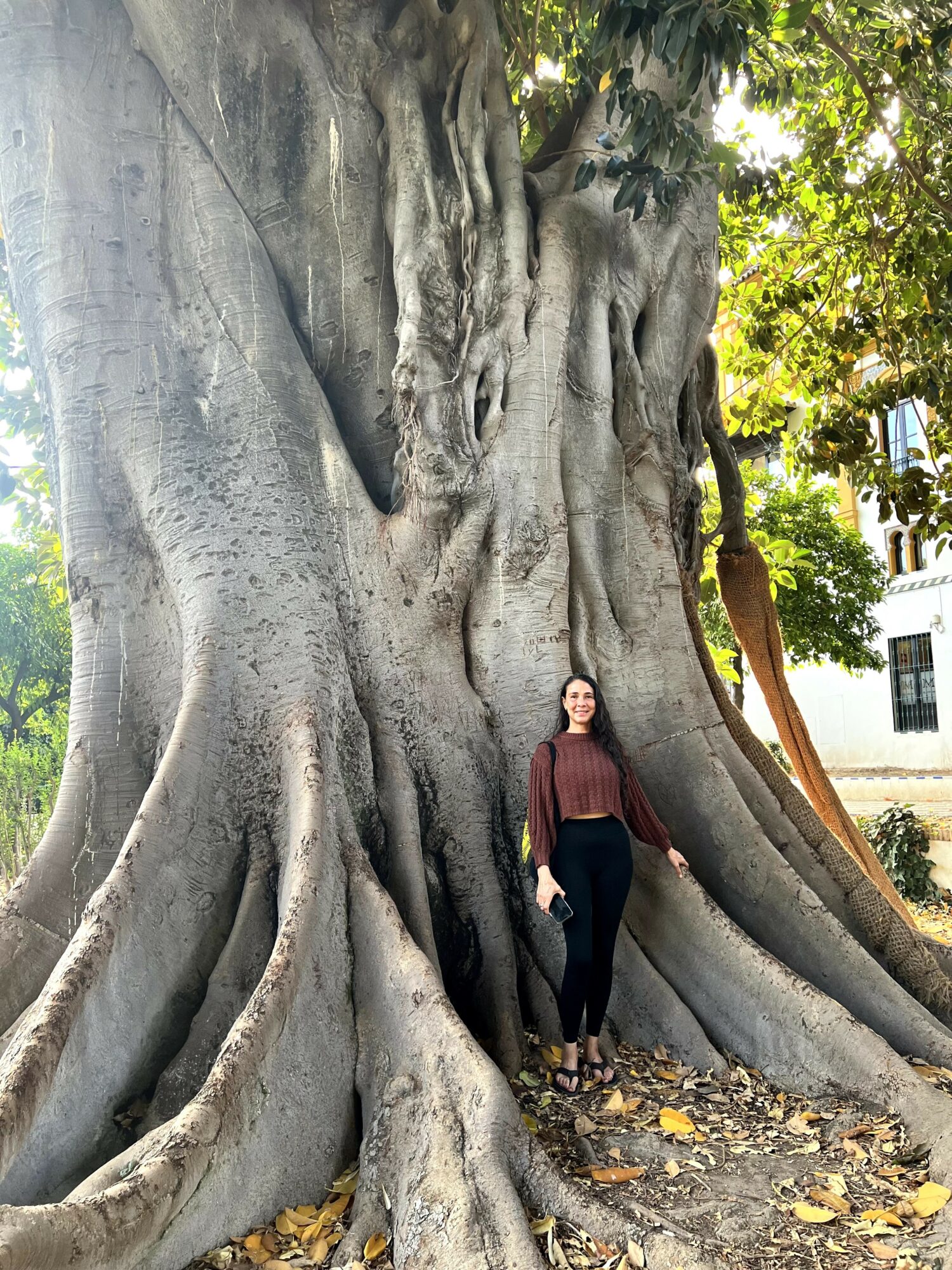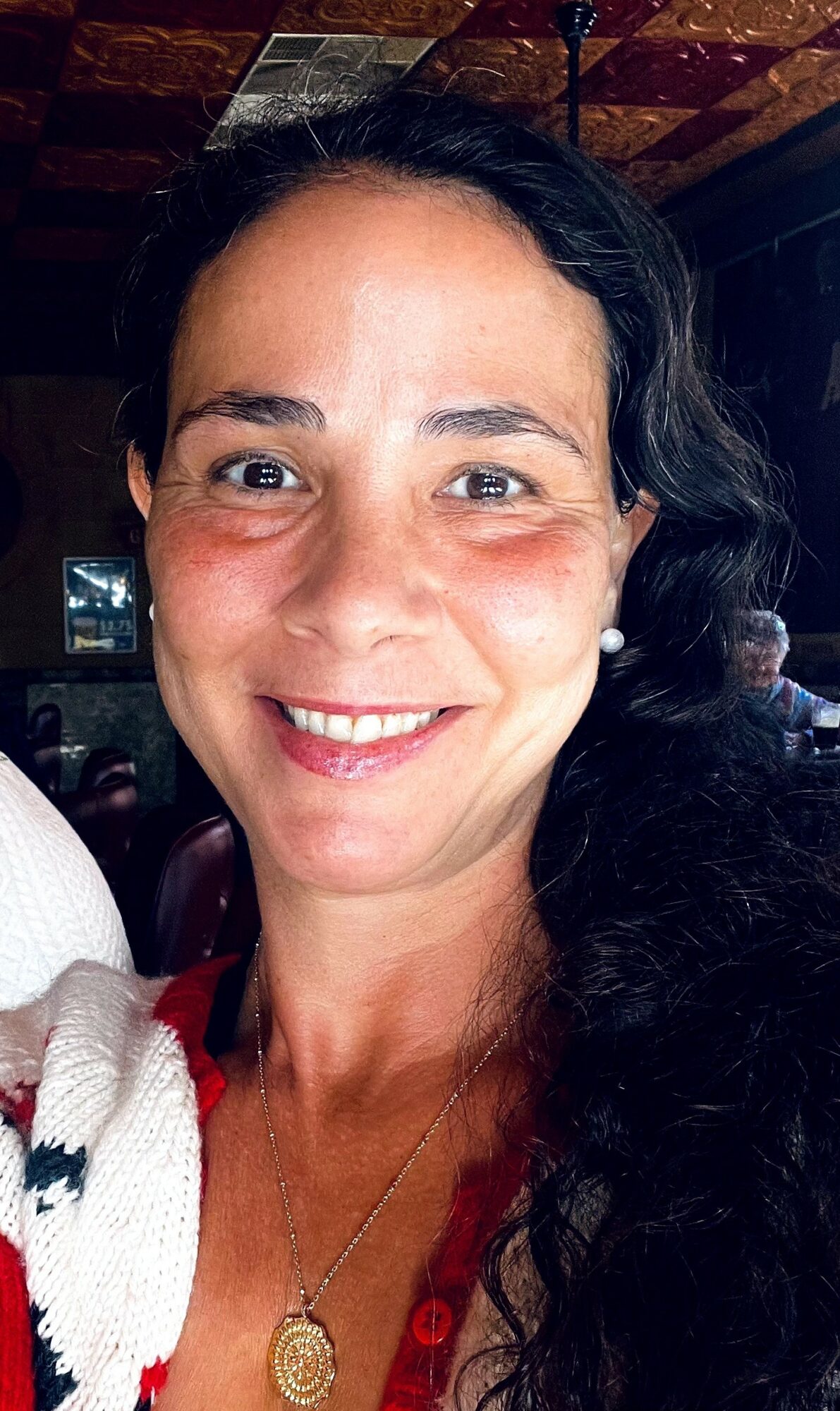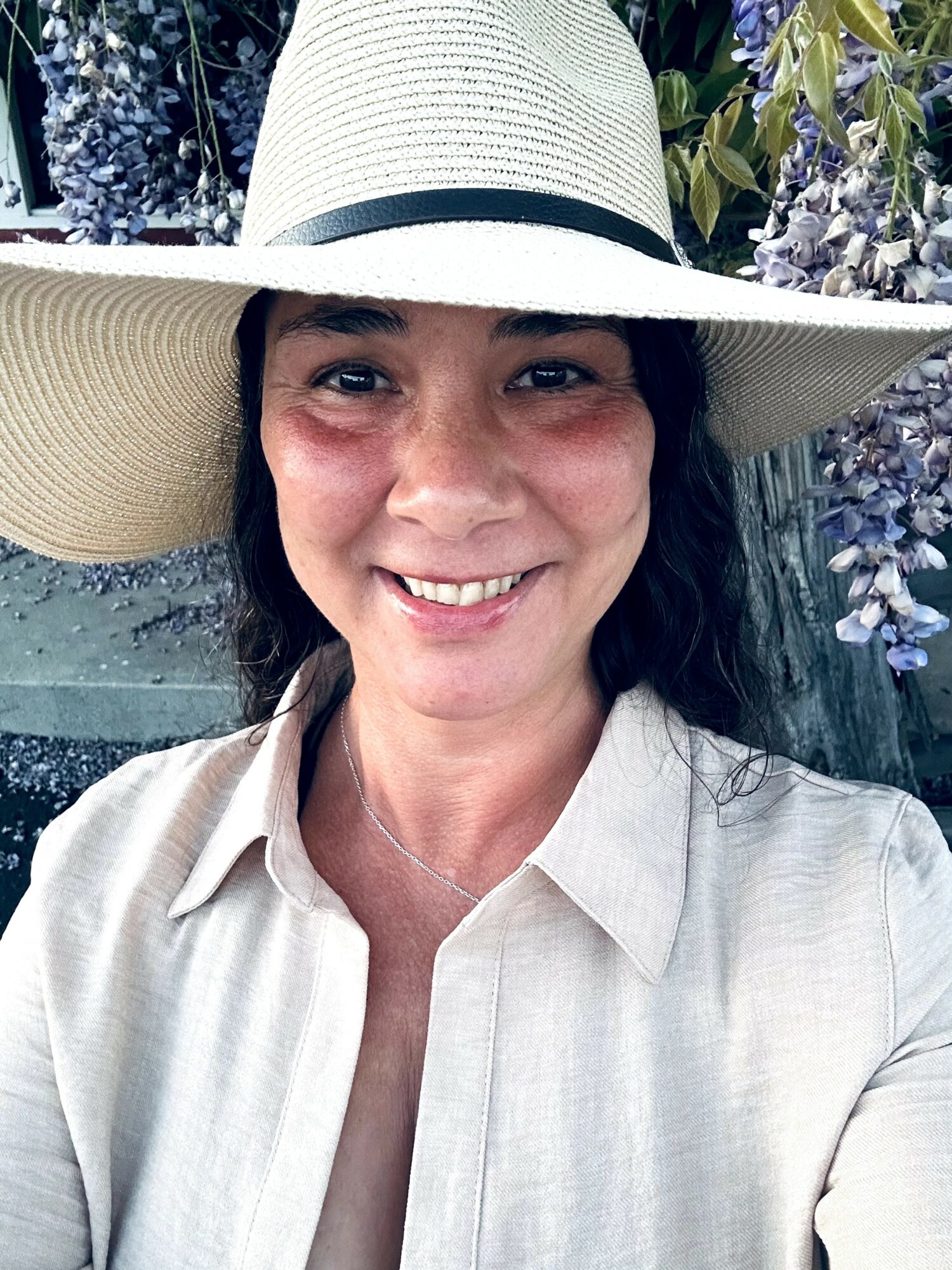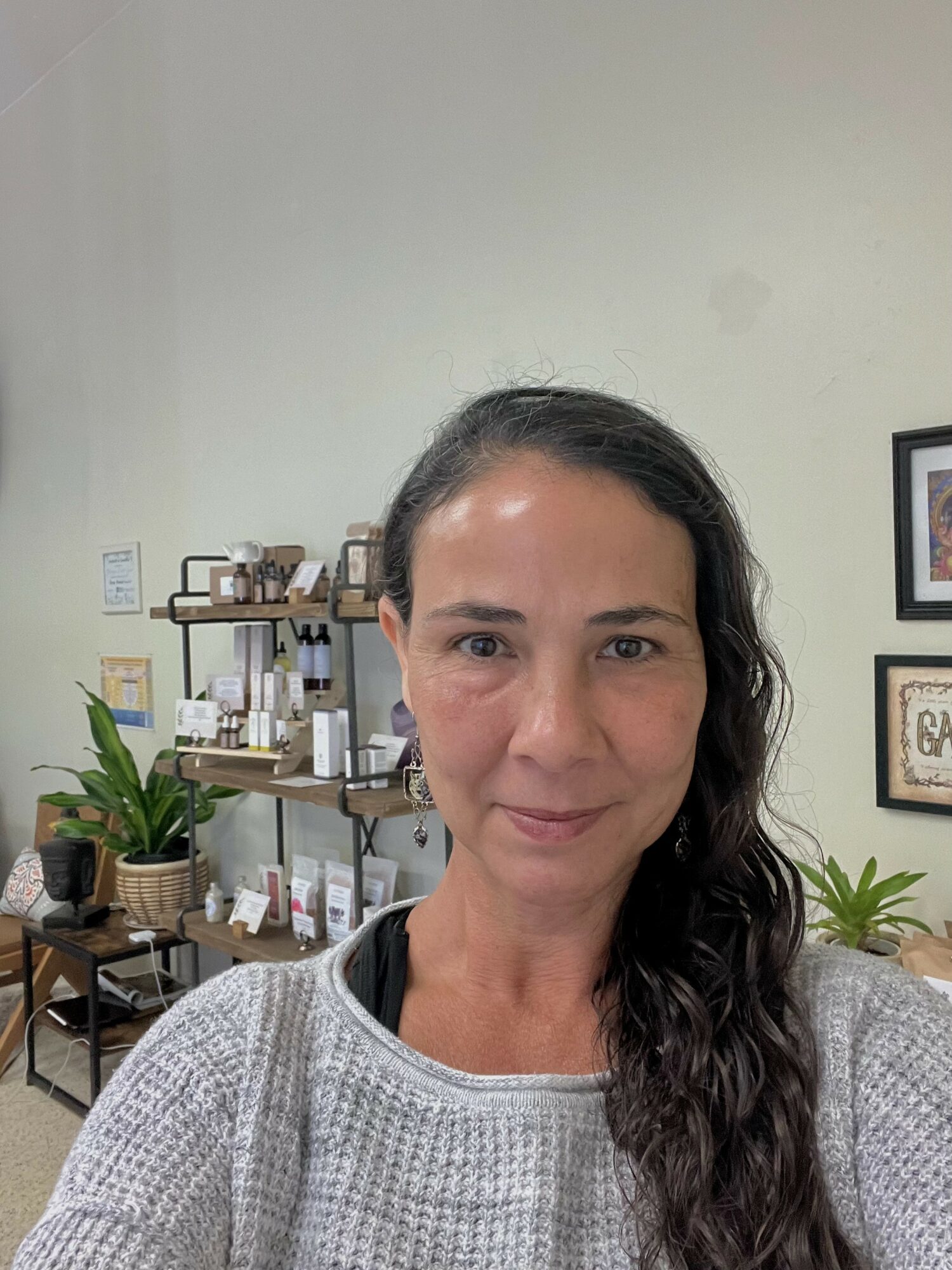





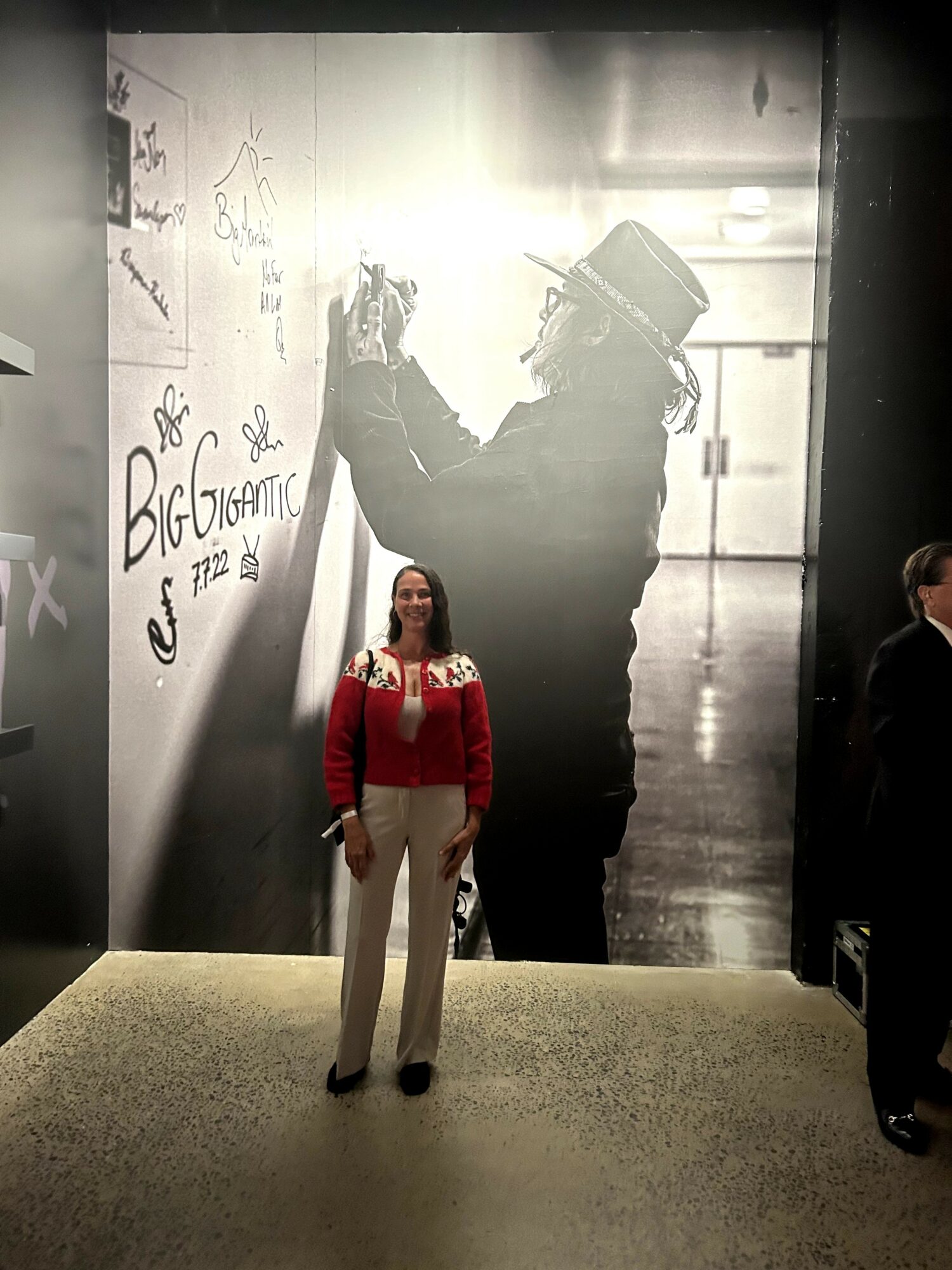
Today we’d like to introduce you to Morgan Gad.
Hi Morgan , we’re thrilled to have a chance to learn your story today. So, before we get into specifics, maybe you can briefly walk us through how you got to where you are today?
My professional journey has been shaped by a deep curiosity about consciousness, healing, history, science, and the relationship between mind and body. Over the years, my path evolved into an interdisciplinary blend of education, writing, holistic wellness, research, and consciousness-based studies. What has always remained constant is my passion for helping people better understand themselves and their potential for growth and healing.
Academically, my background reflects a wide range of interests. I attended Saint Johns River State College, where I was inducted into Phi Theta Kappa, and I was also awarded a scholarship to Columbia University in Manhattan, an achievement I remain very proud of. I later earned a degree in Maritime Studies from the University of West Florida, where my coursework integrated history, archaeology, biology, environmental science, and Geographic Information Systems (GIS). I then completed a Master of Science in Maharishi Integrative and Ayurvedic Medicine with a 4.0 GPA and am currently pursuing (graduating this year) a second graduate degree focused on Consciousness and Human Potential. I am also certified in Family Herbalism through the Florida School for Holistic Living. 
In addition to academics, I have worked as a freelance writer for over a decade, contributing to regional magazines, newspapers, and archaeological publications. Currently, I work as a senior instructor at Maharishi International University, where I mentor graduate students in Ayurvedic and integrative medicine, co-host webinars, and provide academic support and feedback. I also chair the Public Relations and Communications Committee for the St. Augustine Yacht Club, where I oversee communication strategies, community outreach, and collaborative initiatives. 
One of the most meaningful directions my work has taken is integrating trauma-informed healing into my wellness business, Cosmic Roots Ayurveda. My recent research focuses on how trauma is not only stored psychologically, but also physiologically within the nervous system and heart-brain connection. In my paper, Changing the Baseline: A Heart-Centered Approach to Healing Trauma Through Integrative Medicine, I explore how trauma can alter the body’s internal sense of safety and how integrative practices may help restore coherence and emotional resilience. 
This work combines Maharishi Ayurveda, modern neuroscience, neuroplasticity research, Transcendental Meditation, aromatherapy, marma therapy, breathwork, mantra meditation, and heart-centered healing approaches. Through Cosmic Roots Ayurveda, I aim to help clients move beyond symptom management by supporting nervous system regulation, emotional healing, and deeper reconnection with themselves. 
At the center of everything I do is a desire to bridge ancient wisdom with modern understanding while helping people cultivate greater balance, awareness, and transformation in their lives.
Can you talk to us a bit about the challenges and lessons you’ve learned along the way. Looking back would you say it’s been easy or smooth in retrospect?
It definitely has not been a completely smooth road, although every challenge has shaped who I am today. My path has been unconventional and multidisciplinary, which sometimes meant taking risks and navigating uncertainty without a clearly defined roadmap. I balanced work, academics, leadership roles, and personal growth simultaneously, often while working in demanding environments and pursuing higher education. There were periods where I had to learn how to manage stress, burnout, and the pressure of constantly striving for excellence while still remaining grounded and healthy myself.
One of the biggest struggles was realizing that success and healing are not only intellectual processes, but deeply emotional and physiological ones as well. That realization became even more important as I studied consciousness, Ayurveda, trauma, and nervous system regulation. Through both personal experience and research, I began to understand how stress and trauma can quietly shape people’s internal baselines and affect every aspect of life, from health to relationships to self-perception.
Professionally, building confidence in combining such diverse fields-science, consciousness studies, holistic medicine, writing, research, and trauma-informed care-was also a challenge because these disciplines are often viewed separately in conventional settings. However, over time I realized that the intersection of these areas is exactly where my purpose lies.
I think the struggles ultimately strengthened my compassion, resilience, and ability to connect with people authentically. They also reinforced my belief that healing and transformation are possible when we approach people as whole human beings rather than isolated symptoms or labels.
As you know, we’re big fans of you and your work. For our readers who might not be as familiar what can you tell them about what you do?
One aspect of my professional and personal life that is deeply important to me is my creative work as a writer and artist. Writing has been a passion of mine for many years and has taken many forms throughout my life, including journalism, research writing, poetry, and reflective creative work. I have written professionally for regional magazines, newspapers, and archaeological publications, but creative writing has always been the space where I feel most connected to meaning, emotion, and human experience.
Poetry, in particular, allows me to explore consciousness, symbolism, nature, and the deeper patterns that connect people to themselves and the world around them. Much of my creative inspiration comes from philosophy, spirituality, history, sacred symbolism, and the relationship between consciousness and form. I am especially fascinated by the idea that geometry, rhythm, sound, and language all reflect deeper universal structures.
Currently, I am working on a series of Haikus centered around Sacred Geometry. The project explores how simple poetic forms can express profound concepts related to balance, nature, mathematics, consciousness, and the hidden architecture of existence. I enjoy the discipline of Haiku because it requires clarity, precision, and emotional depth within a very small structure, which mirrors the elegance found in sacred geometric patterns themselves.
Creativity for me is not separate from my professional work in holistic health and consciousness studies. I see art and writing as healing tools that can inspire reflection, emotional connection, and a greater sense of awareness. Whether through poetry, teaching, research, or wellness work, my goal is ultimately the same: to help people reconnect with meaning, beauty, and a deeper understanding of themselves and the world around them.
What do you like best about our city? What do you like least?
What I appreciate most about this area is the unique relationship between Jacksonville and Saint Augustine and the way both cities contribute to a rich cultural and creative environment. I work virtually in both Saint Augustine and Jacksonville, so I have been fortunate to experience the energy and personality of each community closely. Jacksonville has an incredible diversity of people, perspectives, neighborhoods, and artistic influences. Its growing art scene, murals, music, local markets, cultural events, and creative communities give the city a dynamic energy that continues to evolve. I also appreciate how Jacksonville and Saint Augustine complement one another. Saint Augustine offers deep historical roots, architecture, and a strong sense of identity, while Jacksonville brings scale, diversity, innovation, and a broader contemporary creative scene. Together, they create a really interesting blend of history, culture, nature, and artistic expression.
What I like least is that I feel Jacksonville has the potential for a much more vibrant and thriving downtown core than it currently does. There are so many beautiful historic buildings and areas with character that could benefit from further restoration, preservation, and revitalization. I would love to see more people actually living downtown, more walkable spaces, and a stronger sense of community activity throughout the area. Jacksonville has all the ingredients for a truly bustling urban center with a flourishing arts and cultural district, and I think continued investment in restoration, local businesses, and community-centered development could help unlock even more of the city’s potential.
Contact Info:
- Website: https://cosmicrootsayurveda.com
- Instagram: @cosmicrootsayurveda
- Facebook: https://www.facebook.com/AncientHealthCareSystem/
- LinkedIn: https://www.linkedin.com/in/morgan-gad-7ab191b5