




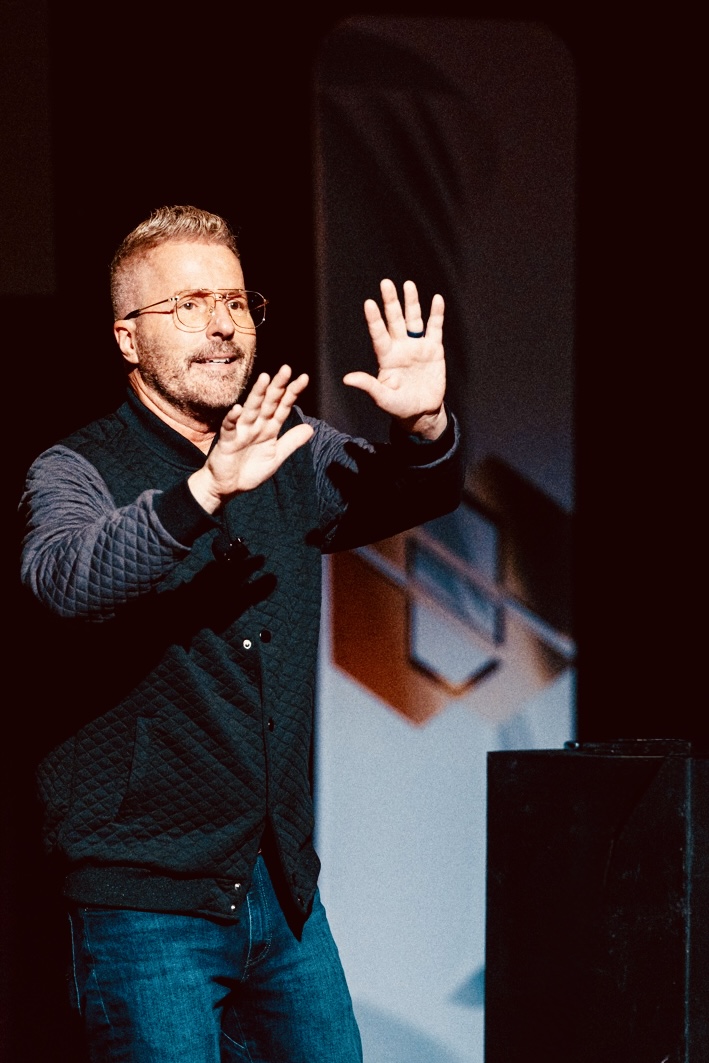
Today we’d like to introduce you to Mark MacDonald.
Hi Mark, so excited to have you with us today. What can you tell us about your story?
I started my career climbing the ladder in the advertising world in Canada and eventually became Creative Director at one of Eastern Canada’s leading agencies. From the outside, it looked like the dream job, but internally, I kept wrestling with a question: what if the communication skills used to sell products could help organizations that were trying to help people?
In 2001, I left that world to launch what eventually became Be Known For Something Church Branding Company, focusing on helping churches communicate clearly and connect with their communities.
At the time, “church branding” wasn’t really a thing, and honestly, some people thought the idea sounded too corporate for ministry. But I kept seeing churches with incredible missions being ignored simply because their message was confusing or unclear. That tension became the foundation of our work: helping organizations discover what they should be known for and communicate it consistently.
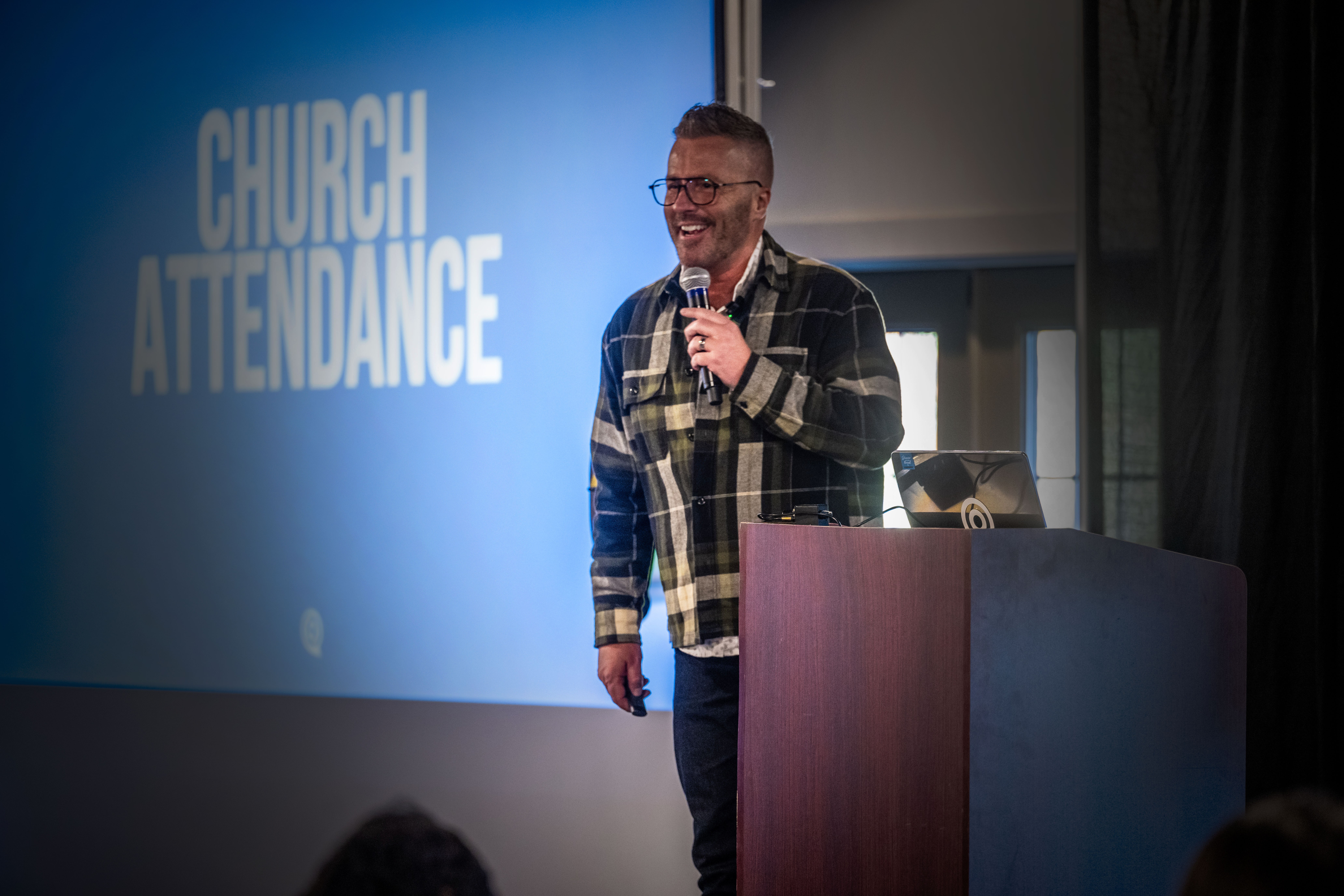
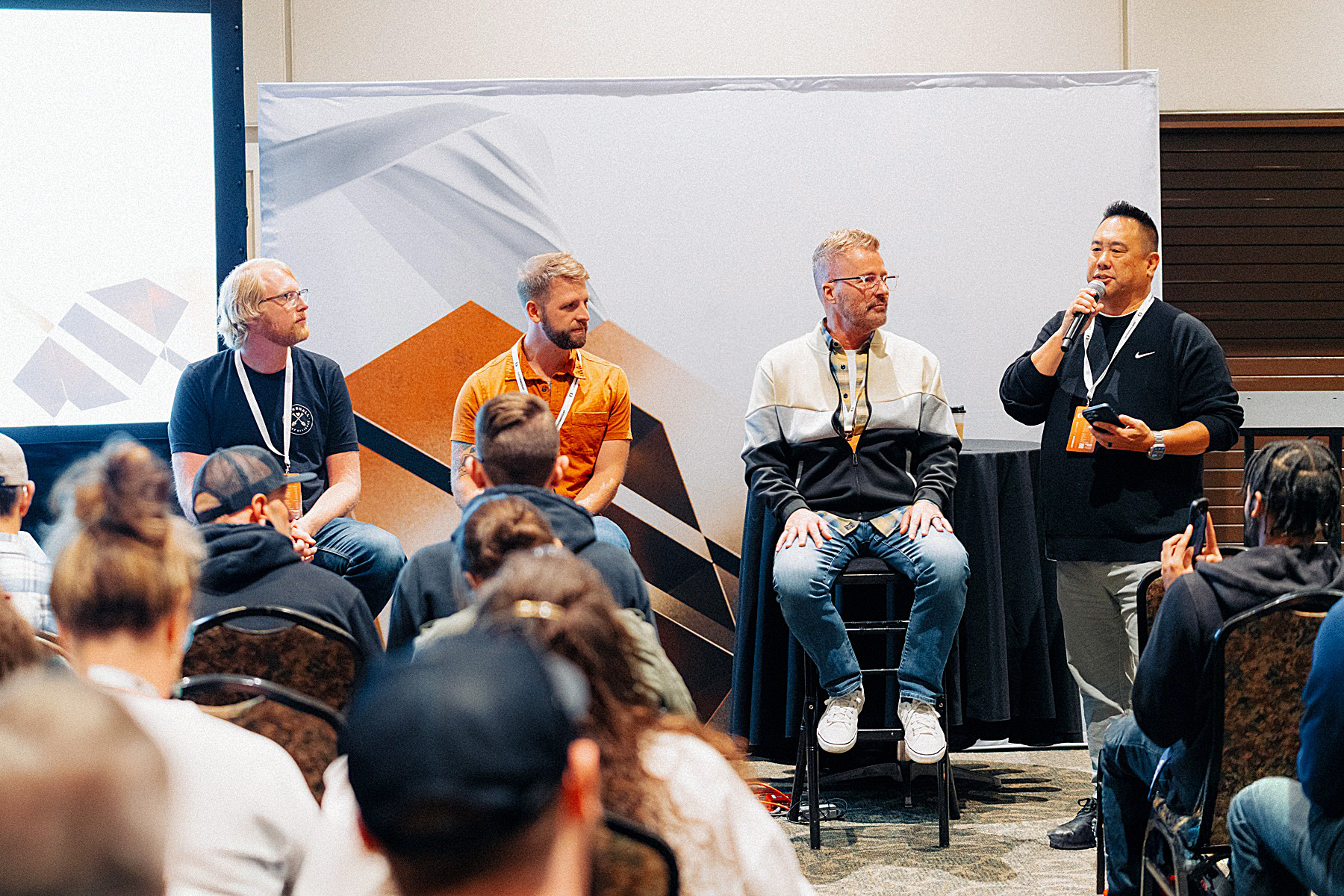
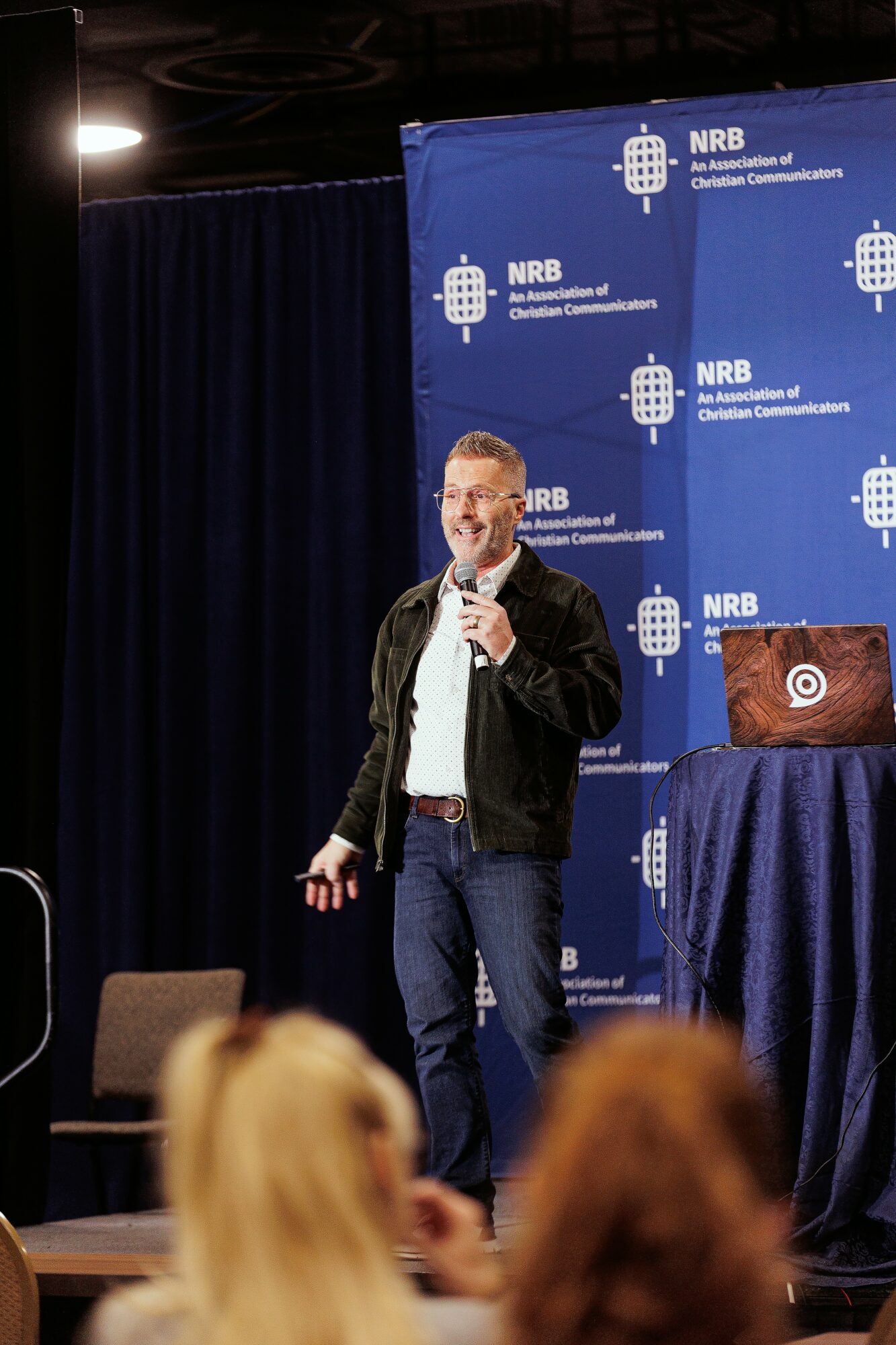
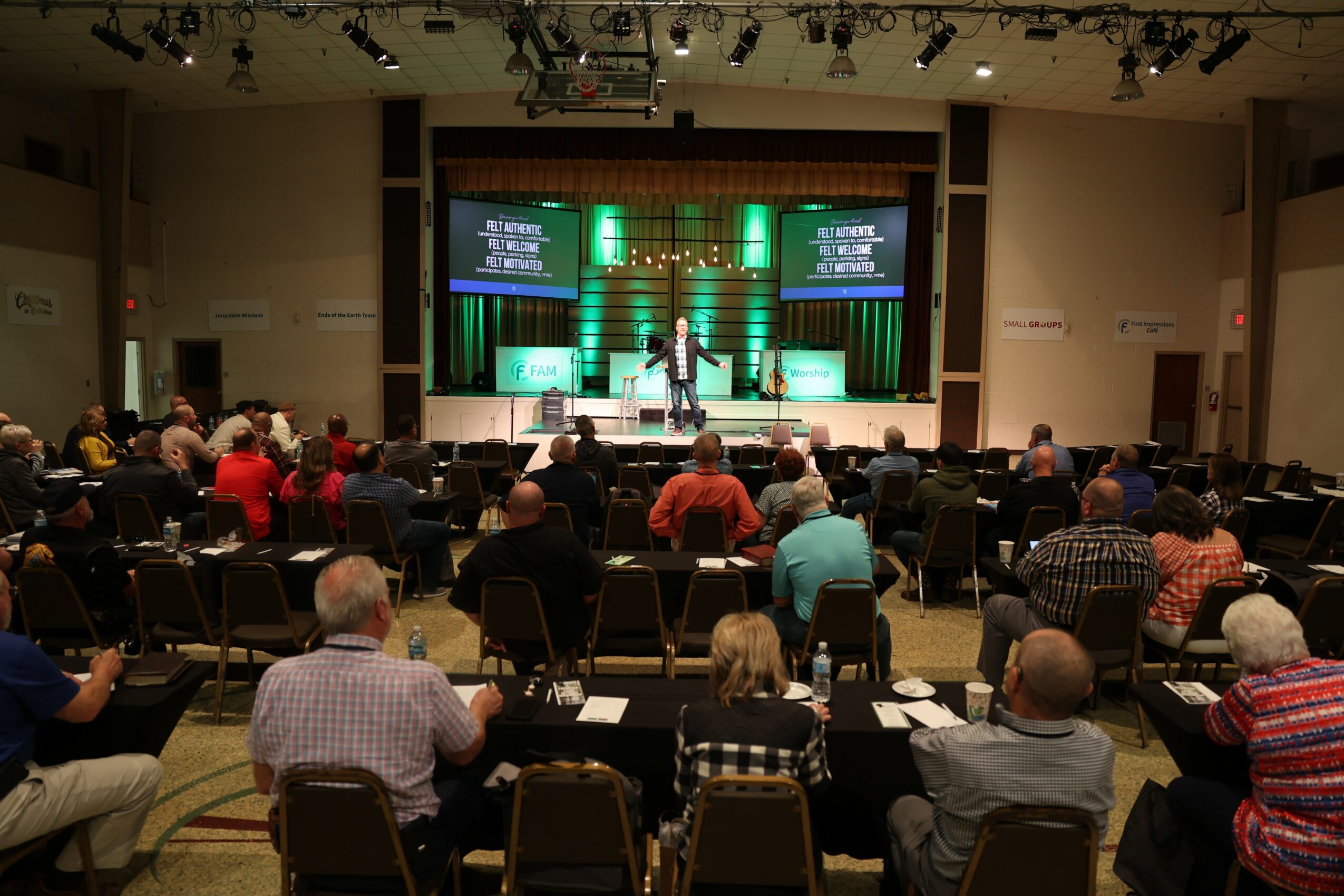
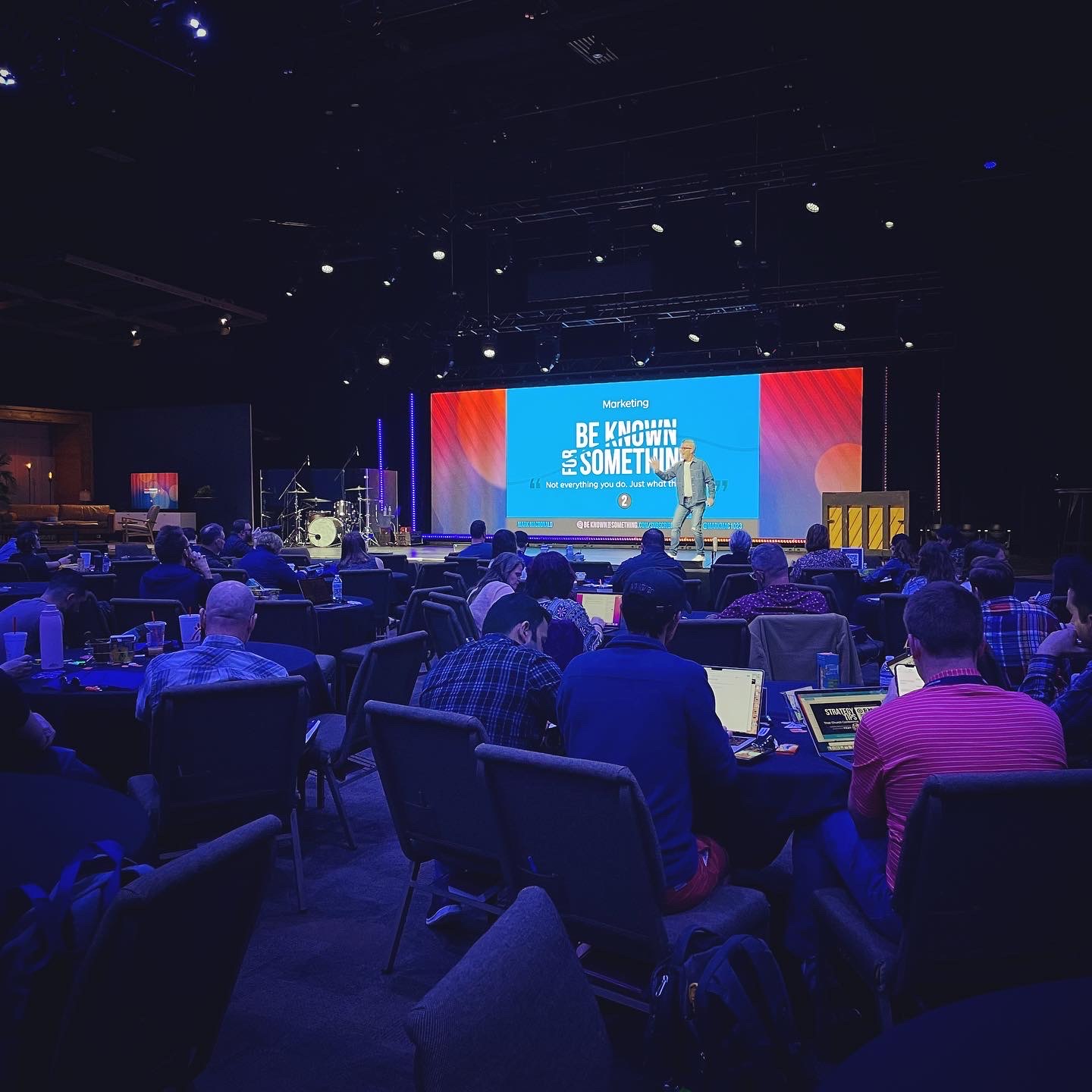
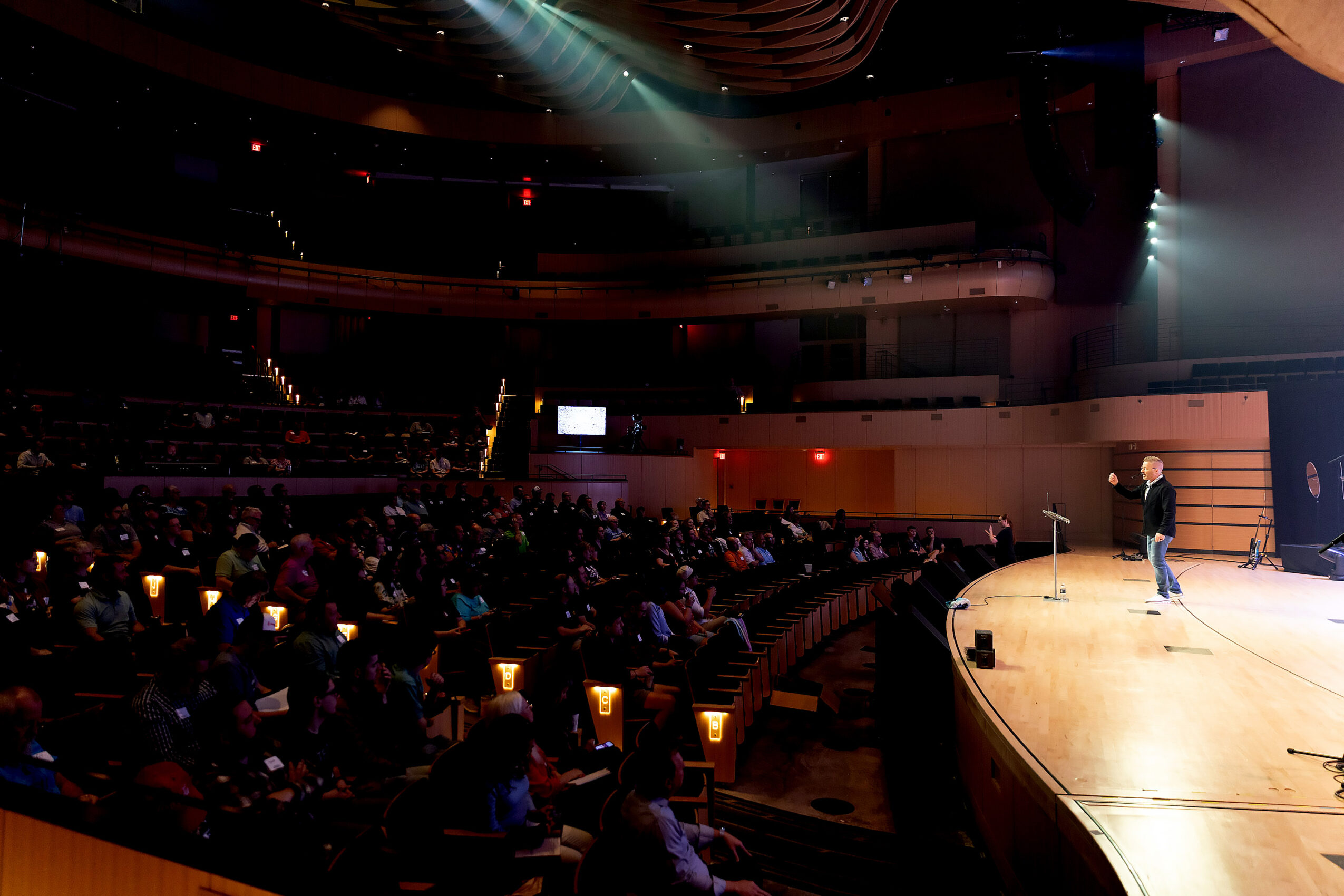
Over the past 25 years, that small creative agency has grown into a national voice in church communication through books, conferences, workshops, podcasts, and ~1000 published articles. We’ve worked with hundreds of churches, spoken at over 100 ministry conferences, and helped organizations rethink how they connect with people. Through it all, the mission has stayed simple: clarity changes everything.
Can you talk to us a bit about the challenges and lessons you’ve learned along the way. Looking back would you say it’s been easy or smooth in retrospect?
Definitely not a smooth road. One of the biggest challenges early on was immigrating from Canada to the U.S. and working through the long process of achieving permanent status (took 16 years!) while also trying to grow a business and raise two boys with my wife. At the same time, every move meant starting over relationally. When we relocated to Winston-Salem, NC, and later Jacksonville, we had to rebuild networks, find new suppliers, develop trust with clients, and establish ourselves all over again.
And hiring people from a pool I didn’t know well. We’ve had over 70 employees over the years!
Professionally, one of the hardest hurdles was convincing churches that branding wasn’t about becoming flashy or corporate. Twenty-five years ago, many church leaders were skeptical of the word “branding” altogether. I spent years trying to explain that branding is really about clarity, reputation, and helping people understand who you are and why you matter. There were seasons where I felt like I was speaking a completely different language than the audience I was trying to serve.
What helped change that was developing a clear framework around church communication and branding that leaders could actually apply. Over time, those ideas became the foundation of my Amazon bestselling book, Be Known For Something. Looking back, a lot of the struggles forced me to simplify the message, sharpen the process, and communicate with more empathy. The hard parts ended up shaping the work in ways success alone never could have.
Appreciate you sharing that. What else should we know about what you do?
I lead Be Known For Something Church Branding Company, where we help churches clarify who they are and communicate it in a way their community actually understands and responds to. My background started in creative advertising with a graphic design degree, where I learned how powerful visuals, messaging, and consistency can be when they all work together. That creative foundation eventually expanded into writing, research, and consulting as I began to notice a bigger problem: many churches weren’t struggling with effort; they were struggling with clarity.
What I specialize in today sits at the intersection of branding, communication strategy, and audience understanding. We help churches define what I call their “brand thread,” align their visuals and messaging, and build communication systems that reduce confusion and increase trust. Over time, that work has grown into frameworks, books, articles, and hands-on consulting that guide leaders from scattered communication to a clear, unified voice.
What I’m most proud of is seeing churches go from being overlooked in their communities to becoming clearly understood and more deeply connected. Not because they changed their message, but because they finally learned how to express it in a way people could receive. That shift is often the difference between being ignored and being known.
What sets us apart is that we don’t just design logos or give surface-level branding advice. We combine creative design thinking with deep research, communication strategy, and real-world church experience. It’s practical, hands-on, and built for real ministry environments, not theory. At the core, I still think like a designer, but I’ve learned to apply that creativity to systems, words, and strategy that help churches be known for something meaningful in their communities.
We’d love to hear about how you think about risk taking?
I think risk is often misunderstood. People tend to assume it’s about being bold or impulsive, but in reality, most meaningful risk is just obedience to something you believe could matter more than staying comfortable. For me, the biggest risks weren’t dramatic in the moment, but they were deeply personal and carried real uncertainty for my family and future.
One of the earliest was leaving a stable and successful career in the Canadian advertising world and moving 1,600 miles to start over in North Carolina. That meant rebuilding everything from scratch, no network, no established client base, and no guarantee it would work. We were raising two young boys at the time, so every decision carried weight far beyond business.
Another major risk was stepping into a completely unfamiliar space: church communication. At the time, “church branding” wasn’t widely accepted, and there was real resistance to the idea. I had to keep showing up, teaching, writing, and proving value long before there was broad acceptance. That took persistence when results weren’t immediate.
Later, moving again to Florida to serve thousands of churches through the Florida Baptist Convention brought a different kind of risk, more responsibility and visibility. Speaking on stages across the country also requires a willingness to be seen, evaluated, and sometimes misunderstood in real time.
What I’ve learned is that risk isn’t really about personality type. It’s about clarity of purpose. When you’re convinced something will help people, the fear doesn’t disappear, but it becomes secondary to the responsibility you feel to move forward anyway.
Contact Info:
- Website: https://www.beknownforsomething.com
- Instagram: https://instagram.com/markmac1023
- Facebook: https://facebook.com/MarkMacDonaldOfficial
- LinkedIn: https://linkedin.com/in/beknownforsomething
- Twitter: https://x.com/markmac1023
- Youtube: https://www.youtube.com/@beknownforsomething
- Other: https://www.amazon.com/dp/B0BM3NHDRN