




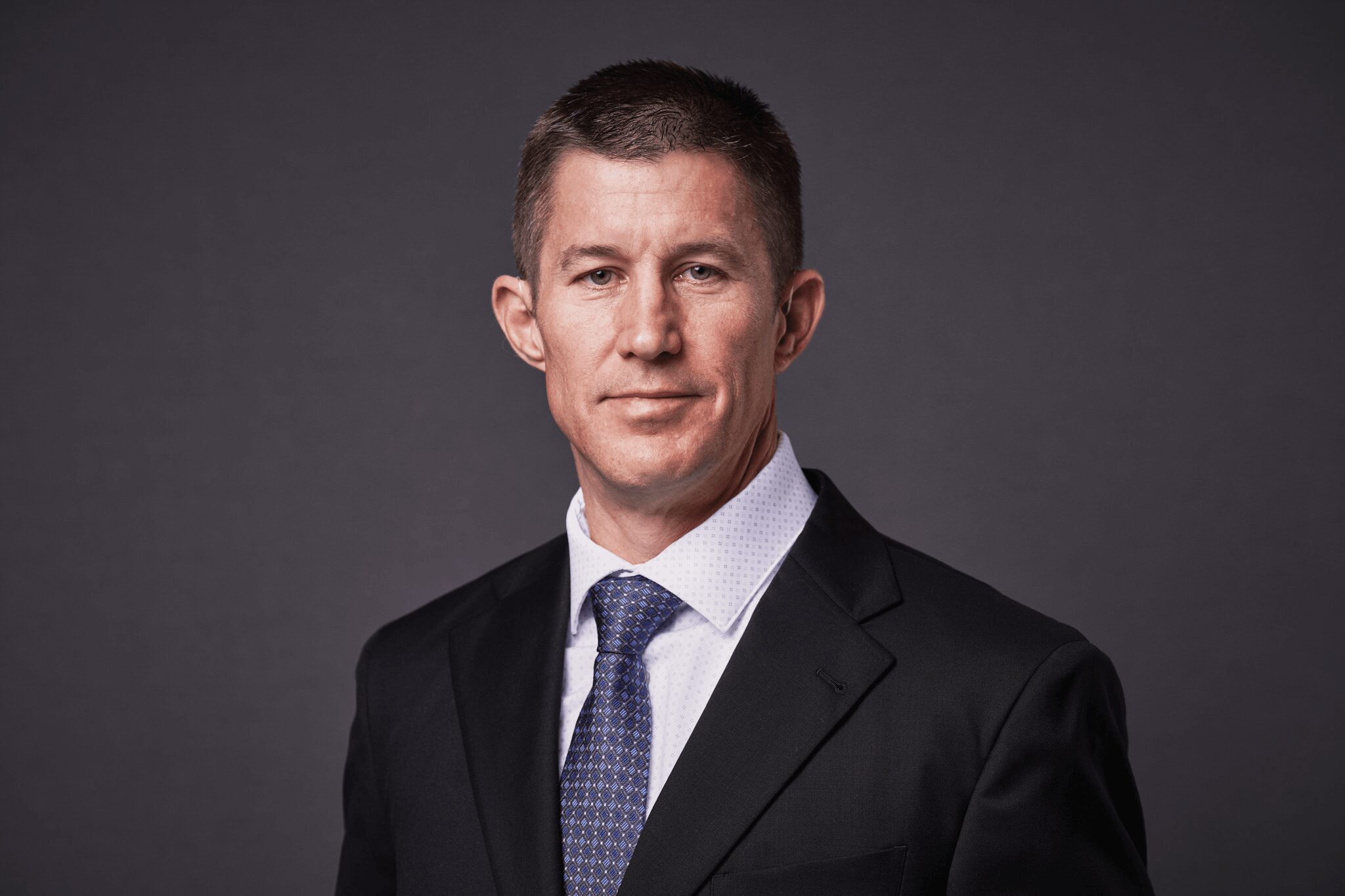
Today we’d like to introduce you to John Bear.
Hi John, thanks for sharing your story with us. To start, maybe you can tell our readers some of your backstory.
I’m originally from Philadelphia, and my journey really starts with my decision to join the Navy, where I ultimately spent 32 years serving as a Surface Warfare Officer. I actually began my career enlisted as a Nuclear Surface Machinist Mate and later earned my commission through the Seaman to Admiral 21 program. That experience shaped a lot of who I am—understanding leadership from the deckplates up, and learning the value of discipline, accountability, and teamwork early on.
Over the course of my career, I had the opportunity to serve on multiple ships and in a variety of leadership roles, but my final assignment as Commanding Officer of the USS St. Louis was especially meaningful. I took command of the ship following a major overhaul, and alongside an exceptional crew, we brought it back to full operational capability. Watching that team come together, overcome challenges, and achieve mission readiness reinforced what strong leadership and the right support structure can accomplish.
As I approached retirement in December 2024, I knew I wanted to continue serving—but in a way that addressed a challenge I had seen impacting too many veterans. Throughout my career, I witnessed how difficult the transition to civilian life can be for some, especially when compounded by financial hardship, mental health challenges, or lack of stable housing.
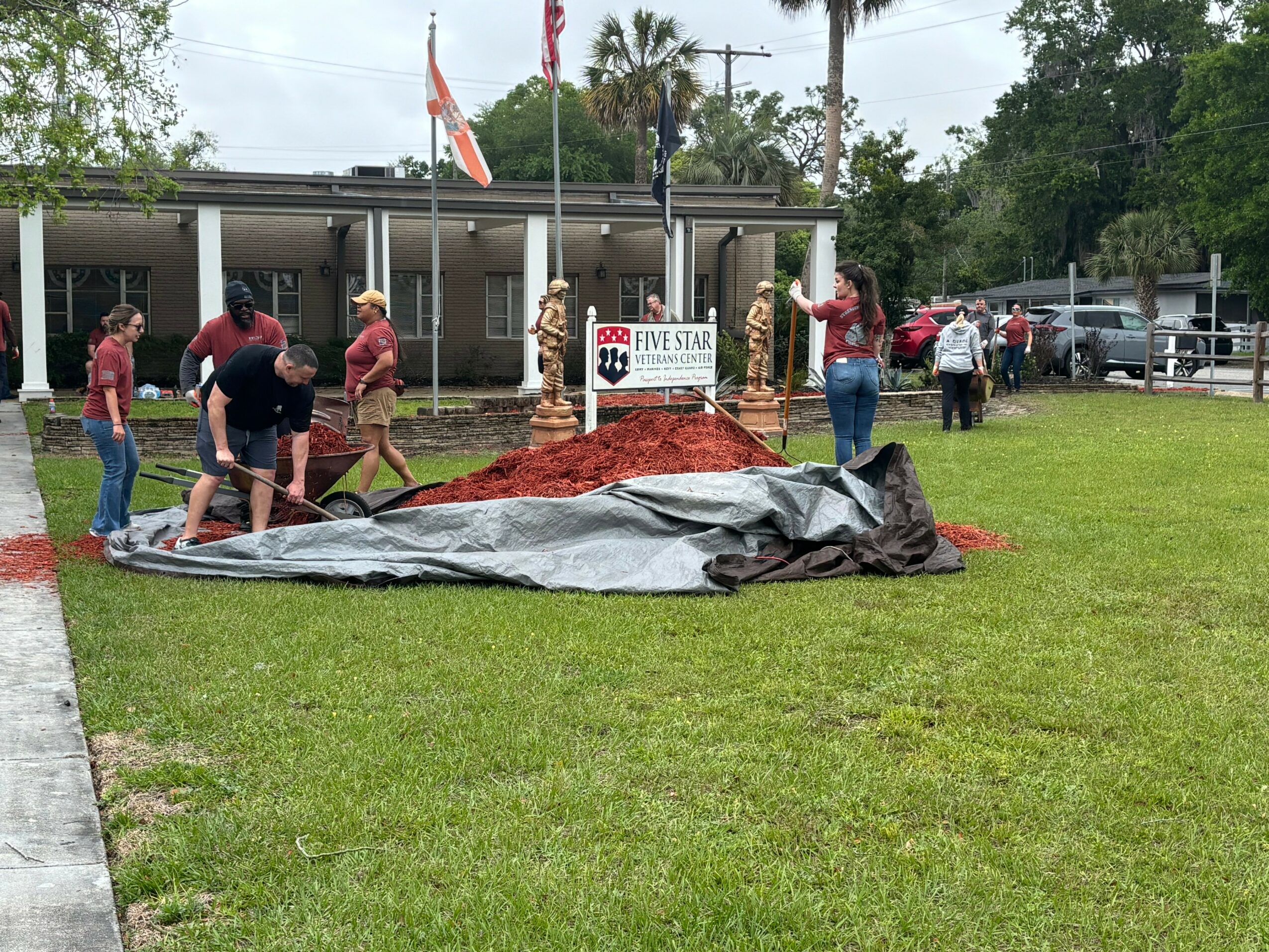
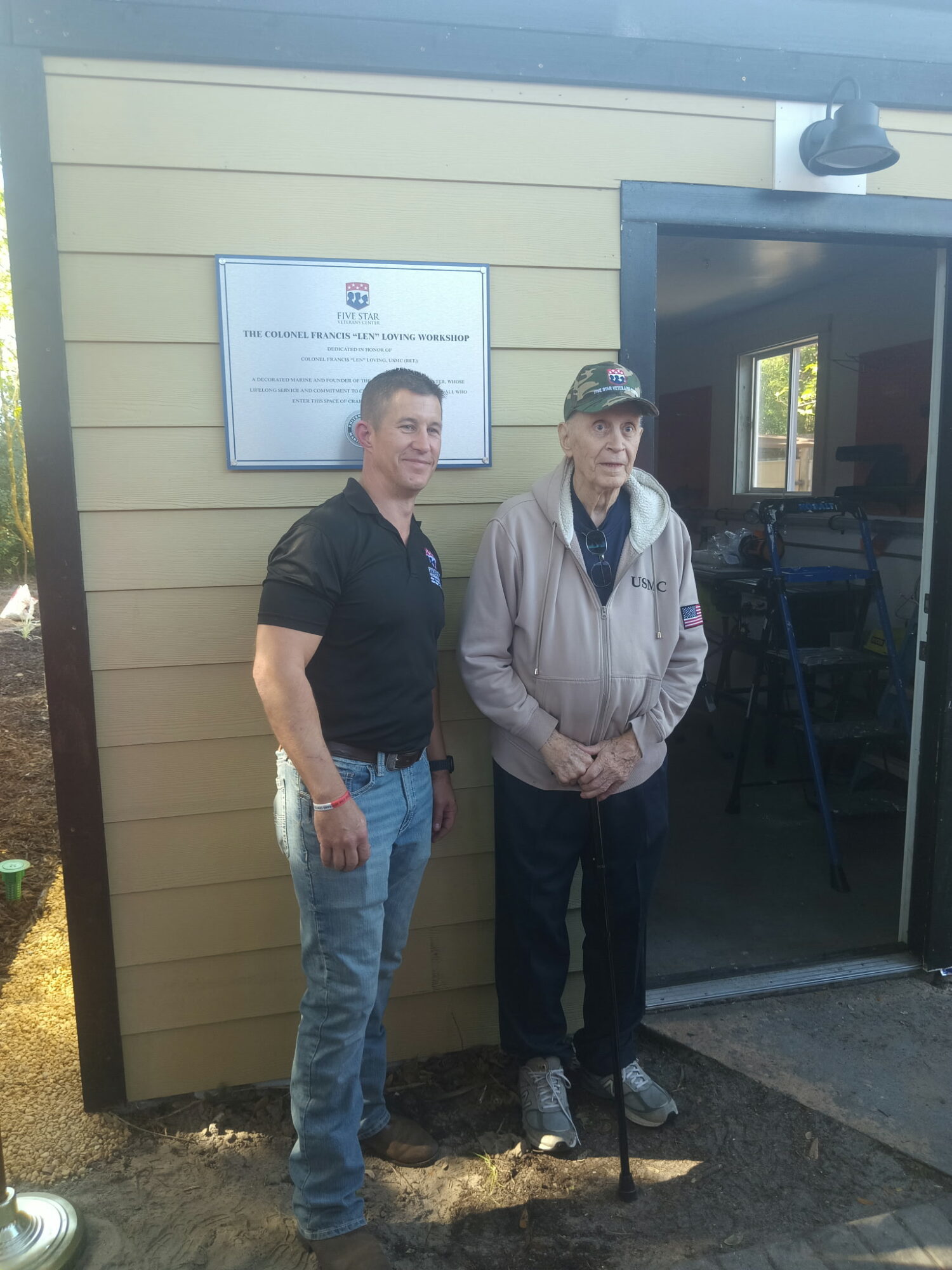
That led me to Five Star Veterans Center, where I now serve as CEO. What drew me in was the mission—helping veterans not just get back on their feet, but truly rebuild their lives with stability, purpose, and independence. At Five Star, we focus on providing more than just housing; we create a structured environment where veterans can access mental health services, develop job skills, and transition into sustainable, independent living.
Today, I see this role as a continuation of my service. Instead of leading Sailors at sea, I’m leading an organization dedicated to ensuring that veterans here at home have the support and resources they need to succeed. It’s incredibly rewarding work, and we’re continuing to grow with the goal of expanding our impact beyond Jacksonville and helping even more veterans find their path forward.
Alright, so let’s dig a little deeper into the story – has it been an easy path overall and if not, what were the challenges you’ve had to overcome?
It definitely hasn’t been a smooth road—and I think that’s true for anything meaningful.
One of the biggest realizations for me came during my transition out of the Navy after 32 years of service. In many ways, those of us in the military are insulated from the realities of civilian life. You have structure, stability, a steady paycheck, housing, healthcare—systems designed to support you so you can focus on the mission. It’s not until you begin transitioning out that you really start to see the challenges many veterans face once that structure is gone.
That said, I’ve also had moments in my life that gave me a glimpse into that reality. In 1999, my family and I lost our home to flooding during Hurricane Floyd and were temporarily homeless. That experience stays with you—it changes how you view stability and what it means to lose everything overnight. Later, in 2012, we lost a close friend to suicide, which reinforced just how critical mental health support and connection truly are.
Even with those experiences, I still had the benefit of the military support system around me for most of my career. Many veterans don’t have that when they transition. They may not know where to find resources, or the system itself can be difficult to navigate. That gap—between need and access—is where many fall through.
Stepping into the nonprofit space with Five Star Veterans Center brought a different kind of challenge. Unlike the military, where systems are well-established, here we are constantly building and refining those systems while actively serving veterans in real time. Funding constraints, regulatory hurdles, and coordinating across multiple agencies can slow progress, even when the need is immediate.
But the most important challenge is making sure we meet each veteran where they are. Every individual has a different story, and building a program that balances structure with flexibility takes constant effort.
Those challenges are exactly why this work matters. When you see a veteran go from instability to independence—when they regain purpose and direction—it reinforces that while the road hasn’t been smooth, it’s been incredibly purposeful.
Appreciate you sharing that. What else should we know about what you do?
At Five Star Veterans Center, my role as CEO is to build and lead a system that helps veterans move from instability to true independence. We specialize in working with veterans facing housing challenges, but our focus goes much deeper than just getting someone off the street—we’re focused on helping them rebuild a stable, sustainable life.
One of the things that sets us apart is how we operate the center. We run it in a structured, militaristic style. For many of the veterans who come to us, that environment is familiar—it brings back a sense of order, accountability, and purpose that they understand. Instead of feeling lost in a completely new system, they’re reintroduced to a framework they already know how to succeed in. That structure provides comfort, but it also creates the foundation for progress.
Another key difference is our approach to the problem itself. Many government models focus on a “housing first” strategy—getting someone into housing and then working to address the underlying issues. While that has its place, our model prioritizes identifying and addressing—or at least mitigating—the root causes that led to the instability in the first place. At the same time, we provide transitional housing and support, but the goal is always long-term stability, not just immediate placement.
By focusing on the underlying challenges—whether that’s employment, mental health, financial literacy, or life skills—we’re able to significantly reduce recidivism. We’re not just helping someone today; we’re helping ensure they don’t end up back in the same situation tomorrow.
My background in the Navy has heavily influenced this approach. I lead from an operational mindset—building systems that are structured, measurable, and repeatable. We track outcomes, we hold both staff and residents accountable, and we continuously refine what we do to make sure it’s effective.
What I’m most proud of is the transformation we see. Watching a veteran come in during one of the most difficult periods of their life and leave with stable housing, employment, and a renewed sense of purpose—that’s the mission in action. Those aren’t one-off successes; they’re the result of a system that works.
At the end of the day, what sets us apart is that combination of structure, accountability, and purpose-driven support. We’re not just providing a service—we’re rebuilding lives in a way that’s designed to last.
Before we let you go, we’ve got to ask if you have any advice for those who are just starting out?
One piece of advice I’d give anyone starting out is to focus on building discipline, consistency, and a strong work ethic early—those fundamentals will carry you much farther than talent alone. There’s no substitute for showing up every day, doing the work, and being accountable for results.
One thing I’ve learned over time is that it really takes about a year and a half to two years to become fully competent in a role. Early on, the goal shouldn’t be to immediately change everything—it should be to listen, observe, and learn as much as possible. Take the time to understand how the organization operates, what’s working, and what’s not. Then, over time, you can begin to adapt and improve the system in a deliberate way.
I bring with me from the Navy the concept of creating a culture of excellence. That means setting a high standard, leading by example, and building systems where accountability and performance are expected—not occasionally, but consistently. Culture doesn’t happen by accident; it’s built over time through leadership, discipline, and clear expectations.
I’d also emphasize the importance of asking questions. Don’t assume that a program or organization is operating the way you think it should. Take the time to understand why things are done a certain way—sometimes there’s a reason, and sometimes there’s an opportunity to improve it. You won’t know unless you ask.
Another key lesson is not to be afraid to take on responsibility before you feel completely ready. Growth comes from stepping into challenges and figuring things out along the way. At the same time, seek out mentorship—people who will give you honest feedback and hold you to a high standard.
Finally, stay focused on the bigger picture. Understanding how systems work—and how your role fits into them—will make you far more effective over time.
At the end of the day, it comes down to being disciplined, staying curious, and committing to continuous improvement. If you do that consistently, you’ll build both competence and credibility.
Contact Info:
- Website: https://www.5starveteranscenter.org/
- Instagram: https://www.instagram.com/5starveteranscenter/
- Facebook: https://www.facebook.com/5StarVeteransCenter
- LinkedIn: https://www.linkedin.com/company/93786642/admin/dashboard/
- Twitter: https://x.com/5StarVeterans