




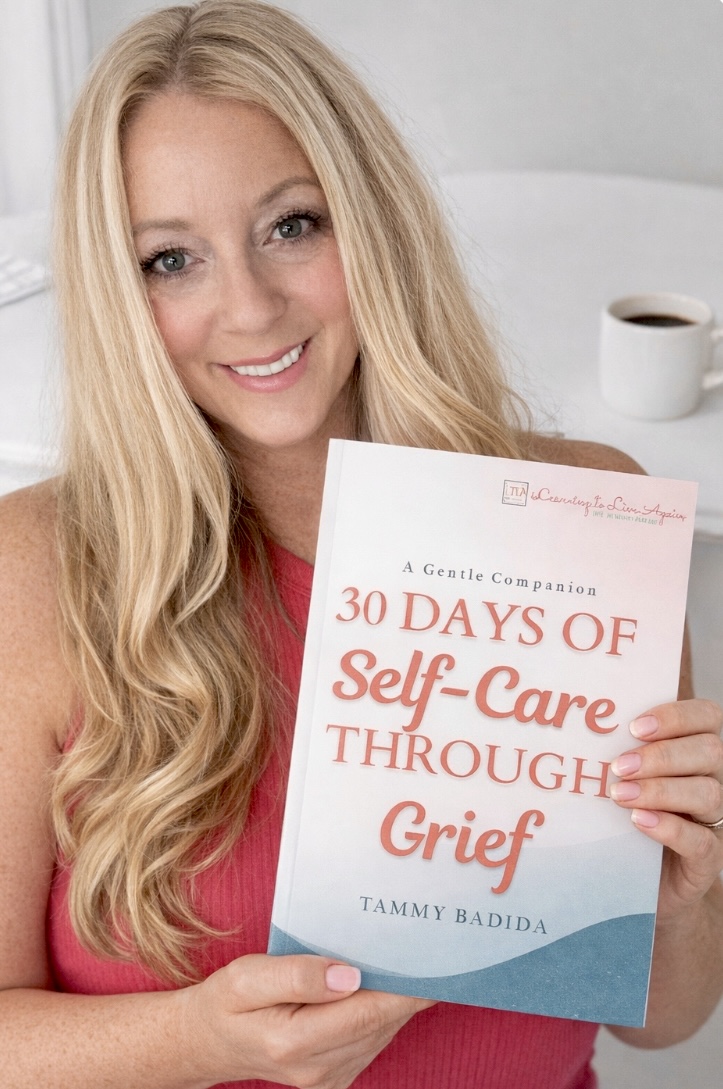
Today we’d like to introduce you to Tammy Badida.
Hi Tammy, can you start by introducing yourself? We’d love to learn more about how you got to where you are today?
I have stood at the doorstep of grief more times than I ever wished to. And yet, with each encounter, I have grown in ways I never could have imagined. Grief has a way of reshaping us—slowly, quietly—teaching us lessons about love, resilience, and the depth of the human spirit.
My journey to becoming a grief coach and caregiving guide was not something I ever planned. Like many of you, it was born out of a life experience that changed everything.
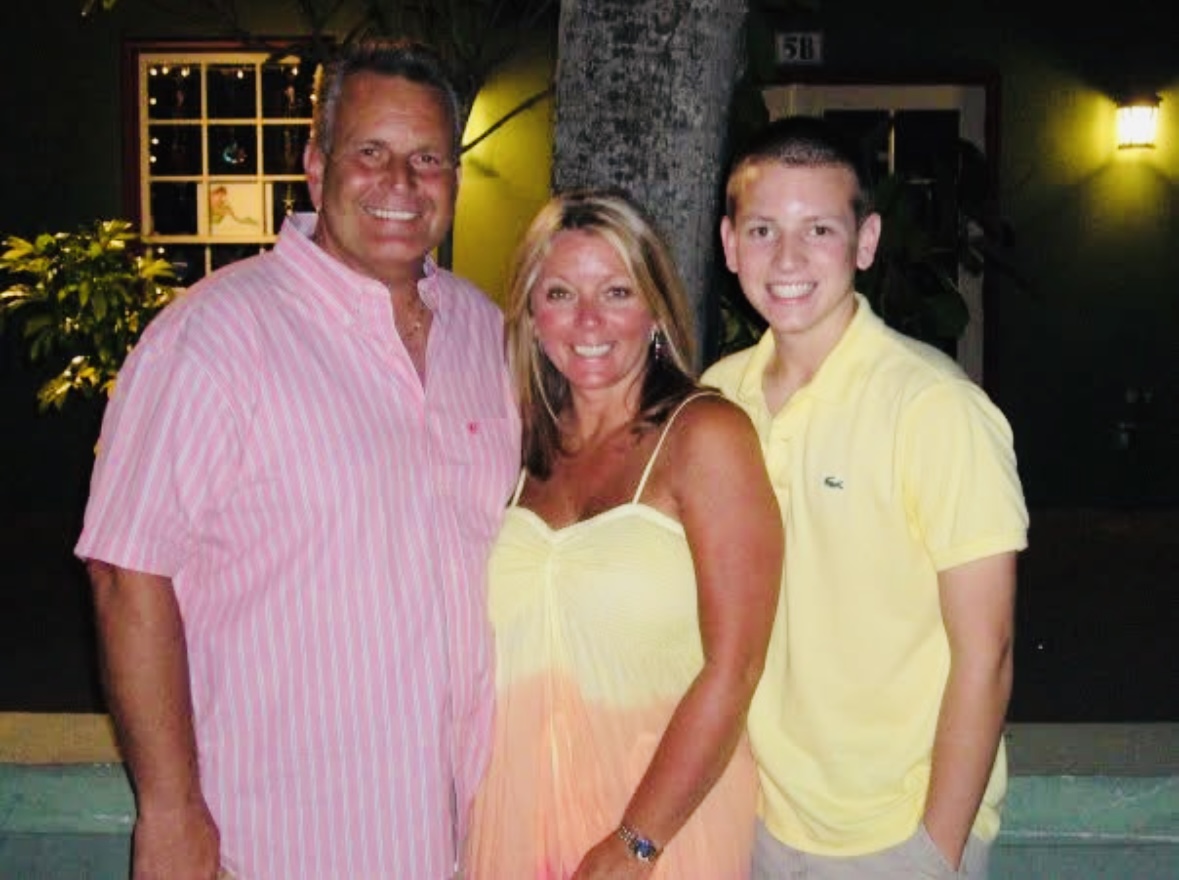
After 22 years together, I lost my husband, Nick, to a metastatic cancer relapse in January 2011. Walking beside him during his illness and then navigating life after his passing was one of the most difficult journeys I have ever faced. In the months and years that followed, I felt a deep calling to share my story—our story. I wanted to speak openly about caregiving, about the raw and complicated experience of grief, and about the long road toward rediscovering how to “learn to live again.”
My hope has always been to connect with others who find themselves walking a similar path—those searching for understanding, healing, and a way forward physically, emotionally, and spiritually.
Over the years, I have written and shared a series of heartfelt articles on caregiving and grief, and I’ve had the privilege of speaking to both large and small audiences about my experiences, the lessons I learned, and the hope that can still exist even in the deepest loss.
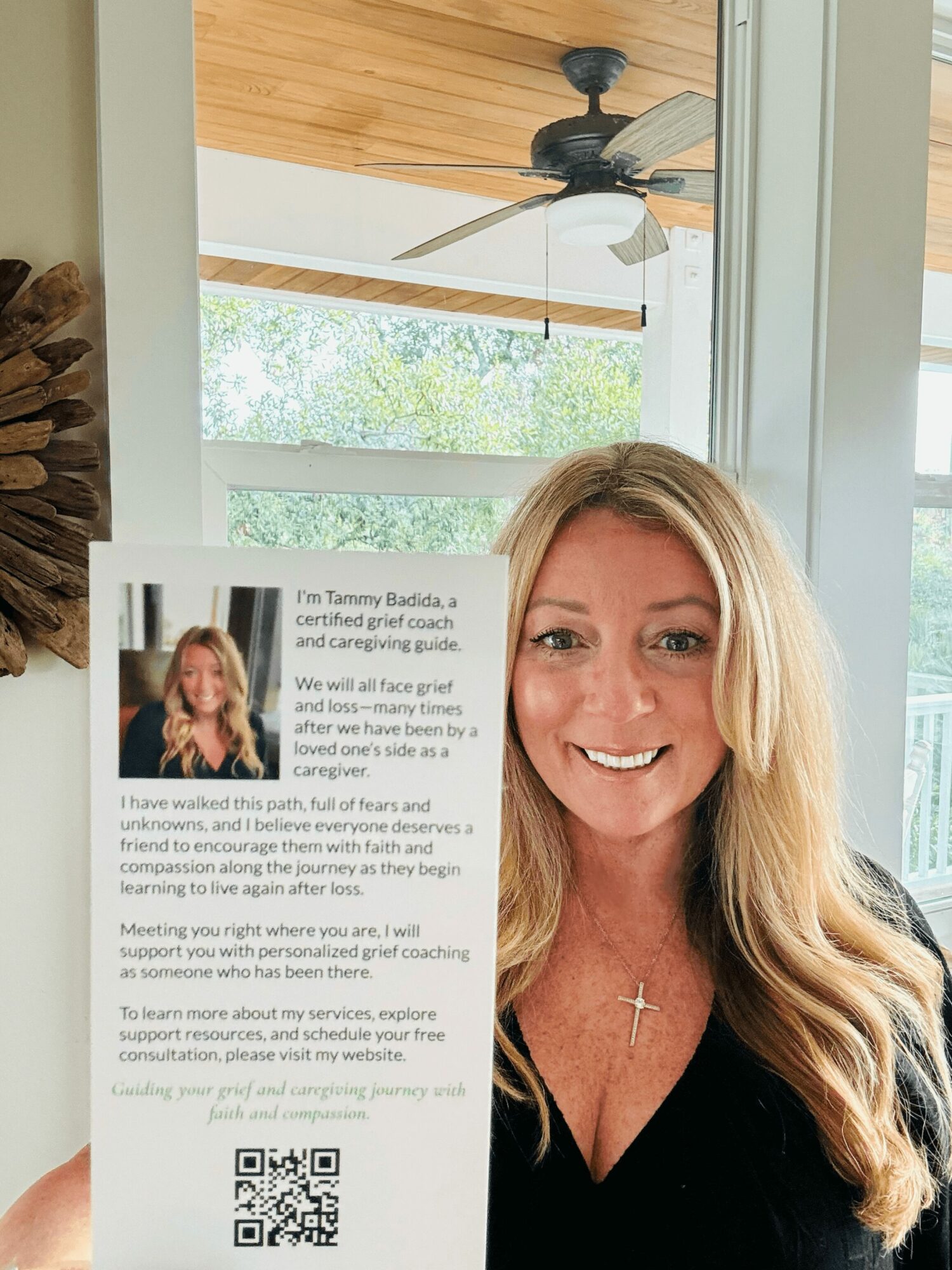
My decision to become a Certified Grief Coach, is guided by a deep commitment to walk alongside others during some of the most difficult seasons of their lives. My approach is rooted in empathy, compassion, and faith, and in the understanding that grief is not something to “fix,” but something to move through with support.
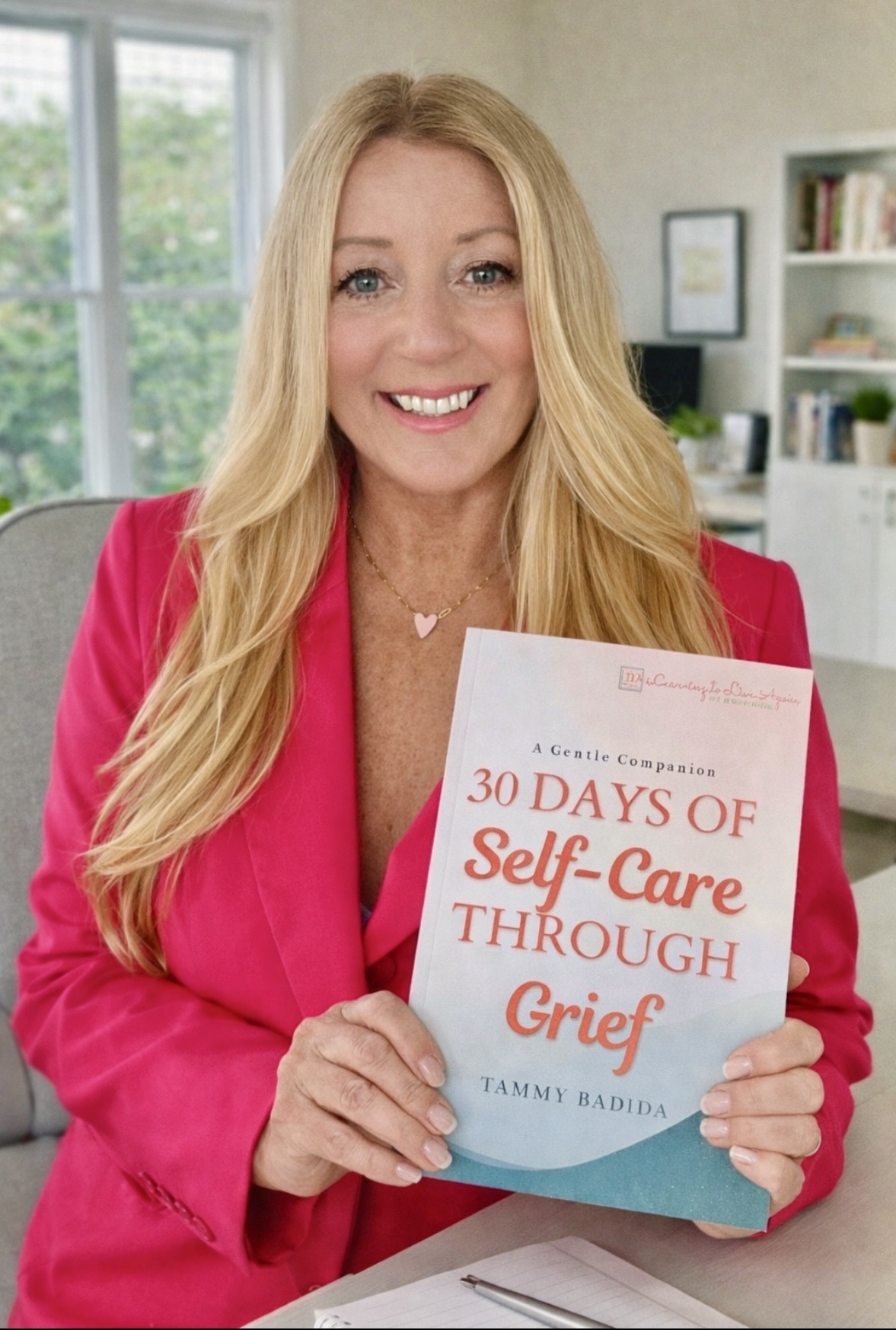
I also created and published 30 Days of Self-Care Through Grief, a gentle companion guide designed to offer encouragement, reflection, and small moments of care during the healing process. It was written from my heart for those who may feel overwhelmed by loss and need a reminder that even in grief, it is okay—and necessary—to care for yourself. The guide is available on Amazon.
Today, my purpose is simple but deeply meaningful: to sit beside others in their grief, to listen to their stories, and to help them find hope, strength, and a path forward—one step at a time.
Alright, so let’s dig a little deeper into the story – has it been an easy path overall and if not, what were the challenges you’ve had to overcome?
Professionally, turning such a personal experience into a calling came with its own challenges. Sharing my story publicly required vulnerability. There were moments when I wondered if people would truly understand the heart behind what I was doing. Building a grief coaching practice also means holding space for others while continuing to care for your own heart, which takes intention and balance.
But through those struggles, I also found clarity and purpose. The very challenges I faced deepened my empathy and strengthened my ability to sit with others in their grief in a genuine way. I don’t come to this work with just training and certification—I come with lived experience, compassion, and a deep understanding of how transformative healing can be.
Looking back, the road wasn’t always easy, but it shaped the work I do today and the way I show up for every person who trusts me with their story.
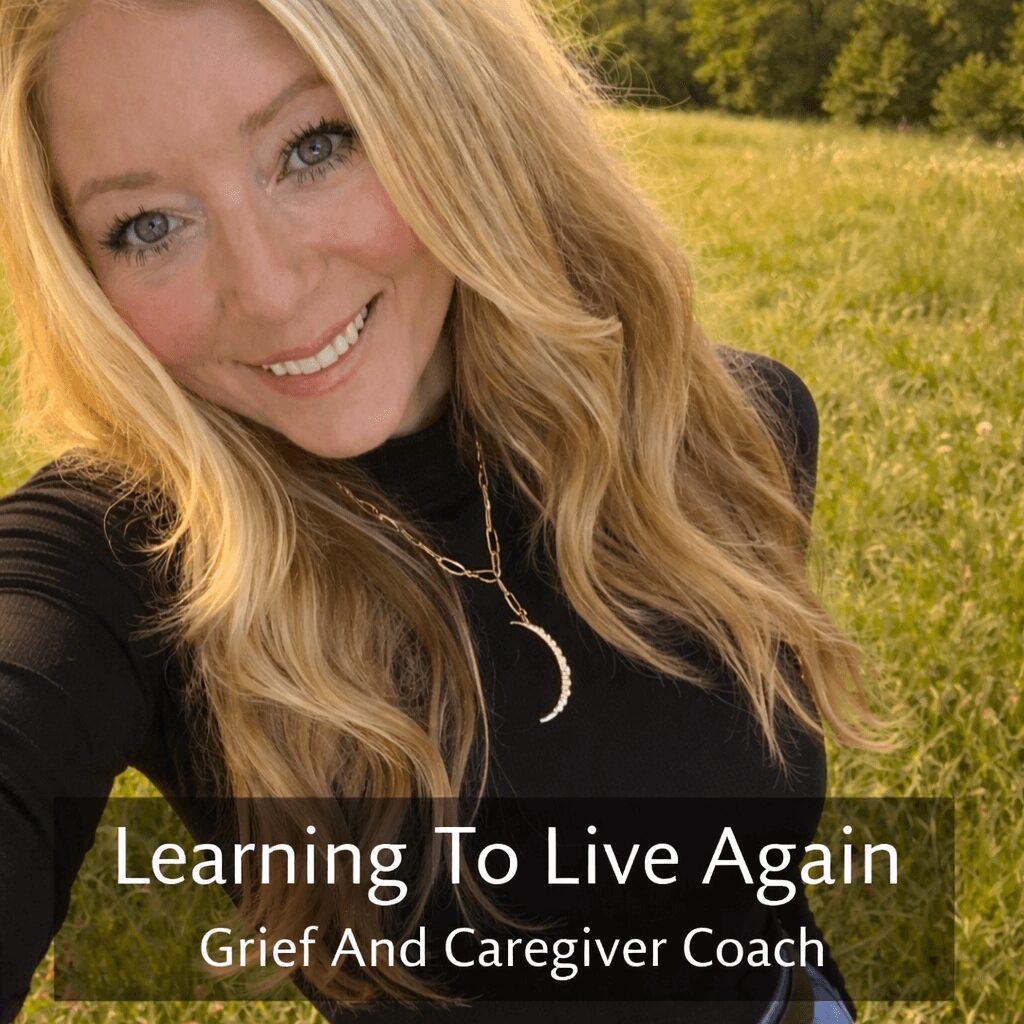
As you know, we’re big fans of Learning to Live Again Grief and Caregiving Coach . For our readers who might not be as familiar what can you tell them about the brand?
Learning to Live Again was born out of one of the most profound losses of my life. After 22 years together, I lost my husband, Nick, to a metastatic cancer relapse in 2011. In the years that followed, I found myself navigating the deep, complex journey of grief while also reflecting on the experience of being a caregiver during his illness. Like so many people facing loss, I had to learn—slowly and sometimes painfully—what it meant to rebuild a life I never imagined living.
Out of that experience came a calling. I felt strongly that if my journey could help even one person feel less alone in their grief, then sharing it mattered. That calling eventually led me to become a Certified Grief Coach and Caregiving Guide and to create Learning to Live Again.
Through my work, I support individuals who are grieving the loss of a loved one or navigating the emotional challenges that often accompany caregiving and loss. Grief can feel incredibly isolating, and my goal is to provide a safe, compassionate space where people feel seen, heard, and understood as they process their grief and begin to find their footing again.
What truly sets my work apart is my extensive lived experience. While my certification provides professional training and structure, it is my personal journey through caregiving, loss, and healing that allows me to connect with clients on a deeper level. I understand the realities of grief not just academically, but personally. I have lived it. That perspective allows me to sit with people in their pain with authenticity, empathy, and compassion.
One of the things I am most proud of is writing and publishing my book, 30 Days of Self-Care Through Grief. It was created as a gentle companion for those in the early and tender stages of loss. The guide encourages small, intentional moments of care for the mind, body, and heart—something that often gets overlooked when someone is grieving but is absolutely vital for healing.
The most important parts of my approach is connection. Before beginning any coaching relationship, I offer free consultation calls. These conversations allow us to connect, talk about your story, and see if we feel comfortable working together. Grief is deeply personal, and it’s important that clients feel a genuine sense of trust and understanding before starting this journey.
My services include one-on-one grief coaching sessions, where I walk alongside clients as they navigate the many layers of loss—helping them process emotions, rediscover strength, and gradually rebuild a sense of purpose and hope.
I also support individuals who are caregivers or those anticipating loss, offering guidance and emotional support through what can often be an overwhelming experience.
At the heart of Learning to Live Again is a simple but powerful belief: grief changes us, but it does not mean life cannot hold meaning, connection, and even joy again. My role is not to “fix” grief, because grief is not something to be fixed. Instead, I walk alongside my clients as they learn how to carry their loss, honor their loved one, and slowly begin to rediscover themselves and their life again.
What I want readers to know most about my work is this: no one should have to navigate grief alone. Sometimes the most powerful part of healing is simply having someone who understands sit beside you and remind you that, even in the hardest moments, there is still hope ahead.
Is there a quality that you most attribute to your success?
The quality I feel is most important to my success is empathy—truly being able to see, feel, and understand what someone else is going through. In grief coaching, it’s not enough to have training or knowledge; clients need to know that the person sitting beside them gets it on a deeply human level.
My own journey through loss and caregiving allows me to connect with clients in a way that is both personal and professional. I can meet them where they are, honor their story, and create a space where they feel safe to be vulnerable. That empathy, paired with patience and genuine compassion, is what allows me to guide others through one of the most difficult times of their lives—and what makes them feel supported and understood.
Ultimately, it’s not just about teaching strategies—it’s about walking alongside someone in their grief, as a guide, a listener, and sometimes even as a friend who has been there. That connection is at the heart of everything I do, and it is what has made my work meaningful and effective.
Contact Info:
- Website: https://ltlagriefcoaching.com/?v=84de8e2b14bb
- Instagram: https://www.instagram.com/ltla_griefcoaching/
- Facebook: https://www.facebook.com/ltla.griefcoaching
- LinkedIn: https://www.linkedin.com/in/tammy-badida-certified-grief-coach-80548250