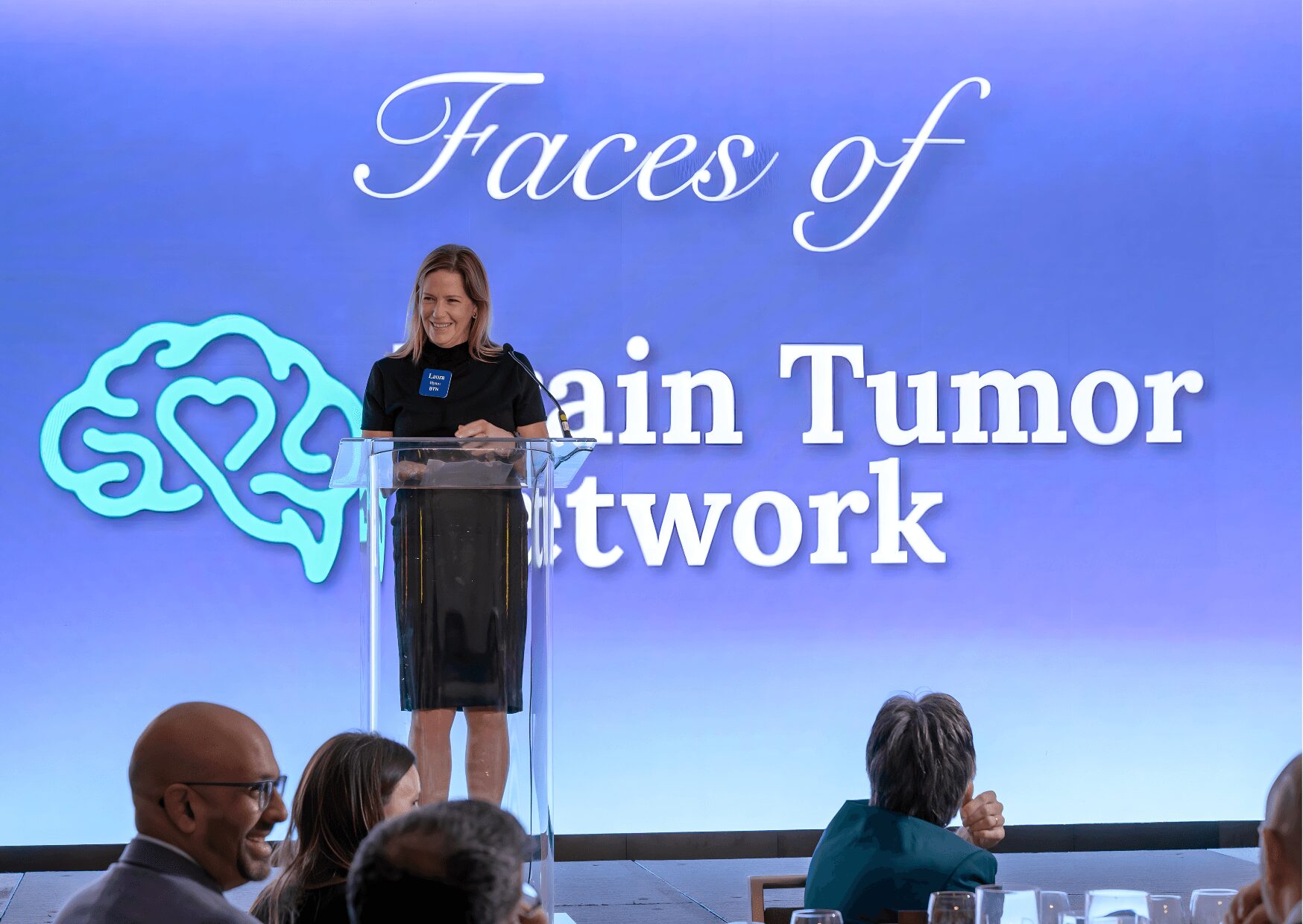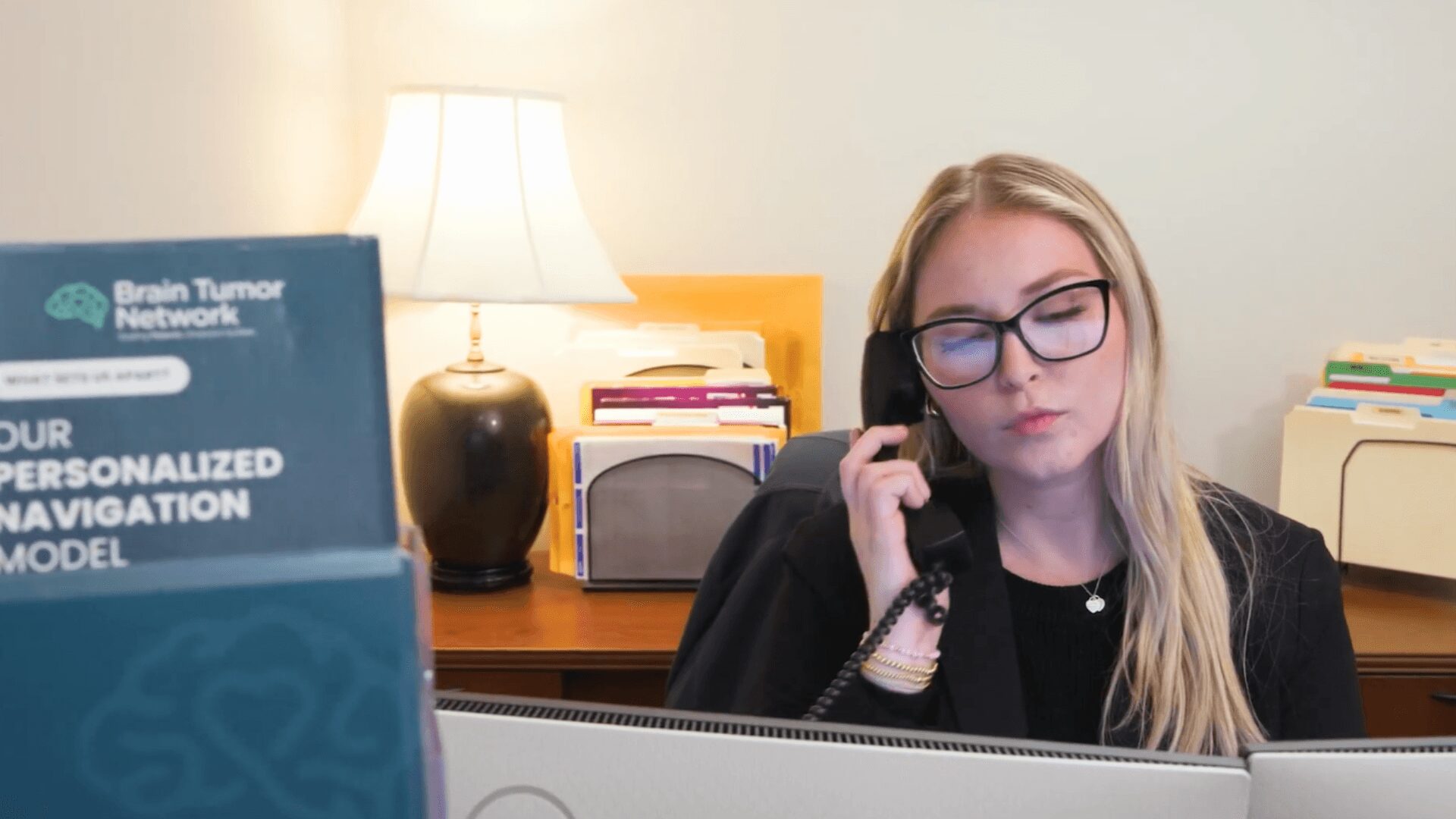





Today we’d like to introduce you to Brain Tumor Network.
We appreciate you taking the time to share your story with us today. What inspired the creation of Brain Tumor Network?
Brain Tumor Network exists because of a love story. Our founders, Rick and Susan Sontag, met in 9th grade in Long Beach, California. Susan was class salutatorian, a gifted athlete, and brilliantly driven. They started dating in college in Claremont, married in 1965 right after graduation, and were true partners in every sense of the word. They raised three children, supported each other through graduate school, and eventually took a leap into entrepreneurship together. In 1980 they purchased Unison Industries, a manufacturer of aircraft engine components, and over the next 15 years Rick built it into a thriving global business with Susan as his most steadfast partner every step of the way. By the mid-’90s they had moved to Florida. Their kids were heading off to college. Life was good.
Then, on June 24, 1994, everything changed. Susan had a stroke that revealed an anaplastic astrocytoma, an aggressive primary brain tumor. Doctors told Rick she statistically had three years to live.
Rick, shaken but determined, threw himself into learning everything he could about brain tumors, treatment options, and clinical trials. Reliable information was incredibly hard to find at the time. He eventually got Susan into a clinical trial involving chemotherapy and heavy radiation. It was a grueling regimen that miraculously stopped the tumor’s growth after two years. But the brain damage caused by the stroke, the tumor itself and its treatment was already done. After losing most of her cognitive capability with the stroke, Susan slowly continued to degrade mentally and physically with Rick by her side as her primary caregiver. Susan lived 28 years after her stroke—far beyond what anyone predicted. She passed away in 2022, on their 57th wedding anniversary.
Through that long journey, Rick and Susan saw firsthand how confusing, isolating, and broken the system was for brain tumor families. Even with their resources, it was overwhelming and challenging. They kept coming back to the same question: if it was this hard for them, what was it like for everyone else?
That question became a mission. In 2002, after selling Unison Industries to GE Aerospace, they used part of the proceeds to establish The Sontag Foundation, which has become one of the largest private funders of brain tumor research in North America. In 2004, they started a brain tumor support group in Northeast Florida that Rick and Susan personally attended for over a decade. And as patients from across the country began reaching out for help finding clinical trials and second opinions, it became clear that a dedicated navigation organization was needed. So in 2014, they founded Brain Tumor Network (BTN), staffed with a single nurse navigator from Mayo Clinic.
Today, BTN has a team of 21 specially trained nurse navigators, social work navigators, and support staff. We have provided free brain tumor navigation services to more than 6,000 patients and caregivers nationwide. In 2025, we served over 1,400 families across all 50 states. We started with five patients in our first year. That growth tells you everything about how deep the need runs.
Rick still comes to the office every day. More than two decades into this work, his dedication fuels everything we do. Someone once described The Sontag Foundation and Brain Tumor Network as Rick’s love letter to Susan. We couldn’t say it better ourselves.
What have been some of the biggest challenges in building and growing Brain Tumor Network?
Brain tumors are rare compared to other cancers, and that rarity is actually one of our biggest obstacles. It means less public awareness, less research funding, and fewer specialists who truly understand these diagnoses. Most people have never heard of Glioblastoma until someone they love is diagnosed with one. That makes it hard for families to know where to turn. It’s equally hard for us to reach them before critical decisions have already been made without the guidance they need.
The healthcare system itself is a major challenge. It’s fragmented, especially for adults with brain tumors. Pediatric patients often benefit from collaborative hospital networks and clinical trial consortia, but adult patients are frequently left to fend for themselves. Insurance barriers can block access to brain tumor specialists. Clinical trial information on public databases is often outdated or incomplete. Disability claims can take six months to process, but the average lifespan for someone diagnosed with glioblastoma is little more than a year. The system simply isn’t built for the urgency these families face.
There are also deep disparities. Specialized brain tumor care is concentrated in major cities. Families in rural or underserved communities often can’t access it. Minority patients remain underrepresented in clinical trials. Community physicians, while committed, may not be up to date on the latest treatment advances. These gaps mean that where you live and what resources you have can determine the quality of care you receive. That’s something Brain Tumor Network is working to change every day.
And then there’s the emotional weight of this work. Brain tumors don’t just threaten someone’s life, they can change who that person is. Memory loss, personality shifts, difficulty with speech and mobility. Caregivers are often grieving changes in their loved one long before any physical decline. Our team carries that weight alongside families every single day. It’s deeply meaningful work, but it demands a lot.
One of the most common things we hear from patients and families is, “I wish I had known about you sooner.” That phrase keeps us up at night. It means there are still too many people navigating this alone, making irreversible decisions likely without the information and guidance they deserve. Closing that awareness gap is one of our biggest ongoing challenges, and one of the reasons we’re grateful for opportunities like this to share our story.
What should people understand about Brain Tumor Network and the support you provide?
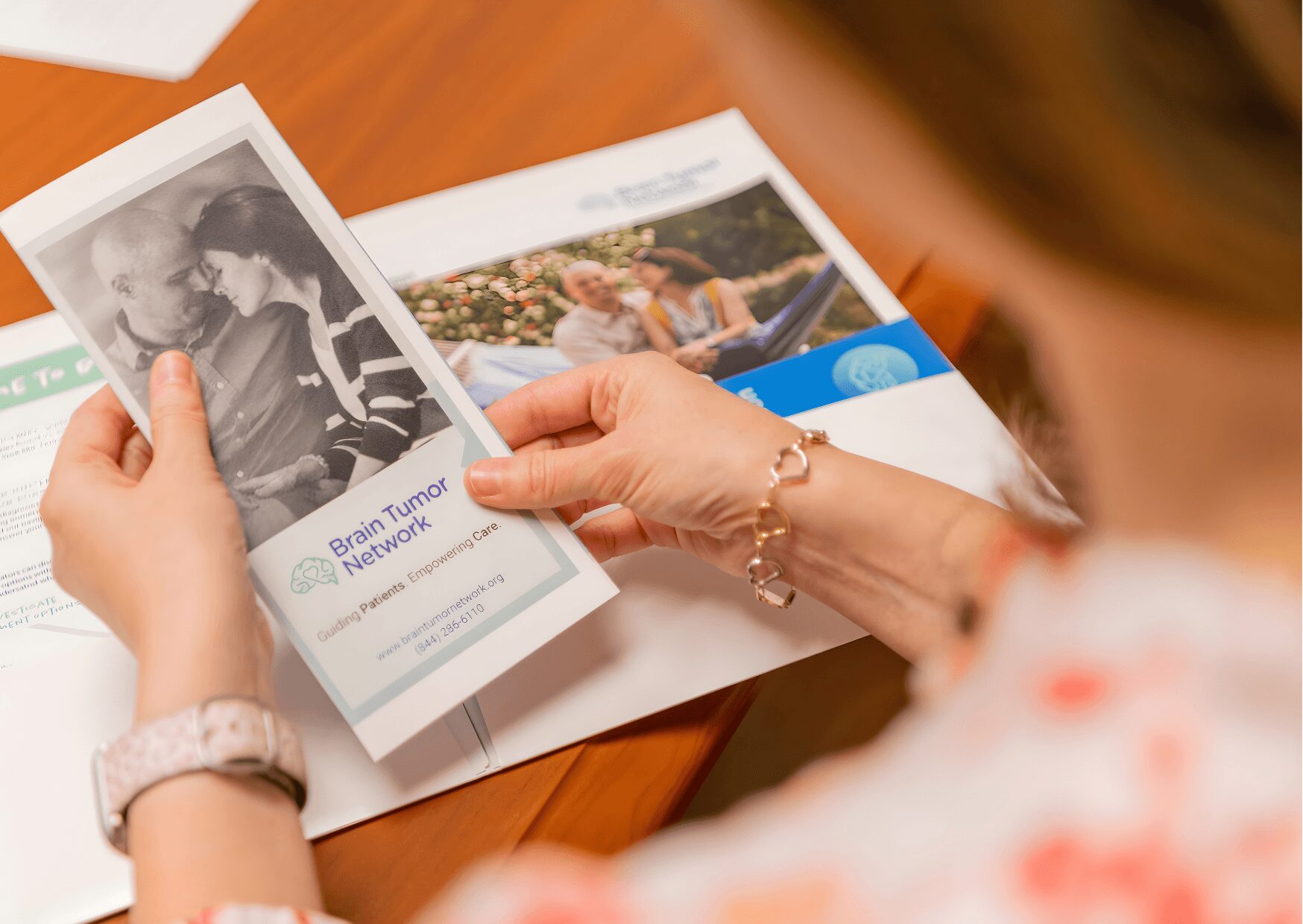
We are a nonprofit navigation organization dedicated to helping patients and families managing a primary brain tumor diagnosis overcome barriers and access quality healthcare. When someone is diagnosed with a primary brain tumor, whether they’re a child, an adult, or a caregiver trying to hold everything together, they can contact us, and we pair them with a dedicated navigator who stays with them for the entire journey. This isn’t a one-time phone call or a pamphlet in the mail. It’s a real, ongoing relationship with support. Families can come back to their navigator at every turning point: a new diagnosis, a treatment change, a recurrence, survivorship. They’ll find someone who already knows their story and is ready to help.
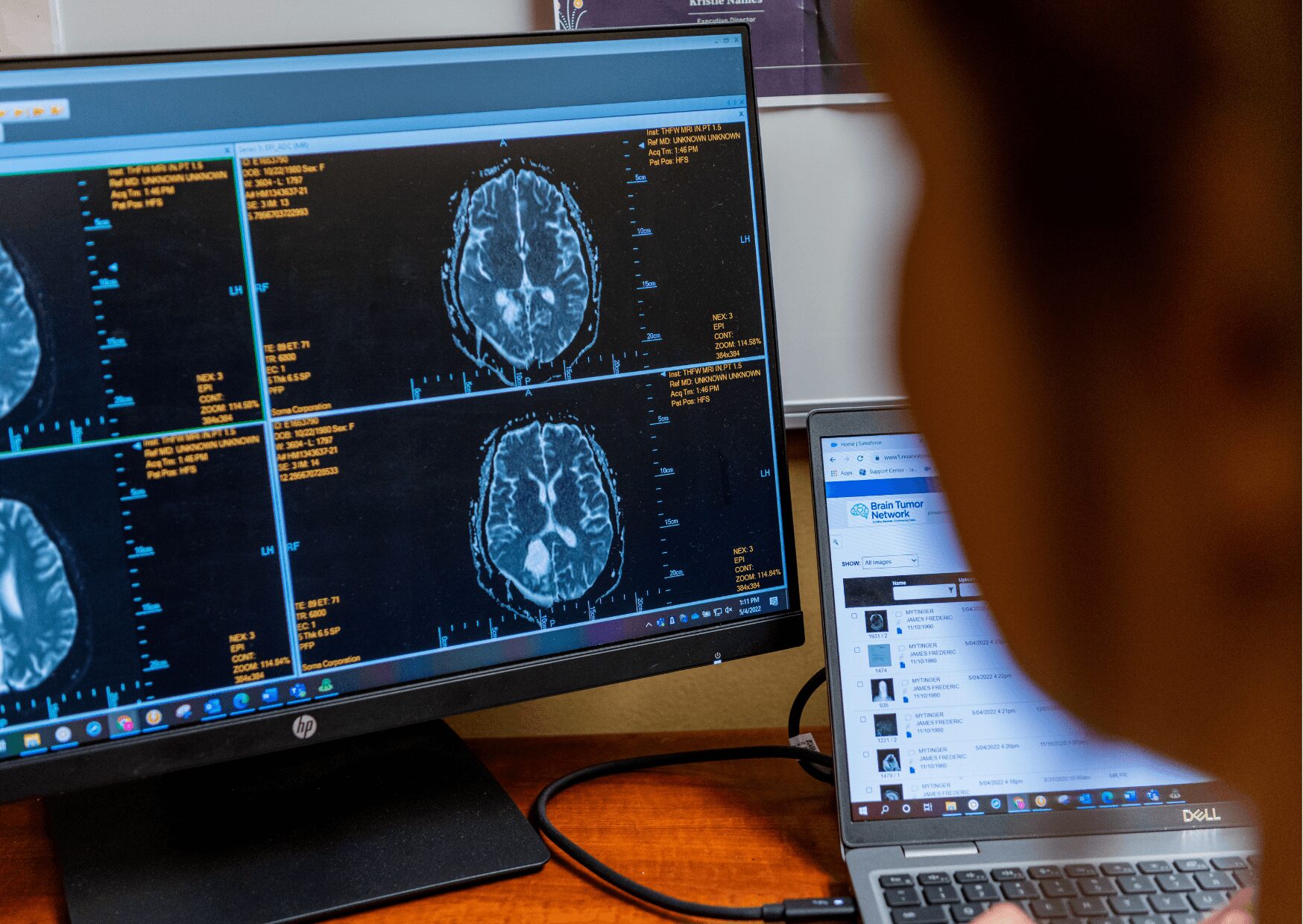
What makes our model unique is how we pair clinical and psychosocial expertise under one roof. Our neuro-oncology trained nurse navigators handle the medical side: educating families about their diagnosis, researching treatment options, facilitating second opinions at leading brain tumor centers, and conducting personalized clinical trial searches. Our master’s-trained social work navigators address the emotional, financial, and practical toll: everything from insurance questions and disability claims to caregiver burnout, anticipatory grief, and end-of-life planning. As a family’s needs shift, these navigators work together seamlessly. We call it co-navigation, and that combination of medical and psychosocial support in one integrated team is something you won’t find anywhere else.
Our clinical trial navigation is something we’re especially proud of. Most organizations will point patients to a self-driven AI search tool or website and wish them luck. Brain Tumor Network goes much further. Our system pulls nightly updates from ClinicalTrials.gov while also maintaining direct relationships with clinical trial coordinators and principal investigators across the country. That gives us access to the most current enrollment criteria (information that’s often weeks or months behind on public listings). Our nurses then conduct individualized, medically reviewed clinical trial searches, connect patients directly with trial sites, confirm eligibility, and provide medical record support to ease enrollment. In 2025, 28% of patients who requested a clinical trial search from BTN were enrolled into a trial. To put that in perspective, a 2024 study in the Journal of Clinical Oncology found that overall cancer clinical trial participation nationally is approximately 7%, even at a time when those estimates have been revised upward. For brain tumor patients, access to an emerging therapy can genuinely be life-changing.
Last year we also facilitated 300+ second opinions nationwide, educated 1000+ patients about their diagnoses, and continued growing our pediatric navigation program, which has now supported more than 250 children since we launched in 2022. All of this is completely free, available to anyone in the United States regardless of income, insurance status, or where they live.
Here’s something that says a lot about the trust we’ve built: other brain tumor nonprofits, cancer organizations including the American Cancer Society, and navigation programs regularly turn to BTN when patients need complex, ongoing neuro-oncology navigation support. As the only team with over a decade of experience navigating primary brain tumors exclusively, we bring a depth of specialization that strengthens the broader neuro-oncology community. It’s a role we take seriously, and one we’re proud to fill.
What might surprise people about the scale of brain tumors and the impact of Brain Tumor Network?
People are often surprised to learn the scale of this disease. Nearly one million Americans are living with a primary brain tumor right now. Approximately 93,000 new diagnoses are expected this year. And brain tumors are now the leading cause of cancer-related death in children and adolescents in the United States. Yet most people have never heard those numbers. It’s not a rare problem. It’s a rarely talked about one.
What also surprises people is how many families come to us after being told “there’s nothing more we can do.” And then our navigators find options. A clinical trial the treating team didn’t mention. A specialist the family didn’t know existed. A second opinion that completely changes the direction of care. We don’t promise miracles, but we consistently help families uncover possibilities that may not have been presented to them. One caregiver told us, “Finding BTN was a life changer—we would not have known where to start.” We hear versions of that every week.
Another thing that catches people off guard: we’ve grown from serving five patients in our very first year to over 1,400 in 2025. We now reach families in all 50 states while keeping 89% of our expenditures dedicated to direct patient support. We’re lean, we’re focused, and the money goes to the people who need it.
And maybe the most surprising thing of all: 95% of our patients say they would recommend BTN to others. In healthcare, that kind of satisfaction tells us that what matters most isn’t just having access to information. It’s having someone who truly walks beside you through the hardest experience of your life. That’s what Brain Tumor Network does.
Contact Info:
- Website: https://www.braintumornetwork.org
- Instagram: https://www.instagram.com/braintumornetwork
- Facebook: https://www.facebook.com/braintumornetwork
- LinkedIn: https://www.linkedin.com/company/braintumornetwork
- Twitter: https://x.com/BTNcares