




Today we’d like to introduce you to Steve Griffith.
Alright, so thank you so much for sharing your story and insight with our readers. To kick things off, can you tell us a bit about how you got started?
I recently retired from teaching and live in Green Cove Springs, Florida, with my 23-year-old son. I have a BA in Psychology and a Master’s degree in Education. I minored in Anthropology and first aspired to become an archaeologist, but I later changed course. I worked in the mental health field for a while and then moved into education, where I taught for almost thirty years.
I was born and raised in Fort Collins, Colorado, and spent a lot of time rock and artifact hunting on the eastern plains of Colorado. I moved to northern Florida in 2006. While still teaching in 2023, I began volunteering at a museum and eventually served on its board and as president. Early in my first year at the museum, a coworker told me about an abandoned historic African American cemetery. At the time, I had no idea that the next couple of years of my life would become devoted to researching and restoring Pleasant Point Cemetery.
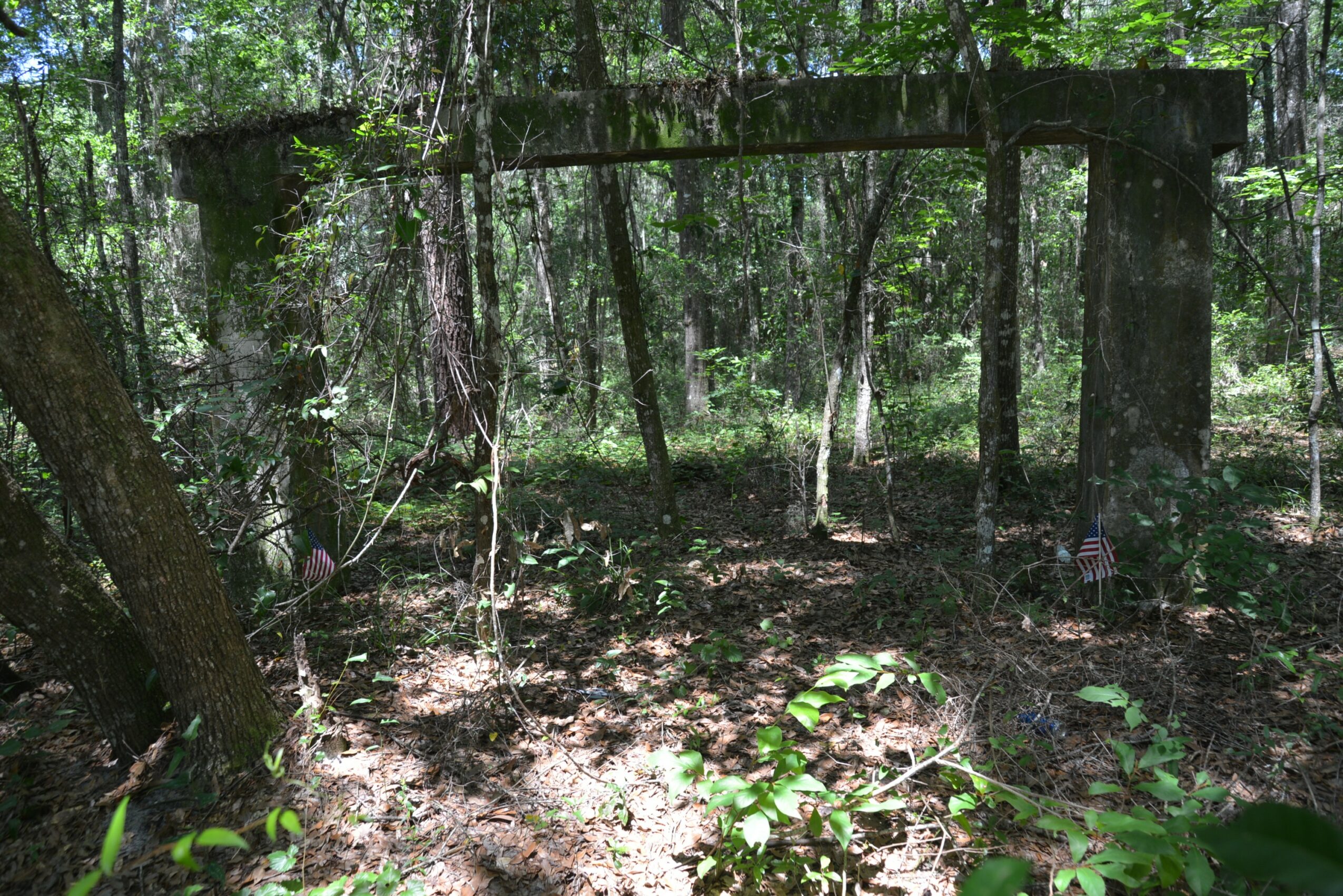
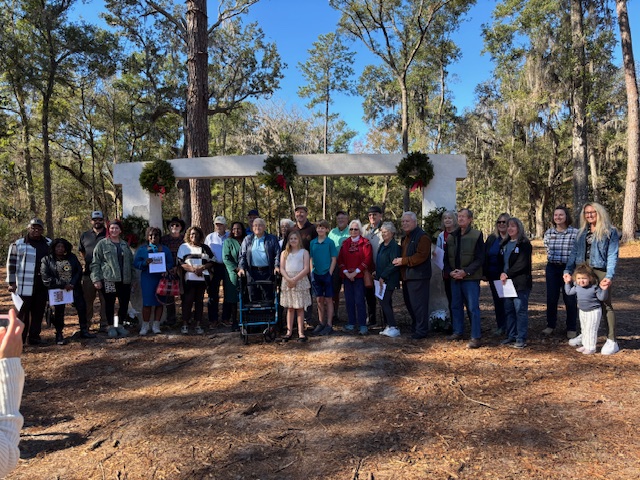
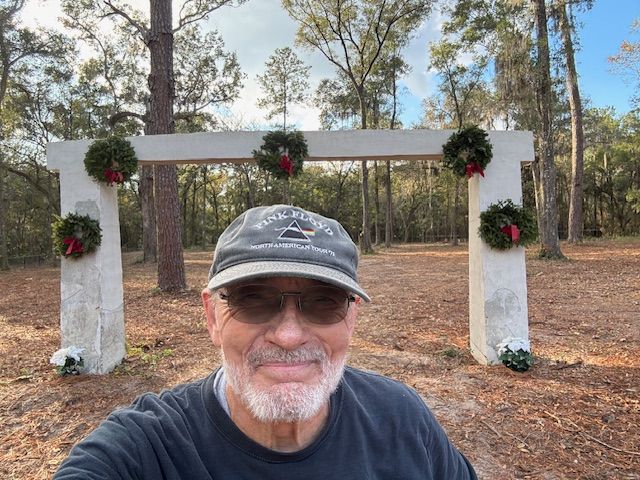
In October 2024, I began working to restore Pleasant Point Cemetery, located on the west side of the St. Johns River in Green Cove Springs, Florida. The cemetery had become completely overgrown, and few people were even aware of its existence. A large concrete arch marks the entrance, but it, too, had been obscured by lichen, moss, and surrounding trees.
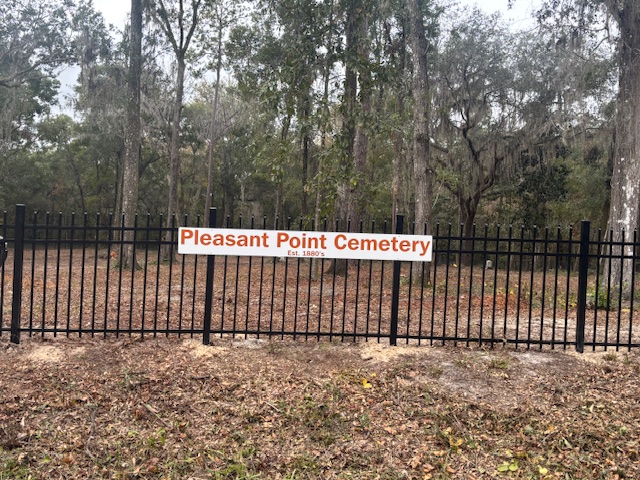
As word spread, members of the community joined the effort, and the cemetery has since been fully cleared. The one-and-a-half-acre site is now enclosed with fencing, along with a sign that reads “Pleasant Point Cemetery, Est. 1810s.”
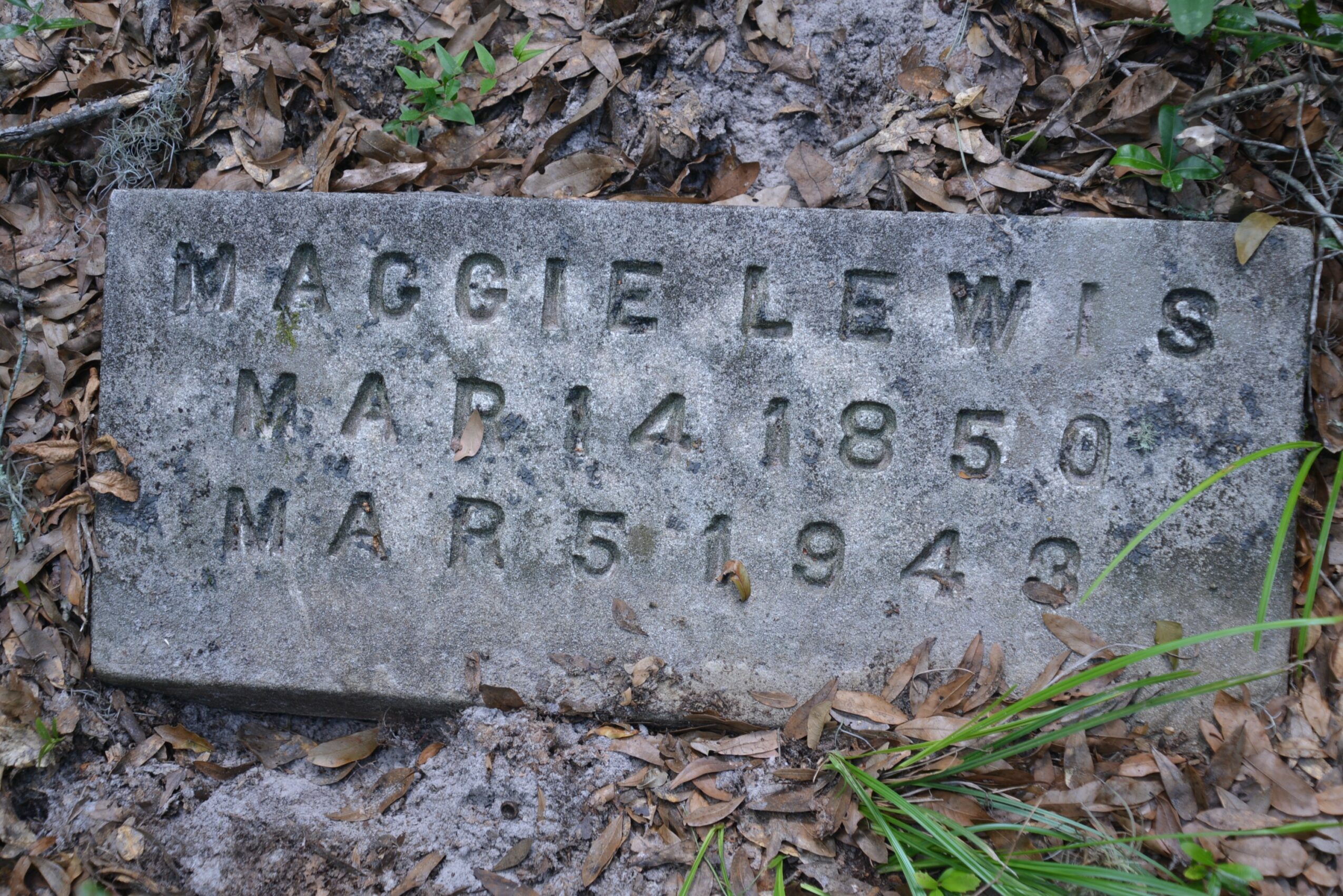
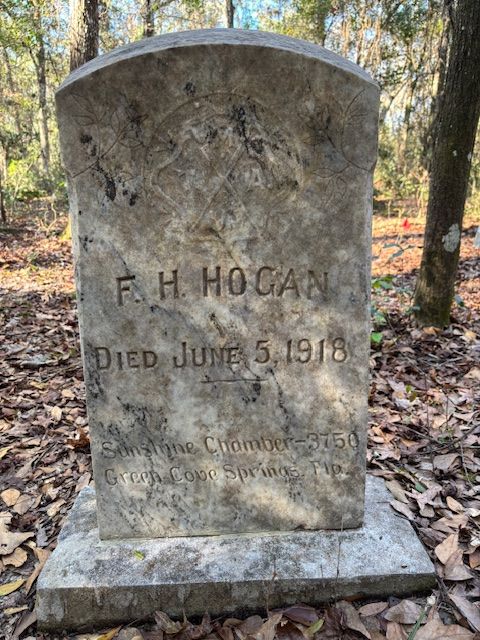
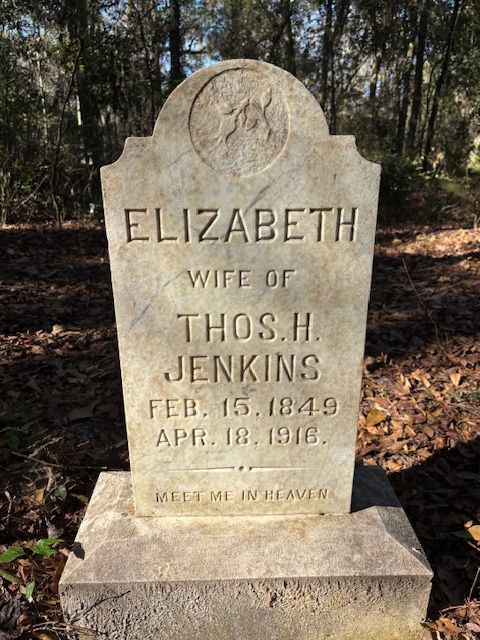
We are currently focusing on restoring family plots and finishing the cleaning of headstones. FPAN (Florida Public Archaeology Network) is working to map the cemetery using GPR (Ground Penetrating Radar). Volunteers have also helped research the cemetery and document the individuals interred there. We have gone from identifying six known individuals buried there to more than forty. Although rumors suggested that enslaved people were the first to be buried in the Pleasant Point area, our research shows that the cemetery itself came into existence in the 1880s and served the long-forgotten community of Magnolia, a free African American settlement.
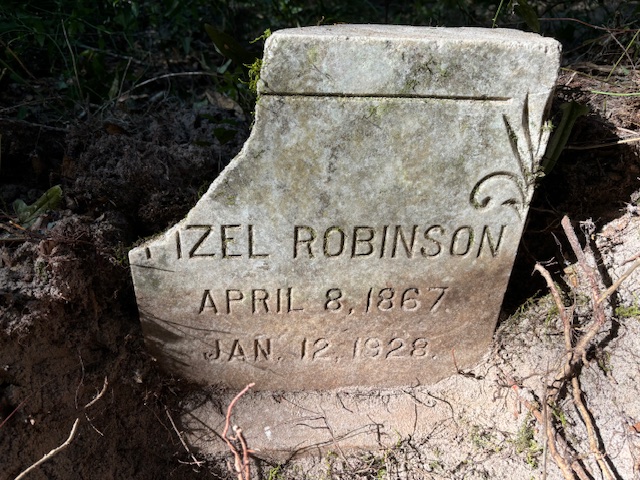
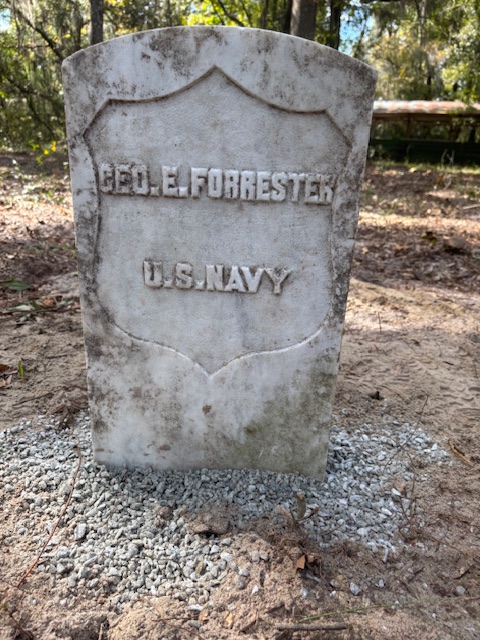
To date, we have identified four veterans interred at Pleasant Point: Henry Bennett, Moses Johnson, Peter Walker, and George Elias Forrester, a descendant of Cyrus Forester, the first freed African American enslaved person in Clay County, Florida. Also interred at Pleasant Point are Pizel and Mary Ambrose Robinson, the great-grandparents of R&B singer Patti LaBelle. Others buried at Pleasant Point were well-respected African Americans who were landowners, some of whom held local public offices. Several headstones at the cemetery are engraved with Masonic symbols.
It has been and continues to be an amazing experience which has led me to be able to present and share information about Pleasant Point and the free African American community of Magnolia. Along with our final stage of restoration and mapping we are also in the process of designing a historic marker for the cemetery.
Can you talk to us a bit about the challenges and lessons you’ve learned along the way. Looking back would you say it’s been easy or smooth in retrospect?
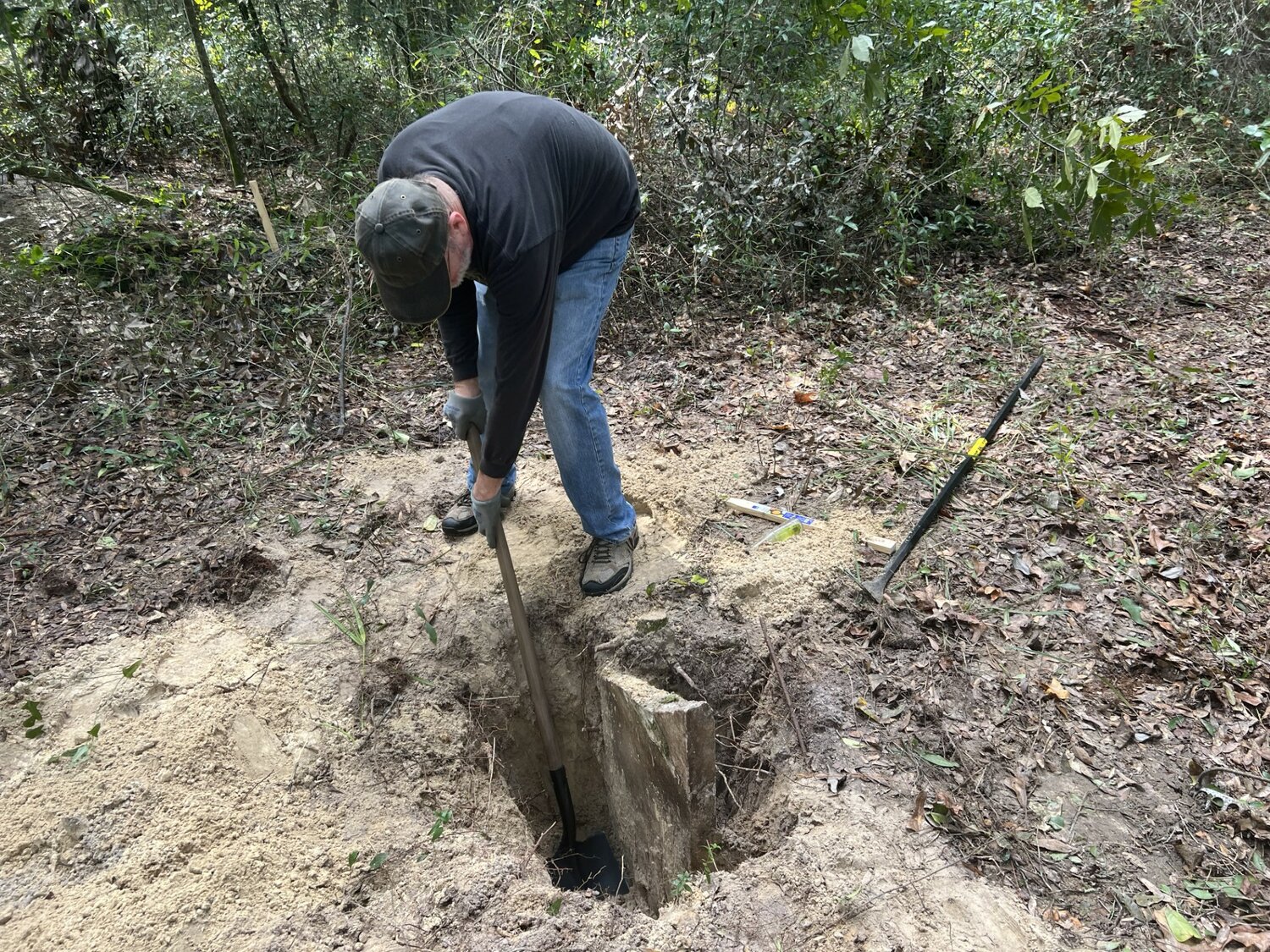
This project has been difficult on many levels. It took over a year and a half of work to clear the cemetery of forest overgrowth. We felled and removed more than 400 trees. Several headstones were either broken or sunken and needed to be repaired and raised.
We have had no source of funding for the project. Every step and every expense was covered through the hard work of volunteers and the generosity of others.
Researching the cemetery has also been challenging. There are many gaps in the historical record, and much of the information we can find is sometimes recorded inaccurately. The lack of solid historical documentation is not unusual when dealing with African American history in the American South.
Finally, there have been some local people who were not very pleased about the fact that this cemetery was being “saved.” The project was briefly shut down as a result of pressure from a few neighbors.
Can you tell our readers more about what you do and what you think sets you apart from others?
I am very proud that throughout my professional career I have been able to serve others through teaching and counseling. I now hope to continue serving others by taking on projects that help us connect with our past and, if possible, restore some of the bridges damaged by the injustices of that past. I hope always to demonstrate compassion and respect for all life and to be known for seeking the truth, even when it is difficult and painful to face.
Do you have any advice for those looking to network or find a mentor?
I have found that if you are actively pursuing and engaging in your dreams others of like kind are naturally pulled into your field of awareness. You just need to be on the lookout for those people and “doors” that become open to you.
Contact Info:
- Facebook: https://www.facebook.com/ussgriffy#
- Youtube: https://www.youtube.com/@TimeandAgain-d8p
- Other: ussgriffy@gmail.com