





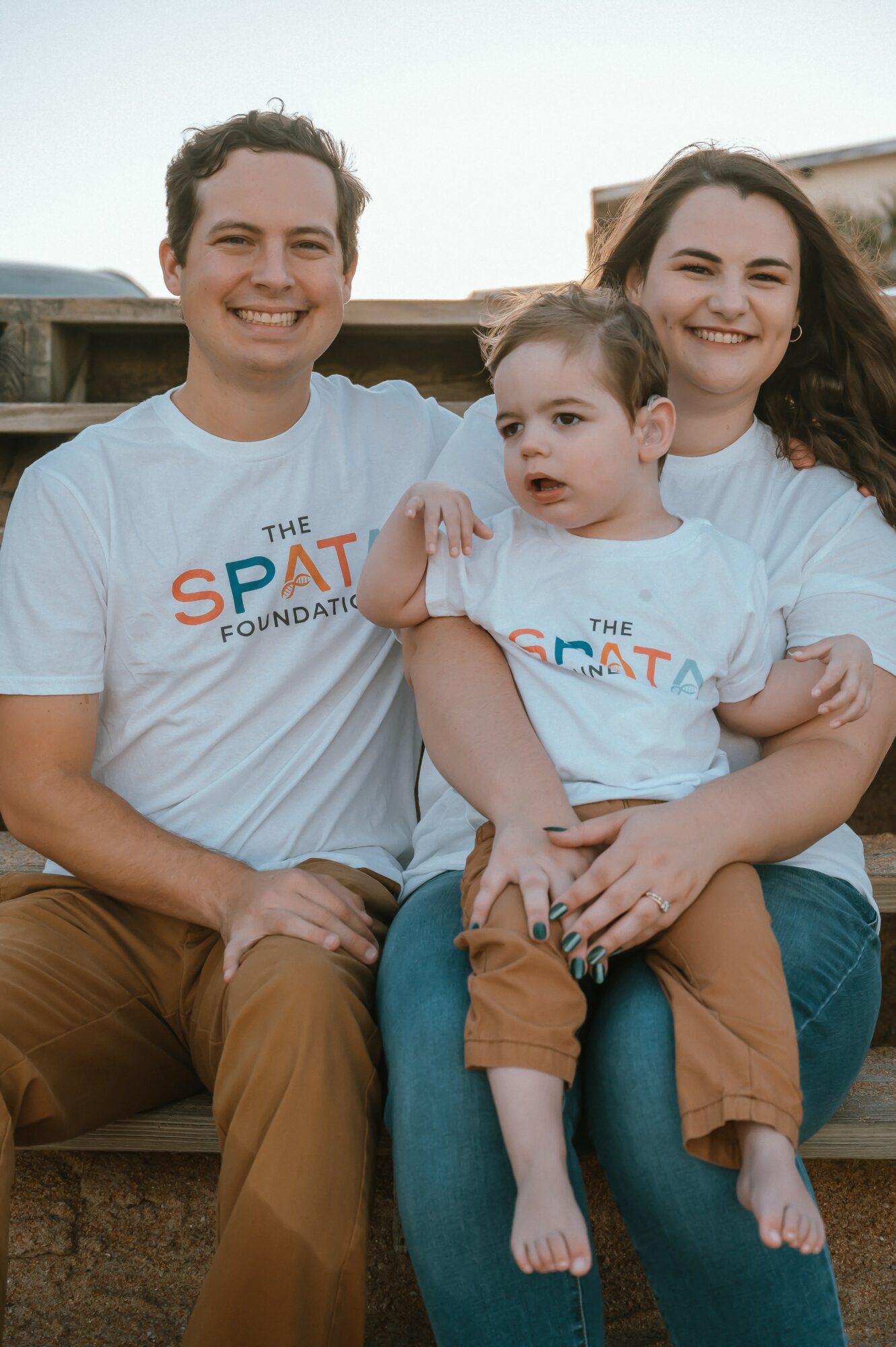
Today we’d like to introduce you to Mariah George.
Hi Mariah, thanks for sharing your story with us. To start, maybe you can tell our readers some of your backstory.
My husband and I’s journey began when our son, Luca, was diagnosed with and SPATA5L1 Related Disorder at just 18 months old. Like many rare disease families, we were suddenly thrown into a world of uncertainty, limited information, and very few answers. There were no clear care pathways, no established research efforts, and no community we could turn to that truly understood what our child was facing. At the time of his diagnosis, Luca was 1 of just 60 documented cases of SPATA5L1 Disorder world-wide, making this an ultra-rare disorder.
What started as a desperate search for information quickly turned into connection. We began finding other families around the world who were walking the same path with a related disorder called SPATA5. SPATA families are all asking the same questions, and feeling the same isolation. It became clear that families needed more than support, they needed advocacy, coordination, and momentum toward research.
That realization led to the creation of The SPATA Foundation. What began as a small, family-led effort has grown into an organized nonprofit focused on building a global patient community, supporting families at every stage of diagnosis, and actively driving research forward. We’ve worked to establish a patient registry, collaboration with clinicians and researchers, raise awareness, and lay the groundwork for future therapeutic development.
Today, our mission is deeply personal and forward-looking: to improve quality of life for families now while relentlessly pushing toward meaningful treatments and, ultimately, a cure. Luca is the reason we started, but the growing community of SPATA5 and SPATA5L1 families is why we continue and why this work matters so much.
I’m sure it wasn’t obstacle-free, but would you say the journey has been fairly smooth so far?
It hasn’t been a smooth road. In the beginning, we struggled just to get answers. Before Luca was diagnosed, we spent months navigating insurance requirements, referrals, and delays for testing and specialist care. Each step felt like another hurdle, and it quickly taught us how much advocacy families often have to do just to be heard, especially when a rare condition is involved.
Even after diagnosis, the challenges continued. There was very little information available and few resources to lean on. We were learning as we went, balancing Luca’s medical needs while trying to understand what his diagnosis truly meant for his future.
The SPATA Foundation was formed, but challenges continue to come our way. The first year was filled with finding active researchers, building trust with families and researchers, and moving research forward responsibly while honoring the urgency families feel. None of it has been easy.
One of the major hurdles we continue to face is funding. There is very little funding from the government for rare disease research because there’s no money in curing a handful of people. But, no matter how rare, our kids matter.
Our biggest hurdle right now is that funding important research efforts falls onto the shoulders of families who are already battling life with a child with these disorders. In between physical, occupational, and speech therapy weekly, multiple specialist appointments, unplanned hospital stays, and fighting with insurance, families must add advocacy and fundraising to their plate.
Despite the struggles we face, our mission continues to guide everything we do in advocating for our children and finding a cure.
As you know, we’re big fans of you and your work. For our readers who might not be as familiar what can you tell them about what you do?
At its core, The SPATA Foundation exists to make sure families don’t feel alone and that progress doesn’t stall just because the condition is rare. A huge part of what we do is simply connecting families to each other, to information, and to researchers who care about moving things forward.
Because of the Foundation, we were able to connect with another SPATA5L1 family just 45 minutes away. It’s incredibly meaningful to know someone and meet someone who walks the same walk we do.
Alongside community-building, we’re deeply focused on driving research forward. We help gather and organize family-reported data, support natural history efforts, and create pathways for collaboration with clinicians and scientists. Our goal is to turn shared experiences into knowledge, and knowledge into action.
What we’re most proud of is the trust families place in us and the sense of momentum we’ve built together. What sets us apart is that this isn’t abstract or theoretical—it’s personal. We’re parents first, building something we wish had existed when Luca was diagnosed, and pushing forward with hope, urgency, and heart.
Do you any memories from childhood that you can share with us?
One of my favorite childhood memories is traveling with my Mamaw Karen. She would take the grandkids on trips together and somehow every single trip turned into an adventure. Something always went a little crazy, missed turns, unexpected detours, or moments we still laugh about today.
Mamaw made us keep journals on every trip. We had to write about where we went, what we did, and what stood out most. At the time it felt like homework, but looking back, it taught me how to slow down, notice the small moments, and capture memories before they slipped away.
Those trips and the craziness surrounding them always made me stop and laugh in the midst of chaos, which is something I carry with me today walking the road I walk.
Contact Info:
- Website: https://www.SPATAfoundation.org
- Instagram: https://www.instagram.com/spatafoundation/
- Facebook: https://www.facebook.com/spatafoundation
- Other: https://www.zeffy.com/en-US/peer-to-peer/71e42ad8-08c5-4a7e-80f0-46e015ccecc9
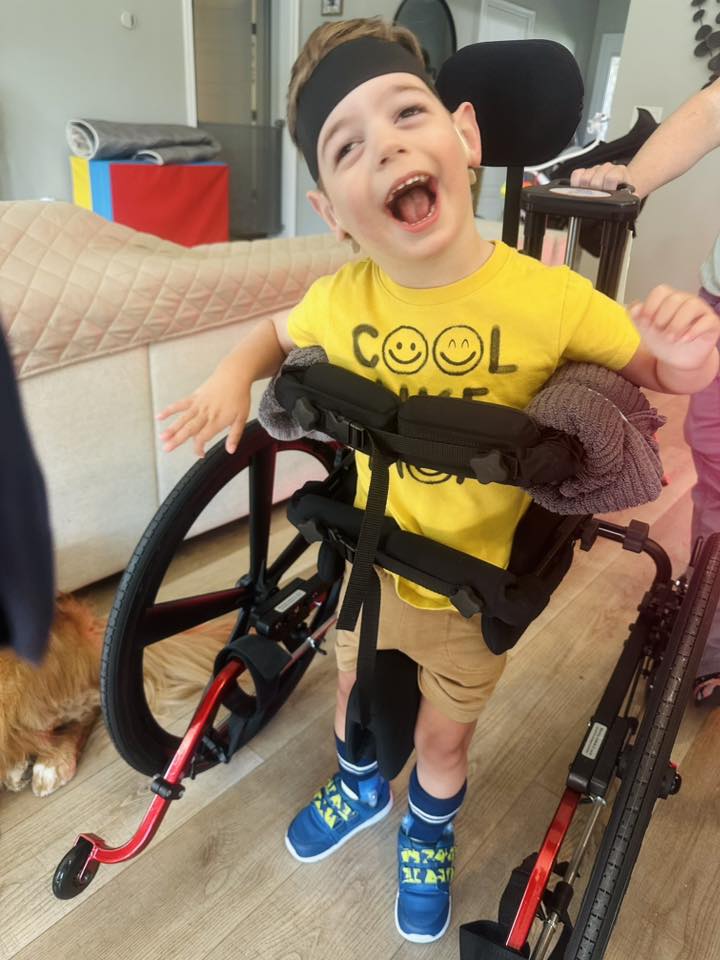
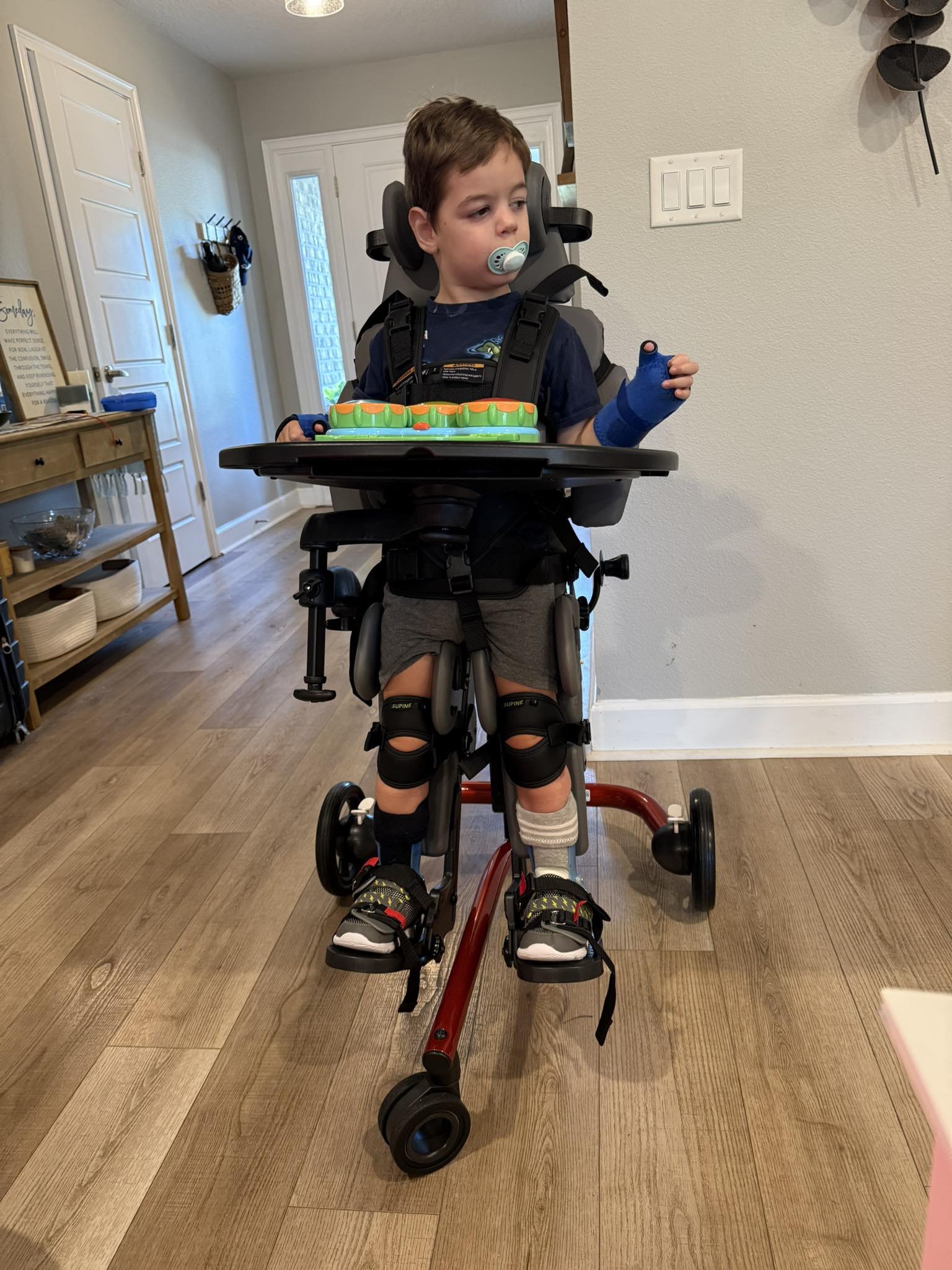
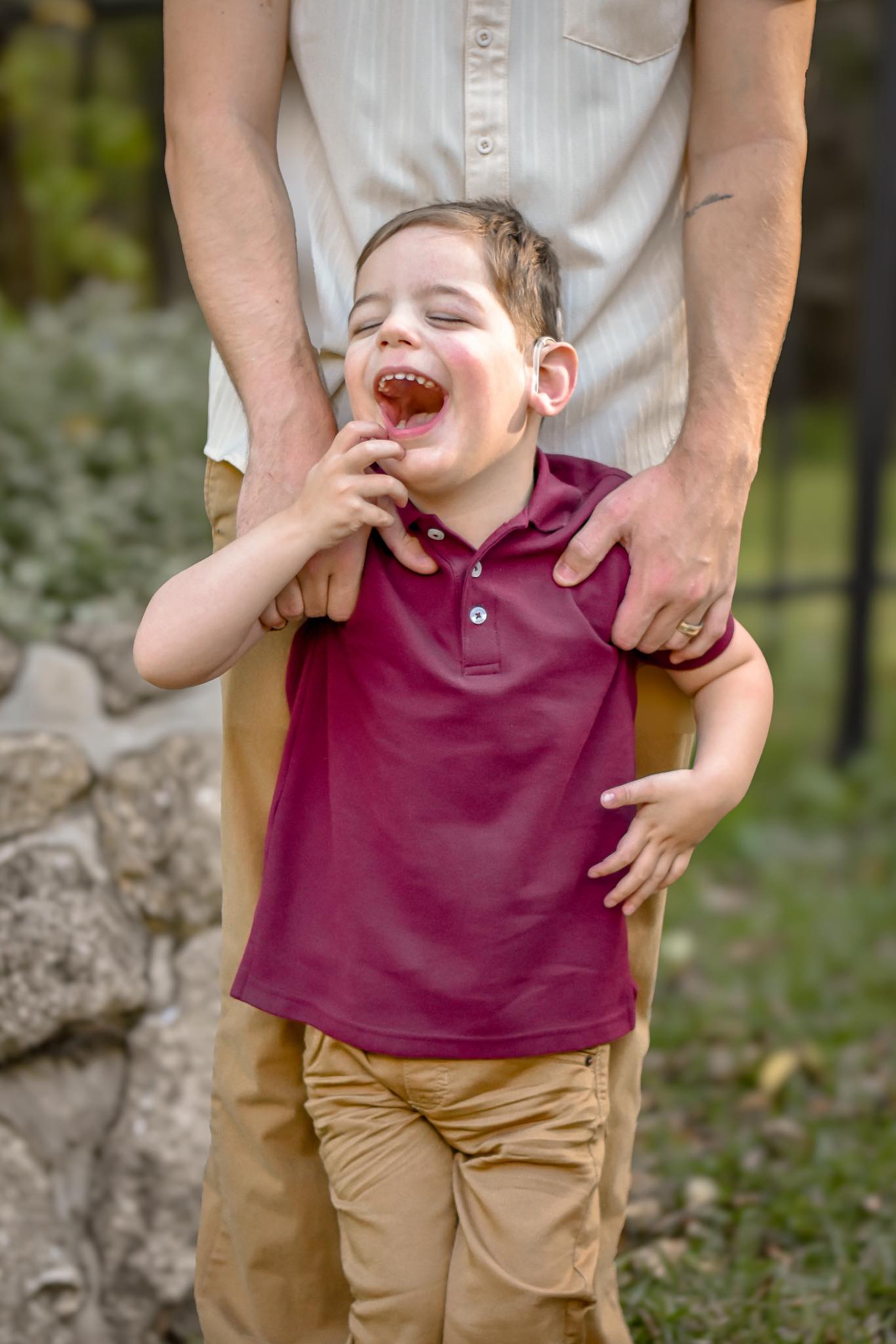
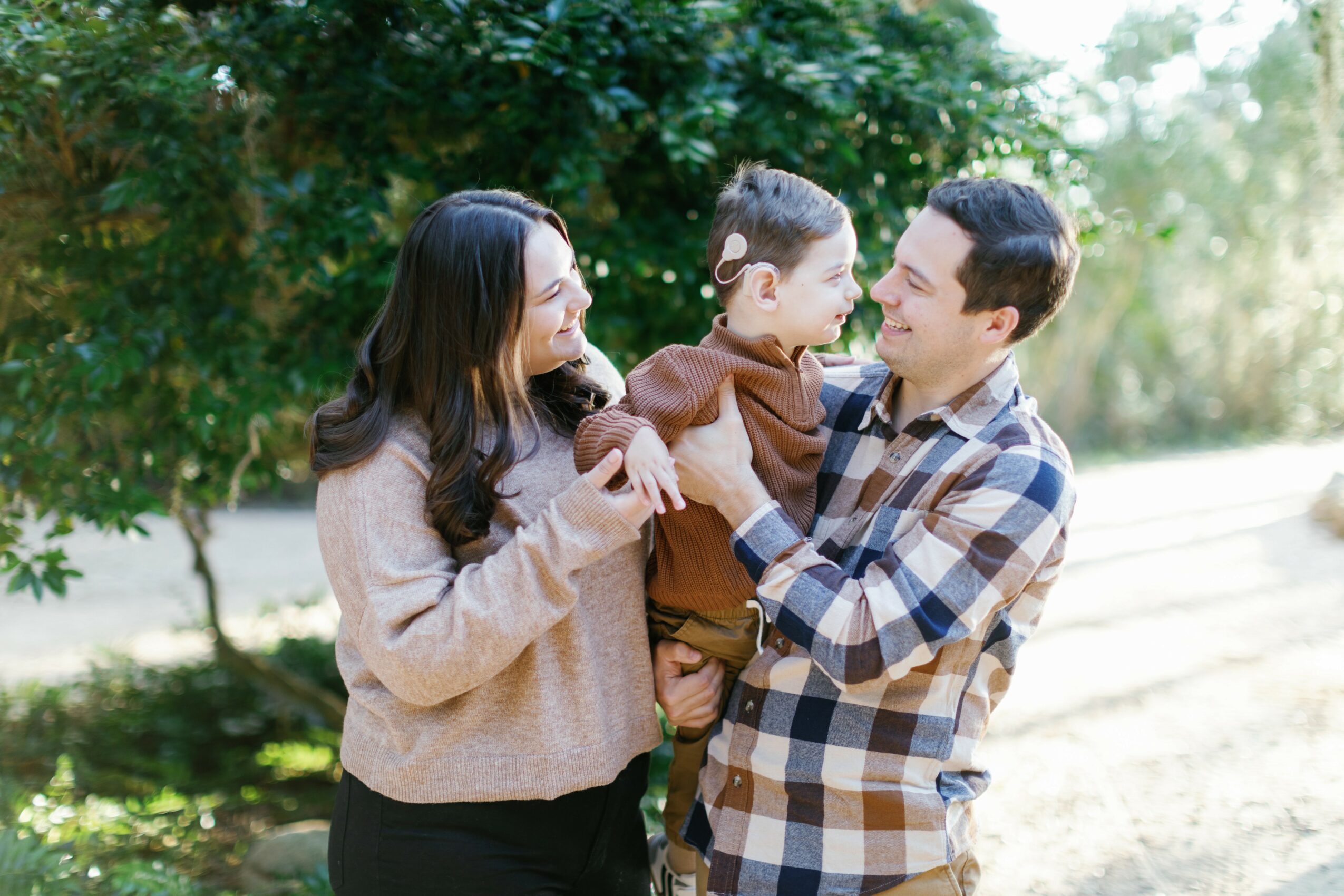
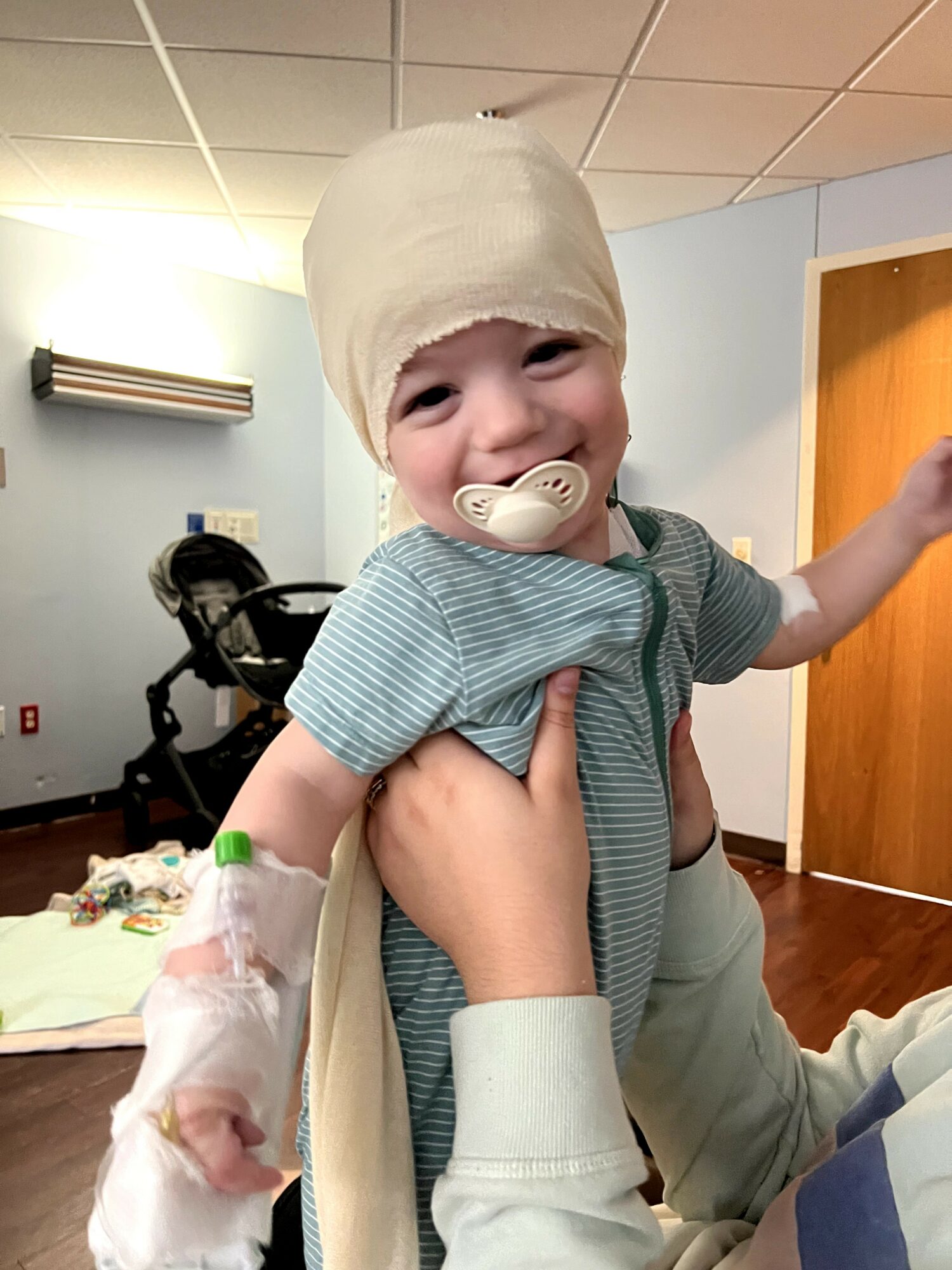
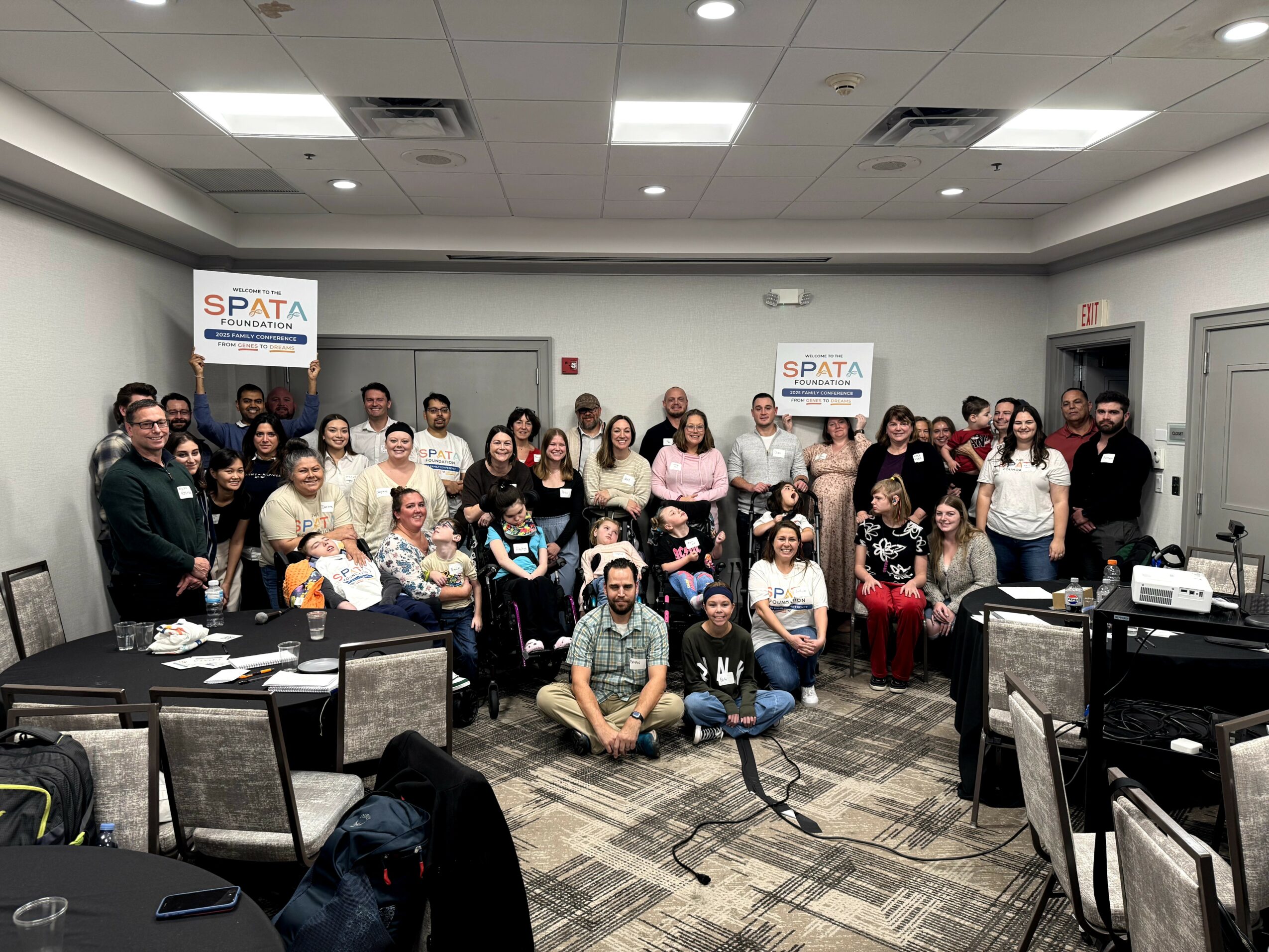
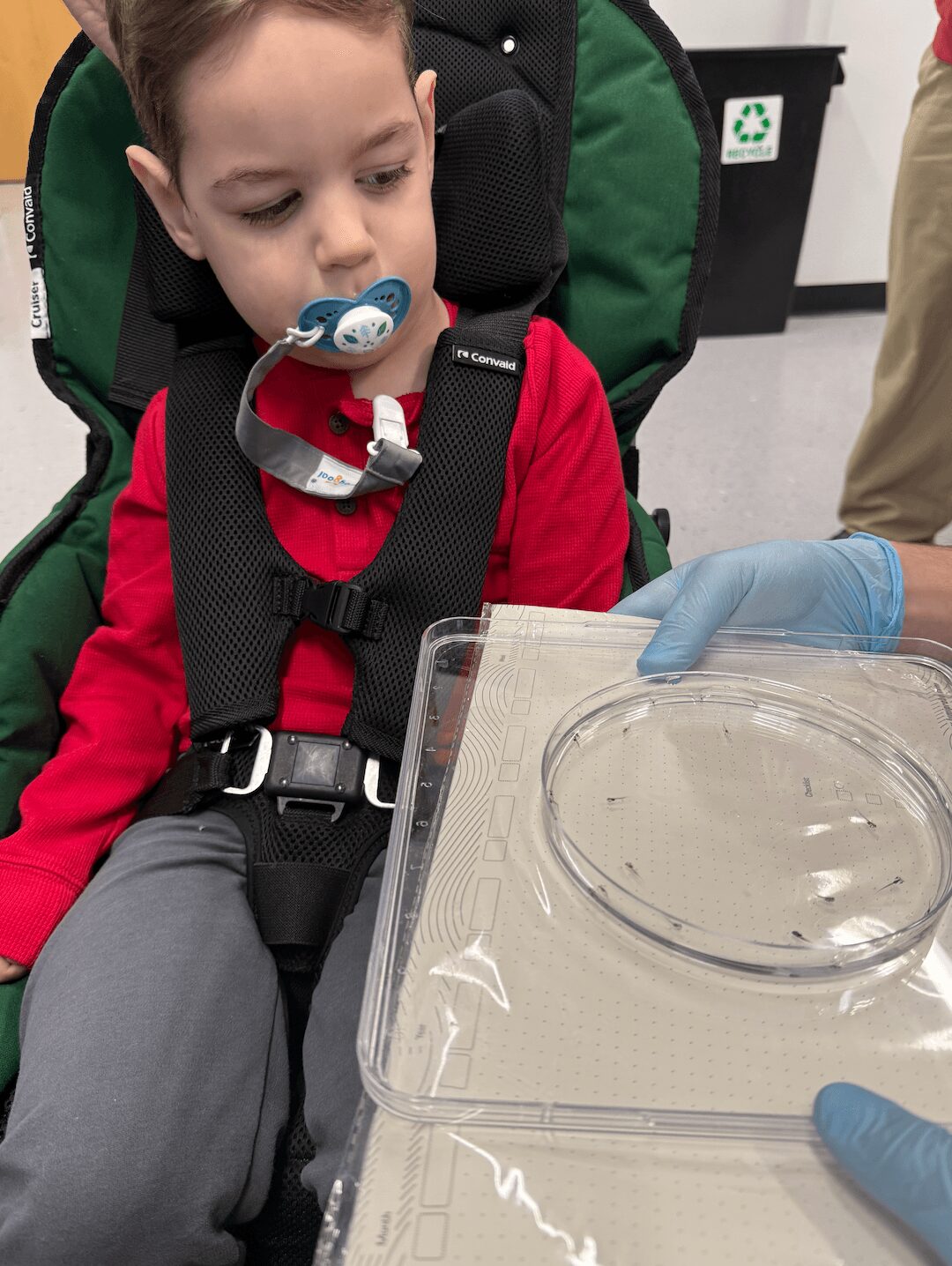
Image Credits
All photos by Mariah George, Haley DeSouza Photography, and Kimberly Hunt Photography