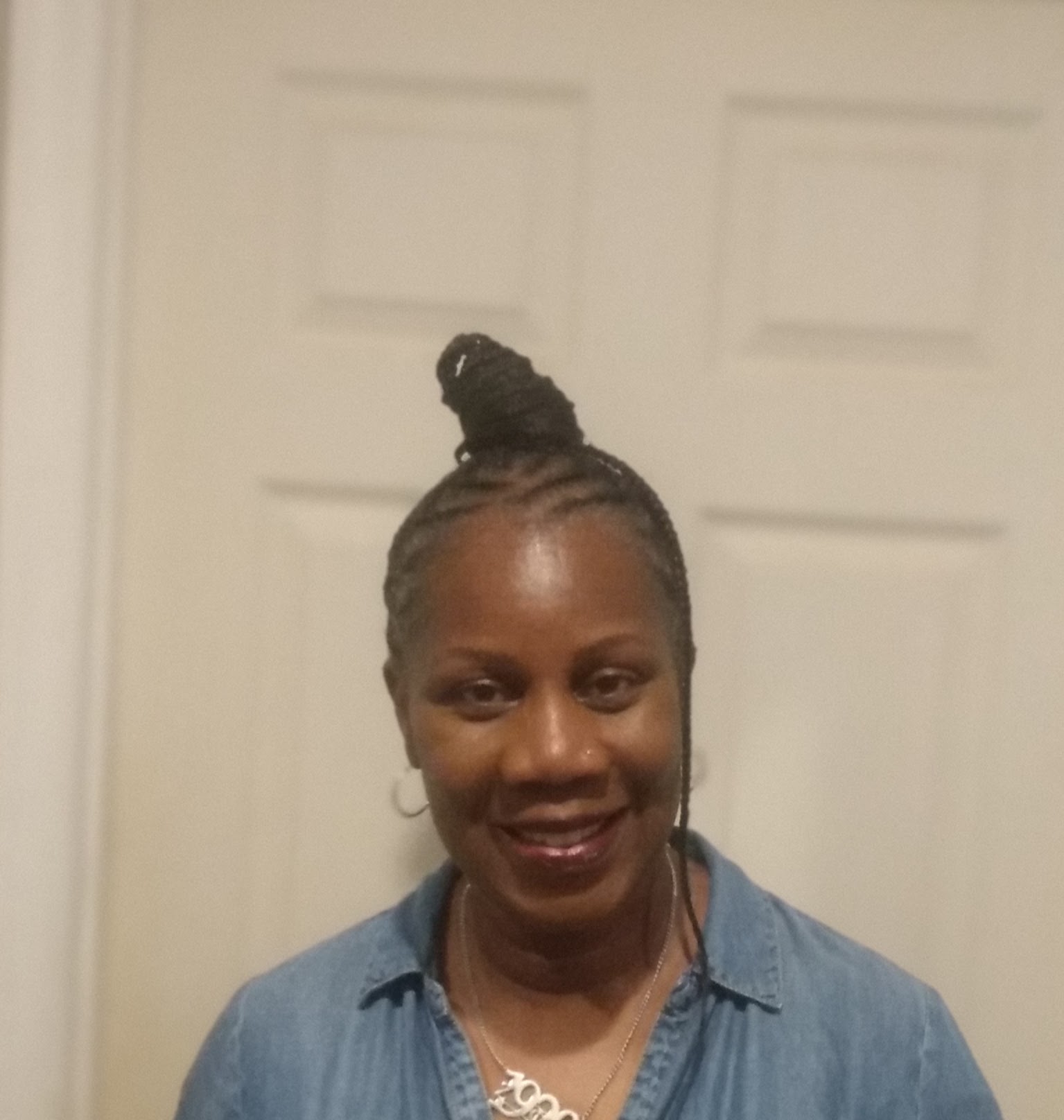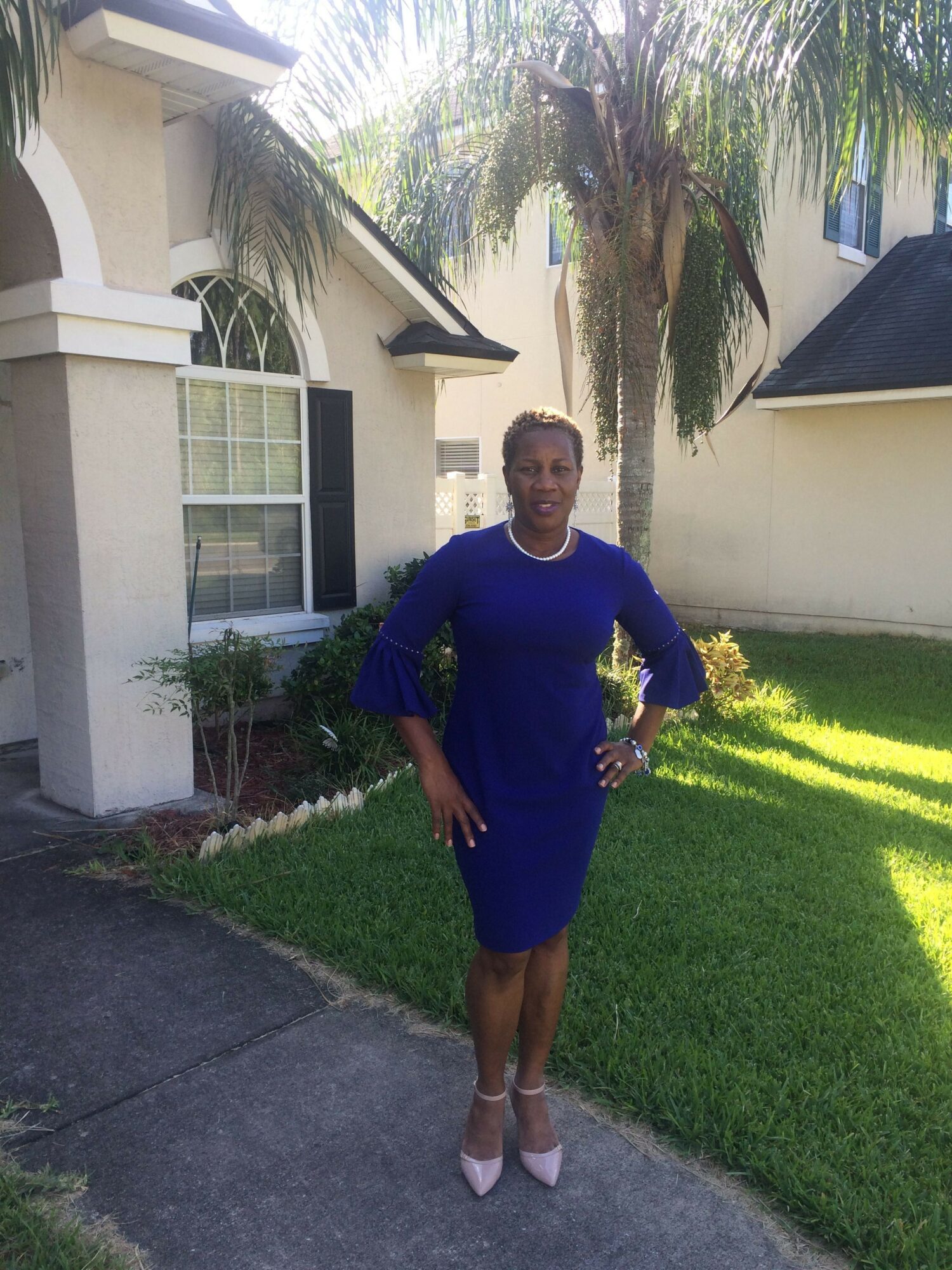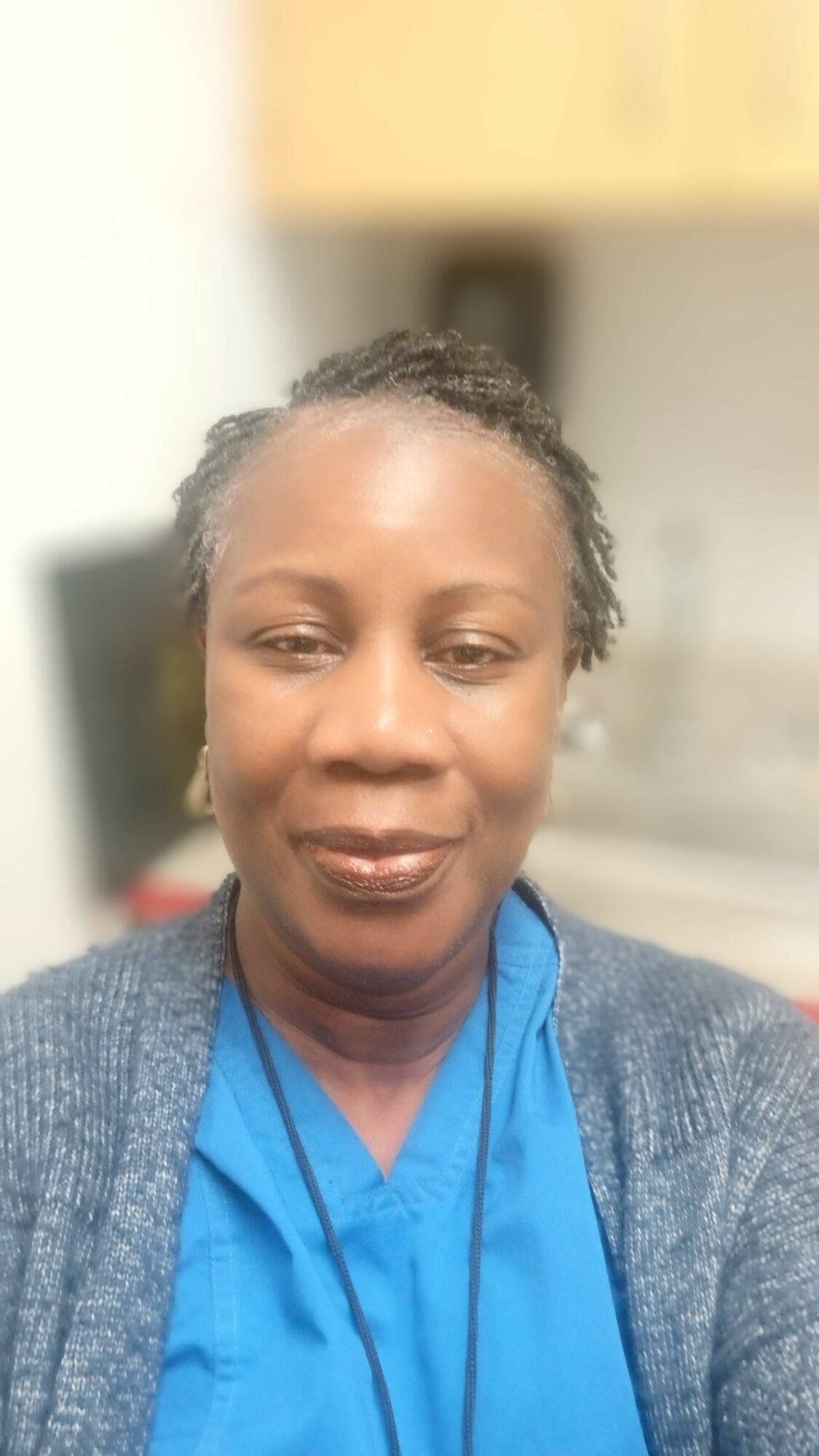






Today we’d like to introduce you to Helen Johnson.
Hi Helen, we’re thrilled to have a chance to learn your story today. So, before we get into specifics, maybe you can briefly walk us through how you got to where you are today?
I am from Rochester New York. Rochester is the third largest city in the State of New York. Rochester is about a third of the size of Jacksonville both in land size and population. Rochester has a very small-town feeling. I have been in Jacksonville Florida since 2007 because of my husband’s job. Jacksonville has been good to us. Like all major cities, Jacksonville has its share of problems. One of the areas that I think needs improvement is the education system. Too much to elaborate on at this time. Prior to living in Jacksonville, we lived in the Poconos, also Long Island. I also lived in Richmond Virginia for about 7 years
I’m sure it wasn’t obstacle-free, but would you say the journey has been fairly smooth so far?
We have no family here in Jacksonville except our nuclear family. I have gained so many sisters through various organizations, work, church. Obstacles of no family around-children not growing up around extended family. This is what propelled me to get involved in various community organizations. Benefits of not being around family-you are forced to come out of your comfort zone. Your friends become family, and that is beautiful!
Thanks – so what else should our readers know about your work and what you’re currently focused on?
I am the immunization nurse for the refugee clinic in Duval County. For many years, I was the sole immunization nurse for the refugee population which means I have seen the majority of refugees who went through the process of becoming a citizen in Duval County, Jacksonville Florida, land-wise the largest county in the country. That is thousands upon thousands of refugees turned citizens. I am known for having a lot of empathy for the refugee population. Many of the people that I serve, see me years later and tell me how grateful they are that I helped them with their process. In my job, I am most proud of the fact that I do truly feel as if I make a positive impact on the people that I serve, and our community. Most of the refugee population do not speak any English and we communicate through interpreters. Languages include Arabic, Spanish, Farsi, Dari, Creole, Burmese, to name a few. Going the extra step to ensure that their needs are met may be time consuming on my part. However, many are so appreciative and will say that going the extra mile to make sure they understand the process, or having assistance getting their children enrolled in school is priceless. What sets me apart from others is that I do have a heart to serve. Both my co-workers and our patients feel that.
Can you talk to us about how you think about risk?
I am not really a big risk taker. But I have taken risks. I take calculated risks probably daily. An unexpected risk that I took years ago was becoming a nurse at 40. In today’s ever-changing world, this is normal. Almost two decades ago, with three children under seven years old, this was a huge undertaking. I had no intentions of becoming a nurse. I was working in HR (human resources) at a job that I enjoyed and was good at. The job was Monday-Friday 9-5. I decided that I wanted to raise my own kids, rather than send them to daycare, so I quit my job, went back to school and worked only on the weekends until my youngest was in kindergarten. It did not make sense to me to work only to pay daycare. At the time, I had three in daycare and had no disposable income. All of my earnings went to pay someone else’s mortgage. My children attended a home daycare center. This was not a planned risk that I thought about for years. I made the decision to leave my job probably over a few months. It was a calculated risk. Fortunately, the benefit outweighed the risk. I love being a nurse and I am a great nurse. This unplanned risked showed me a different perspective, it showed me that sometimes you can do more with less income, I learned to become creative, I learned patience, and I learned the difference of being busy and being productive (and there is a difference. Just because a person is busy doesn’t mean that they are productive). Most importantly, I took a gamble on myself. This experience also taught me to believe in myself. It showed me what resilience, discipline and confidence can accomplish. I believe risk takers are happier. Risk takers follow their gut, their intuition, and live by their own rules. Risk takers value their opinion probably more than they value other people’s opinions. There is a saying “well behaved women seldom make history” There is a time and place to follow rules, of course. But if everyone follows the rules and never challenges the status quo, change won’t occur. Change is good, change is uncomfortable, and change is also scary. I admire those who are courageous enough to take risks.