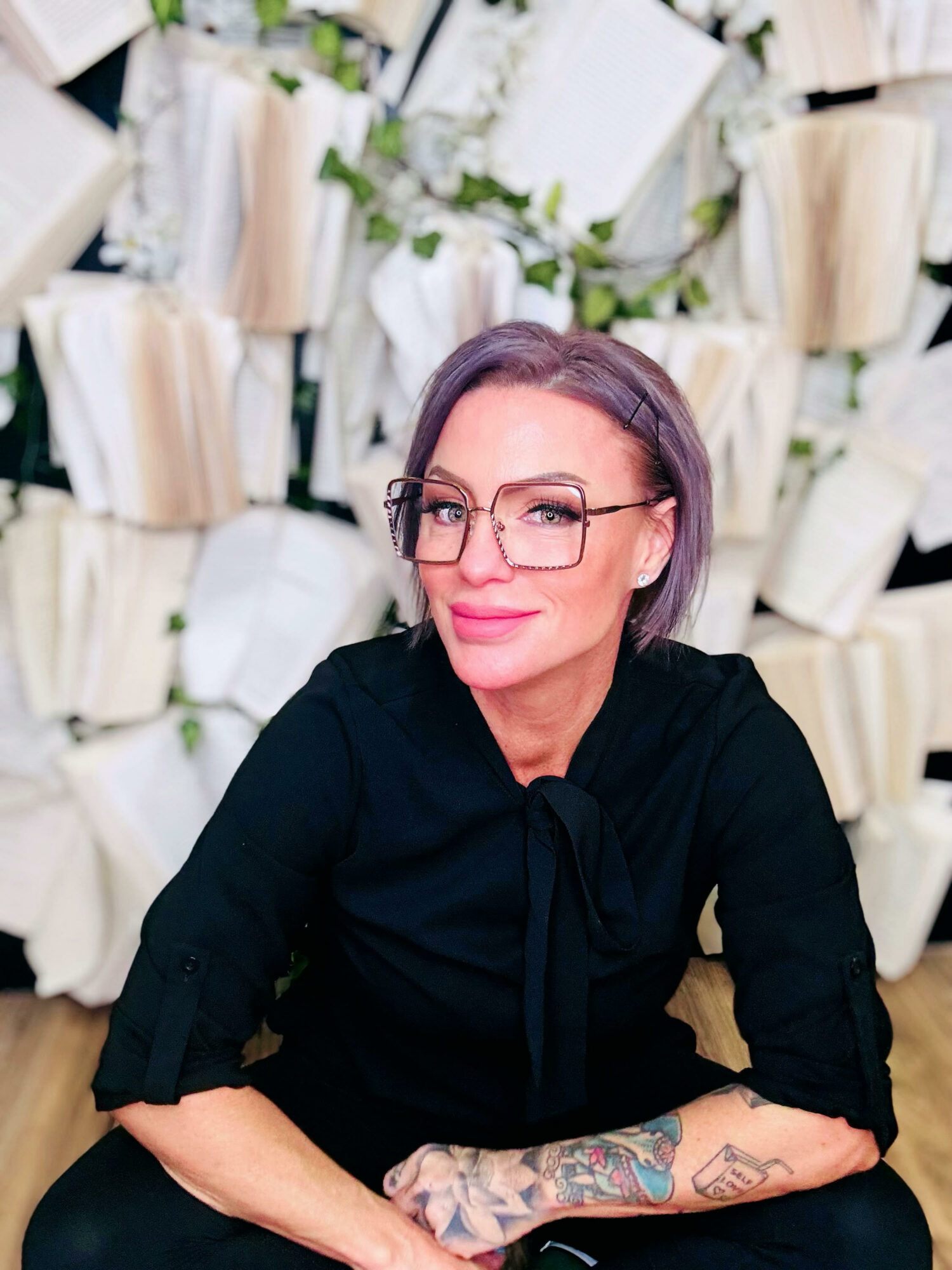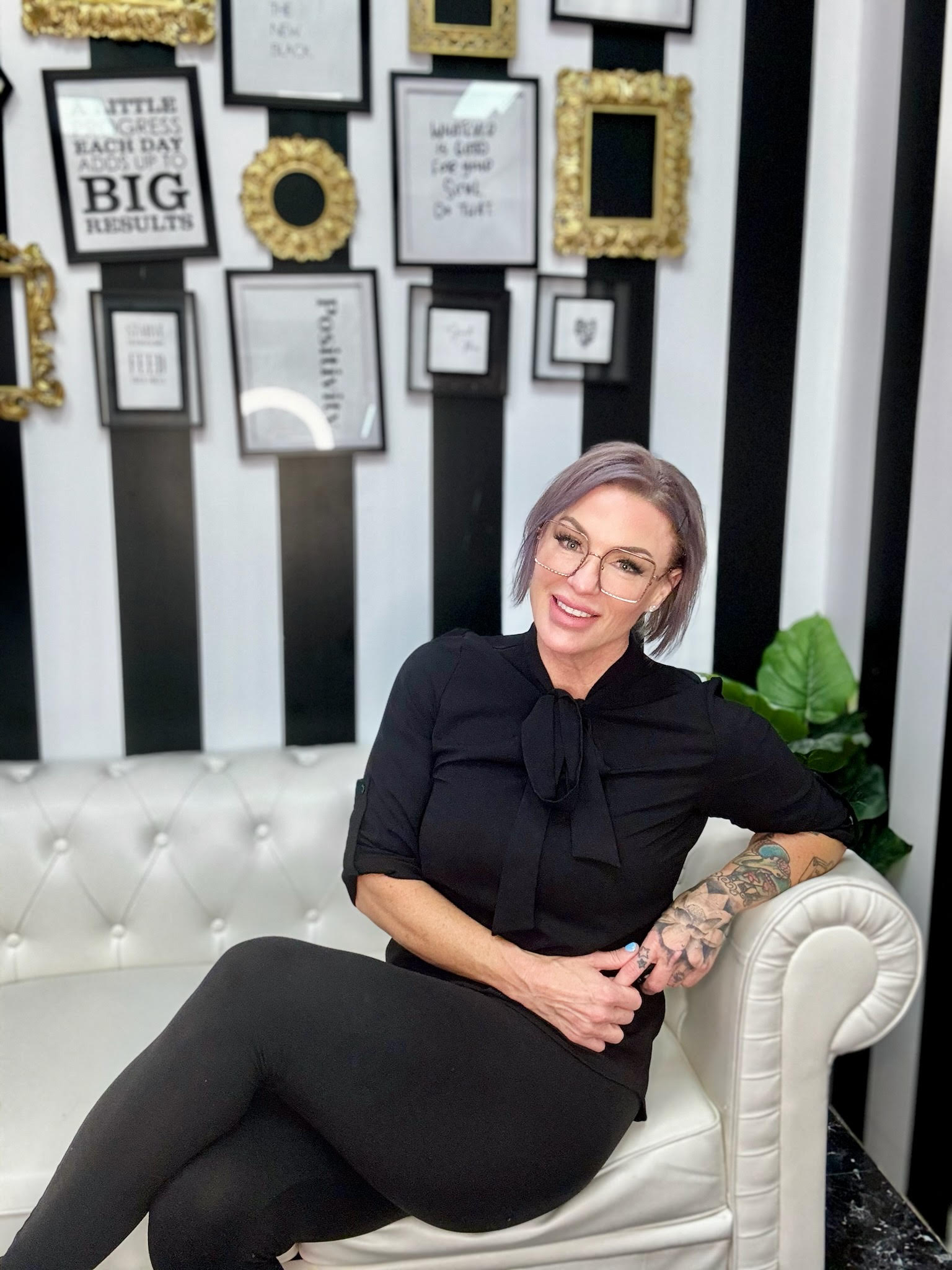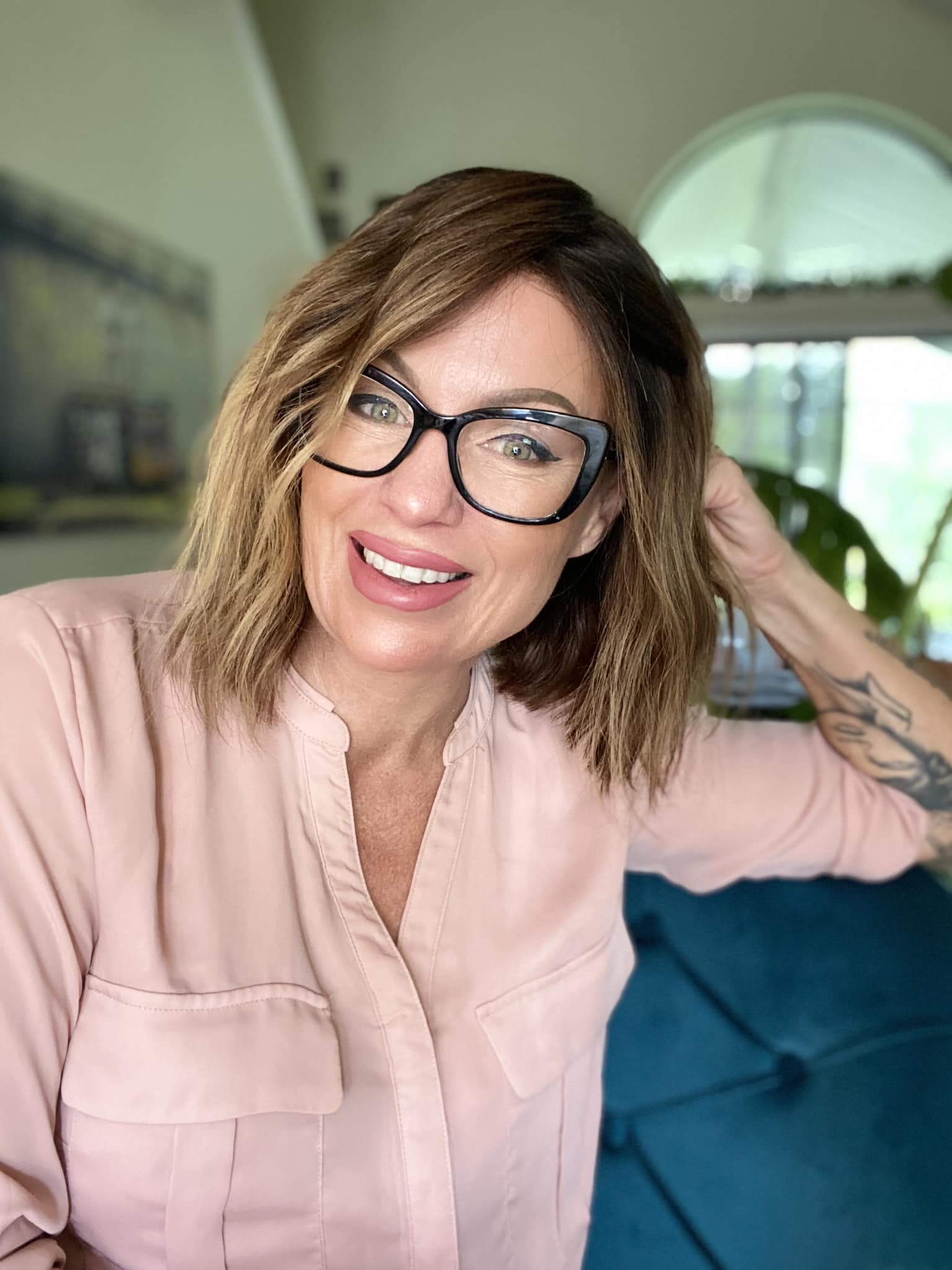





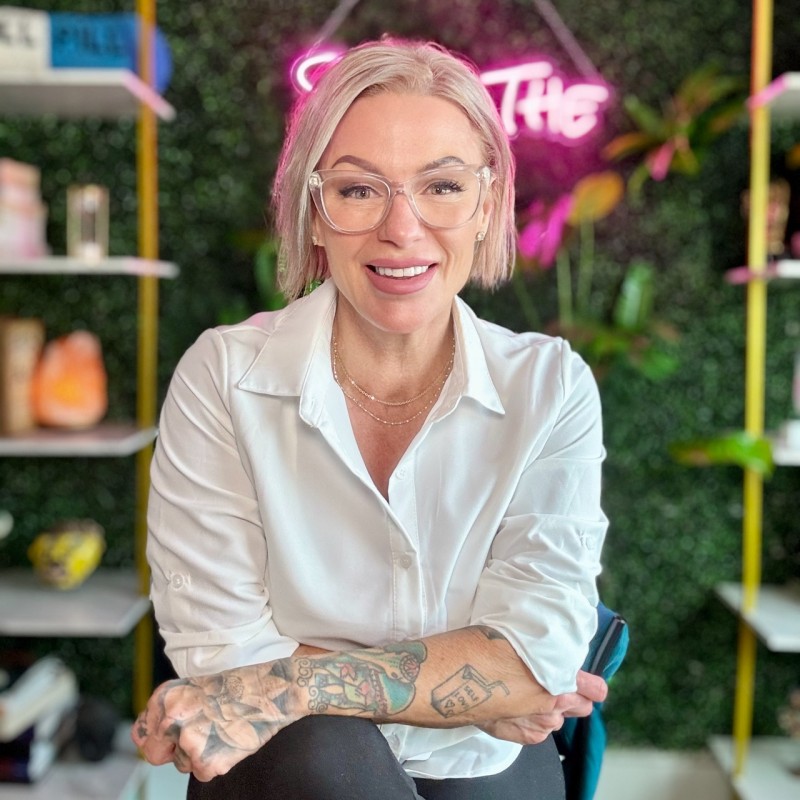
Today we’d like to introduce you to Cristina Chinchilla.
Hi Cristina, thanks for sharing your story with us. To start, maybe you can tell our readers some of your backstory.
I didn’t grow up in a peaceful or predictable environment, and for a long time, I didn’t understand how deeply that shaped me. Like many of the people I work with today, my early life was marked by instability, trauma, and a sense of never quite feeling “at home” in my own family. Instead of breaking me, those experiences carved out the beginnings of my compassion and my curiosity about why people suffer — and how they heal.
I became a therapist because I knew what it felt like to navigate life without a guide. I knew what it felt like to carry generational wounds, to be the “strong one,” and to still feel lost inside. I wanted to be the person I needed when I was younger.
My career started the traditional route: clinical training, community mental health, crisis work, and the kind of on-the-ground experience that teaches you more about humanity than any textbook ever could. Over time, I found myself drawn to people navigating trauma, anxiety, identity, and the quiet, invisible battles that often go unseen. I also developed a passion for supporting other helpers — therapists, nurses, social workers, and first responders — who often carry everyone else’s pain and rarely feel permitted to fall apart themselves.
Untamed Journey was born from a mixture of my professional experience and my personal healing. I wanted to create a space where therapy felt real, grounded, accessible, and human — not clinical or detached. A space where people who’ve survived difficult families, toxic patterns, burnout, or major life transitions could come and finally exhale.
Along the way, my work expanded to include writing, blogging, and creating tools like The Healer’s Journey, a guided journal for burnout recovery. I also began offering immigration and citizenship evaluations, anti-trafficking advocacy, and wellness coaching — all extensions of my belief that healing doesn’t look one way.
Today, my practice focuses on empowering people to break cycles, find their voice, rebuild their identity, and create lives that feel like their own. My story is still unfolding, but every chapter has led me to the work I do now. And I’m grateful every day that I get to walk with people through the hardest — and most transformative — seasons of their lives.
Alright, so let’s dig a little deeper into the story – has it been an easy path overall and if not, what were the challenges you’ve had to overcome?
Absolutely not — the road has been anything but smooth. And honestly, that’s part of what makes my work so meaningful today.
Like many therapists, I didn’t arrive in this profession from a place of ease. My path was shaped by navigating a difficult childhood, breaking generational patterns, and rebuilding myself after experiences that could have easily taken me in the opposite direction. I had to learn how to heal while also learning how to live — and those lessons didn’t come quickly or quietly.
Professionally, the journey had its own challenges. Working in community mental health, crisis response, and high-need environments taught me resilience, but it also came with burnout, compassion fatigue, and moments where I questioned whether I could continue holding so much for others. There were seasons where I felt overwhelmed, under-supported, and stretched far too thin — experiences that many helpers deeply understand.
Then came the personal struggles: navigating single motherhood, financial uncertainty, rebuilding after unhealthy relationships, and carrying the emotional load of family dynamics that were painful and complicated. I’ve had to face myself, unlearn survival patterns, and grow through some incredibly difficult chapters.
Opening my private practice — and growing it into Untamed Journey — required courage, grit, and a willingness to bet on myself when circumstances didn’t make it easy.
But the beauty is: every struggle I’ve faced shows up as empathy, insight, and grounding in the therapy room. My road wasn’t smooth, but it shaped me into the kind of therapist who can sit with people in their darkest seasons without flinching — because I know what it takes to climb out.
And that’s why I’m so passionate about the work I do. I didn’t just learn healing in school; I lived it.
Great, so let’s talk business. Can you tell our readers more about what you do and what you think sets you apart from others?
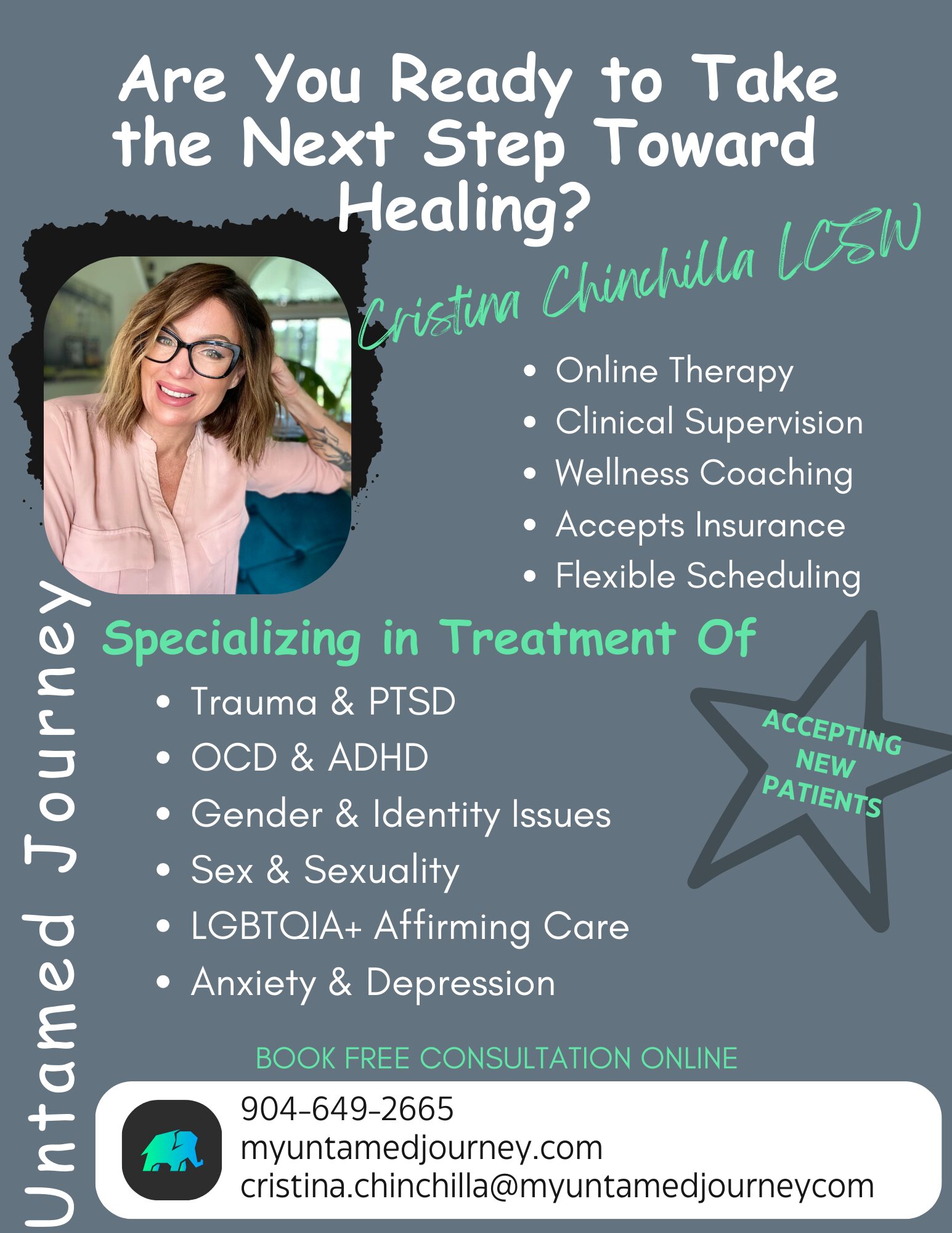
Untamed Journey is my private therapy practice, and the heart of my work is helping people heal the parts of themselves they’ve carried in silence for years. I provide virtual therapy across Florida and specialize in trauma, anxiety, OCD, identity exploration, LGBTQIA+ affirming care, burnout recovery, and the deep emotional wounds that come from complicated family systems, abandonment, or major life transitions.
My approach blends clinical expertise with genuine human connection. Clients often tell me therapy with me feels grounding, warm, and real — a space where they can show up authentically and still feel supported and challenged. I’m not a detached “blank slate” therapist; I believe healing happens when we show up as whole people, with honesty, compassion, and clarity.
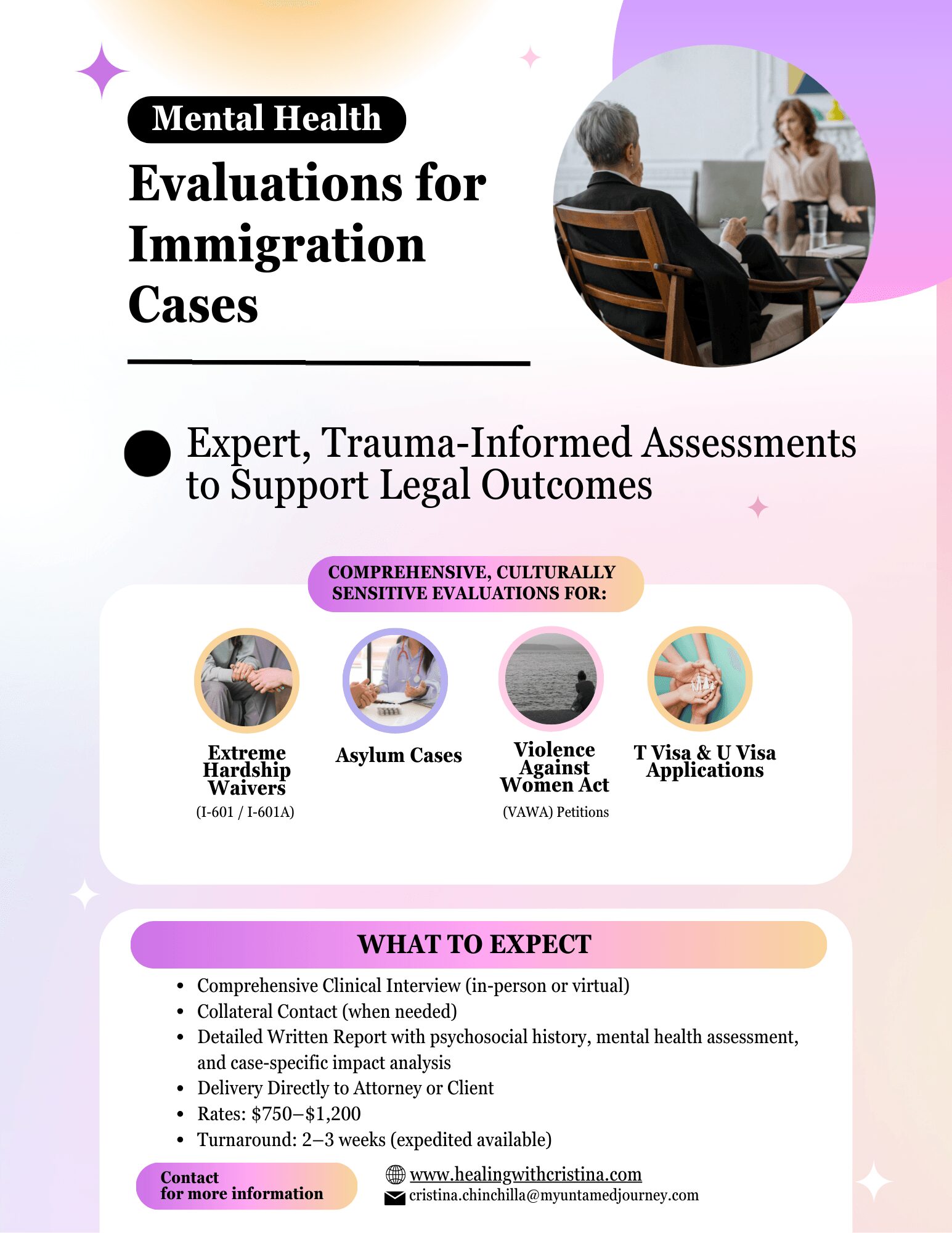
In addition to therapy, I offer specialized immigration and citizenship evaluations for hardship waivers, asylum seekers, VAWA, U visas, and T visas. These assessments allow me to support individuals and families during some of the most vulnerable, life-changing moments of their lives. It’s work I’m deeply passionate about, especially as it merges trauma-informed care with advocacy and cultural sensitivity.
I’m also the creator of The Healer’s Journey, a guided journal designed specifically for therapists, social workers, nurses, and other helpers navigating burnout and emotional exhaustion. It’s a combination of storytelling, neuroscience, mindfulness, and daily reflection — a resource built from my own experiences recovering from burnout and helping other clinicians do the same. I’m incredibly proud of this project because it has become a supportive tool for professionals who are often overlooked in their own healing.
Alongside my practice, I founded Phoenix Rise Initiative (PRI), a nonprofit dedicated to serving survivors of human trafficking and individuals who face chronic trauma, systemic barriers, and limited access to care. PRI is built on three pillars:
Direct survivor support through trauma-informed advocacy and crisis navigation.
Accessible clinical evaluations, with the long-term goal of offering free or low-cost immigration evaluations for survivors funded through grants.
Training and community education to help professionals respond to trauma and trafficking with competence and compassion.
PRI reflects my belief that healing must extend beyond the therapy room — into communities, systems, and the lives of people who rarely get the support they deserve.
What I’m most proud of, brand-wise, is that everything I create — my practice, my writing, my evaluations, my nonprofit — is rooted in the idea that people deserve to feel seen, safe, and powerful in their own story. I want readers to know that Untamed Journey isn’t just a therapy practice; it’s a space for transformation, rebuilding, and reclaiming the parts of yourself you thought were lost.
What sort of changes are you expecting over the next 5-10 years?
In the next half-decade to decade, I believe the field of therapy and mental health care will continue to evolve more rapidly than many clinicians expect—and for those of us who stay responsive, that means opportunity. Here are the shifts I anticipate and how I’m positioning my work to adapt.
1. Greater accessibility + multiple pathways to care
More people will expect—and require—flexible, hybrid models of therapy: virtual, in-person, asynchronous (like messaging or guided tools). The pandemic accelerated virtual care, and the groundwork for remote work in therapy has been laid.
blueprint.ai
Concordia University Irvine
For me, that means continuing to build Untamed Journey as a practice that offers telehealth, but also creates adjunctive tools—like my guided journal The Healer’s Journey—so clients can access support between sessions and engage with their healing in a more embodied way.
2. Specialization & niche differentiation will become more important
As more therapists enter the field (employment of mental health counselors is projected to grow strongly in coming years).
Bureau of Labor Statistics
The general “I see anxiety/depression/trauma” will be less than enough. Therapists who clearly define their niche—such as trauma+immigration, burnout recovery for helpers, LGBTQIA+ affirming care—will stand out.
In my case, my focus on immigration evaluations, trauma work, burnout for helpers, and creative adjuncts like the journal sets me up well for this shift.
3. Technology will change how therapy is delivered—and how we engage clients
From AI-augmented screening tools, apps, digital tracking, VR or immersive tools, etc. Research forecasts that technological interventions, virtual/augmented reality, more sophisticated digital platforms will play an increasing role in psychotherapy.
PubMed Central
That doesn’t mean humans will be replaced—but the therapist who knows how to use these tools, integrate them intelligently, and still maintain the human connection will have an advantage. For my brand, that might look like integrating digital worksheets, guided reflection tools (like the journal), maybe eventually an app component or group format that uses tech + human interaction.
4. Focus on systemic issues, cultural competency, and holistic care
There is growing awareness that mental health doesn’t exist in a vacuum: identity, community, culture, immigration status, systemic oppression, trauma history all matter.
blueprint.ai
This aligns directly with my work: immigration & citizenship evaluations, supporting survivors of human trafficking via PRI, focusing on helpers and their burnout. I see my practice moving deeper into this systemic/advocacy-adjacent space while still maintaining clinical depth.
5. Prevention, early intervention, and public mental health will gain more focus
Instead of only responding to crisis, the model will lean into early identification of distress, resilience building, wellness coaching, group formats, and scalable interventions. The guided journal I created is one example of how I’m already leaning into “supports outside the therapy hour.”
Also, as more clients become consumers of therapy and wellness content, the boundary between therapy, coaching, and prevention will blur—and the therapist who can offer tiered services (private sessions + group/workshop + digital/self-guided tools) will serve more clients and different levels of need.
6. Quality, ethical practice, and outcome measurement will be more demanded
With digital tools, larger platforms, and more competition, clients and referral sources will increasingly ask: “What’s your specialty? What outcomes can you show? What’s your process?” Studies show the psychotherapy field anticipates more emphasis on evidence-based, culturally adapted interventions.
PubMed Central
For you, that means continuing to build your credibility (blog posts, your journal, your advocacy work), collecting testimonials (within ethical bounds), and staying aligned with trauma-informed best practices.
🔍 What this means for me & Untamed Journey
I’m leaning into offering more hybrid service levels: one-on-one therapy + self-guided journal + group/coach/workshop for helpers + immigration evaluation services.
I’m doubling down on my niche strengths (trauma, immigration, helpers) so that when the field fragments into sub-specialties, I’m already established.
I’m exploring how I can deliver value outside the hour (journal, digital resources, workshops) so I don’t just trade time for money, and clients can engage at different entry-points.
I’m ensuring that my brand reflects cultural competency, human-centered care, and outcome-oriented language—because that’s where the future is heading.
I’m preparing to navigate ethical/tech shifts, e.g., how to integrate digital tools responsibly, protect client data, keep the human relationship central.
In short: the next 5-10 years are less about “therapy as it’s always been” and more about therapy + tools + accessibility + tailored specialty. I’m excited for it—and I believe Untamed Journey and the work with PRI are already aligned with the future of care, not just the past.
Contact Info:
- Website: https://myuntamedjourney.com/
- Instagram: https://www.instagram.com/untamed.journey_/
- LinkedIn: https://www.linkedin.com/in/cristina-chinchilla-lcsw-a08b7626b